
Navigating the U.S. federal income tax system can feel like deciphering an ancient scroll, especially for the uninitiated or those experiencing new financial situations. At the heart of this annual ritual lies Form 1040, the primary document used by individual taxpayers to report their income, deductions, and credits to the Internal Revenue Service (IRS). Far from being a mere bureaucratic formality, filing your 1040 is a crucial act of financial stewardship, ensuring compliance with tax laws, and often, determining if you’ll receive a much-anticipated refund or owe additional taxes.

This guide aims to demystify the Form 1040 and the filing process, breaking down what might seem like an overwhelming task into manageable steps. Whether you’re a first-time filer, have experienced significant life changes, or simply want a clearer understanding of your tax obligations, we’ll equip you with the knowledge and confidence to approach tax season with clarity and control. From understanding the form’s structure to gathering necessary documents and choosing the right filing method, consider this your essential roadmap to successfully filing your U.S. federal income tax return.
Understanding the Form 1040: The Cornerstone of U.S. Tax Filing
Before you can file your 1040, it’s essential to understand what it is, who needs to file it, and the fundamental components that make up this pivotal document. The Form 1040 is more than just a piece of paper; it’s a detailed summary of your financial year as it pertains to your tax obligations.
What is a Form 1040?
At its core, the Form 1040 is the standard federal income tax form that most U.S. taxpayers use to report their gross income, claim deductions and credits, and calculate their tax liability or refund for the tax year. It’s the central document upon which your entire tax return is built, acting as a reconciliation of all your financial activities against the tax code. If you are a U.S. citizen or resident alien, and your income exceeds certain thresholds (which vary based on your filing status, age, and dependency status), you are generally required to file a Form 1040. This includes individuals, married couples filing jointly or separately, heads of household, and qualifying widow(er)s. For historical context, the 1040 has evolved significantly since its inception in 1913, reflecting shifts in economic policy and societal needs, moving from a complex multi-page document to a streamlined version introduced in recent years, though supporting schedules often add back complexity.
Key Sections of the 1040
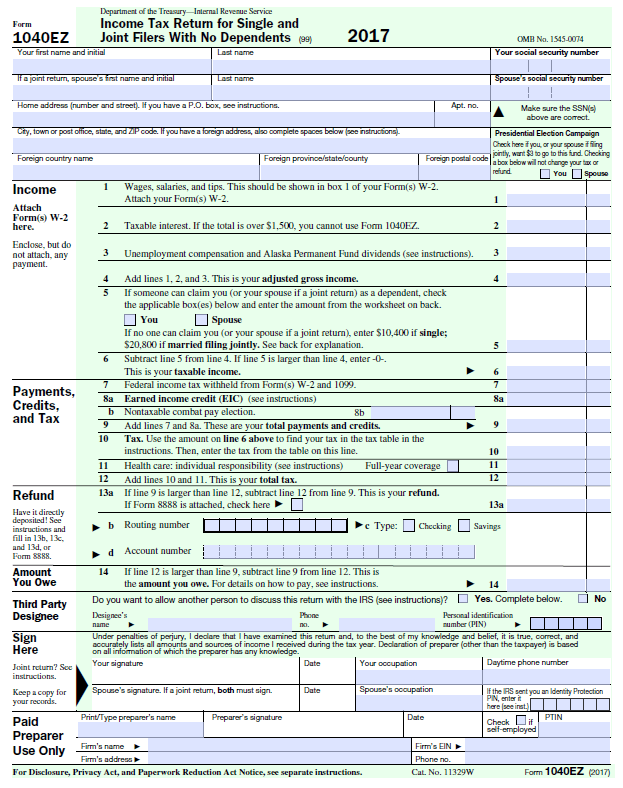
The Form 1040 is logically organized to walk you through the process of calculating your tax. Understanding its main sections will help you identify where your financial information fits.
- Income: This is where you report all your sources of income. Line 1 typically covers wages, salaries, and tips as reported on your W-2. Other lines account for taxable interest (Form 1099-INT), ordinary dividends (Form 1099-DIV), capital gains (Form 1099-B), business income (Schedule C), rental income (Schedule E), unemployment compensation, and more. This section sums up your gross income.
- Adjustments to Income (Above-the-Line Deductions): These deductions reduce your gross income to arrive at your Adjusted Gross Income (AGI). Crucially, you don’t need to itemize to claim these. Examples include contributions to traditional IRAs, student loan interest, self-employment tax deductions, and health savings account (HSA) deductions. A lower AGI can be beneficial as it affects eligibility for many tax credits and other deductions.
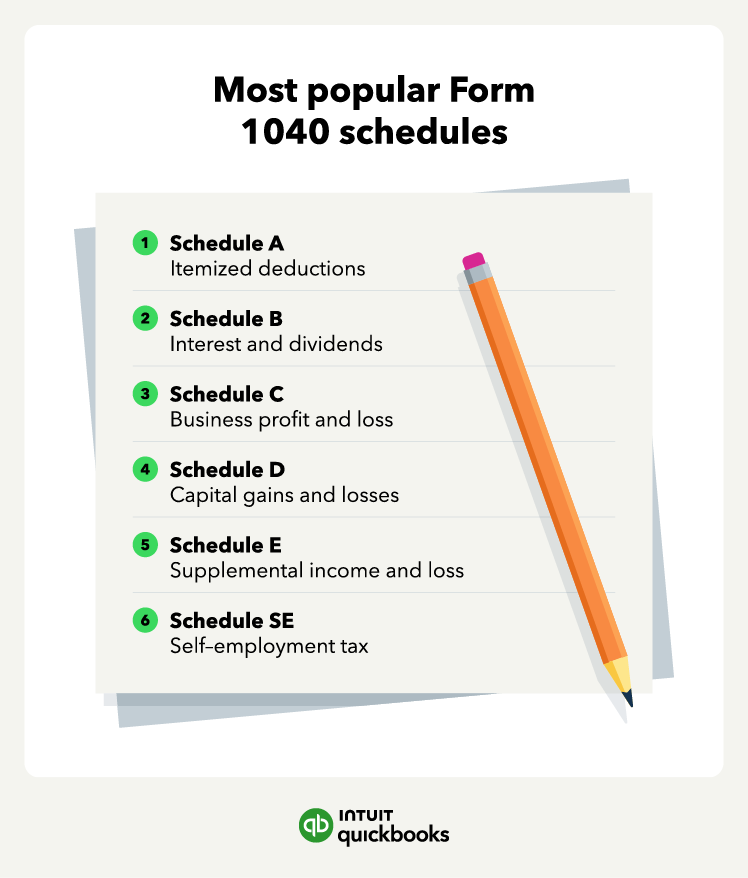
- Standard Deduction vs. Itemized Deductions (Schedule A): After calculating your AGI, you’ll choose between taking the standard deduction (a fixed amount determined by the IRS based on your filing status) or itemizing your deductions. Itemizing involves listing specific deductible expenses like state and local taxes (SALT, up to a limit), mortgage interest, charitable contributions, and medical expenses exceeding a certain percentage of your AGI. You should choose the option that results in the larger deduction, thereby lowering your taxable income.
- Taxable Income Calculation: Your taxable income is derived by subtracting your chosen deduction (standard or itemized) from your AGI. This is the amount of income on which your federal tax liability is calculated, typically using IRS tax tables or schedules.
- Credits: Tax credits are often more valuable than deductions because they directly reduce your tax liability dollar-for-dollar, rather than just reducing your taxable income. Examples include the Child Tax Credit, Earned Income Tax Credit (EITC), education credits (like the American Opportunity and Lifetime Learning Credits), and credits for dependent care expenses.
- Payments: This section accounts for all the tax payments you’ve already made throughout the year. This includes federal income tax withheld from your paychecks (as shown on your W-2), estimated tax payments if you’re self-employed or have other income not subject to withholding, and any prior year’s overpayment applied to this year’s tax.
- Refund or Amount Due: Finally, the last section determines whether you overpaid your taxes and are due a refund, or if you underpaid and owe additional tax to the IRS.
Gathering Your Essentials: What You Need Before You Begin
The key to a smooth and accurate tax filing experience lies in thorough preparation. Before you even open a tax form or software, you must gather all the necessary documentation. Missing a single form could lead to errors, delays, or even missing out on valuable deductions or credits. Think of this as collecting all the pieces of your financial puzzle.
Personal Information
The foundational details for your tax return ensure accurate identification by the IRS.
- Social Security Numbers (SSNs): You’ll need your SSN, your spouse’s SSN (if filing jointly), and the SSN for every dependent you plan to claim. Accuracy here is paramount, as discrepancies can cause significant delays.
- Dates of Birth: For yourself, spouse, and dependents, particularly for credits like the Child Tax Credit or certain age-related benefits.
- Current Address: Ensure the address on your tax return is up-to-date, especially if you expect a paper check refund or correspondence from the IRS.
- Bank Account Information: If you opt for direct deposit of your refund (highly recommended for speed and security), you’ll need your bank’s routing number and your account number.
Income Documents
These forms report all the money you earned throughout the year from various sources.
- W-2 Forms (Wage and Tax Statement): You’ll receive one from each employer you worked for during the tax year. These report your wages, tips, other compensation, and the amount of federal, state, and local taxes withheld.
- 1099 Forms: There are various types of 1099 forms that report income not typically covered by a W-2:
- 1099-INT: Reports interest income from banks, credit unions, etc.
- 1099-DIV: Reports dividend income from stocks and mutual funds.
- 1099-B: Reports proceeds from broker and barter exchange transactions, such as stock sales.
- 1099-NEC (Nonemployee Compensation): Used if you worked as an independent contractor or freelancer and earned $600 or more from a single payer. Previously, this was often reported on 1099-MISC.
- 1099-MISC (Miscellaneous Information): Reports various types of income, such as rents, royalties, or prize winnings (if not covered by other 1099s).
- 1099-R: Reports distributions from pensions, annuities, retirement or profit-sharing plans, IRAs, etc.
- 1099-G: Reports certain government payments, such as unemployment compensation or state tax refunds.
- K-1 Forms: If you have an interest in a partnership, S corporation, or trust, you’ll receive a Schedule K-1, which reports your share of the entity’s income, deductions, credits, etc.
- Social Security Benefits Statement (SSA-1099): Reports the total amount of Social Security benefits you received.
- Other Income Sources: Don’t forget any other income that might not come with a specific form, such as rental income records (Schedule E), gambling winnings, or income from a side business (for Schedule C, you’ll need detailed records of income and expenses).
Deduction & Credit Documents
These documents support any deductions or credits you plan to claim, which can significantly reduce your tax bill.
- Mortgage Interest Statement (Form 1098): Reports the amount of mortgage interest and points you paid during the year.
- Property Tax Records: Statements showing real estate taxes paid on your home.
- Student Loan Interest Statement (Form 1098-E): Reports interest paid on qualified student loans.
- Tuition Statements (Form 1098-T): Reports tuition and related expenses paid to eligible educational institutions, essential for education credits.
- Medical Expense Receipts: If you plan to itemize, you’ll need detailed records of unreimbursed medical and dental expenses.
- Childcare Expenses: Records from your childcare provider, including their name, address, and Employer Identification Number (EIN) or Social Security Number (SSN), for the Child and Dependent Care Credit.
- Charitable Contribution Receipts: Documentation for cash and non-cash donations to qualified charities.
- Retirement Contributions: Statements showing contributions to traditional IRAs, 401(k)s, or other retirement plans, which may be deductible or qualify for credits.
- Health Savings Account (HSA) and Flexible Spending Account (FSA) Statements: Records of contributions and distributions.
Having all these documents organized and at hand before you start will save you time, reduce stress, and minimize the risk of errors during the filing process.
Navigating the Filing Methods: Choose Your Path
Once you have all your documents ready, the next step is to decide how you will file your Form 1040. There are several popular methods, each with its own advantages and disadvantages, catering to different levels of complexity and comfort with financial tasks.
Traditional Paper Filing
This method involves physically filling out the Form 1040 and any accompanying schedules, then mailing them to the IRS.
- Pros: Offers complete control over the process; no computer or internet access is strictly required. Some prefer the tangible nature of filling out forms by hand.
- Cons: It’s slower, both for processing by the IRS and for receiving refunds. It’s also more prone to mathematical errors, and the burden of ensuring all forms are correctly completed and mailed with sufficient postage falls entirely on the taxpayer. You’ll need to download forms directly from the IRS website (irs.gov) or obtain them from a library.
- How to Mail: Ensure you use the correct IRS mailing address for your region and type of return, and consider using certified mail with a return receipt for proof of mailing.
Tax Software (e-Filing)
The most popular filing method, using tax preparation software, guides you through the process step-by-step and electronically submits your return to the IRS.
- Popular Options: Industry leaders include TurboTax, H&R Block, TaxAct, and FreeTaxUSA. Each offers various versions, from free (for simple returns) to premium (for complex situations like self-employment or investment income).
- Pros: Highly convenient, offering guided interviews that simplify data entry. Software performs automatic calculations and error checks, significantly reducing the chance of mathematical mistakes. E-filing results in much faster refunds (often within 2-3 weeks). Most software provides audit support or guarantees for accuracy.
- Cons: While many offer free basic versions, fees can accumulate quickly for more complex returns or state filings. There are also inherent data security concerns, though reputable companies invest heavily in protecting user information.
- Step-by-Step Process: Typically involves creating an account, entering personal details, inputting income from W-2s and 1099s, answering questions about deductions and credits, reviewing the generated return for accuracy, and finally, submitting it electronically.
IRS Free File Program
For taxpayers who meet certain income thresholds, the IRS offers a program that provides free access to guided tax software from various providers.
- Eligibility Requirements: The Adjusted Gross Income (AGI) limit changes annually (e.g., often around $79,000 for tax year 2023). If your AGI is above this limit, you might still be able to use “Free File Fillable Forms,” which are electronic versions of IRS paper forms with basic calculations but no guided support.
- How it Works: You access the program through the IRS website (irs.gov/freefile), which then directs you to participating software providers. The software guides you through the process, much like paid versions, but at no cost.
- Pros: It’s absolutely free, secure, and utilizes e-filing for fast processing. It combines the benefits of software guidance with zero cost.
- Cons: Only available to taxpayers within the specified AGI limits. Not all commercial software participates, and the offerings from participating providers can vary.
Professional Tax Preparer
For individuals with complex financial situations, or simply those who prefer to delegate the task to an expert, hiring a professional tax preparer is an excellent option.
- When to Consider: This is particularly beneficial if you are self-employed with significant business expenses, have multiple investment accounts, own rental properties, experienced major life changes (marriage, divorce, birth of a child, home purchase), or have international income.
- Types of Preparers:
- Certified Public Accountants (CPAs): Licensed professionals with extensive knowledge of accounting and tax law.
- Enrolled Agents (EAs): Federally licensed tax practitioners who specialize in taxation and have unlimited practice rights before the IRS.
- Tax Attorneys: Lawyers specializing in tax law, often for highly complex or contentious tax matters.
- Non-credentialed Preparers: Individuals who prepare taxes but do not hold the above credentials. Exercise caution and verify their qualifications.
- Pros: Expertise ensures accuracy and maximizes deductions/credits. Provides peace of mind and often includes audit support. Frees up your time.
- Cons: Can be expensive, with fees varying based on the complexity of your return and the preparer’s qualifications.
- How to Choose a Reputable Preparer: Look for credentials, experience, good reviews, transparent pricing, and ensure they are willing to sign your return and provide you with a copy. Avoid preparers who promise unrealistic refunds or base their fees solely on a percentage of your refund.
The right filing method depends on your income, financial complexity, budget, and comfort level. Choose the one that best fits your individual needs to make tax season as stress-free as possible.
Important Deadlines and What Happens After You File
Filing your Form 1040 is not just about completing the document; it’s also about understanding the timeline and what steps to take once your return is submitted. Missing deadlines or misunderstanding post-filing procedures can lead to penalties or delays in receiving your refund.
Key Dates to Remember
Staying aware of crucial deadlines is paramount to avoiding late filing penalties.
- Annual Filing Deadline: For most individual taxpayers, the deadline to file your federal income tax return and pay any taxes owed is April 15th of the following year. If April 15th falls on a weekend or holiday, the deadline shifts to the next business day. State tax deadlines often align but can vary.
- Extension Deadline: If you can’t file by the April 15th deadline, you can request an extension using Form 4868, Application for Automatic Extension of Time to File U.S. Individual Income Tax Return. This grants you an automatic six-month extension, typically until October 15th, to file your return. Crucially, an extension to file is NOT an extension to pay. You must still estimate and pay any taxes you owe by the April 15th deadline to avoid penalties and interest.
- Estimated Tax Payment Dates: If you’re self-employed or have other income not subject to withholding, you may need to pay estimated taxes quarterly. The payment dates are typically April 15th, June 15th, September 15th, and January 15th of the following year.
What to Do If You Owe Taxes
Finding out you owe the IRS can be daunting, but there are several ways to fulfill your obligation.
- Payment Options:
- IRS Direct Pay: A free, secure way to pay directly from your checking or savings account.
- Electronic Funds Withdrawal: Available when e-filing through tax software or a preparer.
- Credit or Debit Card: Processed through third-party payment processors, typically incurring a small fee.
- Check or Money Order: Mailed with Form 1040-V, Payment Voucher.
- Payment Plans: If you can’t pay the full amount by the deadline, don’t ignore it. The IRS offers options:
- Short-Term Payment Plan: Up to 180 additional days to pay, though interest and penalties still apply.
- Offer in Compromise (OIC): Allows certain taxpayers to resolve their tax liability with the IRS for a lower amount than what they originally owe. This is typically for severe financial hardship.
- Installment Agreement: Allows you to make monthly payments for up to 72 months.
What to Do If You’re Getting a Refund
A tax refund is often a welcome financial boost. The method you choose can affect how quickly you receive it.
- Direct Deposit: The fastest and most secure way to receive your refund. Provide your bank account and routing number when filing.
- Paper Check: The IRS will mail a physical check to the address on your return, which takes longer and carries a higher risk of being lost or stolen.
- Track Your Refund: After filing, you can check the status of your refund using the IRS “Where’s My Refund?” tool on irs.gov or the IRS2Go mobile app. You’ll need your SSN, filing status, and exact refund amount.
Amending a Return (Form 1040-X)
Mistakes happen, and if you discover an error on a previously filed tax return, you can correct it.
- When and How to Amend: Use Form 1040-X, Amended U.S. Individual Income Tax Return, to correct errors such as incorrect filing status, overlooked deductions or credits, or unreported income.
- Deadlines for Amending: Generally, you must file Form 1040-X within three years from the date you filed your original return or within two years from the date you paid the tax, whichever is later.
Keeping Good Records
Maintaining meticulous records is crucial for both current and future tax situations.
- How Long to Keep Tax Documents: The general recommendation is to keep tax returns and supporting documentation for at least three years from the date you filed the original return, or two years from the date you paid the tax, whichever is later. However, some situations require longer:
- Six years if you don’t report income that you should report, and it is more than 25% of the gross income shown on your return.
- Seven years for records related to bad debt deductions or worthless securities.
- Indefinitely for records related to property basis (e.g., home purchase, stock records) and retirement account contributions.
- Importance for Audits: Well-organized records are your best defense in the event of an IRS audit, allowing you to quickly provide proof for all income, deductions, and credits claimed. Store digital copies in a secure, encrypted location and consider hard copies in a fireproof safe.
Filing your Form 1040 doesn’t have to be a source of dread. By understanding the process, meticulously gathering your documents, choosing the right filing method, and being mindful of deadlines, you can approach tax season with confidence. Remember, accurate and timely filing is not just a legal obligation but a fundamental aspect of sound personal financial management. If you encounter complexities or feel overwhelmed, don’t hesitate to seek assistance from a qualified tax professional. Proactive planning and a clear understanding of your responsibilities will pave the way for a smooth and successful tax outcome.
aViewFromTheCave is a participant in the Amazon Services LLC Associates Program, an affiliate advertising program designed to provide a means for sites to earn advertising fees by advertising and linking to Amazon.com. Amazon, the Amazon logo, AmazonSupply, and the AmazonSupply logo are trademarks of Amazon.com, Inc. or its affiliates. As an Amazon Associate we earn affiliate commissions from qualifying purchases.