
The Foundation of Your Financial Reporting
A tax file is far more than a mere collection of documents; it represents a comprehensive, organized record of an individual’s or business’s financial activities pertinent to taxation. At its core, a tax file serves as the bedrock upon which accurate tax reporting and compliance are built. Understanding its composition and significance is fundamental for responsible financial management, whether for personal wealth or business operations.
Defining the Tax File
In essence, a tax file encapsulates all the financial documentation, calculations, and supporting evidence necessary to prepare and substantiate a tax return. This includes, but is not limited to, income statements, expense receipts, investment records, and personal identifying information. It’s an ongoing chronicle of economic transactions that the relevant tax authority (such as the IRS in the United States, HMRC in the UK, or ATO in Australia) requires to assess tax liabilities fairly and accurately. It acts as the definitive proof of income earned, deductions claimed, and credits applied, allowing for transparency and accountability in the taxation process. Without a well-maintained tax file, substantiating the figures on a tax return becomes challenging, if not impossible, opening the door to scrutiny and potential penalties.

Legal and Financial Imperatives
The necessity of maintaining a robust tax file stems directly from legal and financial imperatives. Tax laws in virtually all jurisdictions mandate that taxpayers keep records to support the income, deductions, and credits reported on their tax returns. This isn’t just a suggestion; it’s a legal obligation. For individuals, this means documenting wages, investment gains, and deductible expenses. For businesses, it extends to every transaction that impacts their profit and loss statement and balance sheet, from sales invoices and payroll records to operational expenses and asset depreciation schedules. The financial imperative is equally strong. A well-organized tax file enables efficient preparation of returns, reduces the likelihood of errors, and facilitates strategic financial planning. It allows individuals and businesses to identify potential tax savings, understand their financial health more clearly, and project future tax obligations, thereby avoiding unexpected financial burdens. Beyond mere compliance, the financial insights gleaned from a diligently maintained tax file can inform budgeting, investment decisions, and business growth strategies.
Core Purpose: Facilitating Accurate Tax Assessment and Compliance
The primary purpose of a tax file is to facilitate accurate tax assessment and ensure compliance with tax authorities. Tax systems globally rely on taxpayers to self-report their income and financial positions. The tax file provides the verifiable data behind this self-reporting. When tax returns are filed, they summarize complex financial activities into specific figures. The tax file provides the detailed evidence that supports these summary figures. Should a tax authority decide to review or audit a return, the tax file is the definitive resource. It allows auditors to trace reported amounts back to original transactions and source documents, verifying their accuracy and legitimacy. This function is critical for maintaining the integrity of the tax system, preventing tax evasion, and ensuring that everyone contributes their fair share. Furthermore, for businesses, accurate tax files are essential for demonstrating financial health to investors, lenders, and other stakeholders, impacting their ability to secure financing or partnerships.
Key Components and Data Points
A tax file is a mosaic of various documents and data points, each playing a crucial role in constructing a complete financial picture for tax purposes. These components fall into several broad categories, reflecting the diverse nature of financial activity.
Income Records
Income records form the cornerstone of any tax file, as they detail all earnings from various sources. For employees, this primarily includes W-2 forms (in the U.S.) or equivalent pay statements from employers, which report wages, salaries, tips, and other compensation, along with taxes withheld. Self-employed individuals and independent contractors will rely on Form 1099-NEC (Nonemployee Compensation) or 1099-K (Payment Card and Third Party Network Transactions) for income received. Investment income is documented through various 1099 forms, such as 1099-DIV for dividends, 1099-INT for interest, and 1099-B for proceeds from broker and barter exchange transactions. Additionally, Schedule K-1 forms report income from partnerships, S corporations, and trusts. Rental property owners will need detailed records of rent collected and expenses incurred. Beyond these common forms, any other source of income, such as royalties, gambling winnings, or even prize money, must be documented. Each piece of income documentation directly impacts the gross income reported on a tax return, influencing the overall tax liability.
Deduction and Credit Documentation
Equally vital are the records supporting deductions and credits, which can significantly reduce taxable income and/or the tax owed. This category is diverse and highly personal. For individuals, it might include:
- Mortgage interest statements (Form 1098)
- Property tax bills
- Charitable contribution receipts for cash donations, goods, or volunteer expenses
- Medical expense records, including insurance premiums, doctor visits, prescription costs, and specific procedure bills
- Student loan interest statements (Form 1098-E)
- Educational expense records, such as tuition statements (Form 1098-T) and receipts for books or supplies
- Childcare expenses documentation for tax credits
For businesses, deduction records are more extensive, covering operational expenses like office rent, utility bills, employee salaries, professional fees, advertising costs, travel expenses, and depreciation schedules for assets. Each deduction or credit claimed must be meticulously supported by original receipts, invoices, statements, or other verifiable documents, as these are frequently scrutinized during audits.
Asset and Liability Information
While not always directly impacting annual income tax calculations, asset and liability information is crucial for a complete financial picture and can be relevant for various tax purposes, including wealth taxes, estate planning, and certain business transactions. Records related to assets include:
- Property deeds for real estate
- Purchase and sale documents for investments, demonstrating cost basis and capital gains/losses
- Vehicle titles
- Bank statements and investment account statements
On the liability side, documents such as loan agreements, mortgage statements, and credit card statements detail outstanding debts and interest paid. For businesses, comprehensive asset ledgers and liability schedules are indispensable for balance sheet preparation and managing depreciation, amortization, and debt servicing. This information becomes particularly critical when there are capital gains or losses from the sale of assets, or when determining net worth for estate tax purposes.
Personal and Business Identifiers
Finally, the tax file contains essential personal and business identifiers. For individuals, this includes Social Security Numbers (SSN) for the taxpayer, spouse, and dependents, along with full legal names, current addresses, and contact information. For businesses, the Employer Identification Number (EIN), legal business name, and business address are paramount. These identifiers are fundamental for accurate processing of tax returns and for tax authorities to correctly link financial data to the appropriate entity or individual. They are the keys that unlock the entire tax reporting process and ensure that the right person or entity is accountable for the reported figures. The security and accuracy of these identifiers are paramount to prevent identity theft and ensure proper tax administration.
The Lifecycle of a Tax File
A tax file is not a static entity compiled once a year; it has a dynamic lifecycle that spans collection, preparation, submission, retention, and potential post-submission activities. Managing this lifecycle effectively is key to maintaining tax compliance and financial health.
Collection and Organization
The lifecycle begins with the ongoing collection and organization of financial data throughout the year. Instead of a frantic scramble just before tax deadlines, a proactive approach involves systematically gathering and categorizing documents as transactions occur. This might mean keeping a digital folder for electronic receipts, scanning physical documents immediately upon receipt, or maintaining a dedicated physical filing system. For businesses, this is integrated into daily accounting practices, utilizing bookkeeping software to record sales, expenses, and payroll. Effective organization at this stage is critical, as it minimizes stress during tax preparation, reduces the likelihood of lost documents, and ensures that all relevant information is readily accessible. Implementing a consistent naming convention for digital files and clear labeling for physical files can streamline this process immensely.
Preparation and Submission
Once the tax year concludes, the collection phase transitions into the preparation phase. This involves collating all the collected income, deduction, and credit documentation to complete the relevant tax forms. Taxpayers have several options for preparation:
- Self-preparation: Utilizing tax software (e.g., TurboTax, H&R Block) that guides users through the process and performs calculations.
- Professional assistance: Engaging a Certified Public Accountant (CPA), an Enrolled Agent (EA), or a professional tax preparer who possesses expertise in tax law and can offer personalized advice and ensure accuracy.
Regardless of the method, the objective is to accurately transfer the summarized financial data from the tax file onto the official tax return forms. After preparation, the return is submitted to the tax authority, typically electronically (e-filing) for speed and confirmation of receipt, or occasionally via mail. Adhering to submission deadlines is crucial to avoid penalties.
Retention Requirements
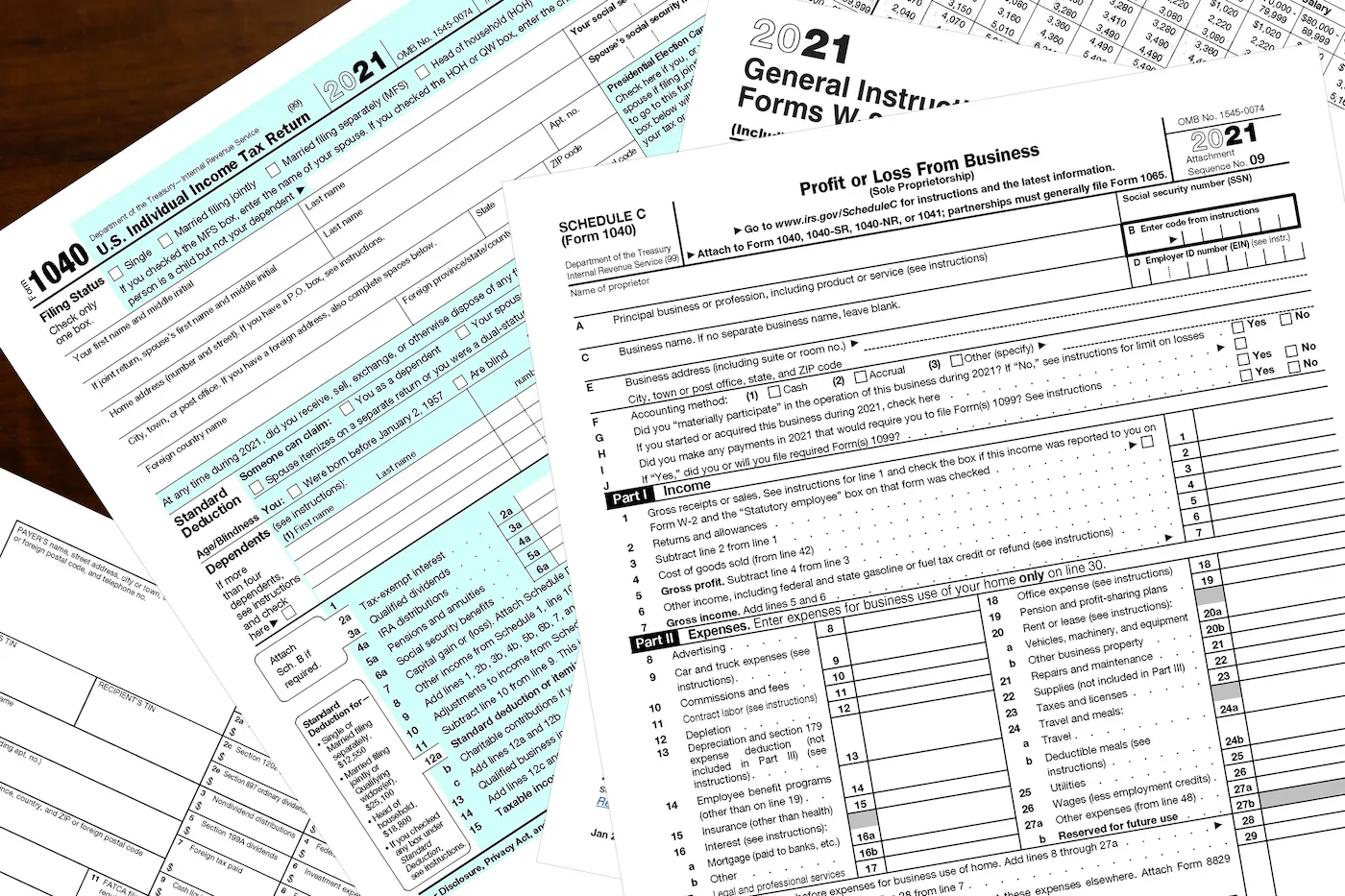
Submission of the tax return does not conclude the lifecycle of the tax file. A critical stage is the retention of records. Tax authorities mandate that taxpayers keep their supporting documents for a specified period, typically three to seven years, or even longer in certain circumstances (e.g., records related to property basis or retirement accounts). This retention period is primarily to allow the tax authority sufficient time to audit a return. Should an audit occur, the taxpayer must be able to produce the original documentation to substantiate every item reported on the return. Failure to provide adequate records can result in disallowance of claimed deductions or income adjustments, leading to additional taxes, interest, and penalties. Therefore, proper archiving, whether digital or physical, in a secure and accessible manner, is an indispensable part of tax file management.
Post-Submission Considerations
Even after a return is filed and the retention period begins, there can be post-submission considerations.
- Amended Returns: If an error is discovered on a previously filed return, or if new information comes to light, an amended return (e.g., Form 1040-X in the U.S.) must be filed to correct the original filing. The tax file will be updated with the documentation supporting the amendment.
- Audit Responses: If the tax authority initiates an audit, the taxpayer will need to retrieve the relevant tax file to provide the requested documentation and explanations. This process can range from a simple correspondence audit to a more in-depth field audit, requiring significant engagement with the tax file.
- Financial Planning: Beyond compliance, the submitted tax file provides valuable historical data for future financial planning. Analyzing past tax returns and the underlying data can help identify trends, assess the impact of financial decisions, and inform strategies for tax optimization in upcoming years. It serves as a historical benchmark for financial performance and tax efficiency.
Strategies for Effective Tax File Management
Effective tax file management is an ongoing discipline that requires systematic approaches, leveraging technology, and knowing when to seek professional guidance. Proactive management minimizes stress, reduces errors, and can lead to significant financial advantages.
Digital vs. Physical Archiving
The choice between digital and physical archiving, or a hybrid approach, is a fundamental decision in tax file management.
- Physical Archiving: Involves storing paper documents in file cabinets, binders, or secure boxes. Its advantages include tangible access and no reliance on technology for retrieval. However, it requires physical space, is susceptible to damage from fire or water, and can be cumbersome to search. For physical records, a consistent, chronological, and categorized filing system is paramount.
- Digital Archiving: Involves scanning all documents and storing them electronically. Advantages include reduced physical space, easier searching and retrieval, and the ability to back up data for disaster recovery. Digital files can be stored on cloud services (e.g., Google Drive, Dropbox, OneDrive), external hard drives, or dedicated document management systems. Key considerations include using high-resolution scans for readability, employing strong encryption for sensitive data, and maintaining regular backups. Many tax authorities accept digital copies of records, provided they are legible and accurately reflect the original information. A hybrid approach often works best, keeping critical original documents physically while digitizing everything else.
Leveraging Financial Tools
Modern financial tools offer powerful capabilities for streamlining tax file management.
- Accounting Software: For businesses, platforms like QuickBooks, Xero, or Sage automate the tracking of income and expenses, generate financial reports, and often integrate directly with tax preparation software. This reduces manual data entry and ensures consistency.
- Budgeting Apps: Personal finance apps (e.g., Mint, YNAB) can help individuals categorize spending, track income, and often link to bank accounts, providing a consolidated view of financial transactions that can be sorted for tax-related items.
- Document Management Systems: Specialized software or cloud services designed for secure document storage and organization can tag, search, and manage a vast array of financial records, making retrieval for tax purposes effortless. Some even offer OCR (Optical Character Recognition) to make scanned documents fully searchable.
- Tax Preparation Software: Products like TurboTax or H&R Block offer features that allow users to import financial data directly from banks or investment accounts, further simplifying the data collection aspect of tax file management.
By integrating these tools, individuals and businesses can create a more efficient, accurate, and less stressful system for managing their tax file.
The Role of Professional Advisors
While self-management of a tax file is feasible for many, there are clear benefits to engaging professional advisors, especially as financial situations grow more complex.
- CPAs (Certified Public Accountants) and Enrolled Agents (EAs): These professionals are experts in tax law and can provide invaluable assistance with tax preparation, ensure compliance, identify eligible deductions and credits, and represent taxpayers during audits. They can also offer advice on complex financial transactions (e.g., real estate sales, business acquisitions, stock options) and help structure finances in a tax-efficient manner.
- Financial Planners: While primarily focused on broader financial goals, many financial planners have expertise in tax planning and can help integrate tax strategies into an overall financial plan, ensuring that investment and retirement decisions are made with tax implications in mind.
- Bookkeepers: For businesses, a bookkeeper maintains daily financial records, which directly feeds into the tax file, ensuring that the foundational data is accurate and organized from the outset.
Establishing an ongoing relationship with a qualified tax professional allows for proactive planning throughout the year, rather than just at tax time. They can help interpret changing tax laws, provide tailored advice, and ensure that your tax file always reflects the most advantageous and compliant financial position.
Annual Review and Proactive Planning
An often-overlooked strategy is the annual review of the tax file not just for compliance, but for proactive financial planning. After each tax season, take time to:
- Review the completed tax return: Understand the numbers, what deductions were taken, what income sources were prominent, and where the tax burden originated.
- Assess the effectiveness of current strategies: Did anything unexpected happen? Are there opportunities missed?
- Identify areas for improvement: Based on the review, plan changes for the upcoming year. This could involve adjusting withholding, optimizing investment strategies for tax efficiency, making additional charitable contributions, or contributing more to tax-advantaged retirement accounts.
- Update record-keeping practices: Reflect on what worked well and what challenges were faced during the past tax season to refine your organization and collection methods.
Using the tax file as a historical and forward-looking tool empowers individuals and businesses to make informed decisions that optimize their financial outcomes, rather than simply reacting to tax obligations.
Navigating Risks: Incomplete or Inaccurate Files
The integrity of a tax file is paramount. An incomplete or inaccurate tax file poses significant risks, ranging from financial penalties to severe legal repercussions and profound impacts on one’s financial well-being. Diligence in maintaining accurate records is not just a matter of compliance but a critical safeguard against these potential pitfalls.
Penalties and Fines
One of the most immediate and common consequences of an incomplete or inaccurate tax file is the imposition of penalties and fines by tax authorities. These can arise from various issues:
- Underpayment Penalties: If an inaccurate file leads to reporting less taxable income or claiming excessive deductions, resulting in a lower tax liability than owed, the taxpayer may face penalties for underpayment.
- Late Filing Penalties: While not directly tied to accuracy, an unorganized or incomplete file can delay the preparation and submission of a return, leading to penalties for filing past the deadline.
- Accuracy-Related Penalties: Tax authorities can impose penalties if a substantial understatement of income tax is due to negligence or disregard of rules and regulations. This can be a percentage of the underpaid tax, significantly increasing the total amount owed.
- Failure to Keep Records Penalties: In some jurisdictions, simply failing to maintain adequate records can result in a penalty, even if an audit doesn’t uncover specific underpayments.
These penalties are designed to deter non-compliance and can quickly escalate the financial burden beyond the original tax liability, making a seemingly small oversight potentially very costly.
Audit Triggers and Consequences
An incomplete or inaccurate tax file is a primary trigger for an audit. Tax authorities often use sophisticated algorithms and data matching techniques to identify discrepancies between reported income and third-party information (e.g., W-2s, 1099s). Large or unusual deductions, significant variations from previous years’ filings, or a history of errors can also flag a return for review.
The consequences of an audit can be severe:
- Disallowance of Deductions/Credits: Without proper documentation, claimed deductions or credits will be disallowed, leading to an increase in taxable income and a higher tax bill.
- Additional Taxes, Interest, and Penalties: If an audit reveals underpayment, the taxpayer will owe the original tax difference, plus accrued interest and applicable penalties.
- Increased Scrutiny: Once a taxpayer has been audited and issues found, they may be subject to closer scrutiny in future years.
- Criminal Charges: In cases of deliberate misrepresentation, fraud, or significant tax evasion, the consequences can escalate to criminal investigations, substantial fines, and even imprisonment. The burden of proof in an audit lies with the taxpayer, making a well-organized and accurate tax file indispensable.
Impact on Financial Well-being
Beyond direct financial penalties and legal troubles, an inadequate tax file can profoundly impact an individual’s or business’s overall financial well-being.
- Increased Stress and Anxiety: Dealing with an audit or resolving discrepancies can be an incredibly stressful and time-consuming process, diverting attention and resources from productive activities.
- Legal and Professional Fees: Engaging tax attorneys, CPAs, or other professionals to navigate an audit or dispute can incur significant costs, further eroding financial resources.
- Damaged Financial Reputation: For businesses, tax issues can damage their reputation with lenders, investors, and clients, potentially hindering growth and opportunities. For individuals, unresolved tax debt can affect credit scores and the ability to secure loans or mortgages.
- Missed Opportunities for Optimization: A poorly managed tax file means missing out on opportunities to strategically plan for tax savings, potentially leading to overpayment of taxes year after year.
The cumulative effect of these impacts can destabilize financial health and create long-term setbacks.

Ensuring Data Integrity and Security
Given the sensitive nature of information contained within a tax file, ensuring data integrity and security is paramount. This involves:
- Accuracy and Completeness: Double-checking all entries, cross-referencing documents, and ensuring no relevant information is omitted. Utilizing financial software and professional assistance can help minimize human error.
- Physical Security: Storing physical documents in a secure, fire-proof, and flood-proof location, with restricted access.
- Digital Security: Employing strong passwords, multi-factor authentication, and encryption for digital files. Regular backups to secure, off-site locations are crucial. Using reputable cloud storage providers with robust security measures is recommended. Avoiding public Wi-Fi for handling sensitive tax documents is also critical.
- Protection Against Identity Theft: Tax files contain Social Security Numbers, EINs, and other personal identifiers that are prime targets for identity thieves. Secure management practices are essential to prevent unauthorized access and potential fraudulent activity.
By rigorously focusing on the accuracy, completeness, and security of your tax file, you not only meet your legal obligations but also protect your financial future and peace of mind.
aViewFromTheCave is a participant in the Amazon Services LLC Associates Program, an affiliate advertising program designed to provide a means for sites to earn advertising fees by advertising and linking to Amazon.com. Amazon, the Amazon logo, AmazonSupply, and the AmazonSupply logo are trademarks of Amazon.com, Inc. or its affiliates. As an Amazon Associate we earn affiliate commissions from qualifying purchases.