
Understanding the “cost” of taxes involves more than just looking at the number on your paycheck stub or annual tax return. It encompasses a complex web of direct payments, indirect levies, and opportunity costs that significantly shape personal and business finances. Far from being a single, static figure, the true expense of taxation is a dynamic interplay of various tax types, individual financial decisions, and broader economic policies. For anyone navigating the world of personal finance, comprehending this multifaceted cost is fundamental to effective budgeting, investing, and long-term wealth building.
Deconstructing the Multifaceted Tax Burden
The financial landscape is dotted with numerous types of taxes, each contributing to the overall cost borne by individuals and businesses. Identifying and understanding these different components is the first step toward managing their impact.
Federal Income Tax: A Progressive System
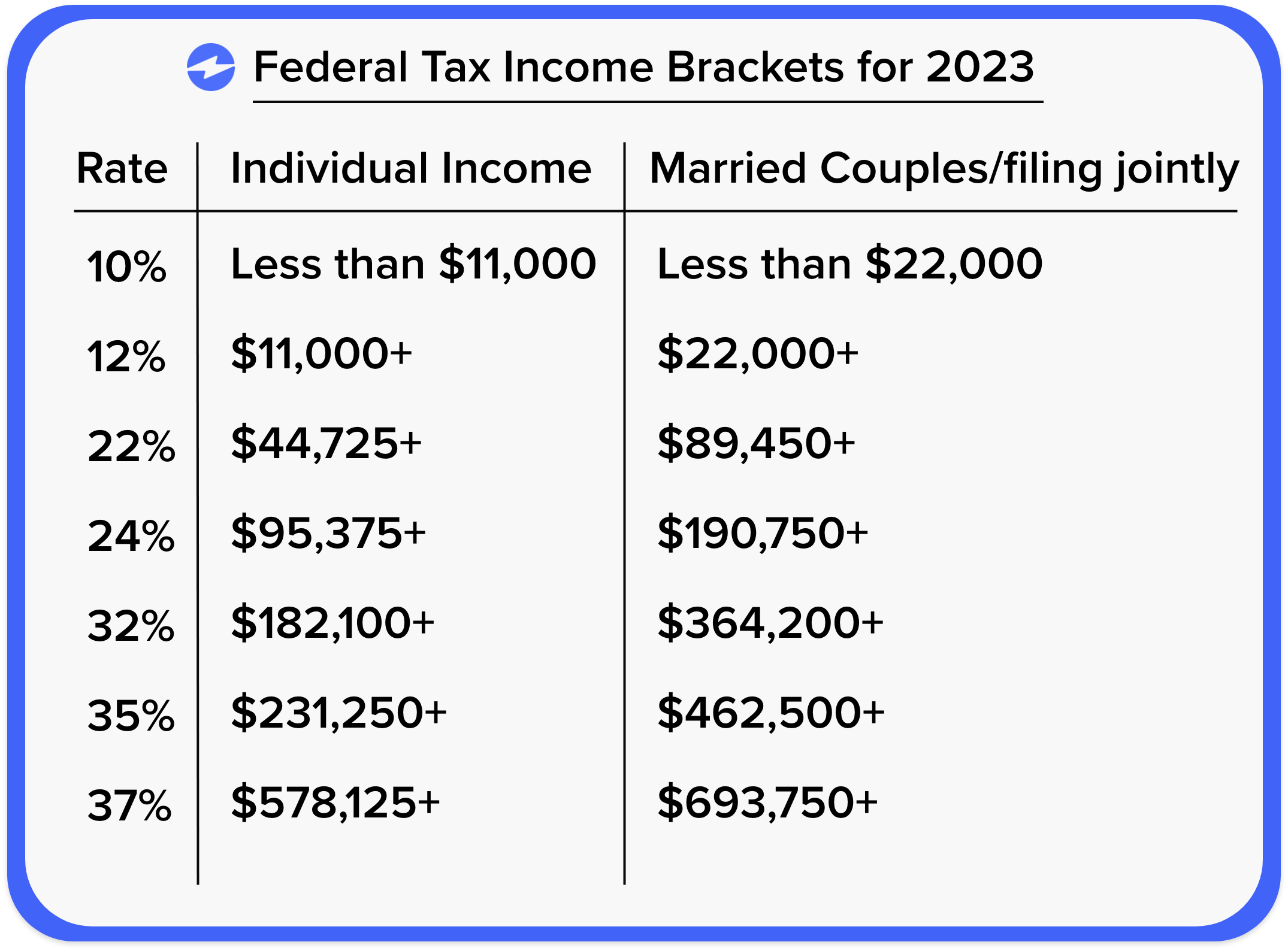
At the federal level, income tax is arguably the most significant direct cost for many. The U.S. employs a progressive tax system, meaning higher earners pay a larger percentage of their income in taxes. This is achieved through tax brackets, where different portions of your income are taxed at increasing marginal rates. It’s crucial to distinguish between your marginal tax rate (the rate on your last dollar earned) and your effective tax rate (the total tax paid divided by your total income).
Taxable income for federal purposes is calculated after accounting for deductions and exemptions. Standard deductions, which vary by filing status, reduce your taxable income without requiring you to itemize. Alternatively, you can itemize deductions if your eligible expenses—such as mortgage interest, state and local taxes (SALT) up to a cap, charitable contributions, and medical expenses exceeding a certain threshold—exceed the standard deduction. Furthermore, certain types of income, like qualified dividends and long-term capital gains, often receive preferential tax treatment at lower rates than ordinary income (wages, interest). Maximizing deductions and understanding how different income sources are taxed is a core strategy in managing federal income tax costs.
Payroll Taxes: Funding Social Security and Medicare
Payroll taxes, primarily known as FICA (Federal Insurance Contributions Act) taxes, fund Social Security and Medicare. For employees, these taxes are typically withheld directly from their paychecks. Social Security tax is 6.2% on wages up to an annual wage base limit, while Medicare tax is 1.45% on all earned income with no wage base limit. Employers match these contributions, effectively doubling the rate paid on an employee’s behalf.
For self-employed individuals, the cost is even more direct. They are responsible for paying the entire 15.3% (12.4% for Social Security up to the wage base limit, 2.9% for Medicare) as self-employment tax on their net earnings. However, they can deduct one-half of their self-employment taxes from their gross income when calculating their adjusted gross income. Additionally, high-income earners may face an additional Medicare tax of 0.9% on earnings above certain thresholds. These taxes directly fund critical social safety nets, tying your present contributions to future benefits.
State and Local Taxes: A Patchwork of Regulations
Beyond federal taxes, individuals and businesses contend with a variety of state and local taxes that vary dramatically by jurisdiction. State income taxes exist in most states, with rates that can be flat or progressive, while a handful of states have no state income tax at all. Some cities and counties also levy their own local income taxes.
Sales taxes are another common cost, applied to the purchase of goods and services. These rates comprise both state and local components and can differ significantly from one region to another, often exempting essential items like groceries in many areas. Property taxes, levied by local governments based on the assessed value of real estate, are a significant cost for homeowners. These taxes fund local services such as schools, police, fire departments, and infrastructure, directly influencing the cost of homeownership and business operations. Finally, excise taxes are often hidden in the price of specific goods like gasoline, tobacco, and alcohol, adding to the cost of these consumption items.
The Hidden and Opportunity Costs of Taxation
The financial impact of taxes extends far beyond the direct payments recorded on your tax forms. There are significant indirect and opportunity costs that subtly erode wealth and influence financial decisions.
Compliance and Administrative Burden
Calculating and paying taxes is rarely a straightforward task. The complexity of tax codes necessitates an investment of time, effort, and often money in compliance. Individuals might spend dozens of hours annually gathering documents, learning about tax laws, and preparing their returns. For those who opt for professional assistance, the cost of tax preparation software or hiring a certified public accountant (CPA) or enrolled agent can range from hundreds to thousands of dollars, depending on the complexity of the return.
Businesses face even greater administrative burdens, requiring dedicated staff or external services to manage payroll taxes, sales taxes, and various business-specific levies. Moreover, the fear of errors or audits can lead to additional stress and potentially costly penalties for incorrect or late filings. This administrative burden represents a tangible “cost” that diverts resources, both monetary and temporal, from other productive activities.
Impact on Disposable Income and Purchasing Power
Every dollar paid in taxes is a dollar that cannot be used for immediate consumption, savings, or investment. Taxes directly reduce your net income and, consequently, your disposable income. This reduction limits the funds available to spend on goods and services, save for future goals, or invest in wealth-building assets.
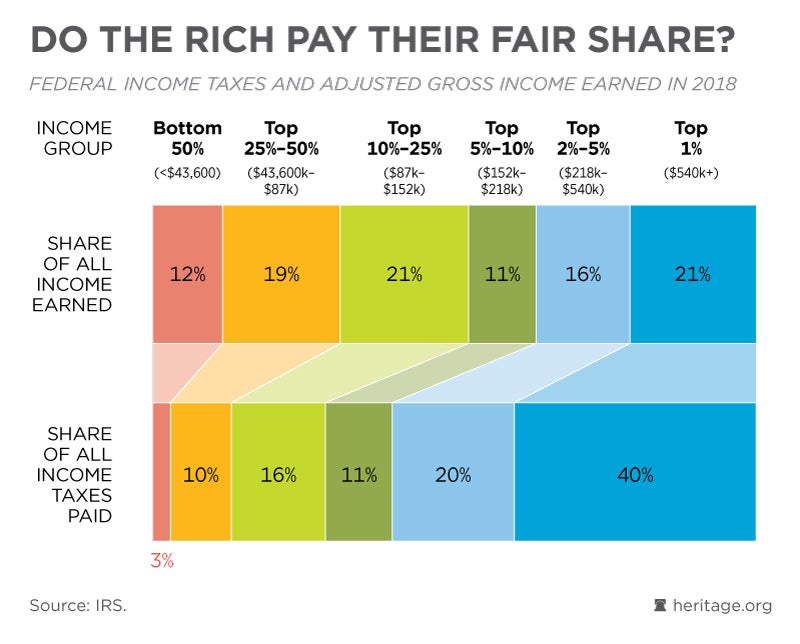
The compounding effect of taxes over time can be substantial. Less money saved today means less growth through compound interest over decades. Similarly, sales, property, and excise taxes continuously chip away at purchasing power, meaning that even after income taxes are paid, your ability to acquire goods and services is further diminished by these additional levies. This constant erosion of purchasing power is a hidden cost that influences economic behavior and overall financial well-being.
Opportunity Cost: The Road Not Taken
Perhaps the most profound, yet often overlooked, cost of taxation is opportunity cost. Every dollar remitted to tax authorities is a dollar that could have been otherwise utilized. This money could have been invested in a diversified portfolio, providing potential returns over the long term. It could have been used to start or expand a business, creating jobs and fostering economic growth. It could have funded a child’s education, contributed to a retirement nest egg, or been saved for a significant life purchase like a home.
These forgone opportunities represent a significant long-term “cost” to an individual’s or business’s financial trajectory. The decisions surrounding career choices, business location, and investment strategies are often heavily influenced by tax implications, as individuals and entities seek to minimize their tax burden to maximize their financial potential. Understanding opportunity cost highlights the strategic importance of tax planning in achieving long-term financial goals.
Proactive Tax Planning: Minimizing Your Financial Outflow
While taxes are an unavoidable aspect of modern life, proactive and intelligent tax planning allows individuals and businesses to legally minimize their tax burden, thereby retaining more of their hard-earned money.
Strategic Use of Deductions and Credits
A cornerstone of effective tax planning involves maximizing eligible deductions and credits. Deductions, such as contributions to a Health Savings Account (HSA), traditional IRA contributions, or student loan interest, reduce your taxable income, thereby lowering the amount of tax you owe. Tax credits, on the other hand, are even more powerful as they directly reduce your tax liability dollar-for-dollar. Examples include the Child Tax Credit, the Earned Income Tax Credit, and various education credits like the American Opportunity Tax Credit. Meticulous record-keeping throughout the year for all eligible expenses and contributions is paramount to accurately claim these benefits.
Leveraging Tax-Advantaged Investment Accounts
Utilizing tax-advantaged investment accounts is a highly effective strategy for long-term tax savings. Employer-sponsored plans like 401(k)s, 403(b)s, and 457(b)s allow pre-tax contributions, which reduce your current taxable income, and offer tax-deferred growth until retirement. Individual Retirement Accounts (IRAs) offer similar benefits, with Traditional IRAs providing a deduction for contributions (for many) and Roth IRAs offering tax-free growth and withdrawals in retirement for after-tax contributions. HSAs stand out for their triple-tax advantage: tax-deductible contributions, tax-free growth, and tax-free withdrawals for qualified medical expenses. For education savings, 529 plans offer tax-free growth and withdrawals for qualified educational expenses.
Capital Gains Tax Management
For investors, understanding capital gains tax is crucial. Short-term capital gains (from assets held for one year or less) are taxed at your ordinary income tax rate, while long-term capital gains (from assets held for over a year) typically benefit from preferential, lower rates. Strategies like tax-loss harvesting, where investment losses are used to offset capital gains and potentially a limited amount of ordinary income, can significantly reduce your tax bill. Charitable contributions of appreciated stock held for more than a year can also provide a deduction for the fair market value of the stock without incurring capital gains tax.
Business Structure and Expense Optimization
Entrepreneurs and small business owners have unique opportunities for tax optimization. Choosing the correct business entity (e.g., sole proprietorship, LLC, S-Corp, C-Corp) can significantly impact tax obligations, from self-employment taxes to corporate income taxes. Furthermore, businesses can deduct a wide array of legitimate business expenses, including office supplies, travel, professional development, advertising, and employee benefits. Maintaining clear, separate financial records for business and personal finances is essential to ensure compliance and maximize deductions. Consulting with a tax professional specializing in small business taxation can unlock significant savings.
The Societal Value and Future of Taxation
While taxes represent a direct and indirect cost to individuals and businesses, they also serve as the fundamental financial mechanism for collective investment in society, driving economic stability and progress.
Taxes as an Investment in Public Infrastructure and Services
Tax revenue is the lifeblood of public services and infrastructure that underpin a functioning society and economy. These funds build and maintain roads, bridges, public transit systems, and utilities, facilitating commerce and daily life. They finance public education systems, which are critical for workforce development and social mobility, and support scientific research that drives innovation. Tax dollars also fund national defense, public safety (police, fire, emergency services), and vital social safety nets such as unemployment insurance, Medicare, Medicaid, and Social Security, providing crucial support during times of need. Viewing taxes as an investment highlights their role in creating a stable, secure, and prosperous environment for everyone.
Adapting to Evolving Tax Landscapes
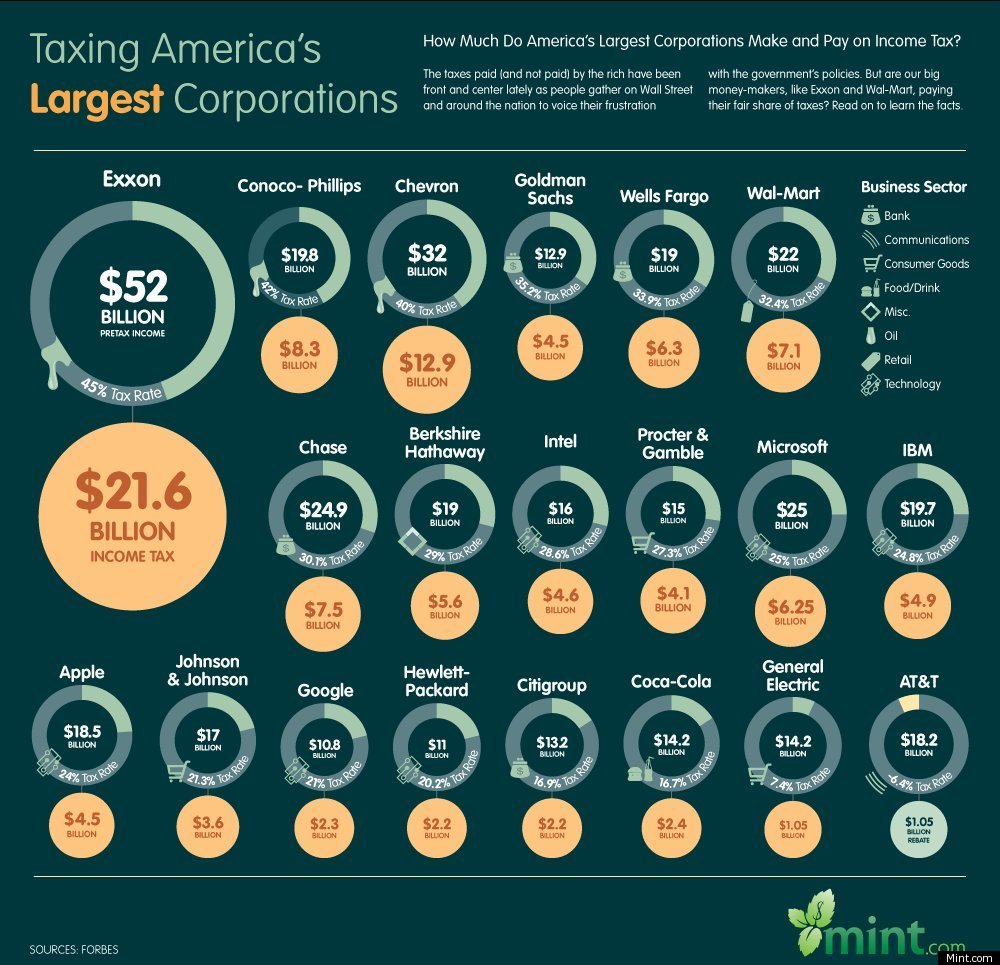
The “cost” of taxes is not static; it is constantly influenced by legislative changes, economic shifts, and technological advancements. Tax laws are regularly modified through acts of Congress, altering tax brackets, deductions, credits, and introducing new levies or incentives. Economic conditions, such as inflation or recession, can also prompt policy adjustments affecting tax rates or thresholds. Furthermore, the rise of the gig economy, cryptocurrency, and digital services presents new challenges and opportunities for taxation, leading to ongoing debates and potential reforms.
Given this dynamic environment, ongoing financial education and proactive planning are indispensable. Staying informed about current tax laws and future proposals, coupled with regular consultations with qualified financial advisors and tax professionals, is crucial for navigating these complexities. This ensures not only compliance but also the continual optimization of your financial outcomes, allowing you to effectively manage the evolving cost of taxes in your financial journey.
aViewFromTheCave is a participant in the Amazon Services LLC Associates Program, an affiliate advertising program designed to provide a means for sites to earn advertising fees by advertising and linking to Amazon.com. Amazon, the Amazon logo, AmazonSupply, and the AmazonSupply logo are trademarks of Amazon.com, Inc. or its affiliates. As an Amazon Associate we earn affiliate commissions from qualifying purchases.