
Navigating the complexities of income tax filing can seem daunting, but it’s an essential annual financial responsibility for most individuals and businesses. A clear understanding of the process, from preparation to submission, can demystify the task, ensure compliance, and potentially optimize your financial outcomes. This guide delves into the methodical steps and critical considerations for accurately filing your income tax, focusing on sound personal finance principles.
Understanding Your Tax Obligations and Preparations
Before you even think about forms or software, a foundational understanding of your tax responsibilities is paramount. This initial phase sets the stage for a smooth and accurate filing experience.

Who Needs to File and Why?
The obligation to file an income tax return in the United States typically depends on your gross income, filing status, and age. For instance, if your gross income exceeds a certain threshold, which varies annually, you are generally required to file. However, even if you are not legally obligated, filing can be beneficial. Many individuals, especially those with lower incomes, may qualify for refundable tax credits like the Earned Income Tax Credit (EITC) or the Child Tax Credit, which can result in a refund even if no tax was withheld or owed. Self-employed individuals are almost always required to file, regardless of their income, if their net earnings from self-employment exceed a small threshold, as they are responsible for both income and self-employment taxes (Social Security and Medicare).
Key Deadlines and Penalties
The most widely known deadline for filing individual income tax returns in the U.S. is April 15th for the preceding tax year. If this date falls on a weekend or holiday, the deadline shifts to the next business day. It’s crucial to distinguish between filing and payment deadlines. If you cannot file by the deadline, you can typically request an extension (Form 4866) to October 15th. This extension grants you more time to file your return, but it does not extend the time to pay any taxes you owe. Failure to pay on time can result in penalties and interest charges. Penalties for failure to file and failure to pay can accrue quickly, significantly increasing your overall tax burden. Therefore, understanding your potential liability and making estimated payments or filing an extension promptly is critical.
Decoding Income, Deductions, and Credits
The core of tax filing revolves around these three pillars, each playing a distinct role in determining your final tax liability.
- Income: This is the starting point. It includes all earnings from wages, salaries, tips (reported on Form W-2), self-employment (often reported on Form 1099-NEC), interest (1099-INT), dividends (1099-DIV), capital gains from investments (1099-B), rental income, retirement distributions (1099-R), and more. Your gross income is the total of all these taxable sources. From this, certain adjustments are made to arrive at your Adjusted Gross Income (AGI), which is a crucial figure used to determine eligibility for many deductions and credits.
- Deductions: Deductions reduce your taxable income. You have a choice between taking the standard deduction (a fixed amount based on your filing status, adjusted for inflation annually) or itemizing your deductions. Itemized deductions involve listing specific expenses, such as state and local taxes, mortgage interest, medical expenses exceeding a certain percentage of AGI, and charitable contributions. You should choose whichever option results in a lower taxable income. Common “above-the-line” deductions (reducing AGI) include contributions to traditional IRAs, student loan interest, and health savings account (HSA) contributions.
- Credits: Unlike deductions, which reduce your taxable income, tax credits directly reduce your tax liability dollar-for-dollar. Some credits are non-refundable, meaning they can reduce your tax liability to zero but won’t result in a refund if the credit amount exceeds your tax owed. Others are refundable, meaning they can result in a refund even if you had no tax liability. Examples include the Child Tax Credit, Earned Income Tax Credit, education credits (like the American Opportunity Tax Credit), and credits for clean energy initiatives. Maximize applicable credits, as they provide the most direct tax savings.
Gathering Your Essential Documents
The accuracy of your tax return hinges on having all pertinent financial records organized and at your fingertips. Starting this process early can save considerable stress.
Income Verification Documents
These forms are critical as they officially report your earnings to both you and the IRS.
- Form W-2: Received from your employer, detailing wages, tips, and other compensation, along with taxes withheld.
- Form 1099 Series: These report various types of non-employee income. Examples include Form 1099-NEC (Nonemployee Compensation) for independent contractors, 1099-INT for interest income, 1099-DIV for dividend income, 1099-B for proceeds from broker and barter exchange transactions (e.g., stock sales), 1099-R for retirement plan distributions, and 1099-G for government payments like unemployment compensation.
- Schedule K-1: Received if you are a partner in a partnership, a shareholder in an S corporation, or a beneficiary of an estate or trust.
- Other income statements include records of gambling winnings, Social Security benefits, or royalties.
Deduction and Credit Support
To substantiate any deductions or credits you claim, you’ll need supporting documentation.
- Receipts for medical expenses, charitable contributions, and business expenses (if self-employed).
- Form 1098 for mortgage interest paid.
- Form 1098-E for student loan interest paid.
- Childcare expense records, including the provider’s Employer Identification Number (EIN) or Social Security Number (SSN).
- Form 1098-T for tuition and related educational expenses.
- Records of contributions to IRAs, HSAs, or other retirement/health savings plans.
Prior Year’s Information
Your previous year’s tax return is invaluable. It contains personal information, AGI, and details about carryovers (e.g., capital losses, net operating losses) that might affect your current year’s return. It also helps in verifying your identity if you’re filing electronically. Records of any estimated tax payments made throughout the year (e.g., Form 1040-ES vouchers) are also essential to ensure you get credit for what you’ve already paid.
Choosing Your Filing Path
With your documents in hand, the next step is to decide how you will prepare and submit your return. Each method offers distinct advantages and disadvantages.
DIY Tax Software and Online Platforms
For many, especially those with straightforward tax situations, using online tax software is a popular and cost-effective choice. Platforms like TurboTax, H&R Block, and TaxAct guide you through the process with prompts and explanations, perform calculations, and check for common errors.
- Pros: Generally less expensive than professional help, convenient (can be done from home), user-friendly interfaces, often includes error checks and audit risk assessments. Many offer free versions for simple returns.
- Cons: Requires you to understand your financial situation and input data accurately; complex tax situations may be challenging to navigate without expert guidance.
- IRS Free File Program: If your Adjusted Gross Income (AGI) falls below a certain threshold (which changes annually), you may qualify to use the IRS Free File program, which partners with commercial tax software providers to offer free federal (and sometimes state) filing.
Professional Tax Preparers
For those with complex financial situations (e.g., business ownership, extensive investments, foreign income, multiple properties), or simply a desire for peace of mind, engaging a professional tax preparer is often the best choice.
- Pros: Expertise in complex tax laws, time-saving, potential for identifying obscure deductions or credits, audit support, and error reduction.
- Cons: Can be significantly more expensive than DIY options. Requires careful selection of a reputable and qualified professional (e.g., Certified Public Accountant (CPA) or Enrolled Agent (EA)).
- Considerations: Look for professionals with relevant experience for your specific needs, transparent fee structures, and strong references.
The Old-Fashioned Way: Paper Filing
While still an option, mailing a paper return is increasingly rare and generally discouraged due to its slower processing time and higher potential for errors.
- Pros: Offers a tangible record of submission (if sent via certified mail).
- Cons: Slow processing, requires manual calculations, no automated error checks, higher risk of lost mail, and delayed refunds.
- Recommendation: E-filing is almost always recommended for its speed, accuracy, and confirmation of receipt.
Step-by-Step Through the Filing Process
Regardless of the method you choose, the underlying steps to calculate and file your income tax remain consistent.
Calculating Gross Income and AGI
Start by summing all your taxable income from W-2s, 1099s, and other sources. Then, subtract any “above-the-line” deductions (e.g., traditional IRA contributions, student loan interest) to arrive at your Adjusted Gross Income (AGI). Your AGI is a critical number, influencing eligibility for various tax benefits.
Determining Taxable Income
Next, you’ll choose between the standard deduction or itemized deductions. Subtract the greater of these from your AGI to arrive at your taxable income. This is the amount of income on which your tax liability will be calculated.
Computing Your Tax Liability
With your taxable income determined, you’ll use the appropriate tax brackets (based on your filing status) to calculate your base tax. From this base tax, you will then subtract any applicable tax credits. Remember, credits directly reduce your tax bill, offering significant savings.
Review, Submit, and Finalize
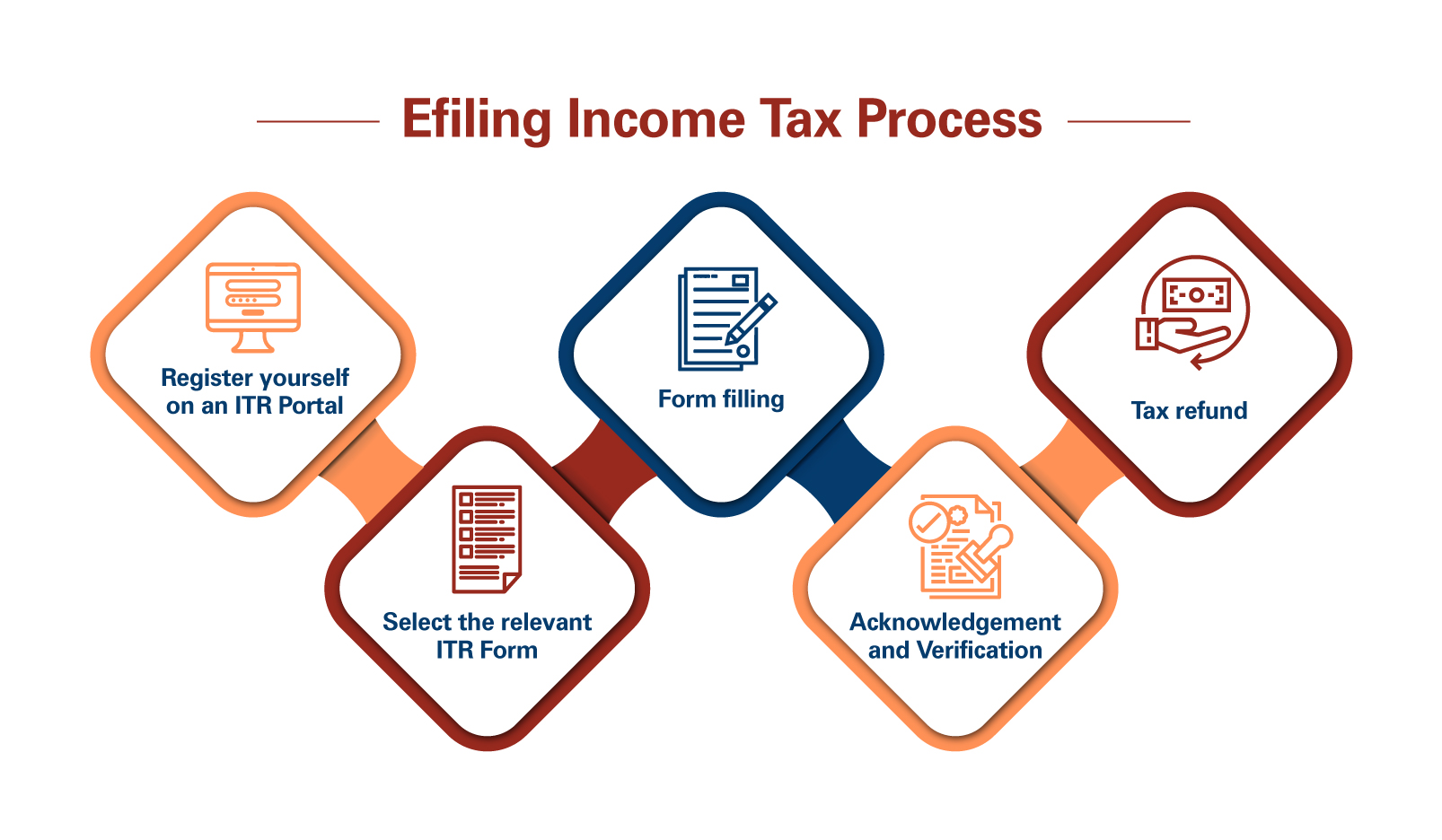
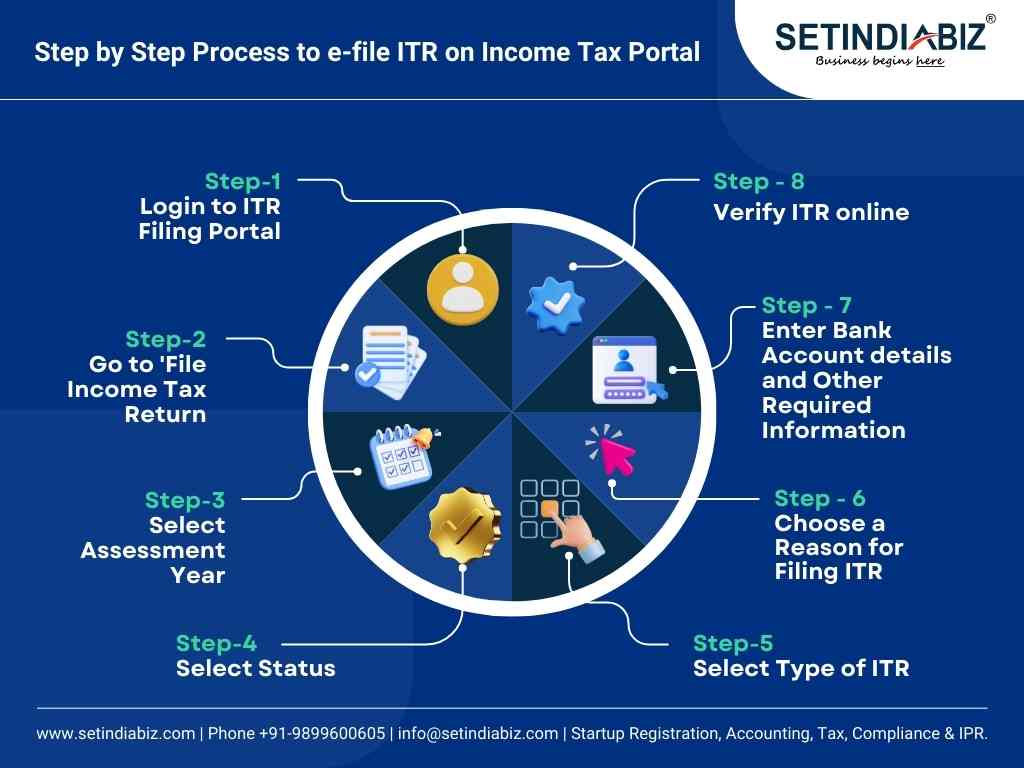
Thoroughly review your entire return. Double-check all numbers, personal information, and bank account details for direct deposit. Errors, even minor ones, can lead to processing delays or notices from the IRS.
- Electronic Filing (e-file): This is the most common and recommended method. It’s faster, more secure, and provides immediate confirmation of acceptance. Most tax software facilitates e-filing directly.
- Mail: If you must file on paper, ensure you sign and date your return and include all required forms and schedules. Send it to the correct IRS address, ideally via certified mail with a return receipt for proof of mailing.
Payment or Refund: What to Expect
- If you owe taxes: You can typically pay electronically (direct debit from your bank account, credit/debit card) when you e-file, or mail a check or money order. If you can’t pay the full amount, explore IRS payment options like short-term payment plans or an offer in compromise.
- If you’re due a refund: E-filing with direct deposit is the fastest way to receive your money, often within 2-3 weeks. A paper check will take longer.
Post-Filing Best Practices and Future Planning
Your financial responsibility doesn’t end once your return is submitted. Prudent record-keeping and strategic planning are crucial for future tax seasons.
Maintaining Impeccable Records
Always keep a copy of your filed tax return, along with all supporting documentation (W-2s, 1099s, receipts, mileage logs, etc.). The general recommendation is to retain these records for at least three years from the date you filed your original return or two years from the date you paid the tax, whichever is later. However, some records, especially those related to property basis or retirement contributions, should be kept indefinitely. Organize your documents digitally or physically for easy retrieval.
What to Do If Audited or Notice Received
Receiving a notice from the IRS can be unsettling, but it’s not necessarily an audit. Many notices are simply requests for clarification or corrections to minor errors.
- Don’t panic: Read the notice carefully to understand the issue.
- Respond promptly: Adhere to the deadlines specified in the notice.
- Organize requested documents: Gather all pertinent information before responding.
- Seek professional help: If the notice indicates an audit or involves complex issues, consult with a tax professional (CPA or EA) who can represent you and guide you through the process.
Planning for Next Year: Tax Strategies
Proactive tax planning throughout the year can yield significant benefits.
- Adjust W-4 withholdings: Review your Form W-4 with your employer to ensure the correct amount of tax is withheld from your paycheck. This can help you avoid a large tax bill or an excessive refund, effectively optimizing your cash flow.
- Maximize retirement contributions: Contribute to tax-advantaged accounts like 401(k)s, IRAs, or HSAs. These contributions can reduce your current taxable income and build long-term wealth.
- Track expenses: Maintain diligent records of potential deductions and credits throughout the year, rather than scrambling at tax time.
- Consult a financial advisor: For complex financial situations or long-term financial goals, a financial advisor can provide personalized tax planning strategies to help you minimize your tax liability and achieve your objectives.
By approaching income tax filing with preparation, understanding, and a systematic process, you can transform a seemingly complex annual obligation into a manageable and even empowering financial exercise.
aViewFromTheCave is a participant in the Amazon Services LLC Associates Program, an affiliate advertising program designed to provide a means for sites to earn advertising fees by advertising and linking to Amazon.com. Amazon, the Amazon logo, AmazonSupply, and the AmazonSupply logo are trademarks of Amazon.com, Inc. or its affiliates. As an Amazon Associate we earn affiliate commissions from qualifying purchases.