
The concept of “no tax on tips” has periodically surfaced in economic and political discourse, igniting debates and sparking hope among millions of service industry professionals. For anyone whose livelihood significantly depends on gratuities, the prospect of retaining 100% of their tips without federal or state income tax deductions is not just appealing—it’s potentially transformative. However, navigating the reality versus the rhetoric requires a clear understanding of what such a proposal entails, its current standing, and the complex journey it would need to undertake to become law. This article delves into the “when” of tax-free tips, exploring the legislative landscape, economic implications, and the profound financial shifts it could represent for individuals and the broader economy.
The Genesis of the “No Tax on Tips” Discussion and Current Realities
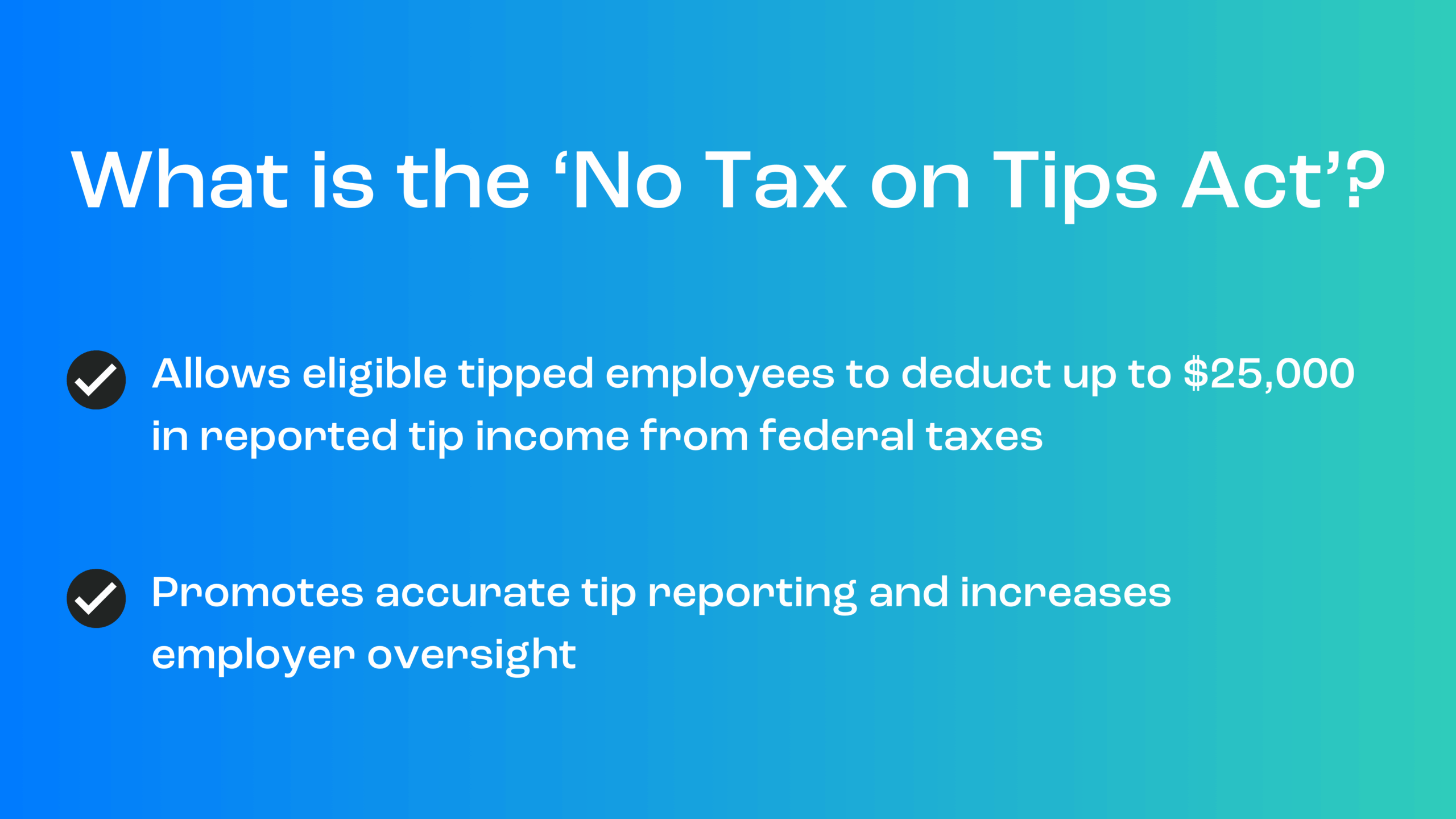
The idea of making tips tax-exempt is not new, but it gained significant traction and public attention during recent political campaigns. Advocates argue that tips are a direct appreciation from a customer to a service provider, distinct from a wage paid by an employer, and should therefore be treated differently under tax law. This viewpoint challenges the long-standing principle of tax fairness and revenue collection, positioning tips as a unique form of income that merits special consideration.
The Argument for Tax-Exempt Tips
Proponents often highlight the financial precarity many service workers face, particularly those in hospitality, food service, and personal care. Tips, while often a significant portion of their income, can fluctuate wildly, making budgeting and financial planning challenging. Deducting taxes from this variable income, they argue, further complicates matters, leaving workers with less discretionary income and reducing their ability to save or invest. A tax-exempt status for tips, it’s suggested, would directly boost the take-home pay of these workers, improving their economic stability and quality of life without directly burdening employers or raising prices. It’s viewed as a direct financial stimulus to a specific, often lower-income, segment of the workforce.
Current Landscape of Tip Taxation in the United States
To understand “when” a no-tax policy might begin, it’s crucial to grasp the “how” tips are currently taxed. In the United States, tips are generally considered taxable income by the Internal Revenue Service (IRS). This means they are subject to federal income tax, Social Security tax, and Medicare tax (FICA taxes), and potentially state and local income taxes depending on the jurisdiction.
- Reporting Requirements for Employees: Employees are typically required to report all cash tips to their employer, usually on a monthly basis, if the amount exceeds a certain threshold (currently $20 per month with any one employer). Non-cash tips (e.g., tickets, passes) are also taxable but not reported to the employer.
- Employer Responsibilities: Employers are responsible for withholding income tax, Social Security tax, and Medicare tax from wages and reported tips. They must also pay their share of Social Security and Medicare taxes on their employees’ reported tips.
- Automatic Gratuities: Some establishments add an automatic gratuity or service charge to bills, particularly for large parties. The IRS differentiates these from voluntary tips, classifying them as non-tip wages, which are subject to regular payroll withholding rules.
This intricate system ensures that tips contribute to the federal and state tax base, funding public services and social safety nets. Any move towards tax-exempt tips would require a significant overhaul of this established system, with far-reaching implications for government revenue.
Decoding the Proposal: What “No Tax on Tips” Actually Entails
When politicians or advocates speak of “no tax on tips,” the devil is often in the details. There isn’t a single, universally agreed-upon model for implementing such a policy. Instead, various interpretations and potential legislative frameworks exist, each with different mechanisms and potential impacts. Understanding these nuances is key to gauging the feasibility and timeline of such a change.
Different Interpretations and Models for Tax-Exempt Tips
The proposals for “no tax on tips” typically fall into a few categories:
- Complete Exemption from All Taxes: This is the most straightforward and radical approach, where tips would be entirely exempt from federal income tax, FICA taxes (Social Security and Medicare), and potentially state and local taxes. This model offers the maximum benefit to tip earners but also presents the largest challenge in terms of revenue loss for governments.
- Exemption from Federal Income Tax Only: A more moderate approach would see tips exempted solely from federal income tax, leaving them subject to FICA taxes and state/local taxes. This provides a substantial boost to take-home pay while still ensuring workers contribute to Social Security and Medicare benefits, and without completely dismantling state revenue streams dependent on income tax.
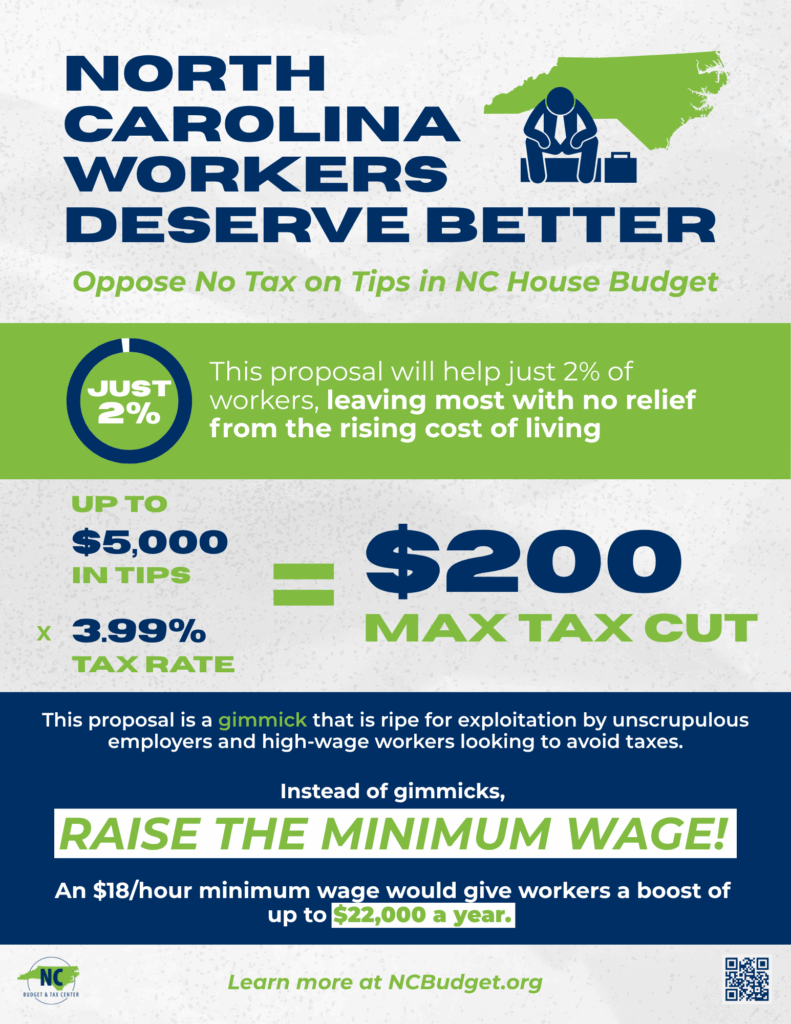
- Exemption Up to a Certain Threshold: Another model could exempt tips up to a specific annual dollar amount, similar to how capital gains or certain retirement contributions are treated. For example, the first $X of tips earned per year could be tax-free, with anything above that amount being subject to regular taxation. This approach aims to primarily benefit lower and middle-income tip earners, while high earners would still contribute their share.
- Employer-Based Tax Credits: Instead of directly making tips tax-free for employees, an alternative could involve offering employers tax credits for the FICA taxes they pay on employee tips. This wouldn’t directly make tips tax-free for employees but could incentivize businesses to report tips more accurately or to pass on savings in other ways.
Each of these models has different administrative complexities and economic consequences. The legislative push would involve intense debate over which model, if any, is most equitable, feasible, and sustainable.
The Legislative Journey: From Proposal to Potential Law
For “no tax on tips” to start, it would need to navigate a rigorous legislative journey, which is inherently time-consuming and politically charged.
- Introduction of Legislation: A Member of Congress (in the U.S. context) would need to introduce a bill proposing the tax exemption. This bill would then be assigned to relevant committees (e.g., the House Ways and Means Committee, Senate Finance Committee).
- Committee Review and Markup: Committees would hold hearings, gather expert testimony, and potentially amend (markup) the bill. This stage often involves significant lobbying from various interest groups, including worker advocacy groups, industry associations, and fiscal responsibility organizations.
- Floor Debate and Vote: If approved by the committee, the bill would proceed to a vote in the full chamber (House or Senate). If it passes one chamber, it moves to the other.
- Reconciliation and Presidential Assent: If both chambers pass different versions of the bill, a conference committee would work to reconcile the differences. Once a final bill passes both chambers, it goes to the President for signature or veto.
This process can take months, even years, and many bills fail to become law. The political will, the economic climate, and the perceived fiscal responsibility of such a move would all play significant roles in its success. Given the substantial revenue implications, any such bill would face intense scrutiny and likely opposition from those concerned about its impact on the national debt and public services.
Economic and Personal Financial Implications of Tax-Exempt Tips
The prospect of tax-free tips carries significant economic and personal financial implications, touching various stakeholders from individual workers to the national treasury.
Benefits for Service Workers and Their Spending Power
For the estimated 4.3 million tipped workers in the U.S., a tax exemption on tips would be a direct and substantial pay raise. Their take-home pay would increase, leading to:
- Enhanced Disposable Income: Workers would have more money to spend, save, or invest, potentially stimulating local economies.
- Improved Financial Stability: The increased income could help workers build emergency savings, pay down debt, or afford better housing and healthcare.
- Reduced Administrative Burden: While employees would still need to track tips for reporting to employers (for tax-exempt purposes), the complexities of tax calculations and withholdings for tips would be simplified for them.
This financial boost could have a profound effect on the economic well-being of a significant portion of the working class, potentially reducing reliance on social assistance programs and fostering greater economic mobility.
Impact on Businesses and Compliance
While the direct benefit is to employees, businesses would also experience shifts:
- Simplified Payroll for Tips: Employers would no longer need to withhold and remit federal income and FICA taxes on tips, streamlining their payroll processes to some extent.
- Potential Employer FICA Tax Savings: If the exemption extends to the employer’s share of FICA taxes on tips, businesses could see a reduction in their overall payroll tax burden, freeing up capital for investment, expansion, or higher base wages.
- Reporting Adjustments: Employers would still likely need to track tips for other purposes (e.g., minimum wage compliance, ensuring fair distribution of pooled tips), but the nature of reporting to tax authorities would change.
However, businesses might also face initial costs associated with updating payroll systems and training staff on new reporting procedures. There could also be debates about whether employer tax savings on FICA would be passed on to employees or retained by the business.
Broader Economic Ripple Effects and Government Revenue Concerns
The most significant economic hurdle for a “no tax on tips” policy is its impact on government revenue. Taxes on tips contribute billions of dollars annually to federal coffers.
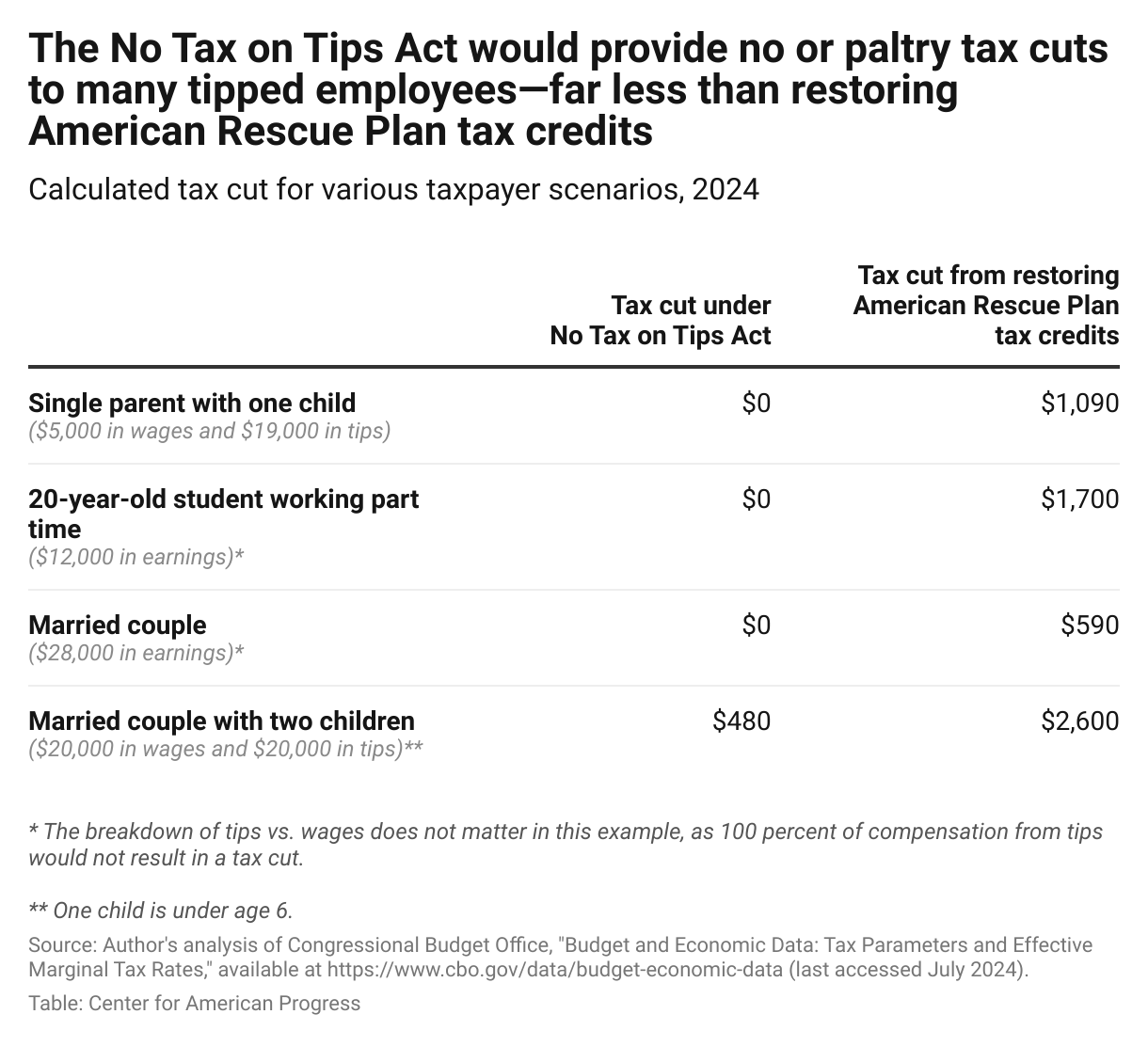
- Revenue Loss: Exempting tips from taxation would result in a substantial reduction in federal income tax and FICA tax revenue. This loss would either need to be offset by cuts to government spending, increases in other taxes, or an expansion of the national deficit.
- Funding Social Security and Medicare: FICA taxes directly fund Social Security and Medicare. A significant reduction in these contributions could further strain these vital programs, which are already facing long-term solvency challenges.
- Fairness and Equity: Critics often argue that exempting one form of income creates an uneven playing field, potentially penalizing those whose income is solely from traditional wages. It could also incentivize a shift towards tip-based compensation in industries where it’s not currently prevalent.
The overall economic impact would depend heavily on the specific model chosen, the magnitude of the revenue loss, and how that loss is managed.
Challenges, Criticisms, and the Path Forward
The journey towards tax-exempt tips is fraught with challenges, both political and economic. The proposal faces significant criticism and would necessitate careful navigation of complex policy considerations.
Revenue Loss and Government Funding Concerns
As highlighted, the primary concern revolves around revenue. The federal government relies on a broad tax base to fund essential services, national defense, infrastructure, and social programs. A multi-billion dollar hit from exempting tips would require difficult choices. Policymakers would need to address how to either replace that lost revenue or absorb the impact without jeopardizing critical functions. This often leads to debates about tax reform, budget priorities, and the overall fiscal health of the nation.
Fairness and Equity Across Industries
A significant criticism stems from the principle of fairness. Why should tips, a form of compensation, be treated differently from wages, salaries, or other forms of income? Critics argue that such an exemption would create an unfair advantage for tipped workers compared to those in other service roles (e.g., retail workers, call center employees) who do not receive tips but perform equally valuable work and pay full taxes on their income. This could lead to demands for similar tax breaks for other income sources, further complicating the tax code and potentially eroding the tax base. The debate around fairness extends to different types of tips – are large, auto-gratuities on high-end restaurant meals the same as a few dollars left for a barista?
The Legislative Journey and Likelihood of Success
Given the complexities and criticisms, the legislative path for “no tax on tips” is arduous. While politically attractive to a segment of the population, garnering bipartisan support in a fiscally conservative environment would be challenging. Any serious attempt would require:
- A well-defined proposal: Clearly outlining which taxes are exempted, up to what amount, and how it will be administered.
- A comprehensive fiscal analysis: Detailing the exact revenue impact and proposed offsets.
- Broad coalition building: Securing support from worker advocacy groups, industry leaders, and a significant number of lawmakers.
Without these elements, a bill proposing tax-free tips is likely to face an uphill battle, often stalling in committee or failing to gain enough votes. The “when” for such a policy would likely be contingent on a unique confluence of political will, economic circumstances, and a meticulously crafted legislative package designed to address the aforementioned concerns.
Preparing for Potential Changes: A Financial Perspective
While the implementation of tax-free tips remains a hypothetical scenario, individuals and businesses in the service industry can benefit from understanding the implications and engaging in proactive financial planning.
For Tip Earners: Budgeting and Future Planning
Even if tips remain taxable, understanding how tax changes could affect your income is crucial.
- Accurate Reporting: Continue to accurately report all tips to your employer and the IRS. Non-compliance can lead to penalties.
- Budgeting for Variability: Plan your budget around the variable nature of tip income, aiming to save during peak periods to cover leaner times.
- Understanding Tax Implications: Educate yourself on how different types of income are taxed and how deductions and credits can affect your overall tax liability.
- Advocacy and Engagement: Stay informed about legislative proposals and consider engaging with advocacy groups that represent your interests. Your voice can contribute to the ongoing debate.
Should a tax-exempt tip policy ever pass, the increased take-home pay would present an opportunity for significant financial advancement – perhaps for debt reduction, saving for a down payment, or investing in retirement. Planning for this potential windfall, even speculatively, can help you maximize its benefits.
For Employers: Adapting Payroll and Reporting
Businesses employing tipped staff should also stay abreast of potential legislative changes.
- Review Current Payroll Systems: Ensure your current payroll and reporting systems are robust and adaptable. This foresight will make it easier to implement changes if new tax laws come into effect.
- Employee Communication: Maintain open lines of communication with employees about how tips are taxed and any potential future changes.
- Monitor Legislative Developments: Keep a close eye on tax legislation relevant to the service industry. Engaging with industry associations can help you stay informed and potentially influence policy discussions.
Staying Informed in a Dynamic Tax Environment
The tax code is constantly evolving, and proposals like “no tax on tips” highlight the dynamic nature of financial policy. For individuals and businesses alike, continuous education and vigilance are key to navigating these changes effectively. Subscribing to financial news, consulting with tax professionals, and engaging with relevant industry bodies can provide invaluable insights into future developments.
Ultimately, “when does the no tax on tips start” is not a question with a simple answer. It hinges on the complex interplay of political will, economic realities, and the intricate legislative process. While the aspiration of tax-free tips offers a compelling vision of financial uplift for service workers, its realization would represent a monumental shift in tax policy, requiring careful consideration of its wide-ranging implications.
aViewFromTheCave is a participant in the Amazon Services LLC Associates Program, an affiliate advertising program designed to provide a means for sites to earn advertising fees by advertising and linking to Amazon.com. Amazon, the Amazon logo, AmazonSupply, and the AmazonSupply logo are trademarks of Amazon.com, Inc. or its affiliates. As an Amazon Associate we earn affiliate commissions from qualifying purchases.