
Navigating the complexities of the tax system can often feel like a daunting task, yet understanding its nuances is key to optimizing your financial health. Saving on taxes isn’t about avoiding your obligations; it’s about strategically utilizing legitimate provisions within the tax code to reduce your taxable income and, consequently, your tax liability. This proactive approach can free up significant funds that can be reinvested, saved, or used to achieve other financial goals. By familiarizing yourself with deductions, credits, and smart financial planning, you can unlock substantial savings and ensure your money works harder for you.
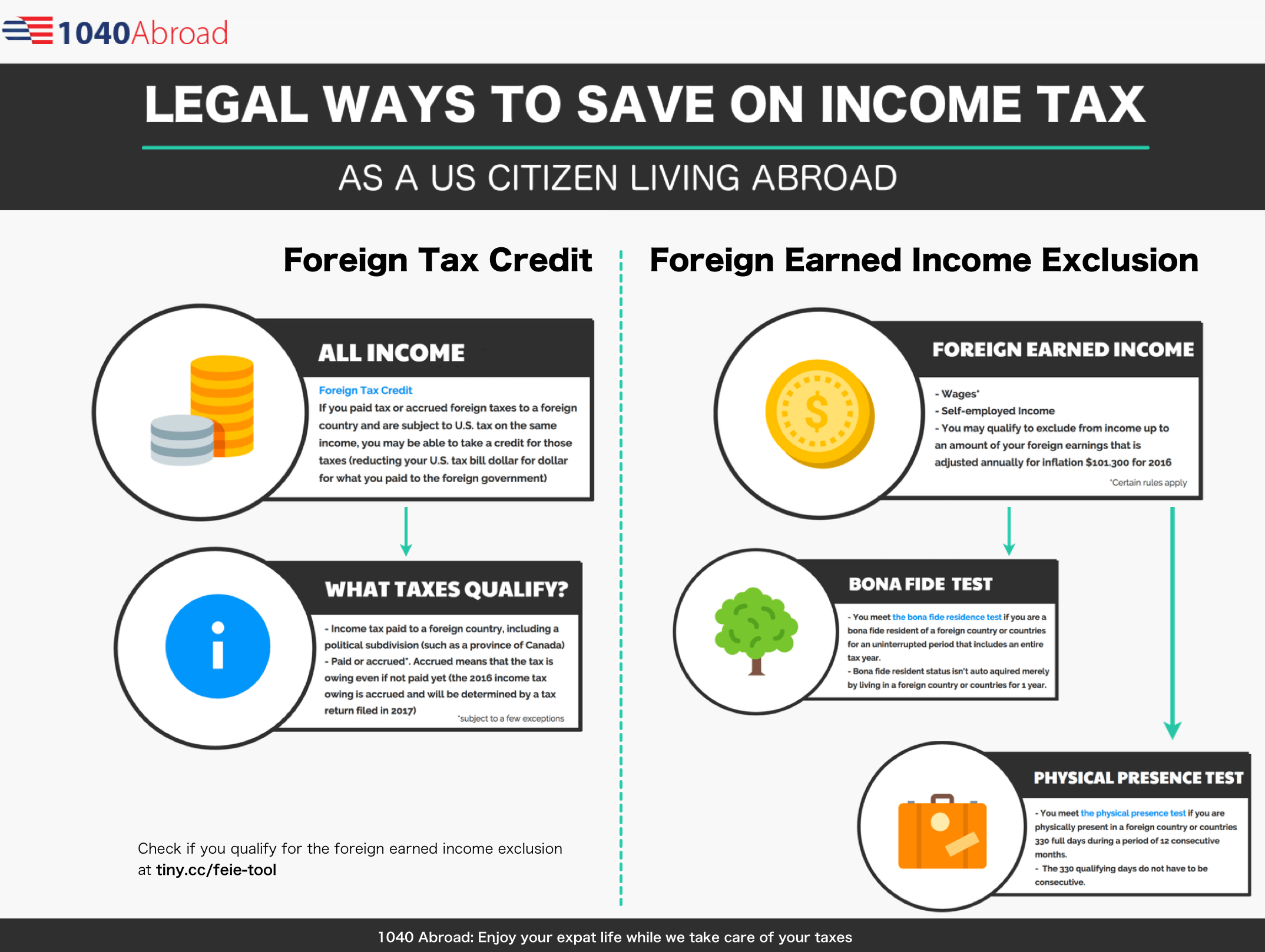
Understanding the Foundation of Tax Savings
Before diving into specific strategies, it’s crucial to grasp the fundamental concepts that underpin all tax-saving efforts. A solid understanding of these basics provides the framework for effective tax planning.
The Difference Between Deductions and Credits
One of the most common areas of confusion lies in distinguishing between tax deductions and tax credits, yet their impact on your tax bill is fundamentally different.
- Tax Deductions reduce your taxable income. For example, if your taxable income is $70,000 and you qualify for $10,000 in deductions, your new taxable income becomes $60,000. The amount you save depends on your marginal tax rate. If you are in a 22% tax bracket, a $10,000 deduction would save you $2,200 in taxes ($10,000 * 0.22).
- Tax Credits, on the other hand, directly reduce the amount of tax you owe, dollar for dollar. A $1,000 tax credit directly shaves $1,000 off your final tax bill, regardless of your tax bracket. Some credits are even “refundable,” meaning if the credit amount exceeds your tax liability, the IRS will send you the difference as a refund. This makes credits generally more valuable than deductions of the same amount.
Knowing Your Tax Bracket and Filing Status
Your tax bracket determines the rate at which different portions of your income are taxed. Understanding which bracket you fall into is essential for estimating the impact of deductions. For instance, a deduction is more impactful for someone in a higher marginal tax bracket. Your filing status (Single, Married Filing Jointly, Married Filing Separately, Head of Household, Qualifying Widow(er)) also significantly impacts your standard deduction amount, tax bracket thresholds, and eligibility for certain credits and deductions. Regularly reviewing your filing status and its implications is a vital part of tax planning, especially after major life events.
The Importance of Record-Keeping
Diligent record-keeping is the bedrock of effective tax saving. Without proper documentation, you cannot substantiate your claims for deductions or credits, risking their disallowance during an audit. Maintain organized records for all income, expenses, investments, and charitable contributions throughout the year. Digital copies, cloud storage, and dedicated tax software can simplify this process, making tax season significantly less stressful and more efficient.
Unlocking Savings Through Deductions
Deductions are powerful tools for reducing your taxable income. Maximizing them requires a keen eye for what expenses qualify and a disciplined approach to tracking.
Standard vs. Itemized Deductions
Every taxpayer has the option to take either the standard deduction or itemize their deductions. The standard deduction is a fixed dollar amount that varies by filing status and is automatically available to most taxpayers. It simplifies tax preparation for many. Itemized deductions, however, require you to list out specific eligible expenses, such as mortgage interest, state and local taxes (SALT), medical expenses, and charitable contributions. You should itemize only if the total of your eligible itemized deductions exceeds your standard deduction amount, as this will result in a lower taxable income. Reviewing your deductible expenses annually against the standard deduction threshold is a crucial step.
Common Itemized Deductions
For those who find it beneficial to itemize, several common categories offer significant savings:
- Mortgage Interest: Interest paid on your home mortgage up to certain limits is often deductible.
- State and Local Taxes (SALT): You can deduct a combined total of up to $10,000 for state and local income, sales, and property taxes.
- Medical Expenses: If your unreimbursed medical expenses exceed 7.5% of your Adjusted Gross Income (AGI), you can deduct the amount above that threshold. This includes health insurance premiums (if paid post-tax), doctor visits, prescription drugs, and certain medical equipment.
- Charitable Contributions: Donations to qualified charitable organizations can be deducted, often up to 60% of your AGI for cash contributions (with higher limits for certain years). Keep detailed records, including receipts and acknowledgment letters for larger donations.
Above-the-Line Deductions
These deductions are particularly valuable because they reduce your AGI, which can in turn make you eligible for certain credits or other deductions that have AGI limitations. They are “above the line” because they are subtracted from your gross income before your AGI is calculated, meaning you can claim them even if you take the standard deduction.
- IRA Contributions: Contributions to a traditional IRA are often tax-deductible, up to annual limits.
- Health Savings Account (HSA) Contributions: Contributions to an HSA are 100% tax-deductible, offering a triple tax advantage (deductible contributions, tax-free growth, tax-free withdrawals for qualified medical expenses).
- Student Loan Interest: You can deduct up to $2,500 of student loan interest paid annually.
- Educator Expenses: Teachers can deduct up to $300 for unreimbursed classroom expenses.
Business-Related Deductions
For the self-employed, small business owners, or gig economy workers, a wide array of business expenses are deductible. These include home office expenses, business travel, professional development, advertising, insurance premiums, and more. Accurately tracking these expenses can significantly reduce your net earnings subject to self-employment tax and income tax. Consider setting up a separate bank account and credit card for business expenses to streamline record-keeping.
Maximizing Direct Tax Reductions with Credits
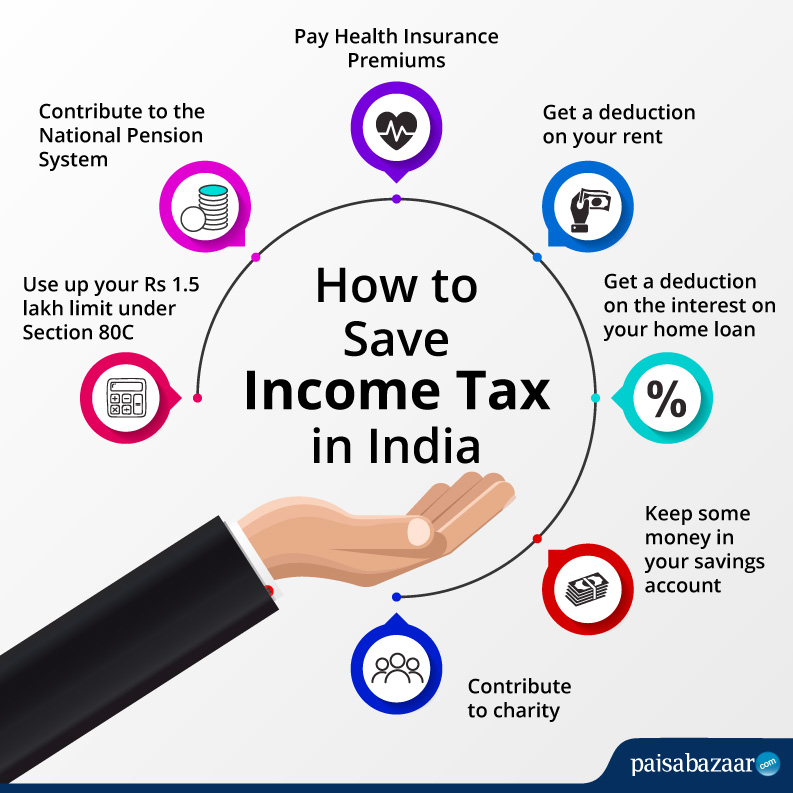
Tax credits are highly potent tools for reducing your tax bill because they offer a dollar-for-dollar reduction. Understanding which credits you qualify for is a critical step in tax planning.
Refundable vs. Non-Refundable Credits
It’s important to distinguish between the two main types of tax credits:
- Non-refundable credits can reduce your tax liability to zero, but you won’t get any money back if the credit exceeds the amount of tax you owe.
- Refundable credits can not only reduce your tax liability to zero but can also result in a refund check if the credit amount is more than your tax due. These are often considered the most beneficial as they can put money directly into your pocket.
Popular Credits for Families
Families often have access to some of the most substantial tax credits:
- Child Tax Credit (CTC): A significant credit for eligible children under a certain age. The amount and refundability can vary based on income and specific tax laws for the year.
- Child and Dependent Care Credit: Helps offset expenses for childcare for children under 13 or dependents unable to care for themselves, allowing you (and your spouse, if filing jointly) to work or look for work.
- Earned Income Tax Credit (EITC): A refundable credit designed for low-to-moderate-income working individuals and families, providing a substantial boost to income. Eligibility depends on income, family size, and other factors.
Education Credits
Investing in education can also lead to tax savings:
- American Opportunity Tax Credit (AOTC): A partially refundable credit for qualified education expenses for eligible students pursuing a degree or other recognized education credential for the first four years of higher education.
- Lifetime Learning Credit (LLC): A non-refundable credit for qualified education expenses paid for eligible students enrolled in an eligible educational institution. This credit is broader, applying to undergraduate, graduate, and professional degree courses, as well as courses taken to acquire job skills.
Retirement Savings Contributions Credit (Saver’s Credit)
This non-refundable credit helps low- and moderate-income taxpayers offset the cost of saving for retirement. If you contribute to an IRA or employer-sponsored retirement plan (like a 401(k)), you might be eligible for this credit, which can be up to $1,000 for individuals or $2,000 for couples.
Energy-Efficient Home Improvement Credits
Making your home more energy-efficient can also yield tax benefits. Credits are often available for improvements like installing solar panels, energy-efficient windows, doors, or certain heating and cooling systems. These credits not only help the environment but also put money back in your pocket.
Strategic Planning for Long-Term Tax Efficiency
Saving on taxes isn’t just an annual exercise; it’s an ongoing process that benefits from strategic, long-term financial planning.
Utilizing Tax-Advantaged Investment Accounts
One of the most effective long-term tax strategies involves leveraging tax-advantaged accounts:
- 401(k)s and IRAs (Traditional & Roth): Traditional contributions are often tax-deductible in the year they are made, and earnings grow tax-deferred until retirement. Roth contributions are made with after-tax dollars, but qualified withdrawals in retirement are entirely tax-free. Maxing out these contributions not only saves on current taxes but also builds a substantial retirement nest egg.
- Health Savings Accounts (HSAs): As mentioned, HSAs offer a triple tax advantage. For those with high-deductible health plans, they are an excellent vehicle for saving for future medical expenses while also serving as a supplemental retirement account.
- 529 Plans: These are tax-advantaged savings plans designed to encourage saving for future education costs. Earnings grow tax-free, and withdrawals are tax-free when used for qualified education expenses.
Capital Gains Tax Strategies
For investors, understanding capital gains taxes is crucial.
- Long-term vs. Short-term Capital Gains: Gains on assets held for more than one year are taxed at lower long-term capital gains rates, which are often significantly less than ordinary income tax rates. Holding investments for over a year before selling can result in substantial tax savings.
- Tax-Loss Harvesting: If you have investments that have decreased in value, you can sell them to realize a capital loss. These losses can then be used to offset capital gains and, to a limited extent, ordinary income, thereby reducing your tax liability.
Planning for Major Life Events
Major life events often have significant tax implications and present opportunities for tax planning:
- Marriage: Getting married changes your filing status and can impact your tax bracket and eligibility for certain credits and deductions. A “marriage penalty” or “bonus” can occur depending on income levels.
- Home Ownership: Buying a home opens doors to deductions for mortgage interest and property taxes.
- Having Children: The arrival of children often brings eligibility for the Child Tax Credit, Child and Dependent Care Credit, and other family-centric benefits.
- Retirement: Planning for retirement involves decisions about withdrawing from various accounts (taxable, tax-deferred, tax-free) in a way that minimizes your overall tax burden throughout your golden years.

The Role of Professional Tax Advice
While understanding these strategies is beneficial, the tax code is complex and constantly evolving. For many, particularly those with significant assets, complex investments, or business income, engaging a qualified tax professional (such as a CPA or Enrolled Agent) is an invaluable investment. A professional can provide personalized advice, identify obscure deductions and credits you might miss, help with tax planning for future events, and ensure compliance, ultimately saving you time, stress, and potentially a great deal of money.
By diligently applying these strategies and maintaining a proactive approach to your finances, you can significantly reduce your tax burden, optimize your wealth, and achieve greater financial security.
aViewFromTheCave is a participant in the Amazon Services LLC Associates Program, an affiliate advertising program designed to provide a means for sites to earn advertising fees by advertising and linking to Amazon.com. Amazon, the Amazon logo, AmazonSupply, and the AmazonSupply logo are trademarks of Amazon.com, Inc. or its affiliates. As an Amazon Associate we earn affiliate commissions from qualifying purchases.