
Navigating the landscape of student loans can often feel like trekking through a dense forest without a compass. One of the most fundamental, yet sometimes elusive, pieces of information you need to effectively manage your debt is your current student loan balance. Whether you’re planning your repayment strategy, considering refinancing, or simply trying to get a handle on your financial picture, knowing your exact balance is the critical first step. This guide will illuminate the path, detailing precisely how to uncover your federal and private student loan balances, empowering you with the knowledge to take control of your financial future.
Understanding Why Knowing Your Balance Matters
Before diving into the “how,” it’s crucial to understand the “why.” Your student loan balance isn’t just a number; it’s a cornerstone of your financial planning and decision-making. Ignoring it can lead to missed opportunities, increased costs, and unnecessary stress.
Strategic Repayment Planning
Knowing your total balance, along with the individual balances of each loan, is indispensable for crafting an effective repayment strategy. Are you targeting the loan with the highest interest rate first (the “debt avalanche” method), or do you prefer to tackle the smallest balances to gain momentum (the “debt snowball” method)? You can’t make these strategic decisions without precise figures. Furthermore, understanding your balance allows you to project how long it will take to become debt-free under different repayment scenarios, giving you a clearer finish line to work towards.
Avoiding Default and Penalties
Student loan debt can be overwhelming, but ignorance is not bliss. When you know your balance, you’re more likely to stay informed about your repayment status, upcoming due dates, and payment amounts. This proactive approach significantly reduces the risk of missing payments, which can lead to late fees, damaged credit scores, and even default. Defaulting on student loans carries severe consequences, including wage garnishment, tax refund offsets, and ineligibility for future federal financial aid. Staying informed is your best defense.
Preparing for Loan Consolidation or Refinancing
For many borrowers, consolidating or refinancing student loans can offer significant benefits, such as a lower interest rate, simplified payments, or a reduced monthly payment. However, to even begin exploring these options, lenders will require an accurate and up-to-date picture of your outstanding balances. Having this information readily available streamlines the application process, allowing you to quickly compare offers and determine the best path forward for your financial situation.
Gaining Financial Clarity
Beyond the practicalities of repayment, knowing your student loan balance contributes significantly to your overall financial clarity. It allows you to integrate your student loan debt into your broader financial plan, alongside your savings goals, investment strategies, and other debts. This holistic view is essential for building a robust personal financial strategy, fostering peace of mind, and ultimately achieving financial freedom. It removes the ambiguity, replacing it with concrete data that enables informed decisions.
Identifying Your Loan Servicer(s)
The first step in finding your student loan balance is to identify who holds and manages your loans. Student loans are typically managed by loan servicers, which are companies that handle billing, provide customer service, and process payments on behalf of the original lender. You might have one servicer for all your loans, or multiple servicers if you have a mix of federal and private loans, or even different federal loan types.
The Role of Loan Servicers
Loan servicers are your primary point of contact for anything related to your student loans. They provide statements, track your payments, and can help you explore repayment options, deferment, or forbearance. Understanding who your servicer is is paramount, as they are the direct source for your balance information.
Checking Your Credit Report
One of the most reliable ways to identify all your loan servicers, both federal and private, is by checking your credit report. Each of the three major credit bureaus — Equifax, Experian, and TransUnion — maintains a record of your credit history, including all your outstanding debts. You are entitled to a free copy of your credit report from each bureau once every 12 months via AnnualCreditReport.com.
When you review your credit report, look for sections related to “Installment Loans” or “Student Loans.” Each entry should list the name of the lender or loan servicer, along with the original loan amount, current balance, and payment history. This method is particularly effective for uncovering older loans you might have forgotten about or private loans that aren’t listed on federal databases.
Reviewing Past Correspondence
Think back to when you first took out your loans or when you started repayment. Lenders and servicers are required to send various communications, including initial loan disclosures, billing statements, and annual tax documents (like Form 1098-E, reporting student loan interest paid). These documents will clearly state the name of your loan servicer and provide account numbers.
If you’ve opted for paperless statements, check your email archives for communications from companies like Nelnet, Great Lakes (now Nelnet), MOHELA, Sallie Mae, Discover, or Wells Fargo, among others. Even old emails or physical mail can contain crucial clues that lead you to your servicer.
Accessing Federal Student Loan Information
Federal student loans are managed through a centralized system, making it relatively straightforward to find your information once you know where to look. The U.S. Department of Education oversees the federal student loan program.
Using StudentAid.gov
The official website for federal student aid, StudentAid.gov, is the definitive portal for all your federal student loan information. This is where you submitted your Free Application for Federal Student Aid (FAFSA) and where records of all your federal loans are maintained.
To access your information:
- Visit StudentAid.gov: Go to the official website.
- Log In: Use your Federal Student Aid (FSA) ID to log in. If you don’t have an FSA ID or have forgotten it, you can create one or retrieve it on the website. This ID serves as your legal signature for federal student aid documents.
- Navigate to “My Aid”: Once logged in, look for a section typically labeled “My Aid” or “Dashboard.”
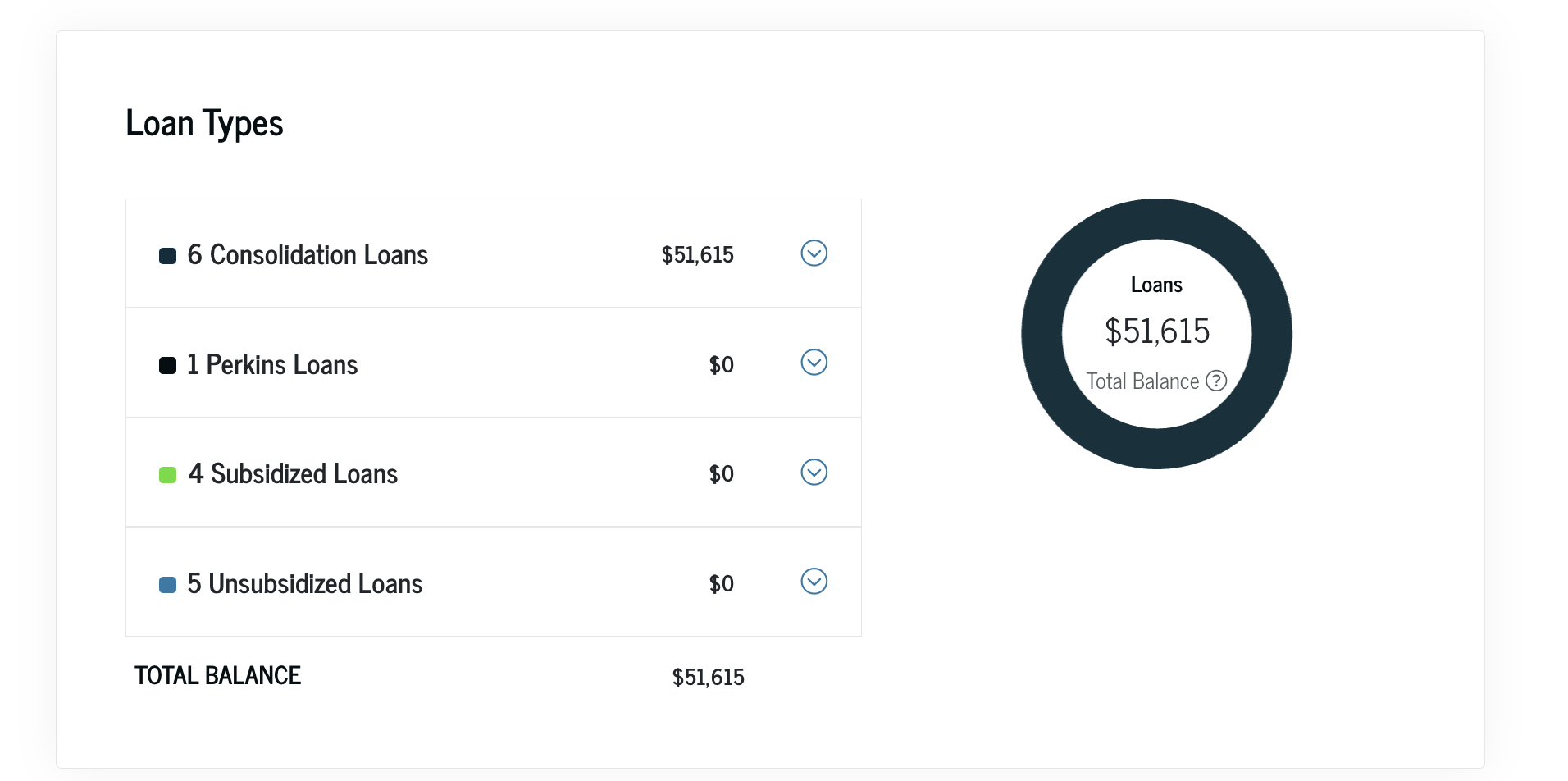
- View Loan Details: Here, you’ll find a comprehensive list of all your federal student loans, including:
- The original loan amount for each loan.
- The current outstanding balance.
- The interest rate.
- The name of your assigned loan servicer(s).
- Your payment history.
- Information about your current repayment plan.
This platform provides a holistic view of your federal student loan portfolio, including Stafford Loans (Direct Subsidized and Unsubsidized), PLUS Loans, and Perkins Loans (though Perkins Loans are no longer disbursed, existing ones are still managed).

Contacting Your Federal Loan Servicer Directly
Once you’ve identified your federal loan servicer(s) through StudentAid.gov or your credit report, you can also contact them directly. Each servicer has a dedicated website and customer service line.
You can visit their website and log in using your account credentials (which you might need to create if it’s your first time). On their portal, you will find your current balance, payment history, and options to manage your account. Alternatively, you can call their customer service number. Be prepared to provide personal identifying information (like your Social Security number, date of birth, and address) to verify your identity.
Understanding Different Federal Loan Types
It’s helpful to remember that federal student loans come in different types, each with potentially different terms, interest rates, and repayment options. While StudentAid.gov consolidates this information, being aware of the distinctions (e.g., Direct Subsidized vs. Unsubsidized, PLUS loans) can help you understand the nuances of your balances and plan accordingly. Your balance might be composed of principal, accrued interest, and any unpaid fees.
Locating Private Student Loan Details
Unlike federal student loans, private student loans are not tracked on StudentAid.gov. These loans are issued by banks, credit unions, and other private financial institutions. Finding their balances requires a slightly different approach, often involving direct engagement with the lenders.
Directly Contacting Your Lender
If you know the bank or financial institution that issued your private student loan, the most direct way to find your balance is to contact them. You can:
- Visit their website: Most private lenders offer online portals where you can log in to view your loan details, including your current balance, interest rate, and payment history. If you haven’t set up an online account, you’ll likely need your account number and personal information to register.
- Call their customer service: Look for the customer service number on the lender’s website or on any past statements. Be ready to provide your account number and personal identification details to verify your identity.
If you’re unsure which institution holds your private loans, your credit report (as discussed earlier) will be invaluable, as it lists all lenders reporting to the credit bureaus.
Checking Bank Statements and Loan Agreements
When you initially took out your private loan, you should have received a loan agreement or promissory note. This document contains all the original terms of your loan, including the lender’s name, your account number, and the interest rate. If you kept physical or digital copies of these agreements, they can be a useful starting point.
Additionally, review your bank statements for past payments made to your private loan servicer. The payee name on these transactions will typically be the name of your lender or their servicing arm. This can help you identify who to contact.
Utilizing Credit Report Information
As with federal loans, your credit report is an excellent resource for private student loans. Lenders of private student loans are almost universally required to report your loan activity to credit bureaus. Each private loan will be listed with the lender’s name and the current outstanding balance. This is especially helpful if you have multiple private loans from different institutions and need a consolidated view.
What to Do Once You Have Your Balance
Once you’ve meticulously gathered all your student loan balances, the journey doesn’t end there. This newfound clarity is a powerful tool, enabling you to make informed decisions that can significantly impact your financial well-being.
Reviewing Loan Details and Interest Rates
Don’t just look at the total balance; dig deeper into the specifics of each individual loan. Note the principal balance, current interest rate, and the type of loan (fixed vs. variable interest). High-interest loans, whether federal or private, often cost you more in the long run. Identifying these allows you to prioritize which loans to tackle first, potentially saving you thousands of dollars over the life of your repayment. Understanding the terms, such as grace periods, deferment options, and forbearance availability, is also crucial.
Exploring Repayment Options
With your balances and details in hand, you’re now equipped to explore the various repayment options available.
- Federal Loans: For federal loans, options include Standard Repayment, Graduated Repayment, Extended Repayment, and several Income-Driven Repayment (IDR) plans (e.g., PAYE, REPAYE, IBR, ICR). Each plan has different eligibility requirements and affects your monthly payment amount and the total interest you’ll pay. StudentAid.gov offers tools to help you compare these plans.
- Private Loans: Repayment options for private loans are generally less flexible. You might be able to negotiate different payment terms with your lender, especially if you’re experiencing financial hardship, but these are often at the lender’s discretion.
Creating a Budget and Repayment Strategy
Integrate your student loan payments into your overall personal budget. Determine how much you can comfortably afford to pay each month, ensuring you also meet other financial obligations and save for future goals. Based on your loan details and affordability, devise a repayment strategy. Will you consistently pay more than the minimum to accelerate repayment? Will you prioritize high-interest loans? Or will you focus on an IDR plan to keep payments low while pursuing Public Service Loan Forgiveness (if applicable)? A well-thought-out budget and strategy are vital for consistent progress.

Considering Refinancing or Consolidation
For borrowers with multiple loans, particularly high-interest private loans, refinancing or consolidation can be game-changers.
- Refinancing: This involves taking out a new loan from a private lender to pay off one or more existing student loans (federal or private). The goal is often to secure a lower interest rate, reduce your monthly payment, or simplify multiple payments into one. Good credit and stable income are typically required. Be aware that refinancing federal loans into a private loan means losing federal benefits like IDR plans and forgiveness programs.
- Consolidation (Federal Direct Consolidation Loan): This option allows you to combine multiple federal student loans into a single new federal loan. While it might not always lower your interest rate (it’s the weighted average of your original loans, rounded up), it simplifies repayment to one servicer and one monthly payment, and can unlock eligibility for certain IDR plans or Public Service Loan Forgiveness.
Understanding your balances is the essential foundation for exploring these complex, yet potentially beneficial, financial maneuvers.
In conclusion, finding out your student loan balance is more than just a procedural task; it’s a critical act of financial empowerment. By systematically identifying your servicers, leveraging official government and private lender resources, and meticulously reviewing your credit report, you can gain a comprehensive understanding of your debt. This knowledge then becomes your compass, guiding you toward strategic repayment decisions, opening doors to potential savings, and ultimately charting a clearer course toward financial freedom. Take the time to gather this information diligently, and you’ll be well on your way to mastering your student loan debt.
aViewFromTheCave is a participant in the Amazon Services LLC Associates Program, an affiliate advertising program designed to provide a means for sites to earn advertising fees by advertising and linking to Amazon.com. Amazon, the Amazon logo, AmazonSupply, and the AmazonSupply logo are trademarks of Amazon.com, Inc. or its affiliates. As an Amazon Associate we earn affiliate commissions from qualifying purchases.