
When the question “What are the best soccer teams in the world?” is posed, the immediate inclination is often to list clubs based on their trophy cabinets, current league standings, or star-studded rosters. While on-pitch performance is undeniably crucial, it represents only one facet of a team’s true global standing. From a brand strategy perspective, the “best” teams are those that have transcended mere sporting prowess to become global cultural phenomena, meticulously cultivated entities with immense brand equity, unwavering fan loyalty, and sophisticated commercial operations. They are, in essence, multinational corporations operating in the emotional economy of sport.
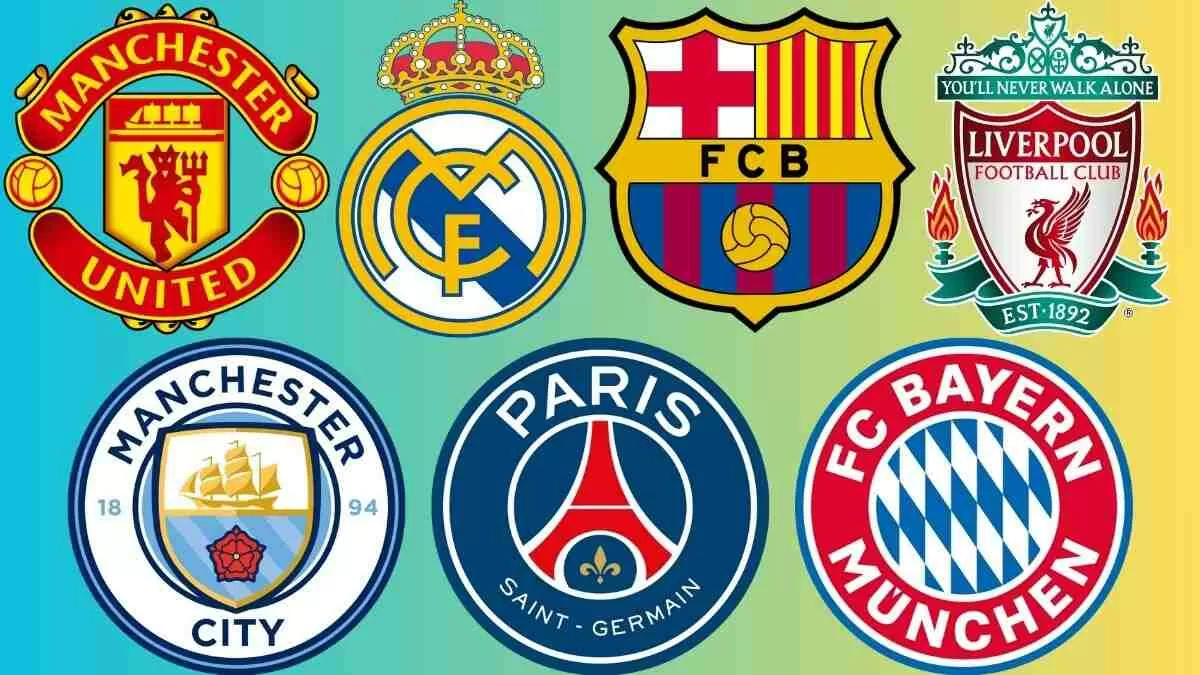
This article delves into what makes a soccer team “best” through the lens of brand strategy, exploring the elements of corporate identity, marketing acumen, and fan engagement that elevate a club from a regional competitor to a worldwide powerhouse. It’s about understanding how these institutions build, maintain, and monetize their unparalleled global recognition, turning passion into a potent, valuable asset.
Beyond the Pitch: Defining “Best” Through a Brand Lens
To truly understand what makes a soccer team “best” from a brand perspective, we must look beyond the immediate results of a match or the glitter of a championship trophy. While sporting success provides a critical foundation, the longevity and global reach of an elite club are built on far more intricate structures. It’s about how a team is perceived, how deeply it resonates with diverse audiences across continents, and its capacity to generate loyalty that withstands the ebb and flow of on-field fortunes.
The Ecosystem of Brand Value: Performance, Legacy, and Fanbase
The intrinsic brand value of a top soccer team is a complex ecosystem. Performance is the bedrock; consistent success in domestic leagues and international competitions fuels initial interest and provides compelling narratives. However, equally important is legacy. Clubs like Real Madrid, Manchester United, Bayern Munich, or AC Milan aren’t just great today; they carry decades of history, legendary players, iconic moments, and a rich narrative that resonates across generations. This historical depth provides an emotional anchor, allowing fans to connect to something larger than themselves, something that predates them and will outlive them.
Crucially, this legacy is sustained and amplified by an enormous, global fanbase. These aren’t just spectators; they are brand evangelists, consumers of merchandise, subscribers to digital content, and active participants in the club’s narrative. The sheer scale and passionate dedication of this fanbase are perhaps the most potent indicators of a club’s brand strength, translating directly into commercial viability and cultural influence. A team with a massive, engaged fanbase, even during a lean period on the pitch, retains significant brand power because its core identity and community remain robust.
Measuring Intangibles: Reputation, Loyalty, and Cultural Impact
Unlike tangible assets, brand strength is often measured through intangibles. Reputation is paramount; it encompasses fair play, community involvement, ethical management, and the overall image the club projects. A strong reputation can attract top talent, secure lucrative sponsorships, and foster positive media coverage. It’s built over time through consistent behavior and messaging.
Loyalty is the holy grail of branding. For soccer clubs, fan loyalty often borders on religious fervor, passed down through families and transcending geographical boundaries. This deep-seated allegiance makes fans incredibly resilient to market shifts and ensures consistent engagement with the brand, from buying new kits to tuning into matches at inconvenient hours. This level of loyalty is a testament to successful brand building that taps into fundamental human needs for belonging and identity.
Finally, the cultural impact of the best soccer teams extends far beyond the stadium. They influence fashion, music, art, and even social discourse. Their crests are recognized globally, their star players become household names, and their matches are global events. This profound cultural penetration signifies a brand that has become part of the collective consciousness, demonstrating its ability to transcend sport and embed itself deeply within global society. These are the markers of truly “best” soccer teams from a brand perspective – entities that have mastered the art of creating enduring emotional connections.
Crafting a Global Identity: Core Elements of Elite Soccer Brands
The most successful soccer teams are masters of brand architecture, meticulously developing and maintaining a global identity that is instantly recognizable and deeply resonant. This involves a strategic approach to visual elements, narrative building, and the leveraging of human capital.
The Visual Language: Crests, Colors, and Iconic Stadiums
A soccer club’s visual language is its most immediate brand identifier. The crest is far more than a logo; it’s a symbol steeped in history, often reflecting local heritage, club values, or significant milestones. It acts as a powerful shorthand for the brand, evoking immediate recognition and emotional connection. Think of the distinct outlines of the Real Madrid, Manchester United, or FC Barcelona badges – they are cultural icons in their own right.
Similarly, club colors are sacrosanct. The “red” of Liverpool, the “white” of Real Madrid, or the “blaugrana” of Barcelona are not just aesthetic choices; they are integral to the club’s identity, woven into merchandise, kits, and fan culture. These colors evoke a sense of belonging and community, creating a visual uniformity that binds the global fanbase.
Finally, iconic stadiums serve as physical embodiments of the brand. Venues like Wembley, the Santiago Bernabéu, Old Trafford, or the Camp Nou are more than just sports arenas; they are cathedrals of football, imbued with history, emotion, and an almost sacred aura. They are pilgrimage sites for fans, tangible touchpoints for the brand experience, and architectural marvels that often define the club’s image in the public consciousness. These physical spaces are meticulously maintained and often modernized to reflect the club’s forward-looking vision while honoring its past.
Narratives and Storytelling: Building a Mythos
Beyond visual appeal, elite soccer brands excel at narrative building and storytelling. Each club cultivates a rich mythos that encompasses its origins, triumphs, tragedies, and unique philosophy. This narrative is constantly reinforced through official communications, historical documentaries, and fan-generated content. For instance, teams might emphasize an underdog spirit, a commitment to attacking football, a tradition of developing local talent, or an ethos of relentless pursuit of excellence.
This storytelling creates an emotional framework that allows fans to deeply connect with the club’s journey. It humanizes the institution, giving it personality and values that transcend individual players or fleeting successes. By consistently telling their story, clubs create a shared identity and a sense of collective purpose that binds millions of individuals worldwide. This mythos is not static; it evolves with new achievements and challenges, continually enriching the brand’s appeal and relevance.
The Human Element: Star Players as Brand Ambassadors
In the hyper-individualized modern era, star players serve as incredibly powerful brand ambassadors for their clubs. Players like Lionel Messi, Cristiano Ronaldo, Kylian Mbappé, or Erling Haaland are global brands in their own right. When they represent a club, their personal brand equity transfers directly to the team. Their charisma, skill, and global following amplify the club’s reach and attractiveness exponentially.
Clubs strategically leverage their star players in marketing campaigns, social media content, and global tours. These players become the recognizable faces of the brand, embodying its values and aspirations. Their personal stories of triumph and dedication add another layer to the club’s narrative, drawing in new fans who might first be attracted to a specific player before developing loyalty to the team itself. Managing the personal brands of these athletes while aligning them with the overarching club brand is a sophisticated exercise in corporate identity management, ensuring that the individual’s glow enhances, rather than overshadows, the collective institution.
The Marketing Machinery: Engaging Fans and Expanding Reach
The “best” soccer teams don’t just win on the pitch; they win in the marketplace of ideas and attention. Their sophisticated marketing machinery is designed to engage existing fans, attract new ones, and expand their global footprint, turning passive interest into active participation and commercial opportunity.
Digital Dominance: Social Media and Content Strategy
In the 21st century, digital dominance is non-negotiable for a global brand. Elite soccer teams invest heavily in a comprehensive social media and content strategy, recognizing that platforms like Instagram, Twitter, Facebook, TikTok, and YouTube are vital conduits to their worldwide fanbase. They produce a constant stream of high-quality content: behind-the-scenes footage, player interviews, training updates, match highlights, tactical analyses, and fan interaction segments.
This content is not merely promotional; it’s designed to create an immersive experience, making fans feel closer to the club and its players. Personalized content, interactive polls, and real-time engagement foster a sense of community and belonging, bridging geographical distances. The best teams understand that their digital presence is an extension of their stadium experience, reaching billions who may never attend a live match. They segment their audience, tailoring content for different regions and demographics, ensuring maximum resonance and engagement.

Global Expansion: Market Penetration and Localized Engagement
The top soccer teams are true global brands, constantly seeking global expansion and deeper market penetration. This involves strategic tours to emerging football markets in Asia, North America, and the Middle East, not just for pre-season training, but as deliberate brand-building exercises. These tours include community events, fan meet-and-greets, and local marketing campaigns that introduce the club to new audiences.
Crucially, global expansion is accompanied by localized engagement. This means understanding and respecting cultural nuances, creating region-specific content, offering multi-language social media accounts, and sometimes even establishing local fan clubs or academies. For example, a club might launch a special edition jersey for the Chinese New Year or create video content featuring players speaking in local dialects. This thoughtful approach ensures that the brand feels accessible and relevant, rather than simply imposing a foreign identity. It fosters a sense of ownership and personal connection, turning potential fans into passionate advocates.
Strategic Partnerships and Sponsorships
A critical pillar of marketing and brand expansion for elite soccer teams is the cultivation of strategic partnerships and sponsorships. These are not merely financial transactions; they are brand alliances that mutually enhance visibility and credibility. Clubs seek out partners whose values align with their own and who offer access to new markets or technological advancements.
Sponsorships with global brands – from kit manufacturers and airline partners to technology companies and beverage giants – provide significant revenue streams while simultaneously leveraging the sponsor’s marketing power to amplify the club’s reach. These partnerships are meticulously negotiated, often involving co-branded campaigns, joint digital content, and exclusive activations that drive engagement. The presence of a club’s crest alongside a globally recognized corporate brand lends prestige and reinforces its status as a top-tier entity, signaling stability, aspiration, and widespread appeal.
Commercial Acumen: Monetizing Brand Power and Sustaining Excellence
The journey to becoming one of the “best” soccer teams in the world is inextricably linked to commercial acumen. A powerful brand isn’t just about recognition; it’s about the ability to monetize that recognition to create a sustainable, self-reinforcing cycle of success that fuels on-field excellence and long-term stability.
Diversified Revenue Streams: Merchandise, Broadcast Rights, and Ticketing
Elite soccer clubs are sophisticated commercial enterprises with highly diversified revenue streams. While ticketing remains a fundamental income source, ensuring packed stadiums for every home game, it’s often a smaller piece of the overall financial pie for the biggest clubs.
Broadcast rights are a colossal revenue generator. The global demand to watch top-tier soccer matches allows clubs to command enormous fees for the rights to televise their games worldwide. This global viewership underscores the brand’s immense reach and appeal, transforming every match into a potential advertising platform for the club and its sponsors. Negotiating these rights, individually or collectively through leagues, is a critical component of financial health.
Furthermore, merchandise sales represent a direct and highly profitable channel for fan engagement and brand monetization. From replica kits and training gear to accessories, personalized items, and lifestyle apparel, the best teams have developed extensive product lines that cater to a global demographic. Their crests and colors adorn products sold in every corner of the world, turning fans into walking advertisements and generating consistent income that is less dependent on match-day performance. This diversification insulates clubs from the volatility of sporting results, ensuring financial robustness even during transitional periods.
Brand Valuation: The Financial Returns of Global Recognition
In the corporate world, brand valuation is a key metric, and it’s no different for soccer teams. Independent financial analyses consistently rank the “best” clubs as among the most valuable sports brands globally. This brand valuation is a composite measure, taking into account revenue from all sources, global fan base size, social media engagement, media rights, commercial partnerships, and intellectual property.
A high brand valuation signifies not just past success, but future earning potential and market confidence. It reflects the immense, almost unparalleled, power of a club’s identity to attract investment, command premium prices, and sustain long-term growth. The financial returns of global recognition are reinvested into acquiring top talent, developing state-of-the-art facilities, and expanding marketing efforts, creating a virtuous circle that further entrenches the club’s position at the pinnacle of global football. This strategic financial management is what allows these clubs to consistently compete at the highest levels, year after year.
Ethical Branding and Social Responsibility
Increasingly, the “best” soccer teams understand that commercial success must be balanced with ethical branding and social responsibility. Modern consumers and fans, particularly younger generations, expect brands to stand for something beyond profit. Clubs engage in extensive community outreach programs, invest in youth development, promote diversity and inclusion, and champion various social causes.
This commitment to social responsibility is not just altruistic; it’s a strategic brand imperative. It enhances reputation, builds goodwill, and strengthens the emotional bond with fans who see their club as a force for good. A club that actively demonstrates its values and positive impact on society cultivates a deeper, more meaningful loyalty that transcends mere sporting results. Ethical branding builds trust, which is an invaluable asset in an increasingly scrutinized global landscape, ensuring the club’s brand remains resilient and respected.
The Future of Football Brands: Navigating New Horizons
The landscape of global football, and indeed global branding, is in constant flux. The “best” soccer teams are those that not only dominate the present but also strategically position themselves to navigate the challenges and opportunities of the future. This involves embracing technological innovation, prioritizing sustainability, and leveraging data for personalized engagement.
Web3, NFTs, and the Metaverse: New Fan Engagement Frontiers
The digital frontier is rapidly expanding, and elite soccer brands are at the forefront of exploring Web3, NFTs (Non-Fungible Tokens), and the Metaverse as new avenues for fan engagement and monetization. NFTs offer unique opportunities for digital collectibles, tokenized fan experiences, and even fractional ownership in certain club assets, creating new forms of loyalty and community participation. They provide a novel way to reward ultra-fans and generate new revenue streams in the digital realm.
The Metaverse presents an immersive virtual space where fans can interact with the club, attend virtual events, purchase digital merchandise, and even experience virtual stadium tours. This technology promises to deepen fan connections, particularly for those geographically distant from the club, by offering unparalleled levels of interaction and presence. Forward-thinking clubs are experimenting with these technologies to create richer, more personalized experiences, ensuring they remain relevant to a digitally native generation of fans and unlock entirely new commercial opportunities.
Sustainability and Social Impact as Brand Pillars
As global concerns about climate change and social equity grow, sustainability and social impact are increasingly becoming central brand pillars for the “best” soccer teams. This goes beyond simple community outreach; it involves fundamental operational changes, such as adopting renewable energy sources for stadiums, reducing waste, promoting ethical supply chains for merchandise, and advocating for environmental protection.
A club’s commitment to sustainability enhances its reputation, attracts environmentally conscious partners, and resonates strongly with a global fanbase that demands responsible corporate citizenship. By demonstrably acting as agents of positive change, clubs can strengthen their brand identity, demonstrating leadership not just in sport but also in global ethical practices. This commitment ensures their brand remains aspirational and relevant to a future-focused audience.

Data-Driven Brand Management and Personalization
Finally, the future of football brands is profoundly data-driven. Elite clubs are increasingly leveraging advanced analytics and AI to understand their global fanbase with unprecedented depth. This allows for highly personalized marketing campaigns, content delivery, and fan experiences. By analyzing consumption habits, engagement patterns, and demographic data, clubs can tailor communications, offer targeted merchandise, and even personalize match-day experiences.
This sophisticated approach to data management allows clubs to optimize every aspect of their brand strategy, from player recruitment (identifying talent that aligns with brand values) to content creation (producing what fans truly want to see). Personalized engagement fosters deeper connections and strengthens loyalty, ensuring that each fan feels uniquely valued. In an increasingly competitive global market for attention, data-driven brand management will be the key differentiator, allowing the “best” soccer teams to not only maintain their dominance but also to continually evolve and adapt to the ever-changing demands of a global audience.
In conclusion, defining the “best” soccer teams in the world through a brand lens reveals a fascinating interplay of tradition, innovation, passion, and shrewd commercial strategy. These institutions are more than just sports clubs; they are meticulously crafted global brands that have mastered the art of emotional connection, digital engagement, and sustainable commercial growth, securing their place as enduring cultural behemoths.
aViewFromTheCave is a participant in the Amazon Services LLC Associates Program, an affiliate advertising program designed to provide a means for sites to earn advertising fees by advertising and linking to Amazon.com. Amazon, the Amazon logo, AmazonSupply, and the AmazonSupply logo are trademarks of Amazon.com, Inc. or its affiliates. As an Amazon Associate we earn affiliate commissions from qualifying purchases.