
In the world of business, especially for ventures dealing with liquid products, the seemingly simple question of “how many mLs” transcends mere measurement; it becomes a critical financial inquiry. From boutique skincare lines and craft beverage producers to chemical suppliers and pharmaceutical companies, accurately understanding, tracking, and optimizing quantities in milliliters can profoundly impact profitability, operational efficiency, and long-term financial health. This granular attention to volume is not just about product consistency; it’s a cornerstone of robust financial management, influencing everything from raw material costing to inventory valuation and pricing strategies.
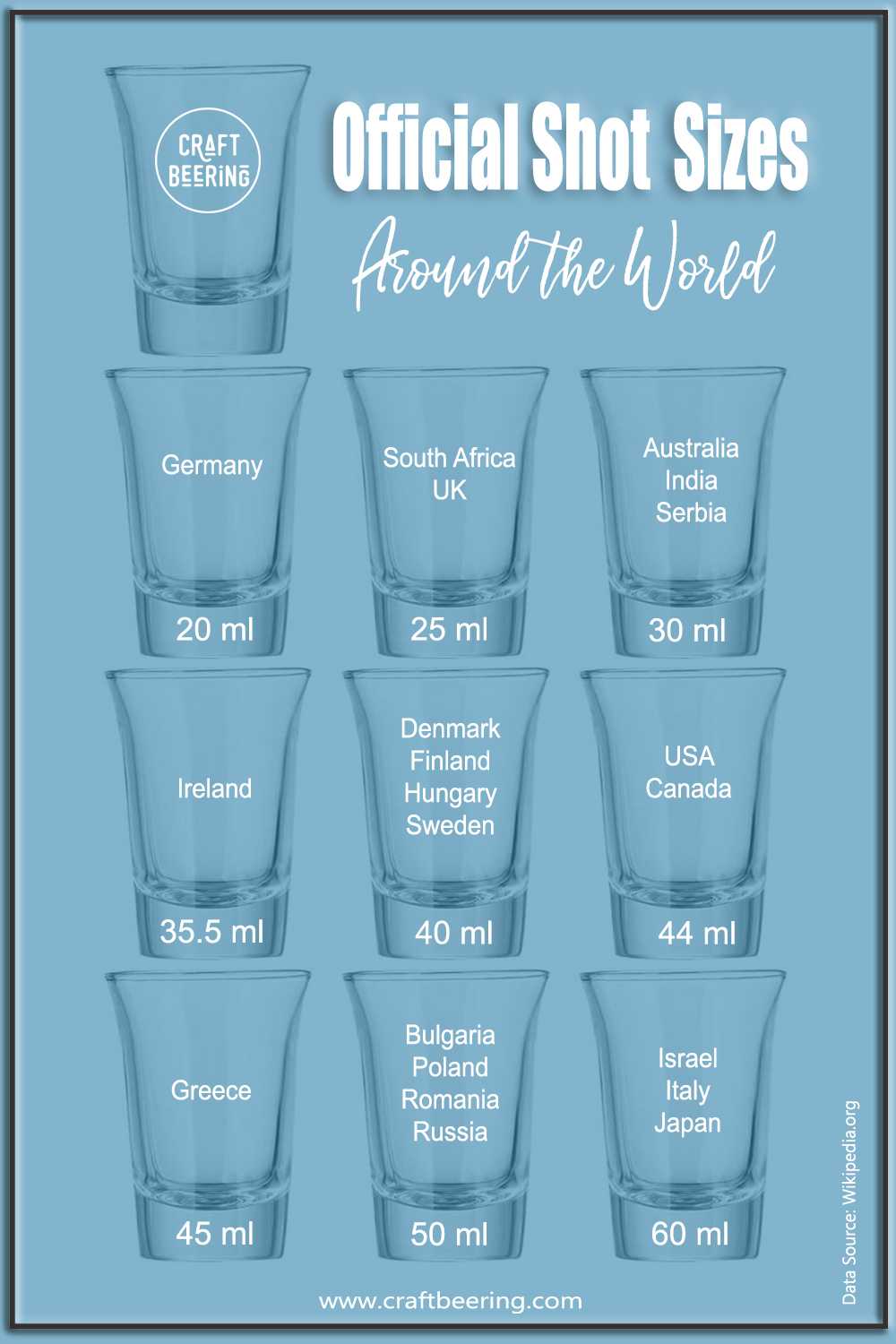
The Milliliter as a Unit of Financial Accountability
At the heart of any business dealing with liquids is the cost of its components. Every milliliter of a raw ingredient, every milliliter of a finished product, carries a specific financial weight. Ignoring this granular detail can lead to significant profit erosion, inaccurate pricing, and ultimately, unsustainable business models. Financial accountability begins at the smallest measurable unit, and for many products, that unit is the milliliter.
Deconstructing Costs per Milliliter
To truly understand profitability, businesses must move beyond bulk pricing and break down costs to the milliliter. This involves:
- Raw Material Costing: Calculate the cost of each ingredient per milliliter. If you buy a liter of an essential oil for $100, its cost is $0.10 per milliliter. This seemingly small figure becomes significant when formulating products that use multiple expensive ingredients.
- Packaging Costs: While not a liquid component, the container size (and thus, the number of milliliters it holds) dictates packaging costs per unit. A 15 mL bottle will have a different packaging cost allocation per milliliter of product than a 50 mL bottle, even if the larger bottle offers better economies of scale on the packaging itself.
- Labor and Overhead Allocation: Manufacturing liquid products involves labor for mixing, bottling, labeling, and quality control. Overhead includes rent, utilities, equipment depreciation, and administrative costs. These need to be allocated across production runs, eventually contributing to a cost per finished milliliter. Understanding this allocation helps identify inefficiencies and areas for cost reduction.
By meticulously breaking down every expense to its smallest volumetric unit, businesses gain an unparalleled understanding of their true cost of goods sold (COGS) at the individual product level. This precision is invaluable for setting profitable margins and making informed operational decisions.
Optimizing Inventory and Minimizing Waste Through mL Tracking
Efficient inventory management is a cornerstone of sound financial practice, and for liquid products, it hinges on precise volumetric tracking. Misjudging “how many mLs” are on hand, used, or wasted can lead to significant financial losses through overstocking, understocking, or product spoilage.
Preventing Overstocking and Obsolescence
Holding excessive inventory of liquid raw materials or finished products ties up capital, incurs storage costs, and increases the risk of spoilage or expiration. Many liquid ingredients have finite shelf lives, and exceeding these can render entire batches unusable, representing a complete financial write-off.
- Accurate Usage Rates: By tracking consumption in milliliters for each product, businesses can forecast demand more accurately. Knowing, for instance, that Product A uses 20 mL of Ingredient X per unit, and you sell 1,000 units a month, allows for a precise calculation of monthly Ingredient X requirements (20,000 mL).
- Just-In-Time (JIT) Inventory: For smaller businesses or those with volatile demand, implementing a JIT approach for liquid ingredients can minimize holding costs and spoilage risk. This requires extremely accurate mL-based tracking and reliable supplier relationships.
Reducing Waste and Spoilage
Waste in liquid product manufacturing can occur at various stages: spills, inaccurate measurements, evaporation, or batches that fail quality control. Each milliliter lost is a direct hit to the bottom line.
- Precision Dispensing Equipment: Investing in volumetric pumps, precise scales, and automated filling machines can drastically reduce measurement errors and spills during production. The upfront cost is often quickly recouped through reduced material waste.
- Batch Tracking and Yield Analysis: Implementing systems to track raw materials from procurement through to finished product allows for yield analysis. If a batch should yield 5,000 mL of product but only produces 4,800 mL, investigating the 200 mL discrepancy (is it evaporation, spillage, or measurement error?) can uncover process inefficiencies that are costing money.
- Quality Control at the mL Level: Regular checks for consistency, concentration, and volume during production can prevent an entire batch from being ruined. Catching an error after a few hundred milliliters are mixed is far less costly than discovering it after several thousand.
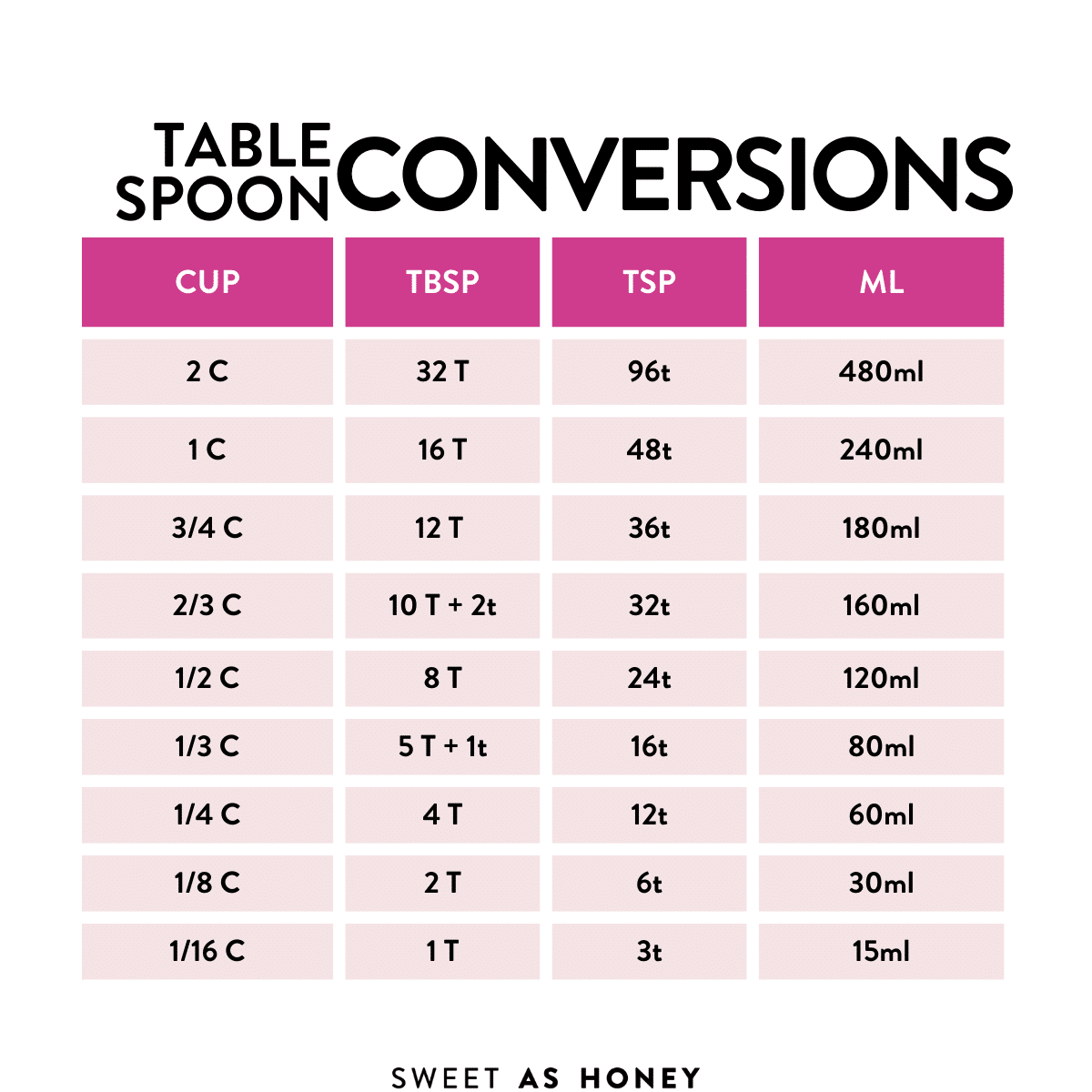
Strategic Pricing and Product Development Leveraging mL Data
The question of “how many mLs” is fundamental to how products are packaged, priced, and ultimately positioned in the market. Financial success in selling liquid products often comes down to optimizing the value proposition per milliliter.
Value-Based Pricing and Size Optimization
Customers perceive value differently based on product size and price point. Offering multiple sizes (e.g., 15 mL, 30 mL, 50 mL) requires careful financial consideration.
- Cost-Plus Pricing: With precise cost-per-milliliter data, businesses can apply desired profit margins to different product sizes. This ensures that even smaller, trial-sized products are profitable, or that larger sizes offer a more compelling value to the customer without eroding margins.
- Perceived Value vs. Actual Cost: A customer might pay a premium per milliliter for a small, travel-sized item due to convenience, but expect a lower per-milliliter price for a larger, economy-sized version. Understanding your cost per mL allows you to calibrate these price points strategically, ensuring you capture maximum value across your product range.
- Bundling and Promotions: When creating bundles (e.g., a starter kit with multiple small liquid products), knowing the exact cost contribution of each milliliter helps in pricing the bundle to be attractive to the customer while remaining highly profitable for the business.
Informed Product Development and Expansion
When developing new liquid products or expanding into new markets, a deep understanding of mLs is crucial for financial viability.
- Ingredient Sourcing Decisions: Before committing to a new product formula, evaluate the cost per mL of all potential ingredients. Can a cheaper, equally effective ingredient replace an expensive one without compromising quality? This analysis happens at the milliliter level.
- Packaging Choices: The desired quantity in milliliters for a new product dictates packaging design and cost. Does a 10 mL concentrate need a dropper bottle, and what’s the financial impact of that specific packaging choice versus a pump dispenser for a 100 mL lotion?
- Scalability Assessment: If a product proves successful, can it be scaled up economically? This involves assessing if raw materials can be sourced in larger, more cost-effective quantities, and if production processes can handle increased volumes without significantly increasing the cost per milliliter.
Leveraging Technology for Milliliter-Level Financial Control
Managing “how many mLs” effectively across a growing business often requires more than just manual tracking. Specialized financial and operational tools can transform this granular data into actionable financial intelligence.
Enterprise Resource Planning (ERP) Systems
For larger operations, ERP systems integrate all aspects of a business, including manufacturing, inventory, sales, and accounting. These systems can track raw material inputs and finished goods outputs down to the milliliter, providing real-time data on:
- Current Stock Levels: Accurate counts of all liquid raw materials and finished products, preventing stockouts or overages.
- Batch Costs: Automatically calculate the cost of each batch produced based on ingredient usage and labor.
- Yield Variances: Flag discrepancies between expected and actual yields, highlighting potential waste or inefficiencies.
- Sales Analytics: Correlate sales data with specific product sizes and formulations to identify best-sellers and inform future production.
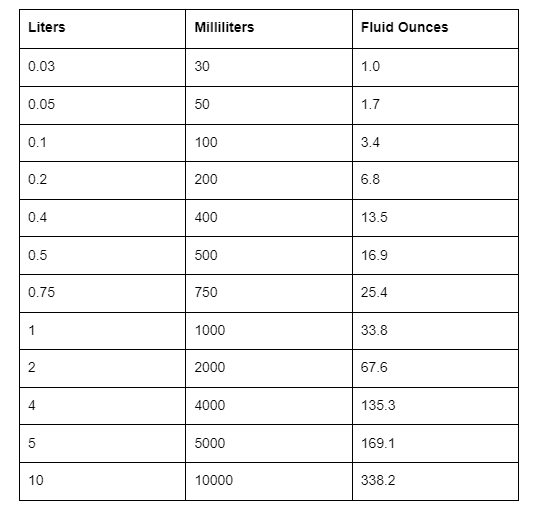
Spreadsheet Modeling and Dedicated Inventory Software
Even for smaller businesses or side hustles, robust spreadsheet models can be invaluable. These can be used to:
- Formulation Cost Calculators: Input ingredient costs per mL and desired formula percentages to instantly calculate the total cost per mL of a finished product.
- Profitability Analyzers: Model different pricing scenarios for various mL sizes to determine optimal profit margins.
- Basic Inventory Trackers: Monitor quantities of raw materials and finished goods, flagging when reorder points are reached based on estimated mL usage.
Dedicated inventory management software, often cloud-based, can offer more sophisticated tracking, reporting, and integration with e-commerce platforms, making it easier to manage liquid product stock levels and automate reordering processes.
In conclusion, for any business dealing with liquid products, the question of “how many mLs” is not merely an operational detail; it is a fundamental pillar of financial control. Mastering this granular level of measurement and costing empowers businesses to optimize profitability, reduce waste, strategize pricing effectively, and build a sustainable foundation for growth. Overlooking the financial implications of each milliliter is akin to letting profit trickle away, one drop at a time.
aViewFromTheCave is a participant in the Amazon Services LLC Associates Program, an affiliate advertising program designed to provide a means for sites to earn advertising fees by advertising and linking to Amazon.com. Amazon, the Amazon logo, AmazonSupply, and the AmazonSupply logo are trademarks of Amazon.com, Inc. or its affiliates. As an Amazon Associate we earn affiliate commissions from qualifying purchases.