
Major League Soccer (MLS) stands as a vibrant testament to the burgeoning appeal of soccer in North America. More than just a collection of clubs, the league represents a sophisticated brand strategy, meticulously crafted to capture diverse markets and cultivate a distinct corporate identity. As of the 2024 season, Major League Soccer features 29 teams, a number that underscores its aggressive and successful expansion strategy, directly impacting its brand footprint and market positioning. This growth is not merely an increase in operational units; it’s a strategic amplification of the MLS brand, extending its reach, enriching its narrative, and solidifying its place in the competitive landscape of professional sports.
The Expanding Footprint of Major League Soccer: A Brand Growth Imperative
The journey from a modest 10-team league in 1996 to its current 29-team structure in 2024 is a masterclass in brand development and market penetration. Each new team added to the MLS roster represents a deliberate strategic move, designed to unlock new demographic segments, establish local loyalties, and expand the overall brand equity of the league. This expansion is central to MLS’s corporate identity, signaling dynamism and an unwavering commitment to growth.
Current Roster and Geographic Reach
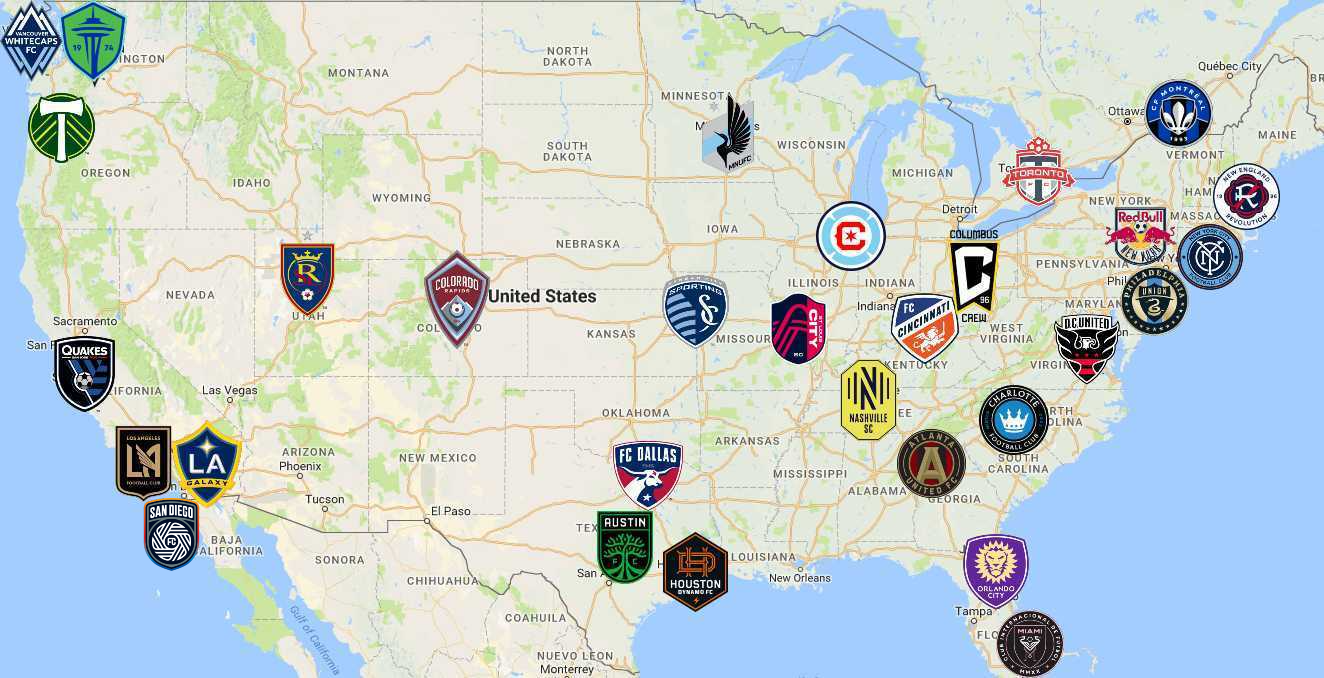
The 29 teams of MLS are distributed across major metropolitan areas in the United States and Canada, ensuring a broad geographic reach that is critical for a national sports brand. From the established markets of Los Angeles (LA Galaxy, LAFC) and New York (New York Red Bulls, New York City FC) to emerging soccer hotbeds like Nashville (Nashville SC) and St. Louis (St. Louis City SC), the league has strategically planted flags in regions with significant population density and untapped fan potential. This widespread presence allows MLS to tap into diverse fan bases, each with its unique cultural nuances, enabling tailored marketing efforts and deeper community integration. The presence of three Canadian teams—Toronto FC, CF Montréal, and Vancouver Whitecaps FC—further expands the league’s brand internationally, reinforcing its claim as a continental powerhouse. The strategic placement of these teams ensures that the MLS brand is visible and accessible to a vast proportion of the North American populace, laying the groundwork for greater viewership, merchandise sales, and partnership opportunities.
Strategic Expansion as a Brand Imperative
The decision to expand is never taken lightly in professional sports; it’s a profound brand imperative. For MLS, expansion serves multiple strategic objectives. Firstly, it allows the league to establish a presence in underserved or growing markets, capturing new fans who might not have had a local team to support. This grassroots engagement builds strong, loyal fan bases, which are the bedrock of any successful sports brand. Secondly, expansion increases the overall inventory of games and content, making the league more attractive to broadcasters and sponsors. A larger league offers more diverse narratives, rivalries, and star players, enhancing its appeal to a wider audience. Thirdly, the process of awarding expansion franchises itself generates significant media attention and financial investment, creating buzz around the MLS brand and showcasing its robust health and future potential. Each new team brings with it an expansion fee, substantial investment in infrastructure (stadiums, training facilities), and a renewed sense of local pride, all of which elevate the league’s corporate identity and perceived value.
Crafting Identity: Each Team as a Sub-Brand
Within the overarching MLS brand, each of the 29 teams operates as a distinct sub-brand. These sub-brands are meticulously crafted entities, complete with unique logos, colors, chants, and local narratives, all designed to resonate deeply with their specific geographic communities. The success of the MLS brand relies heavily on the strength and distinctiveness of its individual team brands, which serve as the primary points of connection with fans.
Local Loyalty and Global Recognition
The duality of local loyalty and global recognition is a cornerstone of MLS’s brand strategy. Each team’s brand is engineered to foster an intense sense of community pride and belonging. From the design of their crests, which often incorporate local landmarks or symbols, to the selection of team colors and mascots, every element is chosen to forge an emotional bond with the local populace. This local embeddedness is crucial for driving attendance, merchandise sales, and grassroots support. Simultaneously, as the league gains international prominence, these local brands contribute to a broader global identity for MLS. The successes of teams like LA Galaxy and Seattle Sounders FC, both domestically and in continental competitions, elevate not only their individual brands but also the perception of MLS on the world stage. This creates a powerful synergy: strong local brands fuel the league’s overall brand, which in turn provides a platform for individual teams to gain wider recognition.
Visual Identity and Fan Engagement
Visual identity plays an indispensable role in brand recognition and fan engagement for MLS teams. Modern, thoughtfully designed logos and kits not only make teams visually appealing but also communicate their history, values, and aspirations. Many MLS teams have undergone rebranding efforts in recent years, demonstrating a commitment to creating timeless and impactful visual assets that resonate with contemporary design trends while honoring their roots. Beyond aesthetics, these visual identities are powerful tools for fan engagement. Merchandise featuring team logos and colors allows fans to publicly display their allegiance, fostering a sense of community and collective identity. Digital platforms, social media campaigns, and interactive fan experiences are all designed around these visual identities, creating immersive environments that keep fans connected and invested in their team’s brand narrative. The distinctiveness of each team’s visual identity ensures that even with 29 teams, the league maintains a rich tapestry of brands, preventing dilution and fostering healthy competition and individuality.
The MLS Brand: A Dynamic Corporate Identity
The MLS brand is more than the sum of its 29 parts; it is a dynamic corporate identity that evolves with its teams, its fan base, and the broader cultural landscape. It strives to position itself as a progressive, modern, and exciting sports league, distinct from traditional American sports and a compelling alternative to established global soccer leagues.
Unifying Narrative Amidst Diversity
Managing a brand with 29 distinct sub-brands across two countries requires a sophisticated approach to narrative construction. MLS succeeds by crafting a unifying narrative that celebrates diversity while promoting a common vision. The league brand emphasizes themes of youth, innovation, diversity, and community, which resonate across all its teams. It champions the growth of soccer culture in North America, highlighting the rising talent pool, the passionate fan bases, and the unique blend of global soccer flair with American sports entertainment. This overarching narrative provides a cohesive framework, ensuring that while each team maintains its local identity, it also contributes to the larger story of MLS’s ascendancy. Marketing campaigns, league-wide events (like the All-Star Game), and digital content consistently reinforce this unifying message, building a strong sense of collective identity for the league without stifling individual team expression.
Market Positioning and Competitive Landscape
In a crowded North American sports market dominated by NFL, NBA, MLB, and NHL, MLS has carved out a unique and increasingly prominent market position. Its brand strategy is not about directly competing with these established leagues on their terms, but rather about differentiating itself through its connection to the global sport of soccer, its younger demographic appeal, and its vibrant, urban culture. The expansion to 29 teams is a direct manifestation of this strategy, demonstrating confidence and ambition. Internationally, MLS positions itself as a growing, attractive destination for players and investors, bridging the gap between Latin American leagues and European giants. The league’s brand identity is thus one of a “challenger brand” that is rapidly maturing, offering an exciting, evolving product that appeals to a diverse and increasingly soccer-savvy audience. This competitive positioning is continually strengthened by the growth in team numbers, which adds market share and increases the league’s overall economic and cultural influence.
The Business of Brand Building: Beyond the Pitch
The expansion to 29 teams and the meticulous cultivation of individual team brands are not just about sporting ambition; they are foundational elements of a robust business strategy. A strong, expanding brand translates directly into increased revenue streams, enhanced partnership opportunities, and long-term sustainability.
Attracting Investment and Sponsorship
The growth of MLS, exemplified by its expanding number of teams, makes it an increasingly attractive proposition for investors and corporate sponsors. Each new team not only brings significant expansion fees into the league coffers but also necessitates substantial local investment in stadiums, infrastructure, and operational budgets. This influx of capital strengthens the league’s financial foundation and signals its viability as a business entity. For sponsors, a league with 29 teams offers unparalleled reach and diverse demographic targeting capabilities. Brands can partner with the league for national exposure or target specific regional markets through individual team sponsorships. The vibrant and youthful image of MLS, coupled with its growing viewership and attendance figures, presents a compelling platform for companies looking to connect with a passionate and engaged audience. The sheer number of teams allows for a multitude of unique sponsorship activations, from kit deals to stadium naming rights, all contributing to the league’s overall commercial success and brand value.
Cultivating Future Growth
The current 29-team structure is likely not the final destination for MLS. The league’s brand strategy is inherently forward-looking, continuously exploring opportunities for future growth and market expansion. The successful integration of new teams provides valuable blueprints for future expansion efforts, refining the process of brand launch and community engagement. By consistently demonstrating its ability to successfully launch and nurture new franchises, MLS reinforces its brand as an innovative and adaptive organization. This long-term vision for growth, driven by strategic expansion, ensures that the MLS brand remains dynamic, relevant, and continuously evolving to meet the demands of a changing sports landscape and a growing fan base. The ongoing discourse around potential 30th or even 32nd teams is a testament to this strategic foresight, keeping the MLS brand firmly in the conversation about the future of professional sports in North America.
aViewFromTheCave is a participant in the Amazon Services LLC Associates Program, an affiliate advertising program designed to provide a means for sites to earn advertising fees by advertising and linking to Amazon.com. Amazon, the Amazon logo, AmazonSupply, and the AmazonSupply logo are trademarks of Amazon.com, Inc. or its affiliates. As an Amazon Associate we earn affiliate commissions from qualifying purchases.