
Understanding Klarna’s Payment Ecosystem
Klarna has revolutionized the way consumers approach online and in-store purchases, offering flexible payment solutions that diverge from traditional credit lines. As a leading “Buy Now, Pay Later” (BNPL) service, its appeal lies in empowering users to manage their cash flow without immediate full payment. Central to its operation is the ability to link various payment methods, allowing users to select how their installments or deferred payments are ultimately processed. Understanding which cards Klarna accepts is fundamental for any user looking to leverage its financial tools effectively. The platform aims for broad compatibility, making it accessible to a vast demographic of shoppers. This inclusivity is a cornerstone of Klarna’s strategy to integrate seamlessly into the global retail landscape, providing a smooth checkout experience that supports various financial preferences and circumstances.

The Core Functionality of Klarna
At its heart, Klarna acts as an intermediary between the consumer and the merchant. When a consumer chooses Klarna at checkout, they are essentially taking out a short-term, interest-free (or low-interest, depending on the plan) loan or payment deferral from Klarna, which then pays the merchant upfront. The consumer then repays Klarna according to their chosen plan—typically “Pay in 4” installments, “Pay in 30 days,” or longer-term financing options. For these repayments, Klarna requires a linked payment method. This method serves as the primary instrument for automatic deductions on due dates. The flexibility in choosing this underlying payment method is a key driver of Klarna’s widespread adoption, catering to users who prefer to use debit for budgeting or credit for rewards.
Klarna’s Evolution in the Payment Space
Initially, Klarna focused heavily on direct bank transfers and specific invoicing solutions. However, as the digital payment landscape evolved and card usage became ubiquitous, Klarna strategically expanded its acceptance to include major card networks. This evolution was critical for its growth, transforming it from a niche payment solution into a mainstream option available across thousands of retailers worldwide. The expansion ensured that users could seamlessly integrate Klarna into their existing financial habits, utilizing the cards they already held and trusted. This adaptability underscores Klarna’s commitment to user convenience and its ambition to be a comprehensive financial partner in the e-commerce journey. By continually updating its payment processing capabilities, Klarna strives to remain at the forefront of financial innovation, responding to consumer demands and market trends.
Major Card Networks Accepted by Klarna
For most consumers, credit and debit cards are the most common form of digital payment. Klarna understands this and has established robust partnerships with the world’s leading card networks to ensure broad acceptance. This broad compatibility is crucial for its “Buy Now, Pay Later” model, as it allows users to link their preferred payment cards for seamless installment payments. The goal is to minimize friction at checkout and ensure that almost any consumer with a standard banking card can utilize Klarna’s services.
Visa and MasterCard: The Global Standard
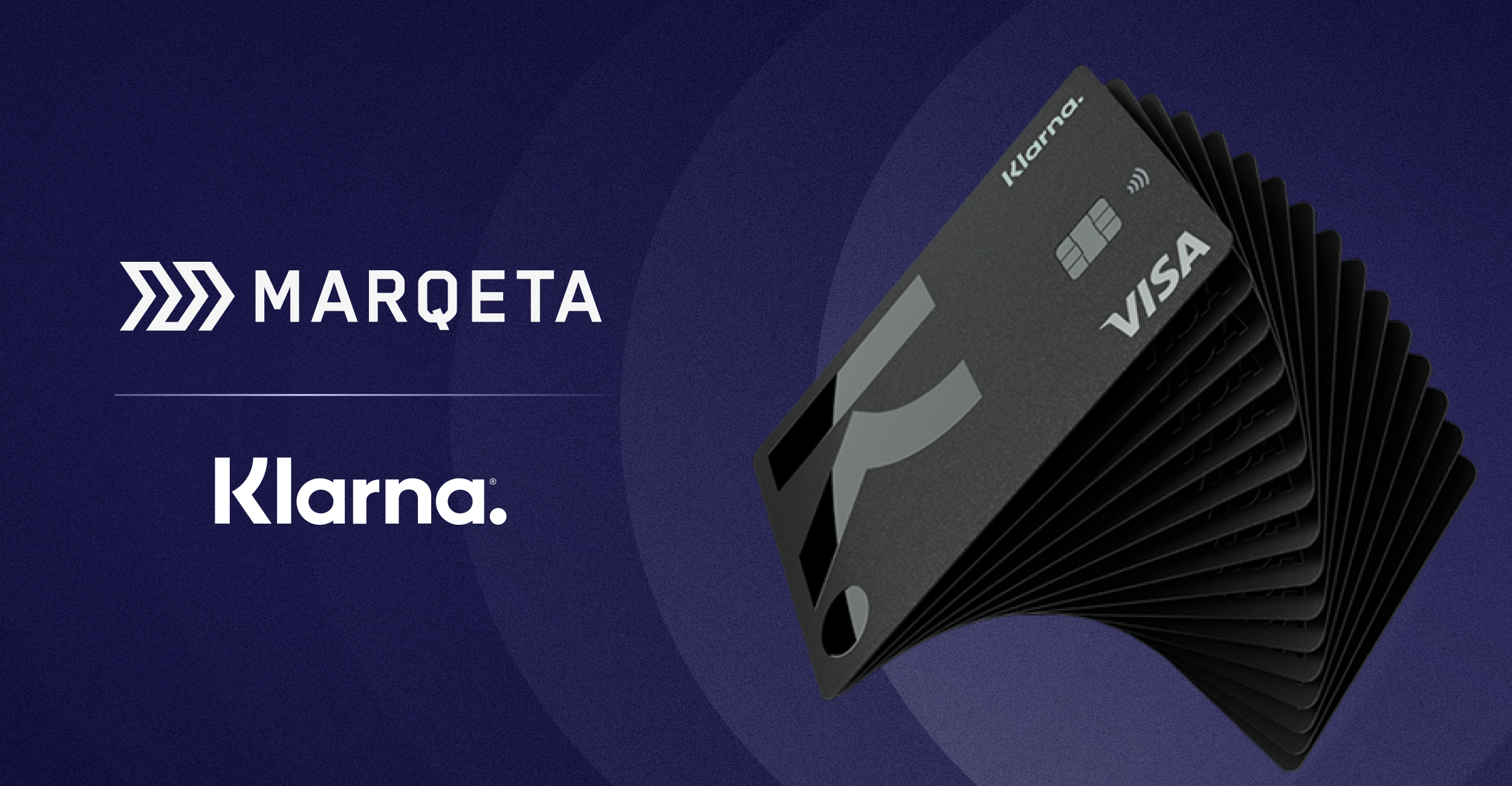
Unsurprisingly, Visa and MasterCard stand at the forefront of cards accepted by Klarna. These two networks dominate the global payment landscape, issued by virtually every bank and financial institution worldwide. Whether you possess a Visa credit card, a MasterCard debit card, or any other variant from these networks, Klarna is designed to accept them. This widespread acceptance ensures that the vast majority of consumers can link their primary bank cards to their Klarna account without issue. Payments processed via Visa and MasterCard benefit from established security protocols and global interoperability, making them reliable choices for recurring Klarna payments. Using a debit card linked to these networks allows for direct deductions from a checking account, appealing to those who prefer to spend within their available balance. Conversely, using a credit card from these networks can offer benefits like rewards points or extended warranty protection, although users must be mindful of their credit card statement due dates and interest rates if not paying off the balance in full.
Discover and American Express: Expanding Acceptance
Beyond Visa and MasterCard, Klarna has also extended its acceptance to other major card networks like Discover and American Express. While traditionally having slightly smaller global footprints than Visa and MasterCard, Discover and Amex are significant players, particularly in key markets. The inclusion of these networks further broadens Klarna’s accessibility, catering to cardholders who may prefer or exclusively use these cards for their unique benefits, such as rewards programs or customer service. It’s worth noting that while Klarna generally accepts these cards, there might be occasional exceptions depending on the specific merchant or country. However, for most mainstream transactions, American Express and Discover cards are valid payment methods for Klarna repayments. This comprehensive approach ensures that Klarna provides a versatile payment solution for a diverse consumer base.
Debit Cards vs. Credit Cards: A Nuance for Users
Klarna accepts both debit and credit cards across the supported networks. The choice between using a debit card or a credit card for Klarna repayments carries significant financial implications.
- Debit Cards: When you link a debit card, Klarna will deduct payments directly from your checking account. This is often preferred by users who want to strictly manage their spending within their available funds, preventing the accumulation of credit card debt. It fosters a pay-as-you-go mentality, aligning well with responsible budgeting practices. However, insufficient funds could lead to overdraft fees from your bank if not managed carefully.
- Credit Cards: Linking a credit card to Klarna means that the installment payments will be charged to your credit card. This can be advantageous for earning rewards points, cashback, or meeting minimum spending requirements for card bonuses. However, it introduces a layer of debt management. If you don’t pay your credit card statement in full each month, you’ll incur interest charges on the Klarna payments, potentially negating the interest-free benefit of the Klarna plan itself. Responsible use of credit cards with Klarna involves ensuring you can pay your credit card bill in full to avoid interest and maintain a healthy credit score. From a financial tools perspective, it’s about leveraging the Klarna “pay in 4” model to delay a payment, and then leveraging the credit card grace period to further delay payment without interest, provided you pay your credit card statement on time.
Beyond Traditional Cards: Alternative Payment Methods with Klarna
While card acceptance is extensive, Klarna’s commitment to user flexibility extends beyond credit and debit cards. The platform recognizes that consumers manage their finances in diverse ways and offers several alternative methods for linking accounts and making payments. This multi-faceted approach ensures that users have various options to align their Klarna repayments with their broader financial strategies, whether that involves direct bank linkages or leveraging Klarna’s own in-app functionalities.
Bank Accounts: Direct Debit and ACH Transfers
One of the most common and often preferred alternative methods is linking a bank account directly via direct debit or Automated Clearing House (ACH) transfers. This method allows Klarna to pull funds directly from a user’s checking or savings account on scheduled payment dates. For many, this offers a straightforward and secure way to manage repayments, as it bypasses card network fees and potential expiration issues associated with physical cards. Linking a bank account can be particularly appealing for those who wish to avoid credit card debt entirely or for users who manage their primary funds directly from their bank accounts. It also provides a stable payment method, as bank accounts don’t typically expire in the same way credit or debit cards do, reducing the need for frequent updates. This method reinforces Klarna’s role as a versatile financial tool, adapting to different user preferences for managing their money.
Klarna’s Own Payment Options: “Pay in 4” and “Pay Now”

Klarna itself offers inherent payment options that, while requiring an underlying linked account, represent distinct ways of utilizing the service.
- “Pay in 4” and “Pay in 30 Days”: These are the flagship BNPL offerings. While the repayments for these options are made via a linked card or bank account, the choice to use these plans is a Klarna-specific payment method at checkout. They are interest-free if paid on time and represent a form of short-term credit facilitated by Klarna. From a financial perspective, these tools allow for budget management, breaking down larger purchases into smaller, more digestible amounts without immediate financial strain.
- “Pay Now”: For users who prefer to pay for their purchases in full immediately, Klarna also facilitates a “Pay Now” option. This isn’t a BNPL service but rather a secure payment gateway. When selected, Klarna processes the full payment instantly using the user’s linked debit card or bank account. This option can be beneficial for those who appreciate Klarna’s streamlined checkout experience and security features but do not wish to defer payment. It effectively leverages Klarna as a convenient payment processing hub, similar to other digital wallets, enhancing the overall shopping experience.
The Role of Gift Cards and Prepaid Cards (and their limitations)
While Klarna strives for broad acceptance, certain payment types have limitations. Generally, Klarna does not accept gift cards or most prepaid cards for linking as a repayment method. The primary reason for this restriction is the inherent nature of these cards: they typically have a finite balance, may not support recurring transactions, and lack the comprehensive verification and ongoing balance assurance that traditional bank-issued debit and credit cards provide. Klarna’s BNPL model relies on the ability to process multiple, scheduled payments, which prepaid and gift cards are not typically designed to facilitate reliably. This limitation is a crucial point for users to understand, ensuring they link a stable and sustainable payment source for their Klarna agreements. Attempting to use a non-accepted card type would result in a declined transaction, requiring the user to update their payment information to an approved method.
Maximizing Your Klarna Experience: Tips for Card Users
Understanding which cards Klarna accepts is just the first step. To truly maximize the benefits and avoid potential pitfalls, users must adopt strategic financial practices. Klarna, like any financial tool, is most effective when managed thoughtfully within a broader personal finance plan.
Managing Multiple Payment Methods
Many Klarna users will have multiple cards and bank accounts. Klarna allows users to store several payment methods, offering flexibility for each purchase or repayment. It’s advisable to regularly review and update your stored payment information.
- Designate a Primary Method: For recurring payments, consider setting a primary debit card linked to your main checking account or a credit card with good rewards that you consistently pay off.
- Backup Method: Have a secondary payment method on file. This can be invaluable if your primary card expires, is lost, or experiences issues, preventing missed payments and potential late fees.
- Strategic Card Use: If using credit cards, align your Klarna payments with the card’s billing cycle. For example, if you have a credit card that offers 2% cashback on all purchases, using it for Klarna payments can effectively yield a small return, assuming you pay the credit card balance in full each month to avoid interest.
Understanding Interest and Fees with Credit Cards
While Klarna’s “Pay in 4” and “Pay in 30 days” options are interest-free when paid on time, using a credit card for these repayments can introduce interest and fees if the credit card balance isn’t fully paid.
- Avoid Double Interest: The main risk is incurring interest on your credit card for an amount that was interest-free with Klarna. This effectively negates the core benefit of BNPL.
- Late Fees: If your credit card payment is late, you’ll incur fees from your credit card issuer, in addition to any potential late fees from Klarna if the initial payment to them also failed due to insufficient credit card limits or issues.
- Credit Utilization: Using a credit card for Klarna payments increases your credit utilization ratio. If this ratio becomes too high (generally above 30%), it can negatively impact your credit score.
Linking and Verifying Payment Information
Ensuring your payment methods are correctly linked and verified is crucial for a smooth Klarna experience.
- Accuracy is Key: Double-check card numbers, expiry dates, and billing addresses when linking a new card.
- Verification Process: Klarna may use micro-deposits or other methods to verify bank accounts or new cards. Follow these steps promptly to activate your payment method.
- Keep Information Current: Expired cards are a common cause of failed payments. Set reminders to update card details well before their expiration date. Proactively managing this prevents disruptions and ensures timely payments.
Implications for Personal Finance and Budgeting
The acceptance of various cards and payment methods by Klarna presents both opportunities and potential pitfalls for personal finance. Strategic engagement with BNPL services, particularly when linked to diverse payment instruments, requires a clear understanding of its impact on budgeting, debt management, and credit health.
Responsible Use of Buy Now, Pay Later (BNPL)
Klarna’s core offering, BNPL, can be a powerful budgeting tool when used responsibly.
- Budget Alignment: Use Klarna to break down essential purchases into manageable, interest-free installments, helping to smooth out cash flow. This can be particularly useful for larger, planned expenses that don’t fit into a single monthly budget cycle.
- Avoid Overspending: The ease of BNPL can sometimes encourage impulse buying or overspending. Before using Klarna, assess if the purchase truly aligns with your financial goals and if you can comfortably afford the total amount across the installment period. It’s crucial not to view Klarna as a way to buy things you can’t afford, but rather as a way to manage payments for things you can afford.
- Track All Payments: Maintain a clear record of all Klarna agreements and their respective payment schedules. Integrate these into your personal budgeting software or calendar to ensure no payment is missed.
Impact on Credit Scores and Financial Health
While some Klarna payment options don’t always impact your credit score directly, using linked credit cards and longer-term financing options can certainly have an effect.
- Soft vs. Hard Checks: Most “Pay in 4” or “Pay in 30 days” options involve a “soft credit check,” which doesn’t affect your score. However, longer-term financing options may involve “hard credit checks,” which can temporarily lower your score.
- Payment History: Klarna reports payment activity to credit bureaus for some of its financing products. Making timely payments can positively contribute to your credit history, while missed or late payments can negatively impact your score. This applies regardless of whether the underlying payment method is a debit card (leading to failed payments if funds are insufficient) or a credit card (leading to a higher utilization ratio or missed payments if the card is maxed out).
- Debt Accumulation: While seemingly small, multiple BNPL plans across various providers can quickly accumulate into a substantial amount of short-term debt. This can strain your finances and make it harder to meet other financial obligations, particularly if you’re relying on linked credit cards which accrue interest.
Strategic Use for Budget Management
Integrating Klarna into your budget requires foresight and discipline.
- Cash Flow Management: For individuals with irregular income or specific monthly budget constraints, Klarna can act as a bridge, deferring payments until a paycheck arrives or spreading a large expense over several pay periods.
- Emergency Fund Protection: Instead of dipping into an emergency fund for a non-urgent but necessary purchase, Klarna can be used to pay over time, preserving your liquid savings for true emergencies.
- Automated Payments: Link a reliable payment method (preferably a debit card from a consistently funded account or a credit card you always pay off) and enable automatic payments within Klarna. This significantly reduces the risk of missed payments and the associated fees or negative credit impact.
By understanding the types of cards and payment methods Klarna accepts, and critically, how to manage them within a broader personal financial framework, consumers can harness the benefits of BNPL services effectively and responsibly. The flexibility offered by Klarna, when paired with informed financial decision-making, can be a valuable asset in modern personal finance.
aViewFromTheCave is a participant in the Amazon Services LLC Associates Program, an affiliate advertising program designed to provide a means for sites to earn advertising fees by advertising and linking to Amazon.com. Amazon, the Amazon logo, AmazonSupply, and the AmazonSupply logo are trademarks of Amazon.com, Inc. or its affiliates. As an Amazon Associate we earn affiliate commissions from qualifying purchases.