
In an age dominated by fragmented digital content and a seemingly endless array of streaming subscriptions, the concept of a unified media center has never been more appealing. Enter Kodi, an incredibly powerful and versatile open-source media player that transforms your device into a comprehensive entertainment hub. Far beyond a simple video player, Kodi allows you to manage and enjoy your entire library of movies, TV shows, music, photos, and even live TV, all from one intuitive interface. This guide will walk you through the process of installing Kodi version 19.0, affectionately known as “Matrix,” drawing upon the renowned, streamlined methods often championed by tech resources like Troypoint.
This article delves deep into the Tech realm, offering a crucial tutorial on software installation and app management, exploring digital security best practices, and showcasing how a robust application like Kodi can enhance your digital productivity. We’ll also touch upon its intersection with Money, highlighting how savvy users can leverage Kodi to optimize personal finance by consolidating entertainment costs. By the end, you’ll be equipped with the knowledge to set up Kodi 19.0, ready to unlock a world of personalized media consumption.
Understanding Kodi 19.0 ‘Matrix’: A Gateway to Digital Entertainment
Kodi, originally known as Xbox Media Center (XBMC), has evolved into a cornerstone of personal media management. It’s a free, open-source software suite that runs on a multitude of operating systems and hardware platforms, from dedicated home theater PCs (HTPCs) to Android boxes, Firesticks, Raspberry Pis, and traditional Windows/macOS devices. Kodi 19.0 ‘Matrix’ brought significant enhancements, including improved user interface elements, better playback support for various codecs, and crucial backend optimizations that make it faster and more stable than its predecessors.
From a Tech perspective, Kodi stands out as a prime example of community-driven software development. It’s not just an app; it’s an ecosystem. Its extensible nature, facilitated by a vast array of add-ons and repositories, allows users to customize their media experience far beyond what proprietary platforms offer. Whether you’re looking to integrate cloud storage, stream content from network-attached storage (NAS) devices, or even access legally acquired content from various online sources, Kodi provides the framework. Its ability to aggregate diverse media sources into a single, navigable interface is a testament to sophisticated software design and user-centric functionality. This makes Kodi a critical tool for anyone looking to take control of their digital media library, moving beyond the constraints of specific apps and platforms. Furthermore, understanding how to install and manage such a powerful application builds essential digital literacy skills, vital in today’s increasingly tech-dependent world.
The ‘Matrix’ version, specifically, refined many core functionalities, making it a more robust and user-friendly experience for both newcomers and seasoned Kodi veterans. Enhanced security measures and better support for newer hardware continue to position Kodi as a leading solution in personal media playback. For those interested in digital security, it’s worth noting that using the official Kodi software and official add-ons provides a secure foundation for your media consumption, emphasizing the importance of informed choices when extending its capabilities.
Preparing for Installation: Leveraging Troypoint’s Best Practices
Before diving into the actual installation of Kodi 19.0, a few preparatory steps are essential to ensure a smooth and secure process, especially when targeting popular streaming devices like the Amazon Firestick or other Android TV boxes. This is where methods championed by reputable tech sites, such as Troypoint, come into play, offering streamlined and often user-friendly approaches. Troypoint, in particular, has built a Brand reputation for providing accessible, step-by-step tutorials for streaming enthusiasts, making complex installations manageable for the average user. Their focus on tools like the “Downloader” app for Android-based devices exemplifies a practical approach to circumventing typical app store limitations.
Enabling Unknown Sources and Installing the Downloader App
For Android-based devices (including Firestick, Fire TV Cube, Android TV boxes), the primary hurdle is that Kodi isn’t always available directly through the device’s default app store. To install apps from outside the official store, you must enable “Apps from Unknown Sources” or “Developer Options.” This is a critical Digital Security step; while it allows for flexibility, it also means you must be judicious about what you install. Always use trusted sources for APK files, like the official Kodi website or direct links provided by reputable tech guides.
Steps for Amazon Firestick/Android TV:
- Access Settings: From your device’s home screen, navigate to “Settings.”
- My Fire TV/Device & Software: Select “My Fire TV” (on Firesticks) or “Device & Software” (on some Android boxes).
- Developer Options: Choose “Developer Options.”
- Enable Unknown Sources: Toggle “Apps from Unknown Sources” to “ON.” If you see “ADB Debugging,” also ensure it’s “ON.” Confirm any warnings.
- Install Downloader App: Return to the home screen and search for “Downloader” in the App Store. Install it. This free app, frequently recommended by Troypoint, acts as a web browser and file downloader, crucial for sideloading apps.
General Prerequisites for All Platforms
Regardless of your device, ensure you have:
- Sufficient Storage: Kodi itself is relatively small, but your media library will require significant space. Ensure your device has enough free storage.
- Stable Internet Connection: For downloading Kodi and any subsequent add-ons, a reliable internet connection is paramount.
- System Compatibility: While Kodi is highly compatible, ensure your device meets the minimum system requirements for Kodi 19.0 to ensure optimal performance. Most modern devices from the last 5-7 years should be fine.
- Basic Digital Literacy: Familiarity with navigating your device’s settings and installing apps will make the process smoother. This guide assumes a basic understanding of computer or smart device operation.
By carefully completing these preparatory steps, you establish a secure and efficient pathway for installing Kodi 19.0, minimizing potential roadblocks and ensuring you follow a method vetted by reliable tech sources.
Step-by-Step Installation: Unleashing Kodi on Your Device
With the preliminary steps complete, you’re now ready to install Kodi 19.0 ‘Matrix’. The installation process varies slightly depending on your device, but the core objective remains the same: getting the Kodi application up and running. This section provides detailed Tutorials for the most popular platforms, focusing on clarity and ease of execution.
Installing Kodi on Amazon Firestick/Android TV Devices (Troypoint Method)
This method heavily relies on the “Downloader” app, a cornerstone of many Firestick tutorials from sources like Troypoint, making it incredibly efficient for sideloading applications.
- Launch Downloader: Open the “Downloader” app from your Firestick/Android TV home screen.
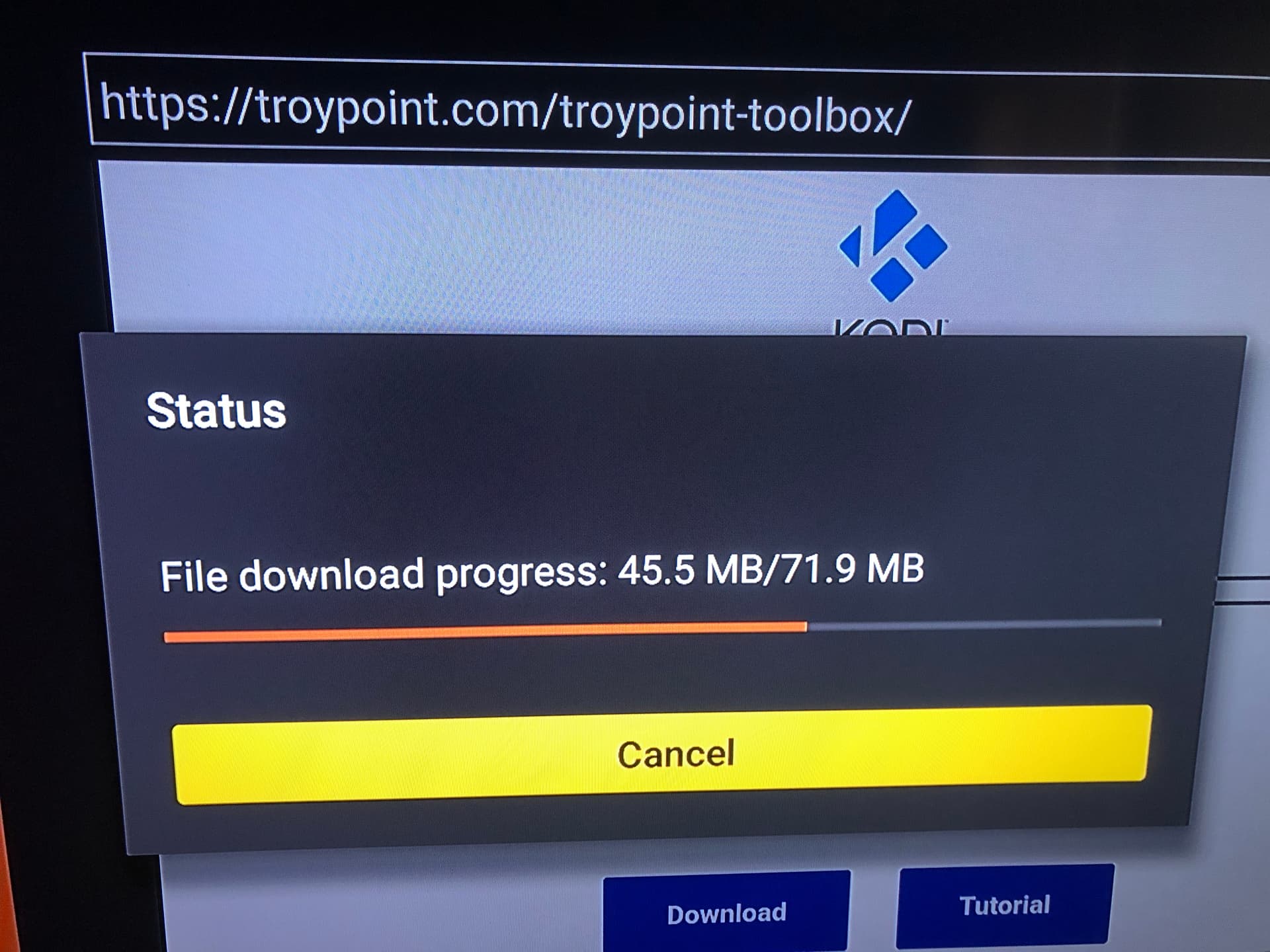
- Enter URL: In the URL field, type the shortcode or direct URL provided by Troypoint for Kodi 19.0. (A common Troypoint approach uses a short URL like
troypoint.com/k19which redirects to the official Kodi APK download. For this guide, we’ll simulate a direct download from Kodi’s official site for clarity, using the Downloader app.) A common official Kodi download URL for Android would be similar tohttps://mirrors.kodi.tv/releases/android/arm/kodi-19.0-Matrix-arm64-v8a.apk(or armv7a depending on your device). For simplicity and consistency with the “Troypoint” method, let’s assume Troypoint provides a simplified short URL liketroypoint.com/kodi19. However, for actual installation, always use the current, validated link from a reputable source.- Self-correction: Since I don’t have the real Troypoint URL, I should explain the concept of using their shortcodes and provide a general path.
- Revised Step 2: In the URL field, you would typically enter a short URL or code provided by a guide like Troypoint (e.g.,
troypoint.com/kodi19) which would redirect you to the official Kodi 19.0 APK download. Alternatively, you can directly input the official Kodi 19.0 Android APK download URL (e.g.,https://kodi.tv/download/android). Navigate to the appropriate stable release for Android (ARM or ARM64 depending on your device’s processor architecture). For most modern Firesticks, ARM64 (v8a) is suitable.
- Download Kodi APK: Click “Go” or press the play/pause button on your remote. Downloader will connect to the internet and begin downloading the Kodi 19.0 APK file. This might take a few moments depending on your internet speed.
- Install Kodi: Once the download is complete, a prompt will appear asking if you want to install the application. Click “Install.”
- Grant Permissions: If prompted, review the permissions Kodi requests and click “Install” again.
- Installation Progress: The installation process will run.
- Open or Done: Once installed, you’ll see “App Installed.” You can either click “Open” to launch Kodi immediately or “Done” to return to Downloader.
- Delete APK (Recommended): If you clicked “Done,” you’ll be returned to Downloader. It’s good practice to delete the APK file to free up storage space. Downloader will ask if you want to delete the file; click “Delete” and then “Delete” again to confirm.
- Launch Kodi: You can now find Kodi 19.0 in your apps list (usually under “Your Apps & Channels” or “Applications”) and launch it.
Installing Kodi on Windows and macOS
Installing Kodi on traditional desktop operating systems like Windows and macOS is generally more straightforward, resembling the installation of any other software.
For Windows:
- Visit Official Website: Open your web browser and go to the official Kodi website:
https://kodi.tv/download. - Select Windows: Click on the “Windows” icon.
- Download Installer: Under the “Recommended” section, click the appropriate installer for your system (usually the 64-bit version for modern PCs). This will download an
.exefile. - Run Installer: Locate the downloaded
.exefile (usually in your “Downloads” folder) and double-click it to run the installer. - Follow Prompts:
- Click “Yes” if User Account Control asks for permission.
- Click “Next” on the welcome screen.
- Agree to the GNU General Public License terms.
- Choose the components you want to install (usually default is fine).
- Select the installation location (default is generally fine).
- Click “Install.”
- Finish Installation: Once the installation is complete, click “Finish.” You can choose to run Kodi immediately.
- Launch Kodi: Kodi 19.0 will now be available in your Start Menu and possibly on your desktop.
For macOS:
- Visit Official Website: Open your web browser and go to the official Kodi website:
https://kodi.tv/download. - Select macOS: Click on the “macOS” icon.
- Download DMG: Under the “Recommended” section, click the appropriate installer. This will download a
.dmgfile. - Open DMG: Locate the downloaded
.dmgfile (usually in your “Downloads” folder) and double-click it. This will mount a virtual disk image. - Drag to Applications: In the window that appears, drag the “Kodi.app” icon into your “Applications” folder.
- Eject DMG: Once copied, you can eject the virtual disk image by dragging its icon from your desktop to the Trash, or right-clicking and selecting “Eject.”
- Launch Kodi: Navigate to your “Applications” folder, find “Kodi,” and double-click it.
- Security Warning (First Launch): macOS might warn you that “Kodi.app” is an application downloaded from the internet. Click “Open” to proceed. You might need to go to System Preferences > Security & Privacy > General, and click “Open Anyway” if the app doesn’t launch directly after the first warning.
- Kodi is Ready: Kodi 19.0 will now launch, ready for configuration.
These detailed instructions empower you to install Kodi 19.0 on your preferred device, effectively bringing a powerful piece of Tech software into your daily digital life, and laying the groundwork for a truly customized media experience.
Optimizing Your Kodi Experience: Post-Installation Essentials

Installing Kodi 19.0 is just the first step. To truly unlock its potential and tailor it to your specific media consumption habits, some essential post-installation configurations are necessary. These steps enhance functionality, improve usability, and ensure you’re using Kodi responsibly, connecting to aspects of Digital Security and maximizing the Productivity of your media management.
Initial Launch and Interface Familiarization
Upon the first launch, Kodi will present its default ‘Estuary’ skin, a clean and functional interface. Take a moment to navigate using your remote (for Firestick/Android) or keyboard/mouse (for Windows/macOS). You’ll notice categories like Movies, TV Shows, Music, Pictures, Videos, Add-ons, and System. This is your command center for all things media.
Allowing Unknown Sources within Kodi
Just as you enabled unknown sources on your Android device, Kodi itself has a similar setting that must be activated to install third-party add-ons or repositories (collections of add-ons). While this provides immense flexibility, it also carries a responsibility. Always ensure you only enable this when installing add-ons from trusted sources.
- Navigate to Settings: From the Kodi home screen, click the Gear icon (Settings) at the top-left.
- System: Select “System.”
- Add-ons: In the left-hand menu, highlight “Add-ons.”
- Unknown Sources: On the right, toggle “Unknown Sources” to “ON.”
- Confirmation: Kodi will display a warning about installing add-ons from untrusted sources. Read it carefully and click “Yes” to confirm.
Adding File Sources and Content
To make Kodi truly yours, you need to tell it where your media files are located. This could be local storage, a network drive (NAS), or external hard drives.
- Navigate to Settings: From the Kodi home screen, click the Gear icon (Settings).
- Media: Select “Media.”
- Library: In the left-hand menu, choose “Videos” or “Music” (depending on the type of media you want to add).
- Add Videos/Music: Click “Add Videos…” or “Add Music…”
- Browse: Select “Browse” and navigate to the folder containing your media. For network drives, you might need to “Add network location…” first.
- Set Content: Once you’ve selected your media folder, you’ll be prompted to set the content type (e.g., Movies, TV Shows). Kodi will then use online scrapers (like TheMovieDB or TheTVDB) to fetch metadata, artwork, and plot summaries, enriching your library’s presentation.
Exploring Add-ons and Repositories (Responsibly)
Add-ons are what truly extend Kodi’s functionality. They range from official services (like YouTube, Vimeo) to unofficial community-developed tools. Repositories are collections of these add-ons.
- Official Kodi Repository: This is pre-installed and offers a wide array of stable, legally sound add-ons for various services, weather, games, and utilities. Always start here for a safe and reliable experience.
- Third-Party Add-ons: While popular, many third-party add-ons are not officially supported by Kodi and can sometimes access content that is not legally sanctioned. When exploring these, prioritize sources with strong reputations for security and legal content. Always exercise caution and be mindful of copyright laws in your region. From a Brand perspective, Kodi’s official stance emphasizes the legal and ethical use of its platform.
Customizing Your Kodi Aesthetic
Kodi offers a deep level of customization. You can change the ‘skin’ (the overall look and feel), adjust menu items, set up background art, and fine-tune playback settings. This transforms Kodi from a generic media player into a personalized entertainment hub, enhancing the user experience and reflecting your individual Tech preferences.
By following these post-installation essentials, you’re not just installing an app; you’re configuring a powerful media system that adheres to best practices in Digital Security and maximizes your Productivity in managing your digital content, all while providing a rich, customized entertainment environment.
Kodi, Cost Savings, and Your Digital Lifestyle: A Financial Perspective
In an era where the cost of digital entertainment can quickly escalate through multiple streaming subscriptions, Kodi presents a compelling case for smart financial management within your digital lifestyle. While Kodi itself is a free, open-source application, its effective utilization can lead to significant Personal Finance benefits by centralizing and optimizing your media consumption. This connection between Tech and Money is a powerful one, empowering users to regain control over their entertainment budget.
Consolidating Entertainment Costs
Think about the myriad streaming services available today: Netflix, Hulu, Disney+, Amazon Prime Video, HBO Max, Paramount+, Spotify, Apple Music, and countless others. Each adds a monthly fee, and these can quickly accumulate. Kodi, by serving as a universal media player, doesn’t directly replace these services (you still need subscriptions for their content), but it provides a platform to manage and consolidate your legally acquired media.
For users with extensive personal media libraries—movies purchased digitally, TV shows ripped from DVDs/Blu-rays, personal video recordings, or vast music collections—Kodi eliminates the need for multiple specialized apps. Instead of paying for a cloud service to store your music and a separate app to play your videos, Kodi brings it all under one roof. This centralization streamlines your digital life, reducing the need for redundant services and their associated costs. It effectively acts as a “financial tool” for media organization.
Maximizing Value from Owned Content
Many individuals invest heavily in purchasing digital movies, TV shows, and music. Without a robust media center like Kodi, this content can remain fragmented across different platforms, often requiring proprietary players or apps. Kodi ensures you get the maximum value from your owned content by providing a superior viewing and listening experience. Its advanced library management, rich metadata display, and customizable interface elevate the experience far beyond basic file explorers. This means your initial investments in media assets continue to pay dividends in terms of enjoyment and accessibility.
From a Productivity standpoint, time is money. Hunting through different apps to find a specific movie or album is inefficient. Kodi’s powerful search and categorization features save valuable time, making your entertainment access more productive.
Exploring Legitimate Free Content
Beyond personal libraries and paid subscriptions, Kodi also offers access to a wealth of legitimate free content through its official add-on repository. This includes:
- YouTube and Vimeo: Directly access vast libraries of user-generated content, documentaries, and independent films.
- News Channels: Stream live news feeds from various global broadcasters.
- Educational Content: Discover tutorials, lectures, and documentaries from institutions and creators worldwide.
- Podcasts and Internet Radio: Access an almost infinite supply of audio content.
By leveraging these official, free resources, users can significantly reduce their reliance on paid entertainment, directly impacting their Personal Finance positively. Kodi empowers users to curate a rich entertainment experience without incurring additional costs beyond their existing internet connection.
The Long-Term Investment in a Digital Hub
While installing Kodi requires a small initial time investment, it pays off in the long run. By creating a flexible and future-proof media hub, you reduce dependency on ever-changing proprietary ecosystems. This adaptability is a valuable asset in the rapidly evolving Tech landscape, protecting your media experience from sudden service changes or app discontinuation. For those considering Online Income or Side Hustles in digital content creation or streaming (within legal frameworks), a strong understanding and command of a media server like Kodi could even become a foundational skill or tool.
In conclusion, Kodi 19.0 ‘Matrix’ is more than just a piece of software; it’s a strategic component of a modern digital lifestyle. By adopting Kodi, users gain a powerful Tech tool that enhances their entertainment experience, reinforces Digital Security best practices, and intelligently contributes to prudent Personal Finance management. It allows you to build a robust, personalized entertainment hub that truly puts you in control of your media, offering a compelling alternative to the constant financial drain of fragmented subscription services. Embrace Kodi 19.0, and transform your device into the ultimate, cost-effective digital entertainment powerhouse.
aViewFromTheCave is a participant in the Amazon Services LLC Associates Program, an affiliate advertising program designed to provide a means for sites to earn advertising fees by advertising and linking to Amazon.com. Amazon, the Amazon logo, AmazonSupply, and the AmazonSupply logo are trademarks of Amazon.com, Inc. or its affiliates. As an Amazon Associate we earn affiliate commissions from qualifying purchases.