
In the ever-evolving world of personal finance, understanding the true worth of your assets is paramount. Whether you’re looking to upgrade your vehicle, refresh your tech gadgets, or even consider larger asset exchanges, the concept of “trade-in value” plays a significant role in your financial decision-making. Far from being a mere convenience, trading in an item can be a strategic financial maneuver that impacts your budget, future investments, and overall wealth management.
This article delves into the intricacies of determining your trade-in value, exploring the myriad factors that influence it, and outlining actionable strategies to ensure you get the best possible return. From the initial assessment of your asset to the final negotiation, we will guide you through the financial considerations that empower you to make informed choices, comparing the benefits and drawbacks of trading in versus selling privately, and leveraging the right tools to maximize your financial advantage. Understanding your trade-in value isn’t just about getting a good deal; it’s about smart personal finance and effective asset management.

Understanding the Fundamentals of Trade-In: A Personal Finance Perspective
At its core, a trade-in is a transaction where an existing item you own is used as partial payment for a new purchase. Instead of selling your old item separately and then using the cash to buy something new, the trade-in consolidates these two steps into one, often seamless, process. While commonly associated with vehicles, the principle applies to a wide range of goods, from smartphones and gaming consoles to jewelry and even some types of real estate. From a personal finance standpoint, understanding this mechanism is crucial for optimizing your expenditures and managing your assets efficiently.
Trade-In Defined: Convenience Meets Value
The primary appeal of a trade-in lies in its convenience. It eliminates the hassle of marketing, negotiating with private buyers, and handling the logistics of a separate sale. For many, the time and effort saved are invaluable, offering a streamlined path to upgrading. Financially, a trade-in effectively reduces the cash outlay for your new purchase, which can be advantageous for budgeting and cash flow management. In some jurisdictions, trade-ins can even offer a tax benefit, as you might only pay sales tax on the net difference between the new item’s price and your trade-in value, rather than the full price of the new item. This immediate reduction in taxable amount can translate into significant savings, positioning the trade-in as more than just a discount, but a genuine financial tool.
The Strategic Role in Asset Management
Incorporating trade-ins into your personal finance strategy requires a holistic view of your assets. It’s about recognizing that every item of value you own has a lifecycle and a depreciating worth. Regularly assessing the trade-in potential of your possessions can help you avoid holding onto items past their peak value, thereby minimizing financial loss due to depreciation. Strategic trading in allows you to convert depreciating assets into credit for new purchases, effectively reinvesting that residual value. This approach contributes to better financial planning, ensuring that you’re consistently making financially sound decisions regarding your personal property. It’s an active form of asset management that prevents financial stagnation and encourages forward-thinking consumer behavior.
Common Trade-In Assets: From Cars to Gadgets
While cars are the archetypal trade-in item, the spectrum of assets eligible for trade-in is broad and continually expanding. High-value electronics like smartphones, laptops, tablets, and gaming consoles are frequently traded in as new models are released. Jewelry, watches, and even certain collectibles can also be traded or consigned. The common thread among these items is a discernible secondary market value and a mechanism for a new purchase in the same category. For example, trading in an old engagement ring for credit towards a new piece of jewelry, or exchanging an outdated smartphone for the latest model, are commonplace. Understanding the specific market for your asset is the first step in accurately assessing its trade-in potential and identifying the right vendor or platform for the transaction.
Deconstructing Value: Key Factors That Drive Trade-In Offers
Determining your trade-in value isn’t a simple calculation; it’s a multi-faceted assessment influenced by a complex interplay of physical attributes, market forces, and the specific needs of the buyer. Understanding these underlying factors is crucial for setting realistic expectations and effectively negotiating for a fair price. Each element contributes to the overall financial proposition you’ll receive.
Condition, Age, and Miles/Usage: The Physical Assessment
The physical state of your item is arguably the most significant factor. For vehicles, this includes the exterior (dents, scratches, paint condition), interior (wear and tear on seats, dashboards, cleanliness), mechanical functionality (engine, transmission, brakes), and tire condition. Similarly, for electronics, it’s about screen integrity, battery health, operational speed, and any cosmetic damage. The older an item is, or the more it has been used (e.g., high mileage on a car), the more it generally depreciates. A well-maintained item, even if older, will always command a better price than a newer item that has been neglected or abused. Full functionality and a clean appearance signal that the item requires less investment for resale, translating into a higher trade-in offer.
Market Dynamics: Supply, Demand, and Trends
Beyond the item itself, the external market environment plays a pivotal role. The law of supply and demand dictates that if there’s high demand for a particular model or type of item and low supply, its value will naturally increase. Conversely, an oversupply or dwindling interest can depress values. Current trends, technological advancements, and seasonal variations also impact demand. For instance, convertible cars might fetch higher trade-in values in spring, while certain electronics might see a dip in value just before a new model release. Staying abreast of these market dynamics can help you time your trade-in for maximum financial benefit. Economic conditions, such as interest rates and consumer confidence, also indirectly influence the willingness of buyers to offer higher prices.
Brand Equity and Perceived Reliability
The brand of your item carries significant weight. Brands known for their reliability, durability, and strong resale value (e.g., certain automotive brands, premium electronics manufacturers) tend to retain their value better than lesser-known or less reputable brands. This “brand equity” instills confidence in potential buyers that the item will be dependable and desirable in the secondary market. A strong brand often implies better build quality, easier access to parts for repairs, and a larger community of potential future buyers, all of which contribute to a higher trade-in offer from a dealership or reseller looking to minimize their risk and maximize their profit on resale.
The Dealership/Buyer’s Business Model and Inventory Needs
Finally, the trade-in offer you receive is heavily influenced by the specific dealership or buyer. Their business model dictates their profit margins and inventory turnover goals. A dealership might offer a higher trade-in value for a vehicle that perfectly fits their current inventory needs or is a popular model they can quickly resell. Conversely, if they already have an abundance of your particular item, or if it’s a model that is typically harder for them to move, their offer will likely be lower. Their operational costs, overhead, and even their current sales targets can all factor into how aggressive they are willing to be with their trade-in offers. This highlights the importance of shopping around and understanding that offers can vary significantly from one buyer to another.
Strategies to Maximize Your Trade-In Value
Securing the best possible trade-in value isn’t a matter of luck; it’s the result of diligent preparation, thorough research, and strategic negotiation. By taking proactive steps and understanding the financial levers at your disposal, you can significantly enhance your return and optimize your personal finance outcome.
The Power of Preparation: Cleaning, Minor Repairs, and Documentation
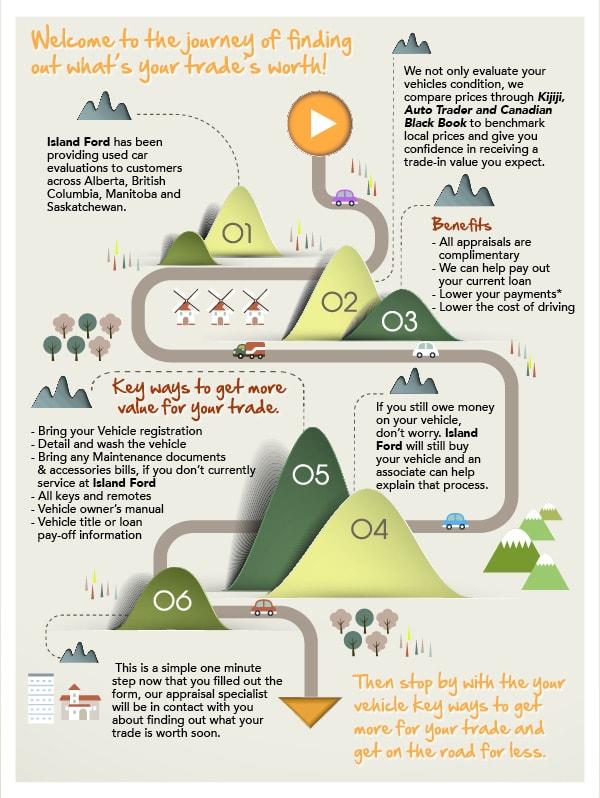
Presenting your item in its best possible light is crucial. A thorough cleaning, inside and out, creates a positive first impression and suggests meticulous ownership. Addressing minor repairs, such as fixing a loose mirror, replacing a burnt-out bulb, or repairing a small scratch, can prevent a buyer from significantly devaluing the item. These small investments often yield disproportionately higher returns in the trade-in offer. Furthermore, having all relevant documentation—service records, owner’s manuals, original accessories, and proof of ownership—demonstrates transparency and can increase the perceived value and trustworthiness of the item. For electronics, ensure factory resets are performed and all personal data is wiped, while cars should have clear titles and service history readily available.
Thorough Research: Knowing Your Asset’s Worth
Before you even approach a buyer, you must have a realistic understanding of your item’s market value. This is where financial tools and market research become invaluable. Utilize online valuation platforms (e.g., Kelley Blue Book, Edmunds for cars; Gazelle, Swappa for electronics) to get an estimated trade-in range. Browse classifieds and online marketplaces to see what similar items are selling for privately and through dealerships. This research arms you with critical information, allowing you to discern a fair offer from an exploitative one. Knowing your item’s worth empowers you in negotiations, ensuring you don’t undersell your asset.
Timing is Everything: Capitalizing on Market Opportunities

The timing of your trade-in can significantly impact its value. For vehicles, trade-in values might fluctuate with new model year releases or seasonal demand (e.g., SUVs and 4x4s potentially higher in winter). For electronics, trading in before the next generation is announced or released can fetch a better price, as demand for the older model typically dips sharply afterwards. Monitor market trends and news related to your item to identify optimal windows for exchange. Trading in an item while it still holds substantial market relevance and before major depreciation curves hit can be a savvy financial move.
The Art of Negotiation: Securing the Best Deal
Negotiation is a critical skill in maximizing trade-in value. Never accept the first offer. Be prepared to politely counter and justify your desired price based on your research and the item’s condition. Separate the discussion of your trade-in value from the price of the new item you’re buying. Some dealerships might try to conflate the two, offering a seemingly good deal on the new item while lowballing your trade-in. Focus on getting a fair standalone value for your trade-in first. Be confident, informed, and willing to walk away if the offer doesn’t meet your financial expectations. Remember, the buyer wants your business, and a well-informed negotiator can leverage this desire.
Exploring Multiple Avenues: Don’t Settle for the First Offer
Just as you wouldn’t buy the first car you see, don’t trade in your asset with the first offer you receive. Approach multiple dealerships, resellers, or online trade-in platforms. Offers can vary significantly based on individual inventory needs, pricing strategies, and regional demand. Getting several quotes allows you to compare and leverage one offer against another to drive up the price. This competitive bidding process is a fundamental financial strategy that ensures you explore all possibilities and secure the most financially advantageous deal for your trade-in.
Trade-In vs. Private Sale: A Comprehensive Financial Analysis
The decision to trade in an asset versus selling it privately is a classic personal finance dilemma. Both options have distinct financial implications, and the “better” choice often depends on your priorities, the asset in question, and your available time and resources. A thorough analysis involves weighing potential profit against convenience and hidden costs.
Convenience vs. Potential Profit: Weighing the Trade-Off
The most apparent difference lies in the balance between convenience and potential financial gain. Trading in offers unparalleled ease: you bring your old item, receive a credit, and drive/walk away with your new purchase, all in one transaction. This convenience, however, often comes at a cost. Dealers and resellers need to factor in their overhead, reconditioning costs, and profit margins, which means the trade-in offer will almost always be lower than what you could potentially get from a private sale. A private sale, while requiring more effort—listing, marketing, responding to inquiries, demonstrating the item, and managing paperwork—typically yields a higher monetary return. Your financial analysis should quantify how much that convenience is truly worth to you.
Tax Implications and Other Hidden Benefits
Beyond the upfront cash, consider the tax benefits. In many places, when you trade in an item, you only pay sales tax on the difference between the new item’s price and your trade-in value. For example, if you buy a $30,000 car and trade in your old car for $10,000, you might only pay sales tax on $20,000. If you sold your old car privately for $10,000 and then bought the new car for $30,000, you would pay sales tax on the full $30,000. This tax saving can significantly narrow the gap between a trade-in offer and a private sale profit. There’s also the benefit of security; trading in with an established business avoids the risks associated with private sales, such as dealing with unreliable buyers or potential scams.
Assessing Your Time and Effort Investment
Time is money, and this adage holds true when comparing trade-in to private sale. Selling privately demands a substantial investment of your time and effort:
- Preparation: Cleaning, minor repairs, taking photos, writing compelling descriptions.
- Marketing: Listing on various platforms, paying for ads.
- Communication: Answering queries, scheduling viewings.
- Negotiation: Dealing with lowball offers and serious buyers.
- Logistics: Meeting buyers, handling test drives, processing payments, transferring ownership.
For some, this entire process can be stressful and time-consuming, diverting valuable hours from work, family, or leisure. If your time is highly valued, the financial convenience premium of a trade-in might be a worthwhile investment, even if it means accepting a slightly lower monetary sum.
When Does Trade-In Make More Financial Sense?
Trading in often makes more financial sense under specific circumstances:
- Time Constraints: If you need to dispose of the item quickly due to relocation, new purchase urgency, or lack of storage.
- Lower Value Items: For items with a relatively low market value, the effort of a private sale might outweigh the marginal increase in profit.
- Tax Benefits: When significant sales tax savings can be realized, particularly on high-value new purchases.
- Complex Items: Assets that are difficult to sell privately due to their nature, specialty, or condition.
- Convenience Priority: If the hassle-free experience and immediate transaction are paramount to your financial peace of mind.
Conversely, a private sale is generally favored for high-value items where the potential profit margin significantly exceeds the perceived value of convenience and tax savings, or when you have ample time and are comfortable with the sales process.
Leveraging Financial Tools and Expert Insights
In today’s digital age, a wealth of resources exists to help you accurately assess your trade-in value and make financially sound decisions. Leveraging these tools and expert insights can provide clarity and confidence throughout the process.
Online Valuation Platforms and Resources
The internet offers numerous powerful tools for estimating the value of your assets. For vehicles, sites like Kelley Blue Book (KBB.com), Edmunds, and NADAguides provide comprehensive valuation reports based on make, model, year, mileage, and condition. For electronics, platforms like Gazelle, Swappa, and various carrier trade-in programs offer instant quotes. These platforms utilize vast datasets of historical sales and current market trends to give you an educated estimate. While these are estimates, they provide an invaluable starting point for your research and negotiation, allowing you to walk into a dealership or private sale with a baseline understanding of fair market value. Always check several platforms, as their methodologies and data sources can differ, leading to varying estimates.
The Role of Professional Appraisals
For high-value, unique, or specialized assets—such as classic cars, art, antiques, certain types of jewelry, or real estate—an online estimate might not suffice. In these cases, a professional appraisal is a prudent financial investment. Certified appraisers possess specialized knowledge and expertise to accurately assess the intrinsic value, condition, authenticity, and market rarity of an item. While an appraisal comes with a fee, the precision and credibility it offers can be crucial during negotiations, potentially securing a significantly higher trade-in or sale price. It provides an objective, third-party assessment that can validate your pricing expectations.
Consulting Financial Advisors
For complex financial situations, particularly involving multiple asset trades or significant sums, consulting a financial advisor can be highly beneficial. A financial advisor can help you integrate your trade-in decision into your broader financial plan, considering its impact on your budget, investments, debt management, and long-term goals. They can offer insights into tax implications, help you weigh the opportunity cost of various options, and even assist in navigating the emotional aspects of parting with a valued asset. Their expertise provides a personalized perspective that online tools cannot, ensuring your trade-in decision aligns with your overall financial well-being and strategic objectives.
Conclusion
Understanding “what is my trade-in value” is more than just curiosity; it’s a fundamental aspect of savvy personal finance and effective asset management. By dissecting the various factors that influence an item’s worth—from its physical condition and market demand to brand reputation and the buyer’s business model—you empower yourself with knowledge.
The strategic application of preparation, thorough research, and astute negotiation tactics can significantly elevate your financial return. Furthermore, a comprehensive financial analysis of trading in versus selling privately, considering aspects like convenience, potential profit, and tax implications, allows you to make a choice that aligns with your personal circumstances and financial goals. Finally, leveraging modern financial tools and, where appropriate, expert advice, provides the clarity and confidence needed to navigate these transactions successfully.
Ultimately, whether you opt for the convenience of a trade-in or the potentially higher return of a private sale, an informed decision transforms a simple exchange into a powerful financial maneuver, ensuring your assets continually contribute to your overall financial health and prosperity.
aViewFromTheCave is a participant in the Amazon Services LLC Associates Program, an affiliate advertising program designed to provide a means for sites to earn advertising fees by advertising and linking to Amazon.com. Amazon, the Amazon logo, AmazonSupply, and the AmazonSupply logo are trademarks of Amazon.com, Inc. or its affiliates. As an Amazon Associate we earn affiliate commissions from qualifying purchases.