
At the helm of one of the world’s most influential technology companies, Intel, stands Patrick Gelsinger. His leadership is not merely about guiding a semiconductor giant through an intensely competitive landscape; it is fundamentally about stewarding a globally recognized brand, redefining its identity, and communicating a compelling vision to stakeholders worldwide. For a company like Intel, whose chips power much of the digital world, the CEO is the ultimate brand ambassador, shaping its corporate narrative, influencing market perception, and imbuing its operations with a distinct identity.
Pat Gelsinger: The Return of an Intel Veteran and Brand Steward
The appointment of Pat Gelsinger as Intel’s CEO in February 2021 marked a pivotal moment for the company. It wasn’t just a change in leadership; it was a powerful statement about Intel’s commitment to returning to its roots, reaffirming its engineering prowess, and revitalizing its brand image after a period of significant challenges. Gelsinger’s return was widely perceived as a homecoming, a move designed to leverage his deep institutional knowledge and revered technical acumen to restore Intel’s tarnished luster.
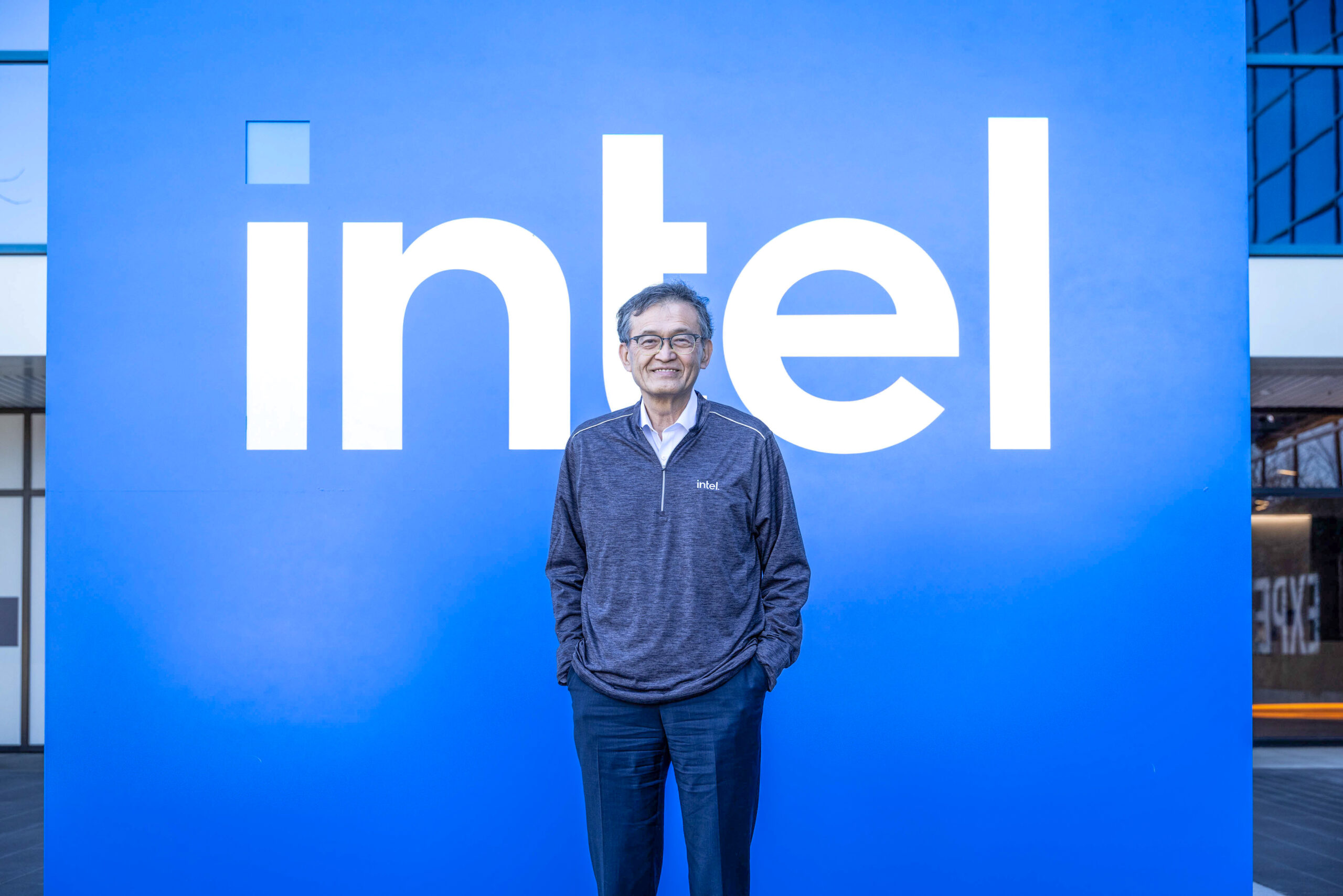
A Legacy Forged in Silicon and Leadership
Gelsinger’s journey within Intel began in 1979, straight out of college. Over his 30-year tenure before his initial departure in 2009, he played a crucial role in developing key Intel technologies, including the original 80286 and 80386 processors, and was the architect of the widely successful Intel 486 processor. Rising through the ranks, he became Intel’s first Chief Technology Officer (CTO), a position that underscored his profound influence on the company’s technological direction and, by extension, its brand identity as an innovation leader. This deep technical foundation is a cornerstone of his brand stewardship today. His credibility within the engineering community, both inside and outside Intel, lends authenticity to the brand’s claims of innovation and technical excellence. He understands the product, the process, and the people behind the chips, which allows him to articulate Intel’s capabilities and future roadmap with a conviction that resonates deeply with technical audiences and investors alike.
Before returning to Intel, Gelsinger served as the CEO of VMware for eight years, transforming it into a leading enterprise software company. This experience honed his skills in corporate strategy, market expansion, and, crucially, brand development beyond hardware. He learned to articulate a vision for a software-defined future, positioning VMware as an essential partner in digital transformation. This blended experience – deep hardware expertise from Intel and strategic software leadership from VMware – equipped him with a holistic understanding of the tech ecosystem, enabling him to craft a more comprehensive and forward-looking brand narrative for Intel.
Stepping Back into the Helm During a Pivotal Moment
Gelsinger rejoined Intel at a critical juncture. The company faced stiff competition from rivals like AMD and NVIDIA, manufacturing delays that hindered its ability to keep pace with market demands, and a perceived loss of its technological edge. Its brand, once synonymous with unchallenged innovation and performance, had begun to fray, marked by skepticism from investors and a declining share of voice in critical market segments. The decision to bring back Gelsinger was a strategic move to restore confidence, both internally among its vast workforce and externally among customers, partners, and the broader market.
His appointment signaled a commitment to change and a return to foundational principles. It was a declaration that Intel would double down on engineering, manufacturing, and innovation—areas where Gelsinger himself had built his legendary reputation. This re-orientation was not just operational; it was a powerful rebranding effort, signaling Intel’s intent to reclaim its identity as the undisputed leader in semiconductor technology. His immediate challenge was to articulate a clear path forward that would unify the company’s internal efforts and project a renewed sense of purpose and capability to the world.
Reshaping Intel’s Corporate Identity and Brand Narrative
Gelsinger’s initial months were characterized by bold strategic pronouncements aimed at fundamentally reshaping Intel’s corporate identity and brand narrative. He understood that to regain market leadership, Intel needed to not only fix its operational issues but also rebuild its reputation and recalibrate how it was perceived by the industry and the public. This required a clear, compelling vision that could inspire and mobilize.
IDM 2.0: A Bold Vision for a Reinvigorated Brand
The centerpiece of Gelsinger’s strategy is “IDM 2.0,” an acronym for “Integrated Device Manufacturer 2.0.” This initiative isn’t just a manufacturing strategy; it’s a comprehensive rebranding of Intel’s core business model, designed to leverage its unique strengths while embracing new pathways for growth. IDM 2.0 comprises three key pillars:
- Internal Manufacturing: Reaffirming Intel’s commitment to its in-house factory network, promising world-class process technology leadership, and emphasizing its ambition to be the primary manufacturer of most of its products. This pillar aims to restore Intel’s brand as a manufacturing powerhouse, a differentiator that was once its unquestionable strength. It speaks to control, reliability, and scale—qualities central to its historical brand image.
- Increased Use of External Foundries: Acknowledging the need for flexibility and access to leading-edge process technology, Intel plans to expand its use of third-party foundries for certain products. This move demonstrates pragmatism and a willingness to adapt, shedding the perception of insularity that had plagued the brand. It signals a more open and collaborative Intel, one focused on delivering the best products regardless of the fabrication source.
- Intel Foundry Services (IFS): Perhaps the most audacious brand statement, IFS involves opening Intel’s factories to produce chips for other companies, including competitors. This transforms Intel from primarily a product company into a full-fledged foundry service provider. This move dramatically redefines Intel’s corporate identity, positioning it not just as a chip designer, but as a foundational enabler of the entire semiconductor industry. It leverages Intel’s immense manufacturing assets as a competitive advantage and a new revenue stream, projecting an image of expansive capability and industry leadership.
Together, these pillars craft a new narrative: Intel as a vertically integrated powerhouse that is also an agile, open partner in the global semiconductor ecosystem. This reframing of its identity is crucial for winning back trust and demonstrating long-term viability.
Reaffirming Core Values and Market Leadership
Beyond IDM 2.0, Gelsinger has tirelessly worked to reaffirm Intel’s core values—excellence, innovation, customer obsession, and quality—in every communication and strategic decision. He has positioned Intel as a vital player in addressing global challenges, from digital transformation to technological sovereignty. This includes advocating for government support, like the CHIPS Act, emphasizing Intel’s role in bolstering domestic semiconductor production and enhancing national security. By doing so, he elevates Intel’s brand beyond mere product specifications to one of national importance and strategic leadership.
He has also focused on re-establishing Intel’s narrative as the leader in foundational computing technologies, not just for PCs but for data centers, AI, graphics, and emerging areas. The goal is to shift perception from a company that might have lagged to one that is aggressively innovating across all critical segments of computing, ensuring that Intel remains at the forefront of the technological discourse. This includes showcasing breakthroughs in new architectures, packaging technologies, and software optimizations, all designed to reinforce Intel’s brand as an innovator at every layer of the computing stack.
Leadership, Communication, and Brand Perception

A CEO’s personal brand and communication style are inextricably linked to the corporate brand. Pat Gelsinger’s approach to leadership and communication has been instrumental in shaping how Intel is perceived, both internally by its employees and externally by the market.
Engaging Stakeholders with Transparency and Conviction
Gelsinger is known for his direct, enthusiastic, and highly technical communication style. He speaks with conviction and an obvious passion for technology, qualities that resonate deeply within the engineering-driven culture of Intel and with its tech-savvy customer base. His ability to articulate complex technical strategies in an understandable yet inspiring manner has been critical in restoring confidence. He has committed to a culture of greater transparency, acknowledging past missteps while clearly outlining the roadmap for recovery and growth. This candidness helps to rebuild trust, showing that Intel is facing its challenges head-on rather than skirting them.
He regularly engages with investors, analysts, customers, and employees through various forums, from earnings calls to internal town halls. In these interactions, he consistently reinforces Intel’s strategic direction, reiterates its brand promise, and solicits feedback. His visible and active leadership is a powerful brand signal, indicating stability, clear direction, and a hands-on approach to problem-solving. This visibility is vital in maintaining a strong brand image, especially during periods of intense competition and technological transition.
Cultivating a Culture of Innovation and Accountability
Internally, Gelsinger has emphasized a return to an “engineering-first” culture, fostering an environment where innovation thrives, and accountability is paramount. He has challenged employees to “Go for Broke” and take calculated risks, reminiscent of Intel’s early, pioneering days. This cultural shift is a direct brand strategy: by empowering engineers and fostering a spirit of bold innovation, Intel aims to not only accelerate its product roadmap but also rebuild its reputation as a preferred employer for top engineering talent. A strong internal culture, driven by purpose and innovation, naturally translates into a more vibrant and appealing external brand.
He understands that a strong brand is built from within. By focusing on employee engagement, career development, and celebrating technical achievements, he aims to create a workforce that not only builds world-class products but also embodies the Intel brand values. This internal branding effort ensures that every employee acts as an ambassador for Intel, contributing to its overall brand strength and market perception.
Navigating the Competitive Landscape Through Strategic Branding
In today’s dynamic technology landscape, strong branding is not just about recognition; it’s about differentiation, relevance, and creating a competitive advantage. Gelsinger’s leadership is strategically deploying Intel’s brand to navigate intense competition and secure its place in future growth markets.
From Foundational Technology to Ecosystem Dominance
Intel’s brand strength has historically been in its foundational technology—the x86 architecture. Gelsinger’s strategy is to expand this perception to an entire ecosystem of computing solutions. This means leveraging Intel’s brand recognition to not only sell CPUs but also GPUs, AI accelerators, networking solutions, and comprehensive software platforms. By promoting a “platform approach” rather than just individual components, Intel aims to establish itself as the central enabler for diverse computing workloads, from the client edge to the cloud and supercomputing. This broadening of the brand narrative is crucial for capturing new market share and influencing technology adoption across various industries.
The emphasis on open standards, collaborative development, and supporting a vast developer ecosystem underpins this strategy. Intel seeks to brand itself as the indispensable partner for innovation, a company that provides not just the hardware but also the tools, software, and support necessary for developers to realize their visions. This fosters brand loyalty and cements Intel’s position as a crucial player in the broader tech landscape.
The Role of Sustainability and Corporate Responsibility in Brand Building
In an era where corporate responsibility significantly impacts brand perception, Gelsinger has also elevated sustainability and ethical practices as core tenets of Intel’s brand. This includes aggressive goals for reducing environmental impact, investing in renewable energy, and promoting diversity and inclusion within its workforce. These initiatives are not merely compliance measures; they are vital components of modern brand building, resonating with environmentally conscious consumers, socially responsible investors, and a diverse talent pool.
By demonstrating a commitment to global well-being and responsible business practices, Intel strengthens its brand as a trustworthy and forward-thinking corporate citizen. This helps to differentiate Intel in a crowded market and builds a positive emotional connection with its stakeholders, reinforcing its reputation as a company that cares about more than just profits.
The Future of Intel’s Brand Under Gelsinger’s Guidance
Under Pat Gelsinger’s leadership, Intel is undergoing a profound transformation, not just in its operations and technology, but fundamentally in its corporate identity and brand narrative. His vision for IDM 2.0, coupled with his commitment to transparency, engineering excellence, and corporate responsibility, is actively reshaping how the world views Intel.
Building Trust and Driving Growth
The immediate challenge for Intel’s brand is to consistently deliver on the promises made under Gelsinger’s tenure. Each new product launch, each manufacturing milestone, and each positive financial report serves to reinforce the credibility of the new brand narrative. Building trust, which was eroded by past missteps, requires sustained performance and clear communication of progress. Gelsinger’s role is to ensure that Intel’s actions align with its brand aspirations, steadily rebuilding confidence among investors, customers, and employees. The brand’s future growth hinges on this renewed trust, translating into market share gains and a robust financial outlook.
A Vision for Long-Term Brand Resilience
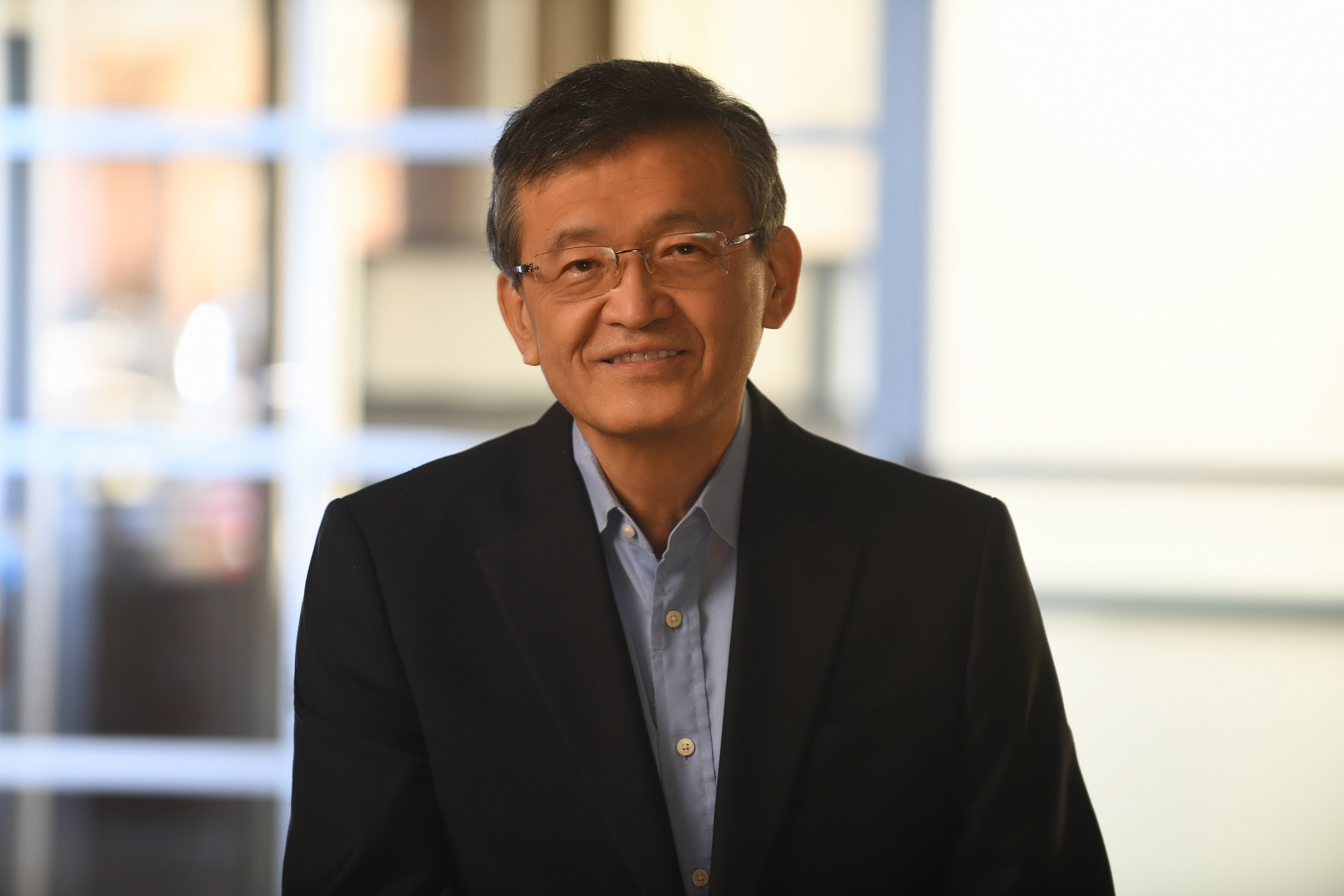
Ultimately, Gelsinger is working to establish a long-term brand resilience for Intel, one that can withstand market fluctuations and technological shifts. This involves diversifying Intel’s business, expanding into new markets, and cementing its position as a vital, foundational technology provider for the next generation of computing. His leadership is not just about fixing the present; it’s about future-proofing the Intel brand. By focusing on innovation, manufacturing leadership, and a strong corporate identity, he aims to ensure that “Intel Inside” remains a powerful and trusted symbol of performance and reliability for decades to come, anchoring Intel as an indispensable cornerstone of the digital economy.
aViewFromTheCave is a participant in the Amazon Services LLC Associates Program, an affiliate advertising program designed to provide a means for sites to earn advertising fees by advertising and linking to Amazon.com. Amazon, the Amazon logo, AmazonSupply, and the AmazonSupply logo are trademarks of Amazon.com, Inc. or its affiliates. As an Amazon Associate we earn affiliate commissions from qualifying purchases.