
In a world brimming with financial complexities, the simple act of creating a budget remains one of the most powerful tools for securing financial stability and achieving long-term goals. While the concept of a budget is straightforward – tracking income versus expenses – the “best way” to create one is often a nuanced journey, deeply personal and tailored to individual circumstances. It’s not about deprivation, but about intentionality; not about restriction, but about freedom. A well-crafted budget acts as your financial GPS, guiding you through spending habits, identifying areas for optimization, and ultimately empowering you to make informed decisions about your money. Without a clear understanding of where your money goes, it’s easy to feel adrift, constantly wondering why your savings aren’t growing or why debt seems insurmountable.
This guide will demystify the budgeting process, exploring various methodologies, leveraging modern financial tools, and addressing common challenges. Our aim is to equip you with the knowledge and strategies to not just create a budget, but to embrace a budgeting system that truly works for you, paving the way for a more secure and prosperous financial future. The “best way” isn’t a one-size-fits-all solution; rather, it’s a personalized approach that integrates foundational principles with practical, adaptable strategies. Let’s delve into how you can construct a financial blueprint that aligns with your aspirations and transforms your relationship with money.
Understanding the Core Principles of Effective Budgeting
Before diving into specific methods or tools, it’s crucial to grasp the underlying principles that make any budget effective. These foundational concepts provide the bedrock upon which you can build a sustainable and successful financial plan.
The “Why” Behind Your Budget
Every successful budget begins with purpose. What are you trying to achieve? Is it to pay off high-interest debt, save for a down payment on a house, build an emergency fund, invest for retirement, or simply gain control over your daily spending? Clearly defined financial goals act as powerful motivators, transforming budgeting from a tedious chore into a purposeful journey. Write down your goals, make them specific, measurable, achievable, relevant, and time-bound (SMART). Understanding your “why” provides the discipline needed to stick to your plan, especially when faced with temptations or unexpected expenses. It’s the intrinsic motivation that propels you forward, even when the numbers seem daunting.
The Income-Expense Equation
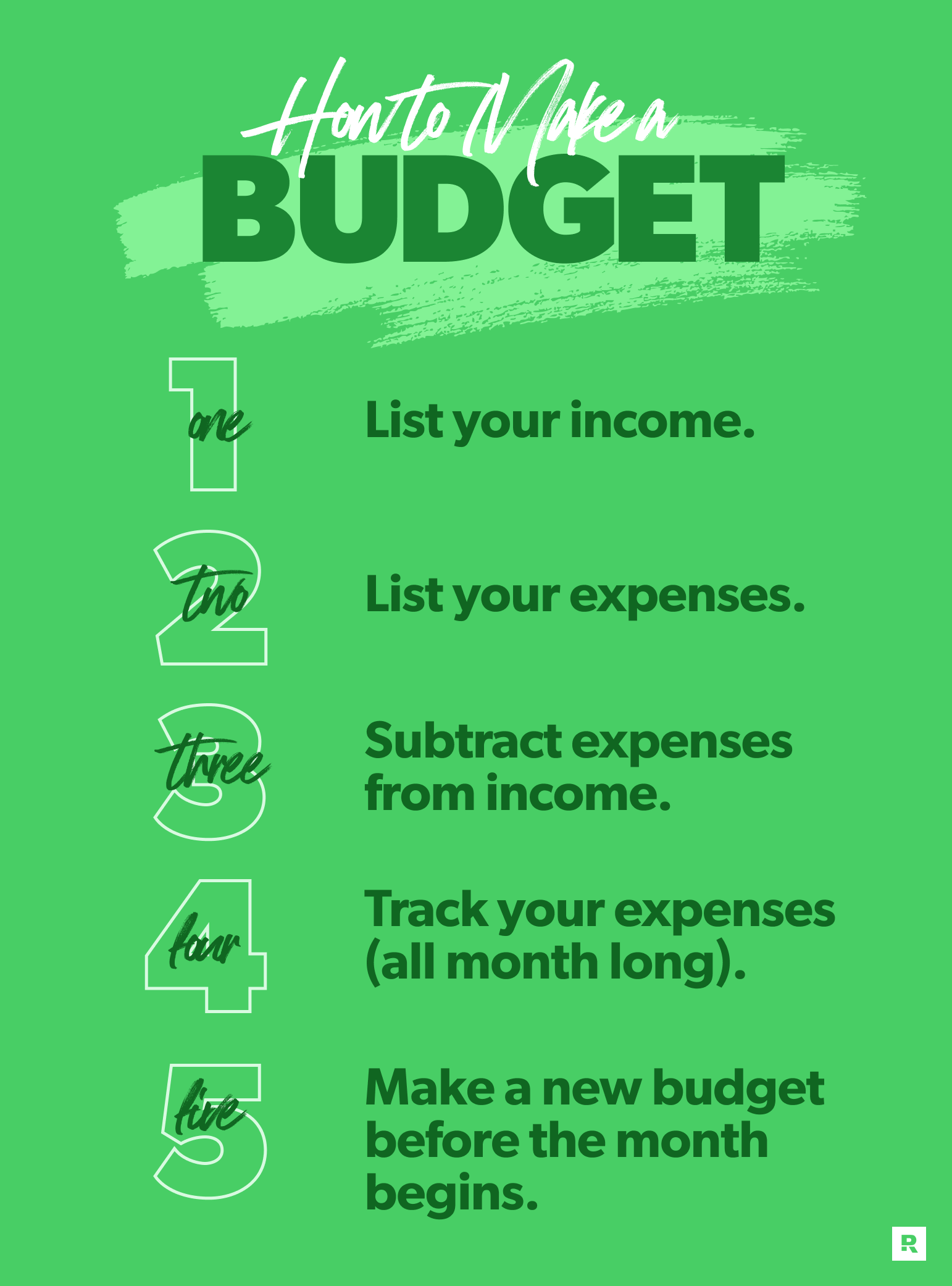
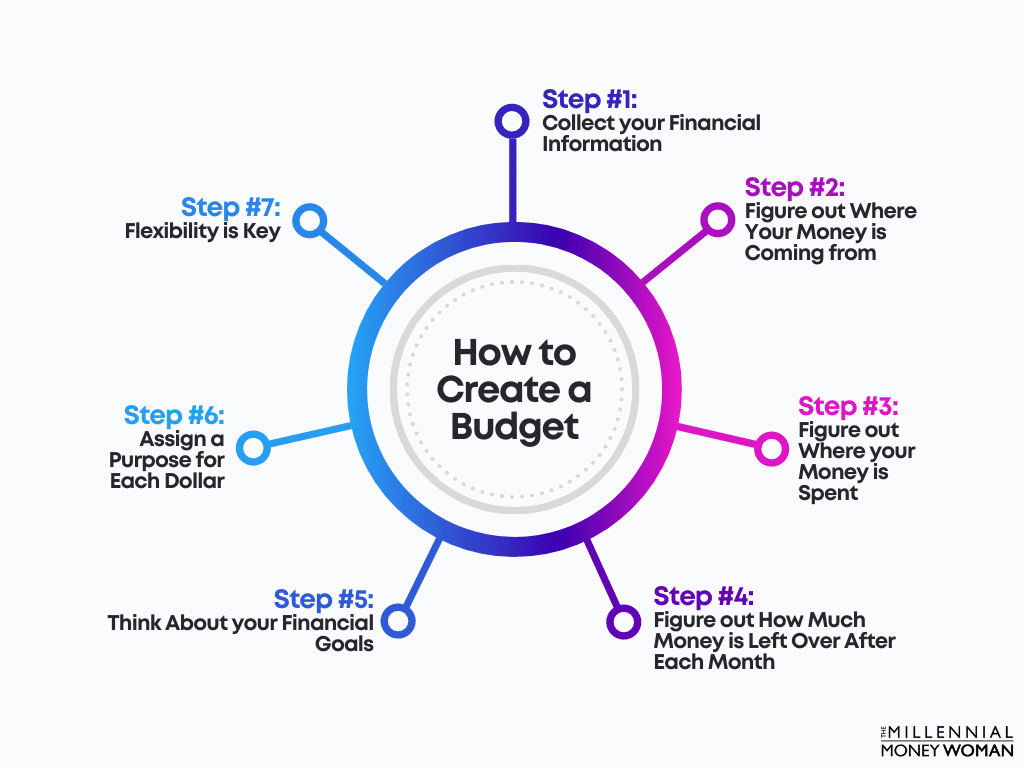
At its heart, budgeting is a simple mathematical equation: Income – Expenses = What’s Left (or what’s overspent). The first step is always to accurately determine your net income – the amount of money you actually take home after taxes and deductions. Next, meticulously track all your expenses. This includes fixed expenses like rent/mortgage, loan payments, and insurance premiums, as well as variable expenses such as groceries, entertainment, utilities, and transportation. Many people underestimate how much they spend on variable categories. For a true picture, track every dollar for at least a month, if not two or three. This detailed understanding of your cash flow is non-negotiable for creating a realistic and effective budget. Without knowing where your money is coming from and, more importantly, where it’s going, any budgeting effort will be based on assumptions rather than reality.
Realistic Expectations and Flexibility
A common pitfall in budgeting is setting overly aggressive or unrealistic targets that lead to quick burnout and abandonment. Your budget should reflect your actual lifestyle, not some idealized version of it. While it’s important to find areas for savings, cutting every discretionary expense to zero is usually unsustainable. Build in some wiggle room for “fun money” or unexpected small expenses. Furthermore, a budget is not a rigid, static document; it’s a living plan that needs to be reviewed and adjusted regularly. Life happens – income changes, expenses shift, and priorities evolve. Your budget should be flexible enough to accommodate these changes, adapting to your current financial reality rather than trying to force your life into an inflexible framework.
Popular Budgeting Methodologies Explained
Once you understand the core principles, you can choose a specific methodology that resonates with your personal style and financial situation. Each method offers a different approach to allocating your income.
The 50/30/20 Rule: Simplicity and Structure
Developed by Senator Elizabeth Warren and her daughter Amelia Warren Tyagi, the 50/30/20 rule is perhaps the simplest and most widely adopted budgeting framework. It allocates your after-tax income into three broad categories:
- 50% for Needs: This includes essential expenses like housing (rent/mortgage), utilities, groceries, transportation, insurance, and minimum loan payments. These are the non-negotiable costs for living.
- 30% for Wants: This category covers discretionary spending that improves your quality of life but isn’t strictly essential. Examples include dining out, entertainment, hobbies, vacations, new clothes, and subscription services.
- 20% for Savings & Debt Repayment: This portion is dedicated to building your financial future, including contributions to an emergency fund, retirement accounts (401k, IRA), investment accounts, and any debt payments beyond the minimums (e.g., accelerating student loan or credit card debt repayment).
The 50/30/20 rule offers a great starting point, especially for beginners, due to its straightforward nature. It provides a balanced approach to managing money, ensuring both present enjoyment and future security.
Zero-Based Budgeting: Every Dollar Has a Job
Zero-based budgeting (ZBB) is a more meticulous method where every single dollar of your income is assigned a specific purpose. At the end of each budgeting period (typically a month), your income minus your expenses and savings should equal zero. This doesn’t mean your bank account is empty; it means you’ve intentionally allocated every dollar you expect to earn.
For example, if you earn $4,000 in a month, you might allocate $1,500 for rent, $400 for groceries, $200 for utilities, $300 for student loans, $500 for savings, $200 for entertainment, $150 for transportation, and $75 for clothing. The sum of all these allocations should be $4,000. ZBB forces you to be hyper-aware of your spending and ensures no money is “lost” or spent without conscious decision. It’s particularly effective for those who want maximum control over their money and find motivation in the detailed planning process.
The Envelope System: A Tangible Approach
The envelope system is a classic, tactile budgeting method that works best for managing cash-based variable expenses. Once you’ve allocated funds to different spending categories (like groceries, entertainment, dining out, personal care), you withdraw the corresponding amount of cash and place it into physical envelopes labeled for each category. When the cash in an envelope runs out, you stop spending in that category until the next budgeting period.
This system is incredibly effective for visual and kinesthetic learners, as it creates a direct, tangible connection between money and spending. It makes overspending immediately obvious and prevents you from dipping into funds allocated for other purposes. While less practical for all expenses in a digital age, it remains a powerful tool for categories prone to overspending. Modern digital versions, using apps that simulate envelopes, also exist for those who prefer not to carry cash.
Pay Yourself First: Prioritizing Savings
While not a complete budgeting system on its own, “Pay Yourself First” is a critical principle that can be integrated into any budgeting method. It emphasizes automating your savings and investment contributions before you pay any other bills or discretionary expenses. As soon as your paycheck hits your account, a predetermined amount is automatically transferred to your savings, investment accounts, or debt repayment funds.
This approach ensures that your financial goals are prioritized and consistently funded, rather than relying on whatever might be left over at the end of the month (which, for many, is often nothing). It removes the temptation to spend money before it can be saved and cultivates a strong habit of saving and investing consistently, irrespective of the other details of your budget.
Leveraging Tools and Technology for Budgeting Success
In the digital age, a plethora of tools and technologies can significantly simplify and enhance your budgeting efforts, offering automation, insights, and convenience.
Spreadsheet Power: Excel and Google Sheets
For those who enjoy a hands-on approach and customization, spreadsheets like Microsoft Excel or Google Sheets are incredibly powerful budgeting tools. You can create a personalized template to track income, expenses, and financial goals. Many free templates are available online, or you can build one from scratch. Spreadsheets allow for detailed categorization, formula-driven calculations, and visual representations (charts, graphs) of your financial data.

The main advantages are flexibility, cost-effectiveness (Google Sheets is free), and the ability to tailor it precisely to your needs. The downside is that it requires manual data entry (or significant setup for automation via bank exports), which can be time-consuming for some and prone to errors if not consistently maintained.
Dedicated Budgeting Apps: Automation and Insights
For those seeking automation and robust features, dedicated budgeting apps are a game-changer. These apps typically link directly to your bank accounts, credit cards, and investment accounts, automatically importing transactions and categorizing them.
- Mint: A popular free app from Intuit, Mint offers comprehensive financial tracking, bill reminders, credit score monitoring, and personalized budgeting recommendations. It’s great for getting an overall view of your financial health.
- You Need A Budget (YNAB): YNAB is a paid app based on the zero-based budgeting philosophy. It’s highly praised for its proactive approach, forcing users to assign every dollar a job and plan spending in advance. It offers powerful reporting and encourages mindful spending.
- Personal Capital: While more focused on wealth management and investment tracking, Personal Capital also provides excellent budgeting features, allowing users to track net worth, cash flow, and spending across all accounts in one dashboard.
These apps reduce manual effort, provide real-time insights, and often come with features like goal tracking, alerts for overspending, and detailed reports that can illuminate spending patterns you might otherwise miss.
Online Banking Features: Tracking and Alerts
Don’t overlook the built-in tools provided by your own bank or credit union. Most modern online banking platforms offer features that can significantly aid your budgeting efforts. These include:
- Transaction Categorization: Many banks automatically categorize your spending, providing pie charts and summaries of where your money is going.
- Spending Insights: Some platforms offer detailed reports and analytics on your spending habits over time.
- Alerts and Notifications: Set up alerts for low balances, large transactions, or when a bill is due, helping you stay on top of your accounts.
- Automatic Transfers: Easily set up recurring transfers to savings accounts or to pay bills, facilitating the “Pay Yourself First” principle.
While perhaps not as comprehensive as dedicated budgeting apps, these native banking tools are often the easiest to access and integrate into your existing financial routine.
Overcoming Common Budgeting Challenges and Maintaining Momentum
Creating a budget is one thing; sticking to it and making it a sustainable habit is another. Many common challenges can derail your efforts, but with strategic approaches, they can be overcome.
Dealing with Irregular Income
Budgeting can be particularly tricky for individuals with irregular income, such as freelancers, commission-based earners, or seasonal workers. The key is to budget based on your lowest expected income. Any income above that baseline can then be allocated to savings, investments, or discretionary “buffer” funds for leaner months. Another strategy is to build up a cash reserve that covers 1-3 months of expenses, which acts as a financial cushion during income fluctuations. Consider using an “average income” method over several months to create a more stable budget estimate.
Avoiding Budget Burnout
Strict, unforgiving budgets often lead to burnout. Remember, your budget should serve you, not the other way around. If you find yourself constantly feeling deprived, it might be too tight. Build in some flexibility and allocate a reasonable amount for “fun money” or discretionary spending. Celebrate small financial wins, regularly review your progress, and remind yourself of your “why.” If a particular category is causing stress, adjust it. The goal is long-term financial health, not short-term perfection.
Adapting Your Budget Over Time
Life is dynamic, and your budget needs to be too. A budget created during your single days will likely be very different from one needed after marriage, children, or a career change. Major life events – a new job, a move, unexpected medical expenses, or changes in family structure – necessitate a complete re-evaluation and adjustment of your financial plan. Even without major shifts, a quarterly or annual review is beneficial to ensure your budget still aligns with your current income, expenses, and goals.
The Importance of Review and Adjustment
Simply creating a budget is only half the battle. Regular review and adjustment are paramount for its long-term success. Set aside time weekly or bi-weekly to check in on your spending, compare it to your budget, and make any necessary tweaks. Did you overspend in one category? Where can you cut back next week? Did you underspend? Where can that extra money go? This iterative process of tracking, reviewing, and adjusting keeps your budget relevant and helps you learn from your spending patterns, continuously improving your financial decision-making.
Beyond the Basics: Advanced Budgeting Strategies
Once you’ve mastered the fundamentals, you can integrate more sophisticated strategies to optimize your financial journey.
Sinking Funds and Financial Goals
Sinking funds are a brilliant way to save for planned, non-monthly expenses without derailing your regular budget. Instead of waiting for a car repair bill or a holiday trip expense to pop up and stress your finances, you proactively save a small amount each month into a dedicated fund. Examples include funds for annual insurance premiums, car maintenance, holiday gifts, home repairs, or vacations. By breaking down large, infrequent costs into manageable monthly contributions, you smooth out your cash flow and avoid financial surprises.
Debt Repayment Integration
For many, a significant portion of their income goes towards debt. An effective budget integrates a robust debt repayment strategy. This might involve the “debt snowball” (paying off smallest debts first for motivational wins) or the “debt avalanche” (paying off highest-interest debts first to save money). Whichever method you choose, allocate a specific portion of your budget beyond minimum payments towards accelerating debt reduction. By clearly budgeting for debt, you create a systematic path to becoming debt-free, freeing up significant cash flow for other goals in the future.
Automating Your Financial Life
The less effort you have to exert manually, the more likely you are to stick to your budget. Automate as much of your financial life as possible:
- Automatic transfers to savings, investments, and sinking funds.
- Automatic bill payments for fixed expenses like rent, utilities, and loan installments.
- Direct deposit splits to route portions of your paycheck directly into different accounts (checking, savings, investment).
- Recurring investments into your brokerage or retirement accounts.
Automation removes the need for constant vigilance, reduces the chance of missed payments, and consistently moves you closer to your financial goals without daily decision-making. It transforms budgeting from an active chore into a passive, well-oiled machine.
Conclusion
So, what is the best way to create a budget? Ultimately, the “best way” isn’t a single universal method but a personalized combination of core principles, chosen methodologies, strategic tools, and consistent effort. It’s the budget you can consistently stick to, the one that adapts with your life, and the one that actively moves you towards your financial goals.
Whether you opt for the simplicity of the 50/30/20 rule, the meticulous detail of zero-based budgeting, or a hybrid approach, the key ingredients for success remain the same: understanding your “why,” tracking your income and expenses, setting realistic expectations, and regularly reviewing and adjusting your plan. Embrace the power of financial tools, from spreadsheets to sophisticated apps, to streamline the process and gain valuable insights.
Start today. Choose a method, track your spending diligently, set your goals, and be patient and persistent. A well-crafted budget is more than just a financial document; it’s a roadmap to financial freedom, providing clarity, control, and peace of mind. Your financial future is in your hands, and budgeting is the first, most crucial step towards shaping it intentionally.
aViewFromTheCave is a participant in the Amazon Services LLC Associates Program, an affiliate advertising program designed to provide a means for sites to earn advertising fees by advertising and linking to Amazon.com. Amazon, the Amazon logo, AmazonSupply, and the AmazonSupply logo are trademarks of Amazon.com, Inc. or its affiliates. As an Amazon Associate we earn affiliate commissions from qualifying purchases.