
Navigating the landscape of tax preparation can often feel like a complex journey, particularly when the annual filing deadline looms. For many, the immediate concern isn’t just about how to file, but where to find reliable and convenient assistance that aligns with their personal financial situation. Understanding your options, from do-it-yourself software to professional in-person services and free community programs, is crucial for ensuring accuracy, maximizing returns, and maintaining financial compliance. This exploration delves into the various avenues available for tax filing, emphasizing their financial implications and suitability for diverse taxpayer needs.
Understanding Your Filing Options: A Broad Overview
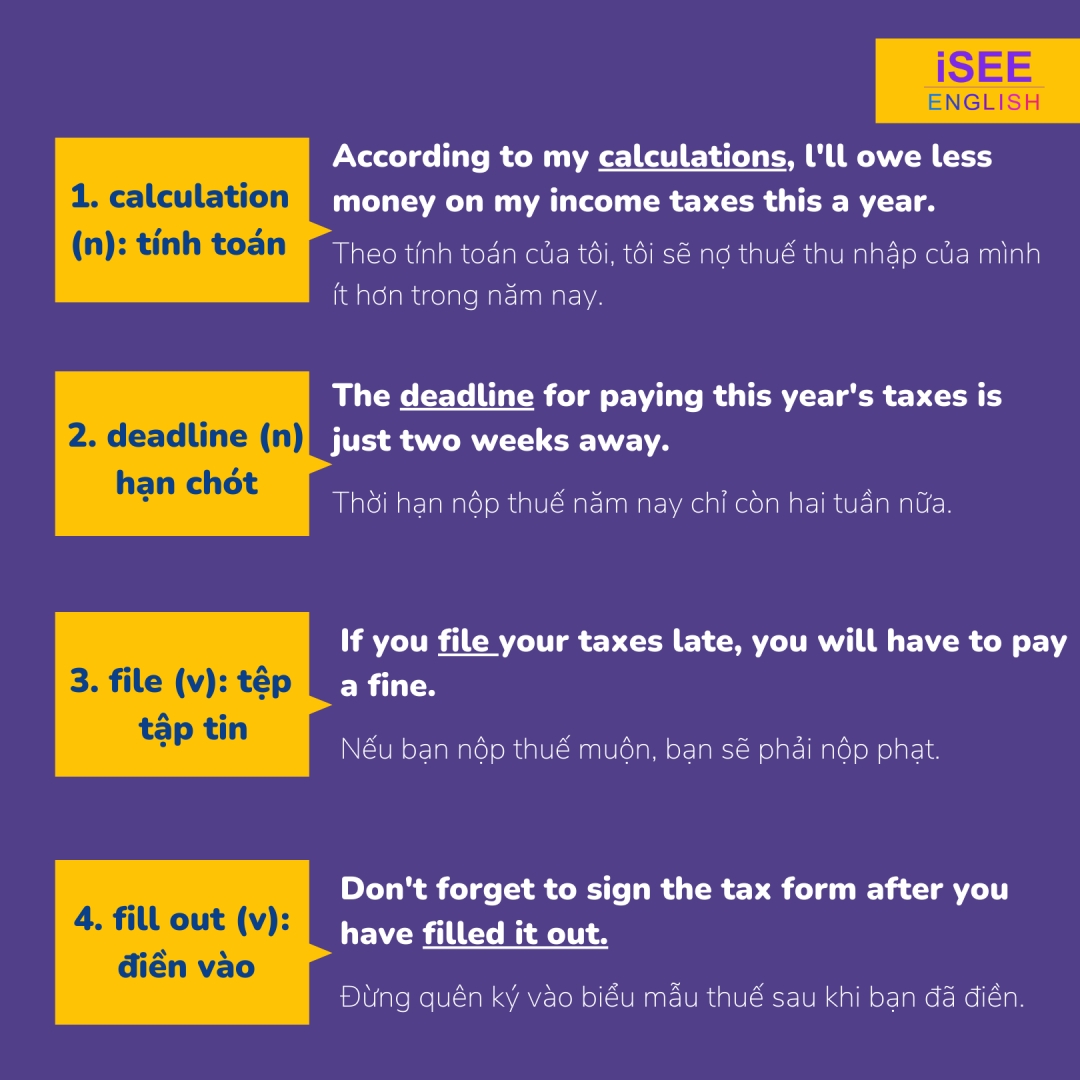
The core of effective personal finance management includes responsible tax filing. Fortunately, taxpayers today have a range of choices, each offering distinct advantages based on an individual’s tax situation, comfort level with financial software, and budget. These options broadly fall into three categories: leveraging digital tools, seeking expert human assistance, or utilizing government-supported programs.
DIY Software Solutions
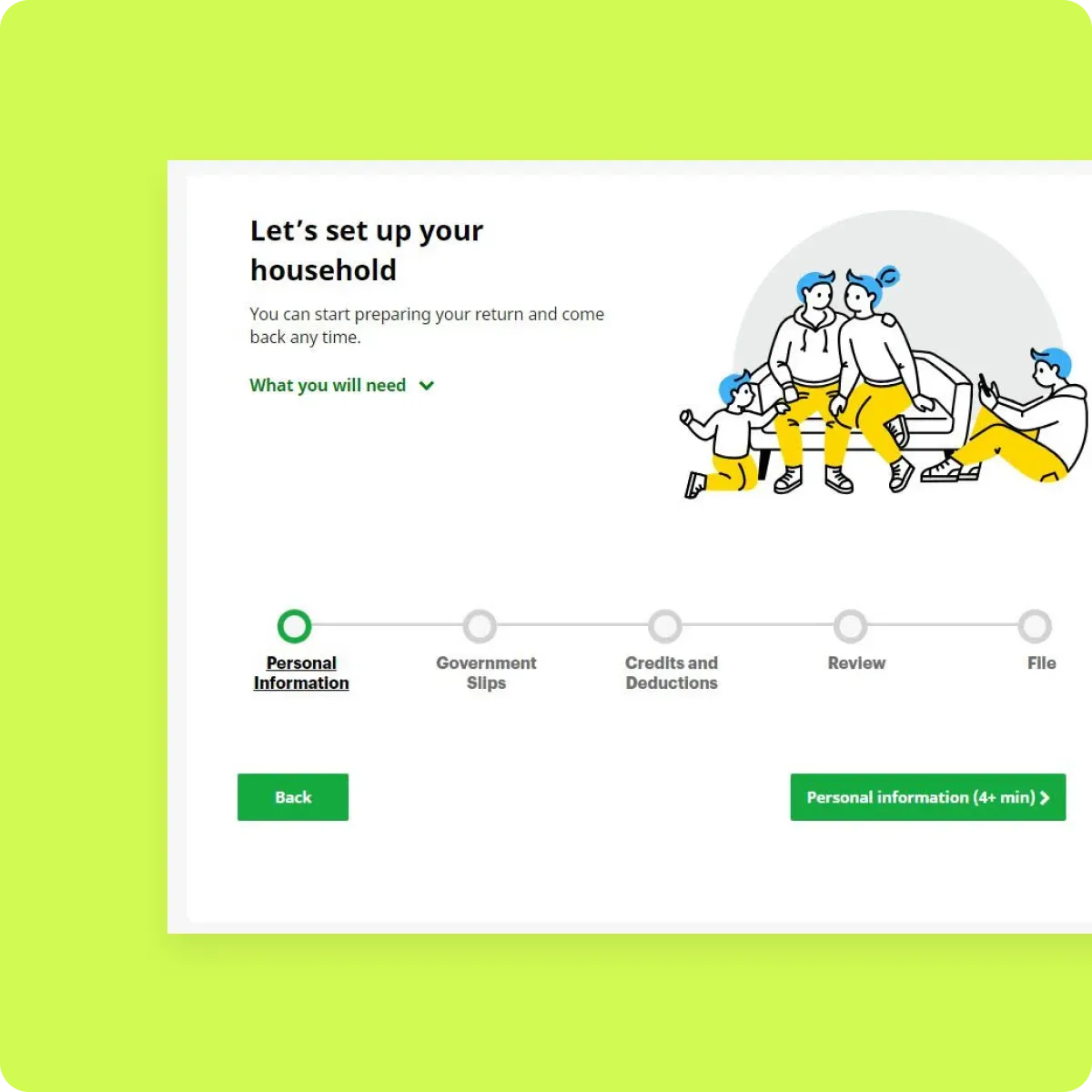
For a growing number of individuals, filing taxes from the comfort of their home using online tax software has become the default. Platforms like TurboTax, H&R Block, and TaxAct offer user-friendly interfaces that guide taxpayers through the process step-by-step. These solutions are particularly appealing for those with relatively straightforward financial affairs—such as W-2 income, basic deductions, or simple investments. They often come with different tiers of service, ranging from free for basic filings to premium packages that include access to tax professionals and enhanced audit support. The primary financial benefit here is cost-effectiveness, as software fees are generally lower than professional preparation fees, making it an attractive option for budget-conscious individuals.
Professional Tax Preparers
When financial situations become more intricate—involving self-employment income, rental properties, complex investments, foreign income, or significant life changes like marriage or divorce—the expertise of a professional tax preparer becomes invaluable. These professionals, including Certified Public Accountants (CPAs), Enrolled Agents (EAs), or other tax preparers, offer personalized advice, ensure compliance with the latest tax codes, and can identify deductions and credits that might otherwise be missed. While the cost is higher than DIY software, the potential for tax savings, peace of mind, and the assurance of expert handling often justifies the investment, especially for high-net-worth individuals or those with intricate business finances. Many reputable firms have local offices, providing that “near me” accessibility.
Free Tax Assistance Programs
A vital, often overlooked, resource for specific demographics are free tax assistance programs. These initiatives are designed to help low-to-moderate-income individuals, seniors, persons with disabilities, and taxpayers with limited English proficiency prepare their tax returns at no cost. Programs like the IRS’s Volunteer Income Tax Assistance (VITA) and Tax Counseling for the Elderly (TCE) rely on certified volunteers to provide accurate and free tax help. These services offer a crucial financial lifeline, ensuring that eligible taxpayers can meet their obligations without incurring preparation fees, thereby preserving more of their hard-earned money. These sites are typically found within local community centers, libraries, and other public facilities.
The Convenience of Online Tax Software
The digital revolution has profoundly reshaped how individuals manage their personal finances, and tax filing is no exception. Online tax software solutions epitomize convenience, offering a blend of accessibility, user-friendliness, and cost-efficiency that appeals to a broad segment of taxpayers.
User-Friendliness and Guided Preparation
Modern tax software is engineered with an intuitive interface, designed to demystify the often-daunting process of tax preparation. Instead of poring over complex IRS forms and publications, users are guided through a series of questions about their income, deductions, and credits. The software translates these inputs into the correct forms, performs calculations, and flags potential errors or missing information. Many platforms also offer contextual help and explanations for various tax terms, acting as a personal finance tutor throughout the process. This guided approach significantly reduces the potential for mistakes, which can lead to costly amendments or penalties, thereby protecting an individual’s financial well-being.
Cost-Effectiveness
From a financial perspective, online tax software presents one of the most economical ways to file taxes. Many providers offer free versions for simple tax returns, catering to individuals with basic W-2 income and standard deductions. For more complex situations, paid versions offer additional features, such as Schedule C for self-employment income or Schedule E for rental income, often at a fraction of the cost of hiring a professional preparer. This tiered pricing model allows taxpayers to choose a service level that matches their financial complexity and budget, ensuring that tax preparation costs do not unduly impact their overall financial plan. The ability to import financial data directly from banks, employers, and investment firms further streamlines the process, saving time and reducing manual data entry errors.
E-filing and Direct Deposit Advantages
A cornerstone of online tax software is the seamless integration of electronic filing (e-filing). E-filing dramatically speeds up the submission process, often resulting in quicker processing by the IRS and state tax authorities. Coupled with direct deposit for refunds, this means taxpayers can receive their money significantly faster than waiting for a paper check. This rapid access to refunds can be a critical financial benefit for those relying on their return for budgeting, debt repayment, or savings. Furthermore, e-filing reduces the environmental impact of paper forms and minimizes the risk of mail-related delays or lost documents, adding an extra layer of financial security and convenience.
The Value of In-Person Professional Help
While digital tools offer convenience, certain financial scenarios warrant the personalized attention and deep expertise of a professional tax preparer. Local tax offices, ranging from national chains to independent CPAs, provide invaluable services that extend beyond merely filling out forms.
Expertise for Complex Situations
Professional tax preparers are well-versed in the intricate and ever-evolving tax code. For individuals with complex financial portfolios—such as multiple sources of income (e.g., freelance, investments, foreign), significant asset sales, stock options, real estate transactions, or business ownership—a professional’s expertise can be indispensable. They can navigate obscure regulations, identify specialized deductions, and structure financial decisions to minimize tax liabilities legally. This proactive financial planning and expert advice can lead to substantial long-term savings and ensure compliance, preventing costly audits or penalties that could arise from misinterpretations of tax law. Their ability to drill down into specific financial details ensures no stone is left unturned in maximizing your financial position.
Audit Protection and Representation
One of the most significant benefits of professional tax preparation is the peace of mind that comes with audit protection and representation. Should the IRS or state tax authorities flag a return for review, a professional preparer can explain the return, communicate with tax authorities on your behalf, and provide necessary documentation. This support is crucial, as navigating an audit can be a daunting and stressful experience for the average taxpayer. Knowing you have an expert advocating for your financial interests can save countless hours of research, reduce stress, and potentially prevent adverse outcomes, ultimately safeguarding your financial health. Many tax preparation firms offer varying levels of audit assistance, from simple advice to full representation.
Localized Knowledge and Accessibility
Many professional tax preparers operate locally, offering a “near me” advantage that goes beyond geographical proximity. These local experts often possess a nuanced understanding of state and local tax laws, property taxes, and regional economic factors that might influence your tax situation. Their physical presence allows for face-to-face consultations, which can be invaluable for discussing sensitive financial details, asking detailed questions, and building a relationship based on trust. This personalized interaction ensures that your unique financial circumstances are thoroughly understood and addressed, providing a level of tailored service that automated software cannot replicate. Finding a local preparer through recommendations or professional associations ensures accessibility and personalized financial guidance.
Leveraging Free Tax Assistance Programs
For many taxpayers, especially those with limited financial resources, the cost of tax preparation can be a significant barrier. Free tax assistance programs bridge this gap, offering essential support that ensures financial compliance without imposing an additional burden.
VITA and TCE: Community-Driven Support
The Volunteer Income Tax Assistance (VITA) and Tax Counseling for the Elderly (TCE) programs are cornerstones of community-driven financial support, sponsored by the IRS. VITA primarily assists individuals and families with low-to-moderate incomes, persons with disabilities, and limited English proficiency taxpayers. TCE focuses on individuals aged 60 and older, specializing in pension and retirement-related tax issues. Both programs utilize IRS-certified volunteers who are trained to prepare basic tax returns accurately and securely. These services are typically hosted in convenient local venues such as community centers, libraries, and senior centers, providing easily accessible financial aid to those who need it most.
Eligibility and Service Scope
Eligibility for VITA and TCE services is generally based on income thresholds, which can vary annually but are widely publicized. While VITA covers a broad range of simple returns, including those with W-2 income, interest, dividends, and basic self-employment income, complex returns are usually outside their scope. TCE volunteers are experts in unique tax issues affecting seniors, like Social Security benefits, pensions, and certain deductions related to retirement. Understanding these scopes is vital for taxpayers to determine if their financial situation aligns with what these programs can offer, ensuring they seek appropriate help without mismanaging expectations. These programs are designed to empower individuals to fulfill their financial obligations effectively.
Benefits for Low-to-Moderate Income Taxpayers and Seniors
The most significant financial benefit of VITA and TCE is the elimination of tax preparation fees. For low-to-moderate-income families, saving these fees can mean the difference between making ends meet or falling behind. These programs also help eligible taxpayers claim valuable credits they might otherwise miss, such as the Earned Income Tax Credit (EITC) or the Child Tax Credit (CTC), which can significantly boost their financial resources. For seniors, TCE ensures they receive all eligible benefits related to their retirement income, helping them maintain financial stability in their later years. By providing free, reliable, and secure tax assistance, these programs play a crucial role in promoting financial equity and stability within communities.
Making the Right Choice for Your Financial Situation
Selecting the appropriate method for filing your taxes is a personal financial decision that should align with your unique circumstances. There is no one-size-fits-all solution; the best approach depends on several key factors.
Assessing Your Tax Complexity
The first step in choosing a filing method is an honest assessment of your tax complexity. If your financial life is relatively simple—primarily consisting of W-2 income, a few deductions, and perhaps basic interest income—online tax software or free community programs might be perfectly adequate. These tools are designed to handle common scenarios efficiently and cost-effectively. However, if you have complex investments, own a business, manage rental properties, or have experienced significant life changes (like divorce, marriage, or a major inheritance), your tax situation likely warrants the specialized knowledge of a professional preparer. Their expertise can identify nuanced deductions, ensure compliance, and potentially save you more money than the cost of their services.
Considering Your Budget
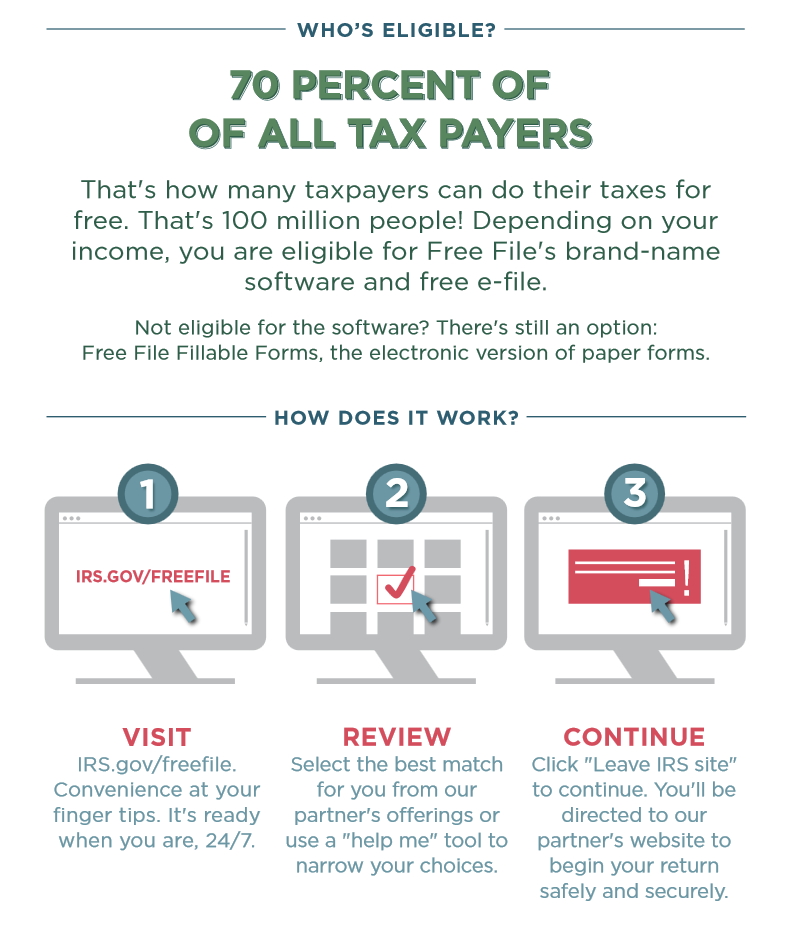
Financial considerations play a significant role in this decision. If you are on a tight budget, exploring free online filing options (like the IRS Free File program for eligible taxpayers) or utilizing VITA/TCE services is paramount. These options eliminate preparation fees, allowing you to retain more of your income or refund. For those comfortable with a modest expense, paid online software offers a balance of affordability and convenience. If your financial situation is complex and the potential for errors or missed deductions is high, investing in a professional preparer can be a financially sound decision. The cost of their service can often be offset by the savings they uncover, making it a wise investment in your financial future.
Weighing Convenience vs. Comprehensive Support
Finally, weigh the convenience of a particular method against the level of comprehensive support it offers. Online software provides unparalleled convenience, allowing you to file anytime, anywhere. However, it requires a certain level of comfort with self-preparation and a good understanding of your own financial documents. Professional preparers, while less convenient due to appointment scheduling and travel, offer personalized advice, audit support, and a deeper dive into your financial situation. Free assistance programs offer a blend of support and cost savings but come with eligibility requirements and a more basic service scope. By carefully considering your tax complexity, budget, and desired level of support, you can make an informed decision that best serves your personal financial needs this tax season and beyond.
aViewFromTheCave is a participant in the Amazon Services LLC Associates Program, an affiliate advertising program designed to provide a means for sites to earn advertising fees by advertising and linking to Amazon.com. Amazon, the Amazon logo, AmazonSupply, and the AmazonSupply logo are trademarks of Amazon.com, Inc. or its affiliates. As an Amazon Associate we earn affiliate commissions from qualifying purchases.