
The landscape of personal finance and business operations has undergone a significant transformation, with digital platforms becoming indispensable for managing various financial obligations. Among these, online tax preparation stands out as a pivotal advancement, offering unparalleled convenience, accuracy, and strategic advantages for individuals and businesses alike. Navigating the annual tax season, once a daunting paper-intensive chore, has evolved into a streamlined digital process that empowers filers to take greater control of their financial destinies. Understanding how to leverage these online tools effectively is no longer just a convenience but a strategic imperative for optimizing financial outcomes.
The Paradigm Shift: Why Online Tax Filing Matters for Your Finances
The move to online tax filing represents more than just a technological upgrade; it signifies a fundamental shift in how individuals and entities interact with their tax obligations. This paradigm shift brings with it a host of financial benefits that contribute to overall fiscal health and efficiency. From reducing out-of-pocket costs to enhancing accuracy and saving valuable time, online tax preparation offers compelling advantages over traditional methods.
Cost-Effectiveness and Accessibility
One of the most immediate financial benefits of online tax preparation is its potential for cost savings. While professional tax accountants certainly offer invaluable expertise for complex financial situations, their services come with a fee that can range from hundreds to thousands of dollars. Online tax software, conversely, offers various tiers, including completely free options for simple returns and reasonably priced packages for more intricate financial scenarios. This accessibility makes professional-grade tax preparation tools available to a much broader audience, ensuring that individuals across all income brackets can accurately file their taxes without incurring prohibitive costs. Furthermore, many online platforms provide free state tax filing when federal taxes are filed through their system, adding another layer of savings.
Error Reduction and Accuracy
Financial accuracy is paramount in tax filing, as even minor errors can lead to delays, audits, or costly penalties. Online tax software significantly mitigates the risk of human error through automated calculations and comprehensive error-checking mechanisms. These platforms guide users step-by-step, prompting them for necessary information and flagging potential omissions or inconsistencies in real-time. Complex tax laws and ever-changing regulations are built directly into the software’s logic, ensuring that deductions, credits, and income calculations adhere to the latest IRS guidelines. This embedded intelligence not only boosts confidence in the accuracy of the submitted return but also reduces the financial stress associated with potential mistakes.
Time Savings and Convenience
The convenience factor of online tax filing translates directly into significant time savings—a valuable commodity in today’s fast-paced world. Gone are the days of scheduling appointments with tax preparers, gathering physical documents, and commuting to offices. Online platforms allow users to prepare and file their taxes from anywhere, at any time, using a computer or mobile device. This flexibility enables filers to complete the process at their own pace, fitting it around their work and personal commitments. The ability to import financial data directly from banks, investment firms, and payroll providers further streamlines the process, eliminating manual data entry and accelerating completion, freeing up time that can be dedicated to other financial planning activities.
Choosing the Right Digital Tax Solution for Your Financial Needs
With an array of online tax preparation services available, selecting the ideal platform is crucial for optimizing your financial filing experience. The “best” solution often depends on individual financial complexity, budget constraints, and desired features. A careful evaluation ensures that the chosen tool aligns with your specific financial circumstances and offers the necessary support.
Free vs. Paid Platforms: What’s Best for Your Financial Situation?
The initial decision often revolves around whether to opt for a free or paid service. Free online tax software is an excellent choice for individuals with straightforward financial situations, such as those with W-2 income, standard deductions, and minimal investments. These platforms typically cover basic federal and sometimes state filing, offering a cost-effective solution for many taxpayers. However, if your financial life includes self-employment income, rental properties, stock transactions, itemized deductions, or other complex financial instruments, a paid platform will likely be necessary. Paid versions unlock advanced features, provide access to a wider range of forms, offer enhanced support, and are specifically designed to handle more intricate financial scenarios, ensuring all potential deductions and credits are captured to maximize your financial return.
Key Features for Optimal Financial Management
When evaluating paid platforms, consider features that directly impact your financial management and potential tax outcome:
- Data Import Capabilities: The ability to import W-2s, 1099s, and investment statements directly from financial institutions saves time and reduces data entry errors, enhancing accuracy.
- Audit Support: Some platforms offer robust audit defense services, providing peace of mind in case of an IRS inquiry. This financial safeguard can be invaluable for complex returns.
- Deduction Maximizers: Tools that actively search for and suggest potential deductions and credits based on your entered data can significantly increase your refund or reduce your tax liability.
- Tax Planning Tools: Features that help you estimate future tax obligations or analyze the tax implications of financial decisions (e.g., selling stock, buying a home) are crucial for proactive financial planning.
- Expert Assistance: Access to tax professionals (CPAs or EAs) for guidance on specific financial questions or full review of your return can be a significant benefit, bridging the gap between DIY and professional preparation.

Security and Data Protection: A Prerequisite for Financial Peace of Mind
Given the sensitive nature of financial information, the security protocols of any online tax platform should be a primary concern. Look for services that employ robust encryption (e.g., SSL certificates), multi-factor authentication, and regular security audits. Reputable providers invest heavily in protecting user data from cyber threats. Understanding their privacy policy and how your financial data is handled and stored is essential. Choosing a platform with a strong track record of security ensures that your personal and financial information remains confidential and protected, mitigating the financial risks associated with data breaches.
A Step-by-Step Financial Guide to Online Tax Preparation
Embarking on the online tax preparation journey can be straightforward when approached systematically. Following a structured guide ensures that all necessary financial information is gathered, correctly entered, and accurately submitted, leading to a smooth and successful filing experience.
Gathering Your Financial Documents
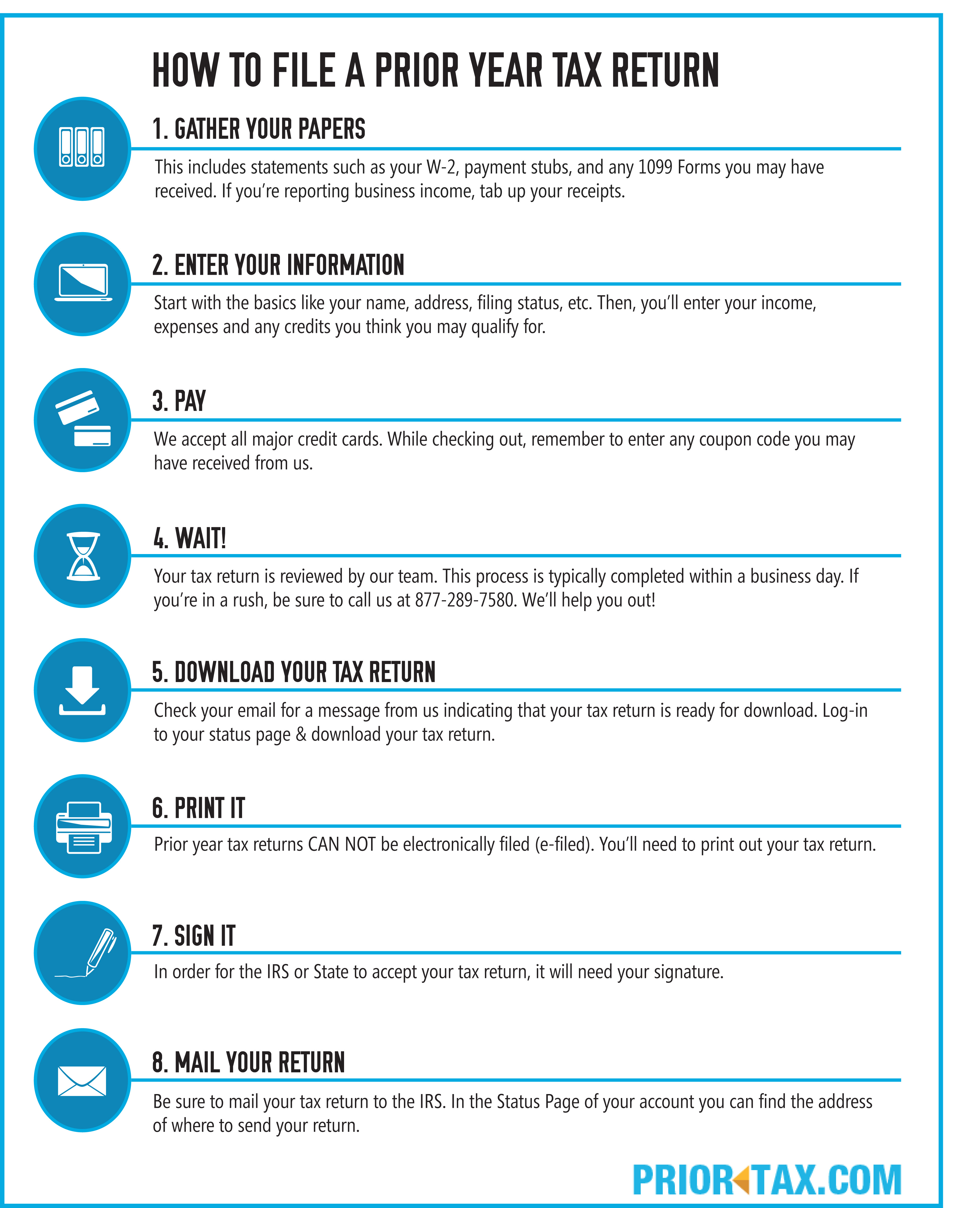
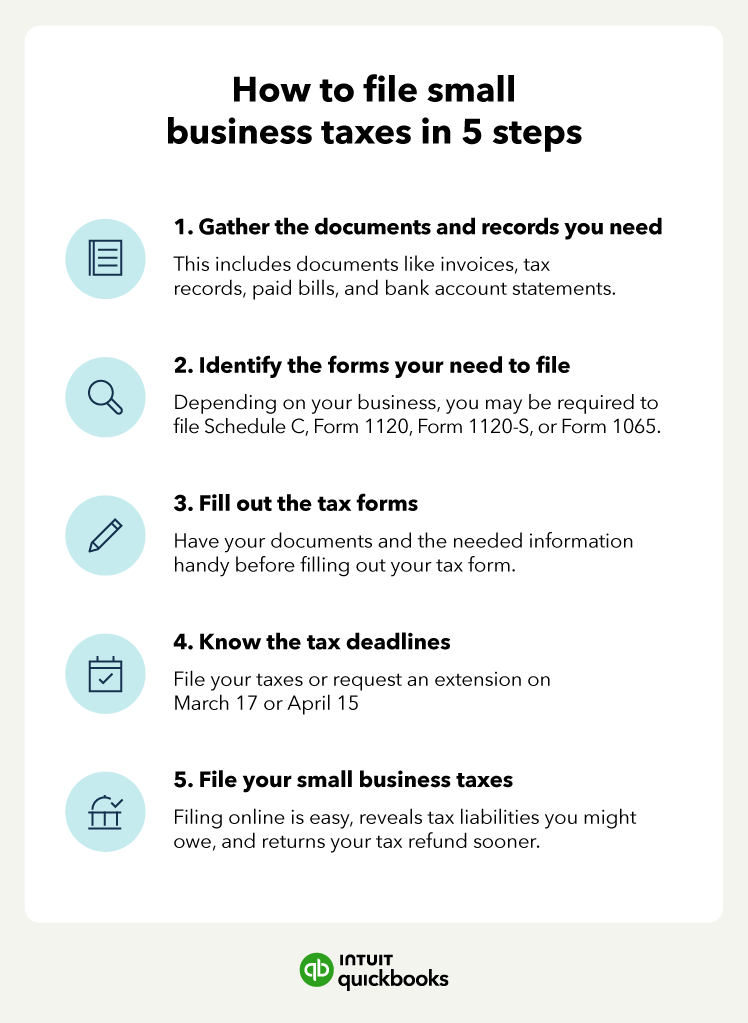
The foundational step to accurate online tax filing is meticulous document gathering. Before logging into any software, compile all relevant financial records. This typically includes:
- Income Statements: W-2 forms from employers, 1099 forms (1099-NEC for independent contractors, 1099-INT for interest income, 1099-DIV for dividends, 1099-B for stock sales, etc.), K-1 forms for partnership or S-corp income, and any other statements detailing income received.
- Deduction & Credit Documentation: Receipts for eligible business expenses, medical expenses, charitable contributions, student loan interest statements (1098-E), mortgage interest statements (1098), property tax records, and childcare expense records.
- Previous Year’s Tax Return: This document provides valuable baseline information, such as your adjusted gross income (AGI) and carryover amounts for certain deductions or credits. Having it readily available streamlines data entry.
Organizing these documents beforehand saves time and ensures no financial detail is overlooked.
Navigating the Online Interface
Once your documents are in order, log into your chosen online tax software. Most platforms are designed with user-friendly interfaces, guiding you through the process section by section.
- Personal Information: Start by accurately entering your name, Social Security number, address, and filing status.
- Income Entry: The software will prompt you to enter income from all sources. Utilize direct import features where possible to pull data directly from your financial institutions. Manually enter any income not automatically imported, cross-referencing with your gathered documents.
- Deductions and Credits: This is where careful attention can significantly impact your financial outcome. The software will ask a series of questions to identify eligible deductions (e.g., student loan interest, health savings account contributions, traditional IRA contributions) and credits (e.g., child tax credit, earned income tax credit, education credits). Be thorough and honest in your responses, as these directly affect your tax liability or refund.
- State Tax Filing: If required, the software will typically transfer relevant federal data to your state return, simplifying the process. Review state-specific deductions and credits carefully.
Throughout this process, leverage the software’s built-in help features, FAQs, and search functions if you encounter unfamiliar terms or complex financial situations.
Reviewing for Financial Accuracy and Submission
Before the final submission, a thorough review of your entire return is critical.
- Summary Review: The software will generate a summary of your income, deductions, credits, and calculated tax liability or refund. Scrutinize these numbers against your expectations and documents.
- Error Check: Most platforms include an automated error-checking utility that scans for omissions or inconsistencies. Run this utility and address any flagged issues immediately. This step is a vital financial safeguard against IRS inquiries.
- Direct Deposit Information: If you are expecting a refund, double-check your bank account and routing numbers for direct deposit. Incorrect information can delay your refund or send it to the wrong account.
Once satisfied with the accuracy of your return, proceed with electronic filing. You will typically receive an email confirmation when your federal and state returns have been accepted by the respective tax authorities, providing peace of mind that your financial obligation for the year has been fulfilled.
Maximizing Your Return and Minimizing Your Tax Burden Online
Beyond merely filing, online tax preparation offers powerful opportunities to strategically manage your finances and optimize your tax outcome. Proactive engagement with the features and insights provided by these platforms can lead to substantial financial benefits.
Understanding Common Deductions and Credits
A deep understanding of available deductions and credits is crucial for minimizing your taxable income and maximizing your refund. Online tax software often educates users about these opportunities by asking targeted questions. For instance:
- Standard vs. Itemized Deductions: The software will help you determine whether taking the standard deduction or itemizing (e.g., mortgage interest, state and local taxes, charitable contributions) yields a greater tax savings.
- Education Credits: If you, your spouse, or dependents are pursuing higher education, explore credits like the American Opportunity Tax Credit or Lifetime Learning Credit.
- Family-Related Credits: For those with children, the Child Tax Credit and Credit for Other Dependents can significantly reduce tax liability.
- Retirement Contributions: Contributions to traditional IRAs and 401(k)s are often tax-deductible, reducing your current year’s taxable income and boosting your retirement savings.
Actively seeking out and claiming every eligible deduction and credit is a fundamental principle of sound financial management through tax preparation.
Strategies for Self-Employed Individuals and Gig Workers
Online tax solutions are particularly beneficial for self-employed individuals, freelancers, and gig workers who often face more complex tax situations. These platforms provide specific guidance for reporting business income and expenses.
- Expense Tracking: Many online services integrate with accounting software or offer built-in tools to track business expenses throughout the year. Categorizing expenses correctly (e.g., home office deductions, business travel, supplies, professional development) is critical for reducing taxable income.
- Estimated Taxes: Self-employed individuals are typically required to pay estimated taxes quarterly. Online platforms can help calculate these payments and provide reminders, preventing underpayment penalties.
- Retirement Plans: Explore self-employed retirement options like a SEP IRA or Solo 401(k) through the software. Contributions to these plans are often tax-deductible and represent a powerful long-term financial planning tool.
Leveraging these tools ensures that self-employed individuals meet their financial obligations while optimizing their net income.
The Importance of Record-Keeping Beyond Tax Season
While online tax software simplifies the annual filing process, its effectiveness is greatly enhanced by diligent year-round record-keeping. Maintain organized digital or physical files for all income statements, expense receipts, investment documents, and other financial records. This ongoing practice:
- Simplifies Next Year’s Filing: Having records readily available makes the following tax season significantly smoother and faster.
- Supports Potential Audits: In the event of an IRS audit, well-organized records are your best defense, providing substantiation for all claims and deductions.
- Aids Financial Planning: Comprehensive records provide a clear picture of your income and expenditures, which is invaluable for budgeting, investment decisions, and overall financial goal setting throughout the year.
Adopting a proactive approach to financial documentation, supported by online tax tools, transforms tax season from an annual scramble into a structured component of continuous financial management.