
For many, the annual tax filing process culminates in a single, eagerly anticipated question: how much will I get back on my taxes? While a substantial refund can feel like a windfall, understanding its true nature and the factors that influence it is crucial for sound personal financial management. This isn’t just about the number on the cheque; it’s about optimizing your financial health throughout the year.
Understanding the Refund Mechanism
Before diving into specifics, it’s essential to grasp what a tax refund fundamentally represents. It’s not a bonus from the government or “found money”; rather, it’s the return of your own money that you overpaid to the Internal Revenue Service (IRS) or your state tax authority throughout the year.
What a Tax Refund Truly Is
When you receive a tax refund, it signifies that your employer withheld more income tax from your paychecks than your actual tax liability, or that you, as a self-employed individual, paid more in estimated taxes than necessary. Alternatively, certain tax credits, particularly refundable ones, can reduce your tax liability below zero, resulting in a refund even if you didn’t overpay through withholding. While a large refund can provide a temporary boost to your bank account, it effectively means you’ve given the government an interest-free loan throughout the year, money that could have been earning interest or used to pay down high-interest debt.
How Withholding and Estimated Taxes Factor In
The primary mechanism for most employees to pay their taxes is through payroll withholding. When you start a new job, you fill out a Form W-4, Employee’s Withholding Certificate. The information you provide on this form—your filing status, number of dependents, and any additional income or deductions—guides your employer on how much tax to withhold from each paycheck. If your W-4 isn’t accurate or doesn’t reflect your current financial situation, you might over-withhold (leading to a refund) or under-withhold (leading to a tax bill).
For self-employed individuals, freelancers, or those with significant income not subject to withholding (like investment income), the responsibility shifts to making estimated tax payments quarterly. These payments are your best estimate of your annual tax liability, broken down into four installments. Miscalculating these estimates can also lead to an overpayment and, consequently, a refund.
The Role of Tax Credits and Deductions
Both tax credits and deductions reduce your tax liability, but they do so in different ways, with varying impacts on your potential refund.
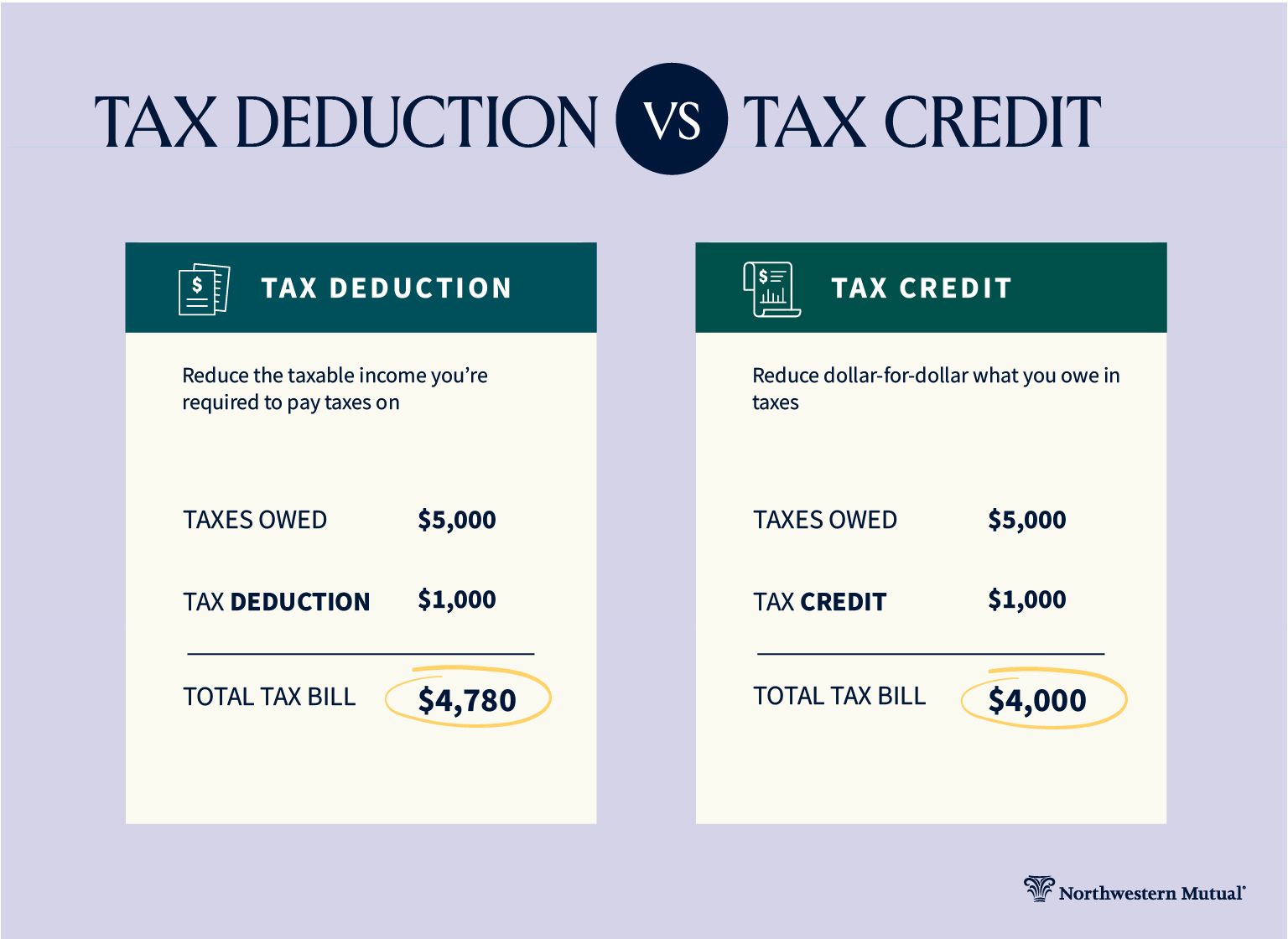
- Tax Deductions reduce your taxable income. For example, if you have a taxable income of $70,000 and claim a $5,000 deduction, your taxable income becomes $65,000. Your tax is then calculated on this lower amount, leading to a smaller tax bill. Common deductions include contributions to traditional IRAs, student loan interest, and health savings account (HSA) contributions.
- Tax Credits directly reduce the amount of tax you owe, dollar for dollar. A $1,000 tax credit reduces your tax bill by $1,000. Credits are generally more powerful than deductions because they come straight off your tax liability. Some credits are non-refundable, meaning they can reduce your tax liability to zero but won’t result in a refund if they exceed your tax due. Others are refundable, meaning if the credit amount is greater than your tax liability, the IRS will send you the difference as a refund. Examples of refundable credits include the Earned Income Tax Credit (EITC) and parts of the Child Tax Credit.
Key Factors Influencing Your Refund Amount
Many variables converge to determine the size of your tax refund. A thorough understanding of these elements empowers you to anticipate your tax outcome and plan accordingly.
Income and Filing Status
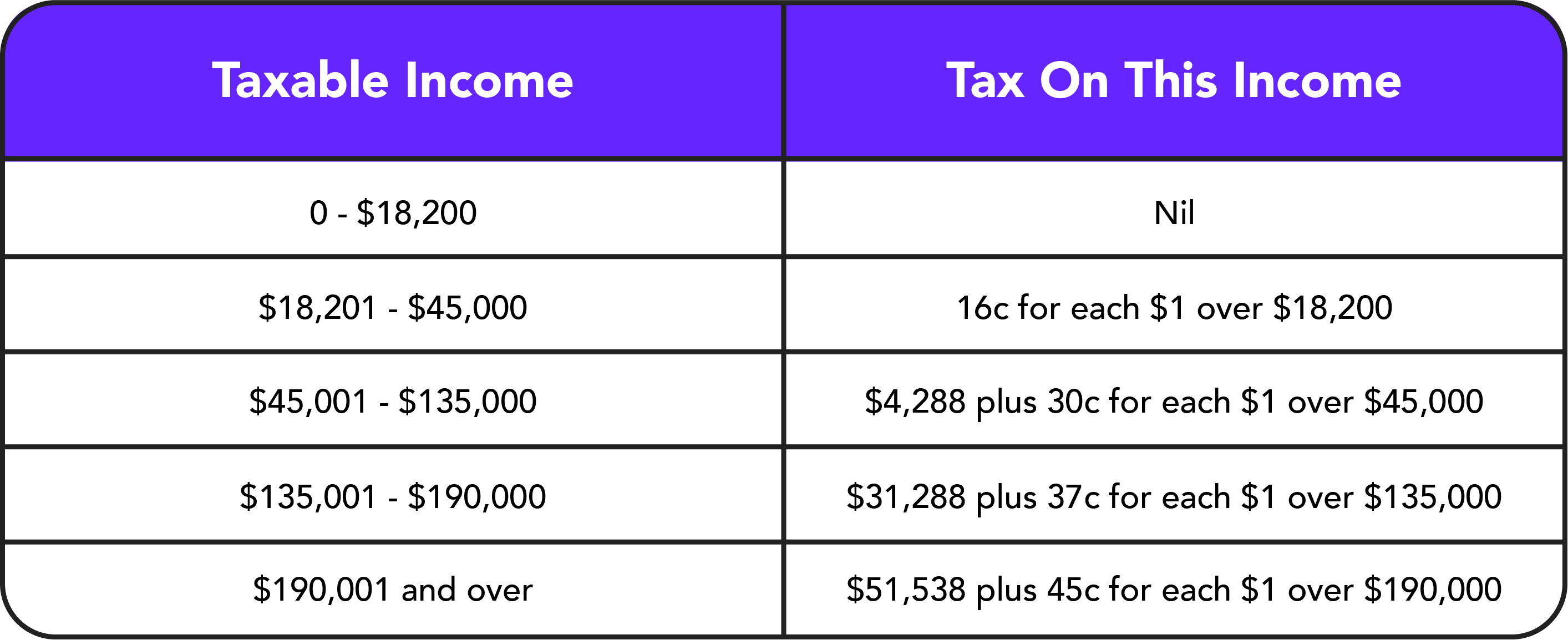
Your total taxable income is the foundation upon which your tax liability is built. Higher income generally means higher taxes, but the tax bracket system ensures that different portions of your income are taxed at different rates. Your filing status (Single, Married Filing Jointly, Married Filing Separately, Head of Household, or Qualifying Widow(er)) also significantly impacts your standard deduction amount, tax bracket thresholds, and eligibility for certain credits and deductions. For instance, married couples filing jointly often benefit from a larger standard deduction and more favorable tax brackets compared to two single filers with the same combined income.
Itemized vs. Standard Deduction
One of the most significant choices for many taxpayers is whether to take the standard deduction or itemize their deductions. The standard deduction is a fixed dollar amount that varies by filing status and is automatically available to most taxpayers. It simplifies tax filing for millions. Itemizing, on the other hand, involves listing out specific allowable expenses, such as state and local taxes, mortgage interest, charitable contributions, and certain medical expenses. You should itemize only if your total itemized deductions exceed your standard deduction amount, as this will result in a lower taxable income and potentially a larger refund.
Major Life Events
Life isn’t static, and neither are your taxes. Major life events can dramatically alter your tax situation and, consequently, your refund.
- Marriage: Often allows for filing jointly, potentially leading to a larger standard deduction and different tax bracket considerations.
- Divorce: Changes in filing status, potential alimony payments (for agreements before 2019), and child custody arrangements (impacting child-related credits) can all affect your taxes.
- Children: The Child Tax Credit, Credit for Other Dependents, and Child and Dependent Care Credit can significantly increase your refund.
- Homeownership: Mortgage interest, property taxes, and sometimes points paid on a mortgage can be itemized deductions.
- Higher Education: Education credits (American Opportunity Tax Credit, Lifetime Learning Credit) and the deduction for student loan interest can provide substantial tax relief.
Tax Credits That Boost Refunds
As mentioned, credits are potent tools for reducing tax liability. Several common credits can directly lead to or increase a refund:
- Earned Income Tax Credit (EITC): A refundable credit for low-to-moderate income working individuals and families.
- Child Tax Credit (CTC): A credit for qualifying children; a portion of it is refundable.
- American Opportunity Tax Credit (AOTC): Up to 40% of this education credit is refundable.
- Premium Tax Credit (PTC): Helps eligible individuals and families afford health insurance purchased through the Health Insurance Marketplace. This can be taken in advance or reconciled at tax time.
Deductions That Reduce Taxable Income
While not as powerful as credits in directly generating refunds, deductions are crucial for lowering your overall tax bill. Key deductions include:
- Student Loan Interest Deduction: Up to $2,500 in student loan interest can be deducted.
- IRA Contributions: Contributions to a traditional IRA are often tax-deductible, reducing your taxable income.
- Health Savings Account (HSA) Contributions: Contributions to an HSA are tax-deductible, and qualified withdrawals are tax-free.
- Self-Employment Tax Deduction: Self-employed individuals can deduct one-half of their self-employment taxes.
Tools and Strategies for Estimating Your Refund
Waiting until April 15th to discover your tax fate isn’t ideal for financial planning. Fortunately, various tools and strategies can help you estimate your refund or tax due well in advance.
The IRS Tax Withholding Estimator
The IRS provides a free, online Tax Withholding Estimator that is an invaluable resource. By inputting details about your income, deductions, credits, and current withholding, it calculates your projected tax liability and suggests adjustments to your Form W-4. Using this tool allows you to proactively adjust your withholding to avoid overpaying or underpaying throughout the year, aiming for a refund that is close to zero or a small, manageable amount. It’s particularly useful after major life events or if you have multiple jobs.
Online Tax Software Calculators
Many popular tax preparation software providers (e.g., TurboTax, H&R Block, TaxAct) offer free refund calculators on their websites. These tools often ask a series of questions similar to the actual tax filing process, providing a relatively accurate estimate. While they don’t replace filing your actual return, they can give you a good ballpark figure based on your current financial data. Some even allow you to start inputting your information early in the tax season and update it as you receive W-2s and 1099s.
Consulting a Tax Professional
For those with complex tax situations—such as business owners, individuals with significant investments, or those undergoing major life changes—the most accurate way to estimate your refund is to consult a qualified tax professional. Certified Public Accountants (CPAs) or Enrolled Agents (EAs) can review your financial records, provide personalized advice on deductions and credits you might overlook, and offer strategic tax planning insights to optimize your financial outcome, not just for the current year but for future years as well. Their expertise can uncover opportunities that online tools might miss.
Optimizing Your Tax Situation Beyond Just the Refund
While getting a refund feels good, smart financial planning often involves minimizing your refund or even owing a small amount, rather than overpaying throughout the year.
Is a Large Refund Always Best?
A large tax refund, while gratifying, indicates that you likely had too much tax withheld from your paychecks. This means you effectively lent the government your money for free throughout the year. That money could have been earning interest in a savings account, invested in the market, used to pay down high-interest debt (like credit cards), or contributed to retirement accounts. In essence, a large refund represents a lost opportunity cost. Aiming for a small refund or a small tax bill often signifies more efficient cash flow management.
Adjusting Your Withholding for Next Year
Based on your current year’s refund or tax due, you can take proactive steps to adjust your withholding for the upcoming year. If you received a large refund, consider increasing your allowances on your Form W-4 or reducing any additional withholding amounts. This will result in more money in your paychecks throughout the year. Conversely, if you owed a significant amount, you might need to decrease your allowances or add an extra withholding amount to avoid a similar situation next year. Reviewing and updating your W-4 annually, or whenever a major life event occurs, is a best practice.
Proactive Tax Planning Throughout the Year
Effective tax management isn’t a once-a-year event; it’s an ongoing process. Maintain meticulous records of all income and expenses, especially those that are deductible. Stay informed about changes in tax law, as these can impact your planning. Consider making tax-advantaged contributions to retirement accounts (like 401(k)s and IRAs) and HSAs, which reduce your taxable income. For self-employed individuals, consistently setting aside money for estimated taxes and carefully tracking business expenses is paramount.
Utilizing Your Refund Strategically
If you do receive a refund, view it as an opportunity to bolster your financial health, not just for discretionary spending.
- Debt Repayment: Prioritize high-interest debt like credit card balances or personal loans.
- Emergency Fund: Boost your emergency savings to cover 3-6 months of living expenses.
- Investments: Contribute to a retirement account (IRA, Roth IRA) or a taxable brokerage account.
- Large Purchases: Save for a down payment on a home, a car, or other significant financial goals.
- Home Improvements: Invest in upgrades that add value or reduce future expenses.
Common Pitfalls and How to Avoid Them
Even with careful planning, mistakes can happen. Being aware of common pitfalls can save you time, stress, and potential penalties.
Missing Out on Eligible Deductions/Credits
One of the most common mistakes is simply not claiming all the deductions and credits you’re entitled to. This often happens due to a lack of awareness of specific tax laws or incomplete record-keeping. Always review the full list of available deductions and credits, and keep detailed records of all potentially deductible expenses, such as charitable donations, medical expenses, and work-related costs. Using reputable tax software or a professional can help ensure you don’t leave money on the table.
Filing Errors and Delays
Accuracy is paramount when filing your taxes. Simple errors, such as incorrect Social Security numbers, bank account information for direct deposit, or mathematical mistakes, can delay your refund or even trigger an audit. Double-check all entries, especially personal identifiers and financial figures. Filing on time is also critical; late filing can result in penalties, even if you are due a refund. If you need more time, file for an extension, but remember an extension to file is not an extension to pay.
Falling for Refund Scams
The promise of a quick or exceptionally large refund can attract scammers. Be wary of unsolicited calls, emails, or texts claiming to be from the IRS or a tax agency, especially if they demand immediate payment or sensitive personal information. The IRS typically initiates contact via mail. Never click on suspicious links or provide personal data unless you are certain of the source. Use official IRS channels and reputable tax preparers to protect yourself from fraud.
Understanding the intricacies of your tax situation and taking a proactive approach can transform the question “how much will I get back?” from a yearly lottery into a strategic component of your overall financial plan.
aViewFromTheCave is a participant in the Amazon Services LLC Associates Program, an affiliate advertising program designed to provide a means for sites to earn advertising fees by advertising and linking to Amazon.com. Amazon, the Amazon logo, AmazonSupply, and the AmazonSupply logo are trademarks of Amazon.com, Inc. or its affiliates. As an Amazon Associate we earn affiliate commissions from qualifying purchases.