
Navigating the intricate world of international flight bookings can often feel like a gamble. With prices fluctuating wildly from one day to the next, identifying the optimal moment to secure a ticket isn’t just about convenience; it’s a critical financial decision that can significantly impact your travel budget. For the financially savvy traveler, understanding the dynamics behind airfare pricing and leveraging strategic booking approaches can translate into substantial savings, freeing up funds for other enriching travel experiences or investment opportunities. This comprehensive guide delves into the financial intricacies of international flight bookings, offering insights and actionable strategies to ensure you get the most value for your money.

Understanding the Financial Dynamics of International Flight Pricing
Before diving into specific booking windows, it’s crucial to grasp the underlying financial principles that govern international airfare. Airlines are complex businesses operating on razor-thin margins, and their pricing strategies are sophisticated algorithms designed to maximize revenue. Understanding these foundational elements can empower you to make more informed financial decisions.
Supply and Demand Fundamentals
At its heart, airline pricing adheres to the classic economic principle of supply and demand. When demand for a particular route is high – perhaps during a popular holiday season or a major international event – prices naturally surge. Conversely, during off-peak periods or for less popular destinations, demand dwindles, leading to lower fares as airlines compete to fill seats. This dynamic is a primary driver of price fluctuations and dictates much of the advice regarding “best times” to book. Financially astute travelers continuously monitor these demand patterns, often planning trips outside peak seasons to capitalize on lower prices. This isn’t just about finding a cheap ticket; it’s about making a deliberate choice to optimize your travel expenditure against the backdrop of market forces.
Seasonal Fluctuations and Peak Travel Periods
International travel is heavily influenced by global seasons, holidays, and school breaks. These periods represent peak demand and, consequently, peak pricing. For instance, booking flights to Europe in July or August, or to Southeast Asia during Western Christmas and New Year, will almost always incur a premium. Similarly, major cultural festivals, sporting events, or even business conferences can create localized spikes in demand. From a financial perspective, identifying and avoiding these peak periods is the most straightforward way to save money. If your travel dates offer flexibility, shifting your trip by even a week or two into the shoulder season (just before or after peak) can yield significant financial benefits, sometimes amounting to hundreds of dollars per ticket. This strategic timing is a cornerstone of smart travel budgeting.
Airline Revenue Management Strategies
Airlines employ highly sophisticated “revenue management” systems. These systems use predictive analytics, historical data, and real-time market conditions to dynamically adjust prices. They segment passengers into different fare classes, each with a different price point, even for the same seat on the same flight. As seats in lower fare classes sell out, the system automatically makes higher fare classes available. This means that two passengers could be sitting next to each other, having paid vastly different prices. The goal of revenue management is to extract the maximum possible revenue from every flight. For consumers, this implies that early booking can sometimes secure a seat in a lower fare class before it’s exhausted, but waiting too long can mean being relegated to only the most expensive options. Understanding this continuous adjustment is key to not just finding a good deal, but to beating the system at its own game.
Pinpointing the “Sweet Spot” Window for International Bookings
While no magic formula guarantees the absolute lowest price every single time, extensive data analysis points to a general “sweet spot” booking window for international flights where the optimal balance between availability and affordability typically occurs. Adhering to this window significantly increases your chances of securing a financially advantageous deal.
The 3-6 Month Rule for Optimal Savings
For most international routes, the consensus among travel experts and data analysts is that the “sweet spot” for booking lies approximately three to six months before your intended departure date. During this period, airlines have typically finalized their flight schedules, and the initial, often lower, fare classes are still available. It’s early enough that demand hasn’t peaked, but late enough that airlines might be offering competitive pricing to fill seats. Booking too far in advance (e.g., 9-12 months out) can sometimes mean higher prices, as airlines initially price tickets conservatively before having a clear picture of demand. Conversely, booking within three months often sees prices steadily climbing as lower fare classes disappear and last-minute demand drives up costs. This 3-6 month window provides a robust financial buffer for securing good value.
Deviations for Popular Routes and Destinations
While the 3-6 month rule is a solid general guideline, popular routes and highly sought-after destinations often require a more aggressive financial strategy. For example, if you’re planning a trip to a major European capital during peak summer, or to a specific festival in Japan, extending your booking window to 6-9 months in advance might be financially prudent. These routes and destinations experience consistently high demand, and lower fare classes tend to sell out much faster. Waiting until the 3-month mark could mean missing out on significant savings. Research specific route data where possible, and if a destination is known for its high demand, err on the side of booking earlier to protect your budget.
Last-Minute vs. Early Bird: The Financial Trade-offs
The allure of a last-minute deal is often powerful, but for international flights, this is largely a myth for the financially prudent traveler. While domestic flights occasionally offer last-minute price drops to fill seats, international flights rarely follow this pattern. Airlines know that last-minute international travelers are often flying for urgent business or personal reasons and are less price-sensitive, allowing them to maintain higher fares. Booking last-minute for international travel typically means paying a substantial premium.
Conversely, being an “early bird” often pays off handsomely. Booking within the optimal 3-6 (or even 6-9) month window allows you to tap into the most competitive fare classes. It provides ample time to compare prices across different airlines and online travel agencies (OTAs), and critically, it gives you peace of mind, knowing your major travel expense is secured at a favorable rate. The financial trade-off is clear: prioritize early booking for international travel to avoid costly last-minute surprises.
Leveraging Financial Tools and Strategies for Cost Reduction
Beyond timing, smart financial planning and the judicious use of available tools can significantly enhance your ability to reduce international flight costs. These strategies move beyond mere timing to active financial management of your travel budget.
Price Prediction Tools and Alerts
The digital age has brought forth a wealth of financial tools designed to aid travelers. Services like Google Flights, Skyscanner, Kayak, and Hopper offer price prediction features, tracking historical data and current trends to advise on whether to buy now or wait. More importantly, they provide price alert functionalities. By setting up alerts for your desired route and dates, you receive instant notifications when prices drop, allowing you to capitalize on temporary dips without constantly monitoring fares yourself. This is an invaluable financial monitoring tool, acting like a stock alert for your travel investment, ensuring you don’t miss out on fleeting opportunities. However, always exercise judgment; these are predictions, not guarantees, and should be used as part of a broader financial strategy.
The Flexibility Factor: Days of the Week and Time of Day
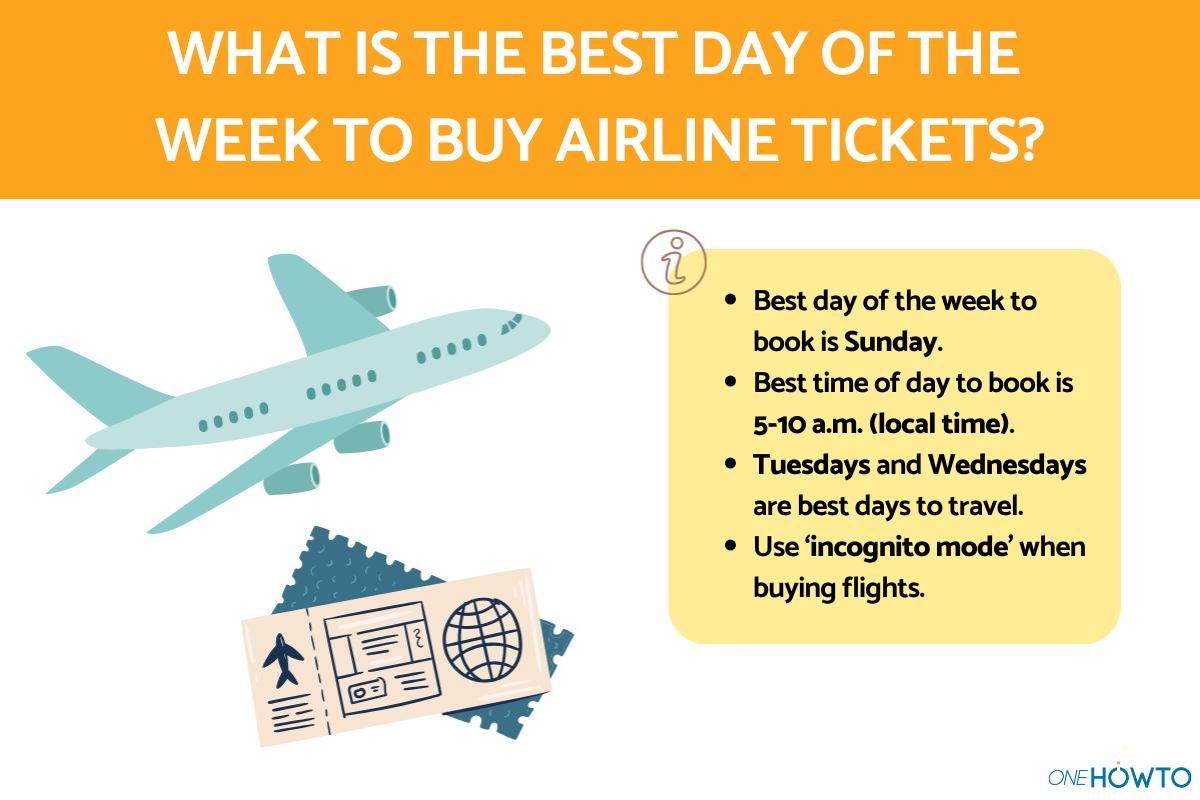
The day of the week and even the time of day you fly can have a profound impact on ticket prices. From a financial perspective, mid-week flights (Tuesdays, Wednesdays, Thursdays) are almost consistently cheaper than weekend flights, as leisure travelers often prefer to depart on Fridays and return on Sundays. Similarly, early morning or late-night “red-eye” flights tend to be less expensive because they are less convenient for most travelers. While these options might require a slight adjustment to your schedule, the financial savings can be substantial. Being flexible with your departure and arrival days, even by 24-48 hours, is a simple yet effective budgeting tactic.
Budget Airlines vs. Full-Service Carriers: A Cost-Benefit Analysis
When planning international travel, a critical financial decision involves choosing between budget airlines and full-service carriers. Budget airlines, especially in regions like Europe and Asia, often offer significantly lower base fares. However, their business model relies on charging for every ancillary service: checked baggage, seat selection, meals, priority boarding, and sometimes even carry-on bags. A true financial comparison requires summing up all potential fees to arrive at an “all-in” cost. For some travelers, particularly those traveling light or with minimal requirements, budget airlines can offer substantial savings. For others who value comfort, amenities, and fewer surcharges, a full-service carrier, despite a higher upfront ticket price, might offer better overall value and fewer unexpected costs. Perform a thorough cost-benefit analysis based on your specific needs and travel style.
The Power of Incognito Mode and Cookie Clearing
A lesser-known, yet financially significant, strategy relates to how travel websites track your browsing behavior. Many airline and OTA websites use cookies to monitor your interest in specific routes. If they detect you’ve repeatedly searched for the same flight, they may subtly increase the price on subsequent visits, a practice known as dynamic pricing. To circumvent this, always search for flights in your browser’s incognito or private browsing mode, or consistently clear your cookies. While the actual impact of this strategy is debated and may vary by airline/website, it’s a simple, free financial precaution that ensures you’re seeing the most unbiased pricing available.
Beyond the Ticket Price: Holistic Financial Planning for International Travel
Securing a cheap flight is only one piece of the financial puzzle for international travel. A truly comprehensive financial strategy considers all associated costs to avoid budget overruns and ensure a smooth, worry-free trip.
Hidden Costs and How to Budget for Them
The base airfare is often just the beginning. International travel frequently involves a myriad of “hidden” costs that can quickly inflate your budget if not accounted for. These include:
- Baggage Fees: Especially relevant with budget airlines, but even full-service carriers may charge for extra or overweight luggage.
- Seat Selection Fees: Many airlines now charge to select your seat in advance.
- Credit Card Foreign Transaction Fees: Banks often charge 1-3% on purchases made in a foreign currency. Opt for travel-friendly credit cards with no foreign transaction fees.
- Exchange Rate Fluctuations: Monitor currency exchange rates and consider strategies like locking in a favorable rate through a travel money card or using credit cards with good exchange rates.
- Airport Taxes and Fees: These are usually included in the ticket price but are significant components.
- Visa Costs: Depending on your nationality and destination, visa application fees can be substantial.
- Transportation to/from the Airport: Factor in the cost of taxis, public transport, or airport shuttles.
A detailed travel budget that itemizes these potential expenses is crucial for sound financial management.
Travel Insurance as a Financial Safeguard
While an upfront cost, travel insurance is often a non-negotiable financial safeguard for international trips. It protects against a multitude of unforeseen financial losses: trip cancellation or interruption (due to illness, natural disaster, etc.), lost luggage, medical emergencies abroad, and more. A medical emergency in a foreign country without insurance can lead to catastrophic financial debt. While it might seem like an extra expense, viewing travel insurance as a risk management tool is essential for prudent financial planning. The peace of mind it offers, knowing you’re protected against significant financial liabilities, is invaluable.
Credit Card Rewards and Miles: Maximizing Value
For frequent international travelers, strategically utilizing credit card rewards and airline miles programs can lead to significant financial advantages. Many travel-focused credit cards offer generous sign-up bonuses, points on everyday spending, and perks like lounge access or free checked bags. Accumulating miles can enable you to book “free” flights, effectively reducing your travel budget to zero for the airfare component. However, this strategy requires discipline: paying off balances in full to avoid interest charges (which negate any rewards), understanding redemption values, and ensuring the annual fees are justified by the benefits received. For the financially astute, credit card rewards are a powerful tool for making international travel more accessible and affordable.
Future Trends and Adapting Your Financial Booking Strategy
The landscape of international air travel is constantly evolving, influenced by global events, technological advancements, and shifting economic conditions. Staying abreast of these trends is vital for continuously refining your financial booking strategy.
Impact of Global Events on Airfare
Geopolitical events, economic downturns, fuel price surges, and even global health crises can profoundly impact airfare. For instance, a sudden rise in oil prices directly translates to higher fuel surcharges, increasing ticket costs. Economic recessions might lead to reduced demand and, consequently, lower fares, while periods of strong economic growth could see prices climb. Being aware of major global developments allows for a more responsive and adaptive financial approach to booking. Sometimes, postponing a trip slightly in response to a global event can save money, while other times, booking quickly before predicted increases is the wiser financial move.
The Role of AI in Dynamic Pricing
Artificial intelligence (AI) is increasingly at the forefront of airline revenue management. AI algorithms can process vast amounts of data—from search queries and booking patterns to competitor pricing and weather forecasts—to predict demand and optimize pricing in real-time with unprecedented accuracy. This means prices can change more frequently and more subtly than ever before. For the consumer, this underscores the importance of using price tracking tools and acting decisively when a good fare is identified, as the window for that specific price may be shorter. It also emphasizes the value of flexibility and early planning to stay ahead of these complex AI-driven pricing models.

Continuous Monitoring and Adapting Your Approach
Ultimately, the “best time” to book an international flight is not a static date but a dynamic window influenced by myriad financial and external factors. The most successful approach for any financially savvy traveler is continuous monitoring and a willingness to adapt. Regularly check prices, utilize alerts, remain flexible with your travel dates and destinations, and always perform a holistic financial assessment of all costs involved. By treating flight booking as a strategic financial decision, rather than a mere transaction, you position yourself to consistently find value, save money, and make international travel a more accessible and enjoyable endeavor. The financial rewards of a proactive, informed booking strategy are well worth the effort.
aViewFromTheCave is a participant in the Amazon Services LLC Associates Program, an affiliate advertising program designed to provide a means for sites to earn advertising fees by advertising and linking to Amazon.com. Amazon, the Amazon logo, AmazonSupply, and the AmazonSupply logo are trademarks of Amazon.com, Inc. or its affiliates. As an Amazon Associate we earn affiliate commissions from qualifying purchases.