
Travel is often cited as a top spending category for individuals and families, a significant line item in many personal budgets. For many, the dream of exploring new destinations or reconnecting with loved ones is often tempered by the daunting prospect of airfare costs. The question “When does airfare drop?” is not merely a query about timing; it’s a fundamental quest for financial optimization, a pursuit of value that can significantly impact a traveler’s overall budget and enable more frequent or luxurious trips. Understanding the intricate dynamics of airline pricing is less about luck and more about strategic planning, informed decision-making, and leveraging available financial insights. This comprehensive guide will demystify the ebb and flow of flight prices, providing actionable strategies to help you secure the best possible deals and make your travel budget go further. By treating airfare booking as a crucial component of personal finance management, travelers can transform what seems like an unpredictable expense into a manageable and often conquerable financial challenge.

The Volatile World of Airfare Pricing: Understanding the Mechanics
The price of an airline ticket is rarely static. It’s a dynamic figure influenced by a complex interplay of economic factors, technological algorithms, and market forces. To effectively predict and capitalize on price drops, it’s essential to first understand what drives this inherent volatility. Airlines operate on razor-thin margins and employ sophisticated revenue management strategies designed to maximize profit for every seat on every flight. This means prices are constantly being adjusted based on real-time data, forecasted demand, and competitive intelligence.
Supply and Demand Dynamics
At its core, airfare pricing adheres to the fundamental economic principle of supply and demand. When demand for a particular route and date is high (e.g., during holidays, major events, or peak seasons like summer), and the supply of seats is limited, prices will naturally surge. Conversely, during off-peak times or when an airline has an abundance of unsold seats, prices tend to drop to stimulate bookings. Airlines meticulously track booking trends, search queries, and historical data to anticipate demand, adjusting prices weeks, days, and even hours before departure.
Airline Revenue Management Algorithms
Modern airline pricing is heavily dictated by advanced revenue management algorithms. These sophisticated software systems analyze vast datasets, including historical sales, current booking pace, competitor pricing, fuel costs, weather forecasts, and even web traffic patterns. They continuously optimize pricing in real-time to ensure the maximum possible revenue for each flight. These algorithms create multiple “fare classes” for a single seat, each with different prices and restrictions, adjusting the availability of cheaper seats as the flight fills up. Understanding that these algorithms are designed to extract maximum value means travelers must be equally strategic in their approach.
Fuel Costs and Operating Expenses
While often invisible to the consumer, fluctuations in global fuel prices have a direct and significant impact on airline operating costs. Since jet fuel is one of the largest expenses for airlines, a sudden spike can trigger fare increases across the board. Beyond fuel, other operating expenses such as airport fees, maintenance, labor costs, and even currency exchange rates for international routes, all contribute to the baseline cost of an air ticket. Airlines must cover these costs to remain profitable, and these are factored into their pricing models.
Competition and Market Forces
The level of competition on a given route plays a crucial role in pricing. On routes serviced by multiple airlines, competition can drive prices down as carriers vie for passengers. A new airline entering a market or an existing one launching a promotional sale can initiate a “price war,” resulting in temporary but significant drops in fares. Conversely, on routes with limited competition, airlines have more pricing power. Monitoring these market forces, including news about new routes or airline alliances, can provide valuable insights into future price movements.
Timing is Everything: Unlocking the Best Booking Windows
The age-old question of “when to book” is arguably the most critical aspect of securing lower airfares. While there’s no single magic number, extensive data analysis points to specific booking windows that consistently offer the most financial advantage. This strategic timing is paramount for budget-conscious travelers aiming to minimize expenses without compromising their travel plans.
The “Goldilocks Zone”: When to Book Domestic Flights
For domestic travel within the same country, the sweet spot, often referred to as the “Goldilocks Zone,” typically falls between 1 to 3 months (30-90 days) before departure. During this period, airlines have generally established their baseline pricing, and the initial surge of early bird bookings has subsided, but the urgency of last-minute demand hasn’t yet pushed prices skyward. Booking too early (e.g., 6+ months out) can mean paying a premium as airlines initially price higher to capture early planners, while booking too late (within 3 weeks) often leaves only the most expensive fare classes available.
International Travel: A Longer Planning Horizon
International flights demand a more extended planning horizon. The optimal booking window for overseas journeys generally ranges from 3 to 6 months (90-180 days) in advance. This longer lead time accounts for the greater complexity of international travel planning, visa requirements, and the higher absolute cost of tickets, giving airlines more flexibility to adjust pricing and travelers more time to react to potential drops. For extremely popular or peak-season international destinations, extending this window to 8-10 months can sometimes yield even better results, especially if you’re rigid on specific dates.
The Myth of Last-Minute Deals (and exceptions)
The romantic notion of snagging incredibly cheap last-minute flights is largely a myth in today’s algorithmic pricing environment. For most leisure travelers, booking within two weeks of departure almost always results in higher fares. Airlines anticipate that last-minute travelers are often business travelers or those facing emergencies, who are less price-sensitive and willing to pay a premium. The exceptions usually involve charter flights with unsold seats, airline errors, or highly competitive short-haul routes where airlines are desperate to fill remaining capacity. These are rare occurrences and not a reliable strategy for planned travel.
Days of the Week: Booking vs. Flying
The day of the week you book your flight can sometimes influence the price, though its impact is diminishing as algorithms become more sophisticated. Historically, Tuesdays and Wednesdays were considered the best days to book, as airlines would often release new sales or match competitor prices after weekend demand data was analyzed. While this trend is less pronounced, it’s still worth checking prices on these days. More significantly, the day you fly has a substantial impact. Mid-week flights (Tuesdays, Wednesdays, Thursdays) and early morning/late-night flights are consistently cheaper than weekend or peak-hour options, as business travelers are typically off the grid, and leisure travelers prefer more convenient times. Flexibility around your travel dates is one of your most powerful financial tools.
Strategic Approaches to Tracking and Securing Deals
Understanding when airfare drops is only half the battle; the other half is actively tracking prices and employing smart strategies to capture those drops. In the digital age, a range of tools and tactical approaches can transform a passive search into an active, financially rewarding hunt for the best deals. These methods emphasize vigilance, flexibility, and smart utilization of financial and digital resources.
Leveraging Price Prediction Tools and Alerts
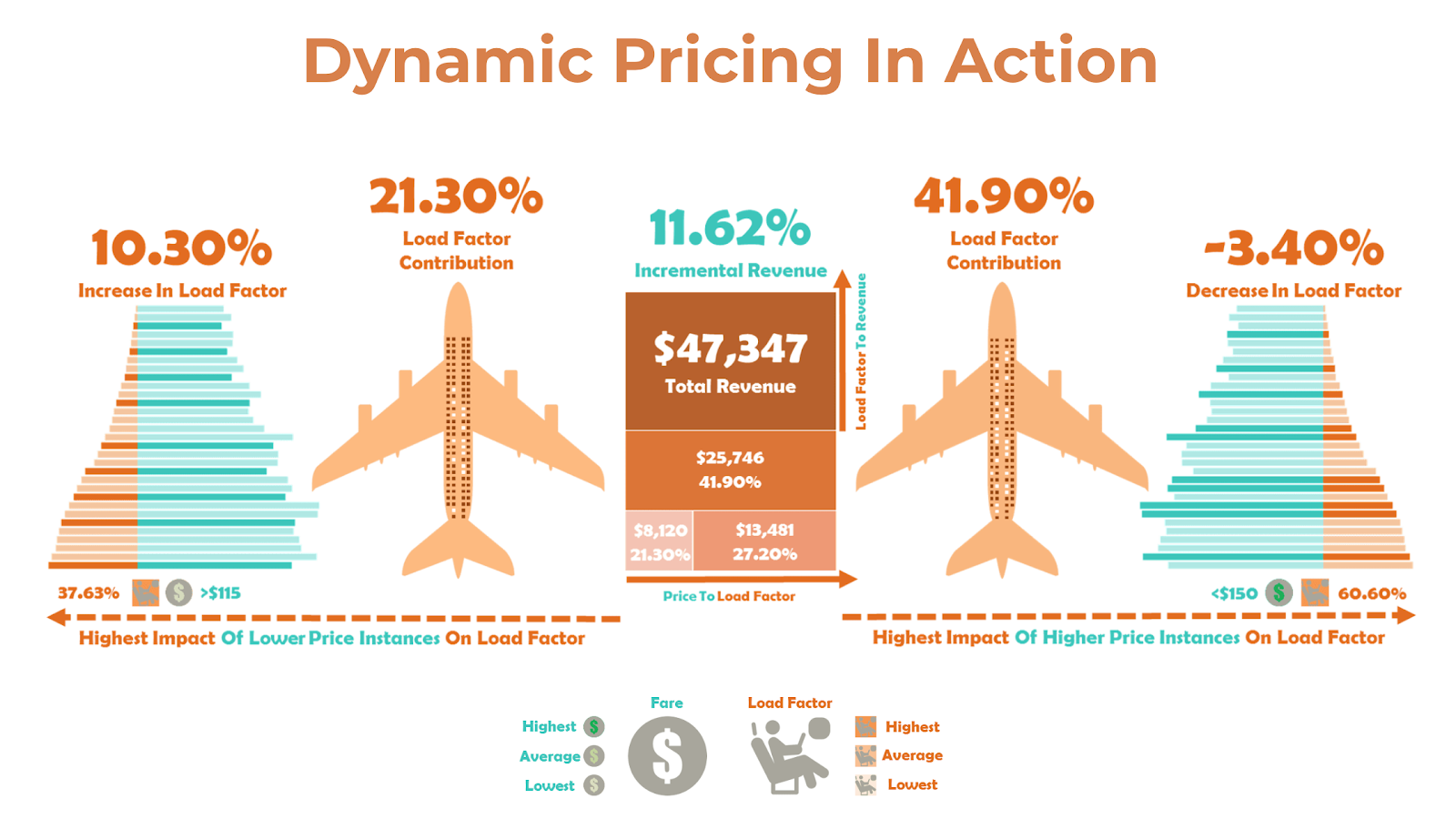
Modern financial technology offers powerful solutions for monitoring airfare. Websites and apps like Google Flights, Skyscanner, Kayak, Hopper, and Expedia offer price tracking and alert services. You input your desired route and dates, and these tools will notify you when the price changes. Some even offer predictive analytics, advising whether to “buy now” or “wait,” based on their historical data and algorithms. Subscribing to these alerts for your target destinations is a passive yet effective way to stay informed and pounce on a genuine price drop without constant manual checking.
The Power of Flexibility: Dates, Airports, and Destinations
Flexibility is perhaps the single greatest lever you have for reducing airfare costs.
- Flexible Dates: If your travel dates are malleable, using “flexible date” search options (e.g., Google Flights’ calendar view or Skyscanner’s “Cheapest Month” feature) can reveal significant savings by shifting your departure or return by just a day or two. As discussed, mid-week flights are often substantially cheaper.
- Flexible Airports: Consider flying out of or into alternative, smaller airports near your primary destination or origin. Often, a short drive or train ride to a secondary airport can unlock hundreds of dollars in savings, as these airports may have lower fees or be serviced by budget carriers.
- Flexible Destinations: If your primary goal is simply to travel and explore, but you’re not tied to a specific location, use “explore everywhere” search functions offered by many flight aggregators. This allows you to see the cheapest destinations from your origin airport for a given time period, often uncovering unexpected and affordable travel opportunities.
Exploring Alternative Airlines and Routes
Don’t limit yourself to major flag carriers or direct routes. Budget airlines (e.g., Spirit, Frontier, Ryanair, EasyJet) have expanded their networks considerably and often offer significantly lower base fares. Be mindful of their additional fees for baggage, seat selection, and amenities, which can add up, but for minimalist travelers, they are a powerful money-saving option. Similarly, consider multi-leg journeys or flights with longer layovers. While less convenient, connecting flights can often be much cheaper than direct ones, particularly for international travel. Breaking up a long journey can also allow for a brief stopover in another city, adding value to your trip.
Incognito Mode and Cookie Clearing: Fact or Fiction?
There’s a persistent myth that airlines and travel sites track your searches and raise prices when you revisit a route, based on your browsing history and cookies. While airlines do use sophisticated tracking for targeted advertising and demand forecasting, there’s no conclusive evidence that your individual browsing history directly increases the price you see for the exact same flight in real-time. Airlines adjust prices based on overall demand, available seats, and algorithms, not typically on your personal cookie data for individual price increases. However, it doesn’t hurt to clear your cookies or use incognito/private browsing mode as a precautionary measure, or simply compare prices across multiple devices and browsers to put your mind at ease. The more impactful strategy is using price alerts and remaining flexible.
Beyond the Booking: Maximizing Savings and Value
Securing a great airfare deal is a significant financial victory, but the astute money manager knows that travel costs extend beyond the ticket price. True financial optimization involves considering the entire spectrum of travel expenses, from understanding fare classes to leveraging loyalty programs, ensuring that every dollar spent contributes to the overall value of your journey. This holistic approach ensures that initial airfare savings aren’t negated by unforeseen costs or missed opportunities.
Understanding Fare Classes and Hidden Costs
When you purchase an airline ticket, you’re buying into a specific “fare class,” even if you don’t explicitly see it. These classes determine not only the price but also flexibility (e.g., change fees, refundability), baggage allowances, and eligibility for upgrades. The cheapest economy fares often come with the most restrictions and additional fees for things like checked bags, seat selection, and even carry-on bags on some budget airlines. Always read the fine print. Factor in these potential hidden costs when comparing prices, as a seemingly cheaper base fare might end up being more expensive than a slightly pricier ticket from a different airline that includes these amenities. This due diligence is a key component of smart financial planning for travel.
Loyalty Programs and Credit Card Perks
For frequent travelers, leveraging airline loyalty programs and travel-focused credit cards can lead to substantial long-term savings and added benefits. Accumulating miles or points through flying or everyday spending on co-branded credit cards can earn you free flights, upgrades, or access to exclusive lounges. Many travel credit cards also offer valuable perks like complimentary checked bags, priority boarding, annual travel credits, and travel insurance, which can significantly offset costs and enhance your travel experience. Strategically choosing and using these financial products is a smart money move for any regular traveler.
Bundle Deals vs. DIY Booking
Travel agencies and online travel agencies (OTAs) often offer “bundle deals” that combine flights with hotels, car rentals, or even activities at a discounted rate. For some travelers, especially those planning complex trips or seeking convenience, these bundles can offer good value and financial savings compared to booking each component separately. However, it’s crucial to compare the bundled price against the cost of booking each element individually. Sometimes, the flexibility and potentially better deals found through DIY booking (especially with budget airlines or independent hotels/rentals) can outweigh the convenience of a bundle. Always conduct a cost-benefit analysis before committing to a package.
The Role of Travel Insurance
While not directly about finding cheaper airfare, investing in travel insurance is a crucial financial safeguard that protects your overall travel investment. Airfare, especially for international trips, can be a significant upfront cost. Travel insurance can cover non-refundable airfare (and other pre-paid expenses) in cases of unexpected illness, injury, trip cancellation, delays, lost luggage, or other unforeseen events. While it’s an added expense, it provides peace of mind and can prevent substantial financial losses, turning a potential disaster into a recoverable situation. For expensive trips, it’s a wise financial decision, much like any other insurance policy protecting your assets.
Future-Proofing Your Airfare Strategy
The air travel landscape is constantly evolving, shaped by global events, technological advancements, and shifting economic tides. To maintain a financially savvy approach to booking flights, travelers must remain adaptable and informed, continuously refining their strategies to meet new challenges and capitalize on emerging opportunities. This proactive mindset is key to consistently making smart financial decisions in the dynamic world of airfare.
Adapting to Economic Shifts and Global Events
Major global events, such as pandemics, economic recessions, or geopolitical conflicts, can drastically impact air travel demand and pricing. During periods of low demand (e.g., early stages of a pandemic), airlines may offer unprecedented deals to stimulate bookings, while recovery periods can see prices rebound quickly. Economic downturns might lead to reduced leisure travel, prompting airlines to offer more competitive fares. Staying abreast of current events and understanding their potential ripple effects on the travel industry allows for proactive adjustments to your booking strategy, enabling you to capitalize on downturns or avoid inflated prices during recovery. This requires a broad understanding of macroeconomics impacting consumer spending and industry operations.
The Rise of Budget Airlines and New Route Expansions
The continued expansion of budget airlines into new markets and their introduction of innovative, cost-effective routes present ongoing opportunities for financial savings. These carriers often challenge established pricing structures, forcing legacy airlines to compete more aggressively. Monitoring news about new routes, particularly from low-cost carriers, can uncover previously expensive destinations becoming more accessible. Being open to flying on less-known airlines or through less-traveled hubs can unlock significant savings as these carriers aim to build market share. This trend empowers consumers with more choices and greater potential for financial efficiency.

Continuous Learning and Market Observation
Ultimately, the most effective strategy for consistently finding affordable airfare is a commitment to continuous learning and vigilant market observation. The “best time” to book is not a fixed point but a dynamic range influenced by countless variables. By regularly checking flight prices for desired routes, subscribing to newsletters from travel deal websites, following industry news, and discussing strategies within online travel communities, you build an intuitive understanding of market trends. This ongoing financial literacy in the context of travel allows you to recognize genuine drops, avoid overpaying, and become a more empowered and budget-conscious traveler. Making travel financially sustainable means approaching it with the same diligence and strategic thinking applied to other aspects of personal finance.
aViewFromTheCave is a participant in the Amazon Services LLC Associates Program, an affiliate advertising program designed to provide a means for sites to earn advertising fees by advertising and linking to Amazon.com. Amazon, the Amazon logo, AmazonSupply, and the AmazonSupply logo are trademarks of Amazon.com, Inc. or its affiliates. As an Amazon Associate we earn affiliate commissions from qualifying purchases.