
Travel, for many, represents freedom, discovery, and a much-needed escape from the daily grind. Yet, the dream of exploring new horizons often collides with the formidable cost of airfare, transforming an exciting prospect into a daunting financial challenge. In an era where every dollar counts, mastering the art of finding affordable flights isn’t just about saving money; it’s about unlocking more travel opportunities, extending your stays, or even upgrading other aspects of your trip. This guide delves deep into the financial strategies, tools, and insights required to navigate the complex world of airline pricing, empowering you to secure flights that align with your budget without compromising your travel aspirations. Finding cheap flights is less about luck and more about adopting a disciplined, informed financial approach to your travel planning.

Mastering the Art of Flight Search: Strategic Tools and Timing
The journey to securing cheap flights begins with understanding the financial landscape of airfare and employing the right tools and strategies at the opportune moments. This section explores how to leverage various platforms and insights into optimal booking periods to maximize your savings.
Leveraging Flight Comparison Websites
Flight comparison websites are your primary financial scouting tools in the quest for cheap airfare. Platforms like Google Flights, Skyscanner, Kayak, and Momondo act as aggregators, pulling data from thousands of airlines and online travel agencies (OTAs) to present you with a comprehensive overview of available flights and their prices. This aggregated financial data allows for rapid comparison, saving you countless hours and ensuring you don’t overpay.
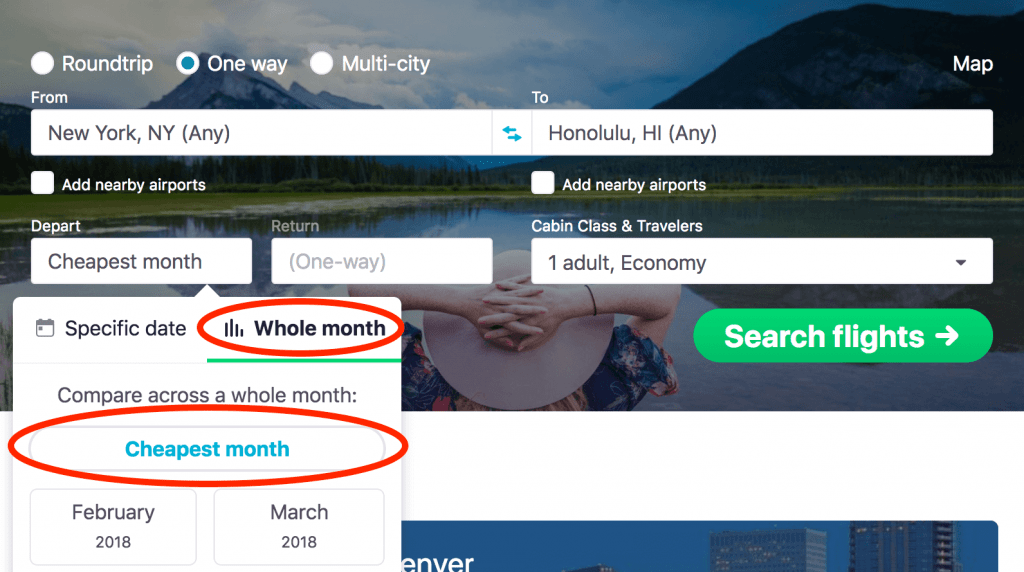
Beyond simple comparison, these sites offer invaluable features that translate directly into financial savings. Google Flights’ “Explore” map allows you to discover the cheapest destinations from your departure city for flexible dates, enabling spontaneous, budget-friendly trips. Skyscanner’s “Everywhere” search function serves a similar purpose, ideal for when your primary financial goal is to travel cheaply, regardless of destination. Furthermore, most comparison sites offer price alerts, notifying you via email when the price for a specific route drops. This passive financial monitoring can be a game-changer, allowing you to capitalize on temporary fare reductions without constant manual checking. The key is to use these tools not just as search engines, but as sophisticated financial instruments designed to pinpoint the lowest possible cost for your desired travel.
The Power of Direct Airline Websites
While comparison sites are excellent for initial research, the final purchase might sometimes be more advantageous directly from the airline’s website. Airlines occasionally offer exclusive promotions or discounts that aren’t advertised on OTAs. More importantly, booking directly simplifies the financial and logistical aspects of your trip. In the event of flight changes, cancellations, or other issues, dealing directly with the airline can be significantly smoother than navigating through a third-party intermediary, potentially saving you time, stress, and even money in rebooking fees or compensation claims.
Booking direct also ensures you earn full frequent flyer miles or points, which can accumulate into valuable financial rewards for future travel. For those committed to a specific airline alliance, direct bookings are crucial for loyalty program benefits, which translate into tangible financial perks like free upgrades, priority boarding, or discounted future flights. Therefore, while comparison sites identify the lowest prices, a quick cross-check on the airline’s own website is a financially prudent final step before committing to a purchase.
Understanding Optimal Booking Windows
Timing is a critical financial factor in flight pricing. Airlines use complex algorithms to adjust fares based on demand, seasonality, and numerous other variables. While there’s no single “magic” booking time, general patterns emerge that can significantly impact the price you pay. For international flights, the “sweet spot” typically falls between 2 to 6 months before your departure date. For domestic travel, booking 1 to 3 months out often yields the best fares. Booking too far in advance can mean missing out on sales, while booking too late almost guarantees higher prices as seats fill up and demand increases.
The myth of last-minute deals largely applies only to specific, highly undesirable routes or times, and relying on it is a financially risky gamble. Airlines are incentivized to fill seats, but they also know that business travelers, who often book late, are less price-sensitive and will pay premium fares. Understanding these booking windows allows you to strategically plan your purchase, positioning yourself to capture lower fares before they escalate.
The Cheapest Days to Fly and Routes
Beyond when to book, when to fly also has a substantial financial impact. Mid-week flights, particularly on Tuesdays and Wednesdays, are consistently cheaper than weekend travel. Early morning or late-night flights also tend to be less expensive due to lower demand and less desirable travel times. Adjusting your travel dates by even a single day can often result in hundreds of dollars in savings, representing a significant financial return for minor schedule flexibility.
Furthermore, consider alternative airports. Major hubs often command higher prices due to their convenience and extensive flight options. Flying into a smaller, secondary airport in the vicinity of your destination can significantly reduce airfare costs. For example, opting for London Gatwick (LGW) or Stansted (STN) instead of Heathrow (LHR), or Newark (EWR) instead of New York’s JFK, often presents a more financially attractive option, even when factoring in ground transportation costs. This strategic flexibility in route planning is a cornerstone of smart financial travel.
Advanced Financial Strategies for Flight Savings
Beyond the basics, several advanced techniques can further refine your flight search process, turning every potential trip into an exercise in astute financial planning.
Employing Price Tracking and Alert Systems
Consistent price tracking is a powerful financial tool. Setting up price alerts on platforms like Google Flights, Skyscanner, or Hopper isn’t just about convenience; it’s about automating your financial vigilance. These systems monitor fare fluctuations 24/7 and notify you when prices drop below a certain threshold or reach an optimal point. Hopper, for instance, even uses predictive analytics to advise whether you should “buy now” or “wait,” giving you data-driven financial guidance.
This proactive approach prevents you from missing out on fleeting deals. Instead of making an impulsive purchase, you can monitor the market, allowing the data to inform your buying decision, much like a savvy investor tracks stock prices. It’s about letting technology do the heavy lifting in your financial search for the best flight deal.
The Flexibility Factor: Dates, Destinations, and Airports
True financial flexibility in travel extends beyond just a day or two. Being open to a wider range of dates, destinations, or even departure/arrival airports can unlock extraordinary savings. If your primary financial goal is simply to “get away,” using the “Explore” or “Everywhere” features on flight search engines can reveal unbelievably cheap flights to unexpected destinations.

Traveling during shoulder seasons (the periods just before or after peak season) or off-peak times (e.g., hurricane season in the Caribbean, though with careful planning) can drastically reduce both flight and accommodation costs. This financial strategy capitalizes on lower demand, resulting in a significantly cheaper overall travel experience. Embracing flexibility is perhaps the single most impactful financial strategy for consistent flight savings.
Unlocking Savings with Budget Airlines and Smart Combinations
Budget airlines like Ryanair, Spirit, EasyJet, and Southwest have revolutionized air travel by offering incredibly low base fares. However, their financial model relies heavily on ancillary fees for everything from checked baggage and seat selection to in-flight refreshments. The trick is to understand their pricing structure and pack accordingly – often with just a personal item or carry-on. Always calculate the “all-in” cost, including potential fees, to ensure the budget airline truly remains the cheaper option.
An even more advanced financial tactic is “self-connecting.” This involves booking two separate tickets on different airlines to construct a cheaper overall journey. For example, flying a budget carrier to a major hub and then connecting with a separate ticket on another airline to your final destination. While financially rewarding, this strategy carries risks: if your first flight is delayed, you bear the financial responsibility for missing your second flight, as airlines typically won’t honor separate tickets. It requires ample layover time and often travel insurance to mitigate potential financial losses.
Beyond the Ticket Price: Holistic Financial Planning for Flights
Finding a cheap flight is only one part of the financial equation. True savings come from a holistic approach that considers all associated costs and leverages financial tools effectively.
Leveraging Credit Card Rewards and Miles Programs
Travel-focused credit cards are powerful financial instruments that can significantly reduce your out-of-pocket flight expenses. Many offer substantial sign-up bonuses in the form of miles or points, often enough for a round-trip domestic or even international flight after meeting a minimum spending requirement. Beyond bonuses, these cards typically offer accelerated earning rates on travel-related purchases.
Understanding how to strategically earn and redeem these points, often by transferring them to airline partners, can lead to “free” flights or substantial discounts. This is a form of sophisticated financial planning where everyday spending is optimized to yield future travel benefits, effectively transforming your regular expenditures into travel currency.
Avoiding Hidden Fees and Ancillary Costs
The “cheap” flight often comes with a caveat: the potential for hidden fees. Baggage fees (both checked and carry-on that exceeds dimensions), seat selection fees, priority boarding, and even charges for printing a boarding pass at the airport can quickly inflate your initial budget. Before booking, meticulously review the airline’s fee structure.
Factor these potential costs into your budget from the outset. Sometimes, a slightly more expensive flight on a full-service airline that includes baggage or offers free seat selection might end up being cheaper in total than a budget carrier with numerous add-on charges. This diligent financial scrutiny prevents budget blowouts and ensures you’re comparing true “apples to apples” when evaluating flight options.
Travel Insurance as a Financial Safeguard
While an additional upfront cost, travel insurance can be a critical financial safeguard, especially when investing a significant amount in airfare. It protects your financial investment against unforeseen circumstances such as flight cancellations, unexpected delays, lost luggage, or medical emergencies abroad. For complex itineraries, expensive flights, or trips to remote locations, the peace of mind and financial protection offered by insurance often far outweighs its cost.
Carefully compare different policies, understand their coverage limits, and assess whether the potential financial risk of traveling without it justifies the savings. For savvy travelers, travel insurance isn’t just an expense; it’s a calculated risk management tool that protects their overall travel budget from catastrophic loss.
Ethical and Responsible Spending for Travel
The pursuit of cheap flights also offers an opportunity to reflect on more ethical and responsible spending habits, aligning financial decisions with broader values.
Supporting Airlines with Transparent Pricing
In a market often characterized by bait-and-switch tactics, choosing airlines that practice transparent pricing benefits you financially and promotes better industry standards. Airlines that clearly outline all potential fees upfront allow you to make informed financial decisions without unwelcome surprises. Supporting such airlines with your business encourages a more honest and consumer-friendly pricing environment across the industry. This means less time deciphering complex fee structures and more confidence in the price you’re paying.
Balancing Cost with Value and Experience
While the primary goal is often to find the cheapest flight, true financial wisdom in travel acknowledges that “cheap” doesn’t always equate to “best value.” Sometimes, paying a little extra for a direct flight instead of one with multiple long layovers can save you a day of travel, reduce stress, and minimize the risk of missed connections, which can have significant financial implications (lost wages, additional accommodation). Similarly, opting for an airline with a slightly higher fare but a reputation for reliability and comfort might be a better financial decision if it means a more productive or enjoyable journey, or avoids the cost of unexpected delays. It’s about optimizing the financial utility of your travel, ensuring that your expenditure contributes maximally to your overall travel experience and personal well-being.
Conclusion
Finding cheap flights is a continuous journey of learning, adapting, and employing smart financial strategies. It requires more than just searching for the lowest number; it demands leveraging comparison tools, understanding pricing dynamics, being flexible with your travel plans, and employing financial instruments like credit card rewards wisely. By taking a proactive, informed, and holistic approach to your flight purchases, you transform travel from a budget drain into an accessible pleasure. The world is vast and inviting, and with these financial insights, you’re better equipped to explore it without breaking the bank, turning every trip into a testament to intelligent money management.
aViewFromTheCave is a participant in the Amazon Services LLC Associates Program, an affiliate advertising program designed to provide a means for sites to earn advertising fees by advertising and linking to Amazon.com. Amazon, the Amazon logo, AmazonSupply, and the AmazonSupply logo are trademarks of Amazon.com, Inc. or its affiliates. As an Amazon Associate we earn affiliate commissions from qualifying purchases.