
Securing the best deal on flights is a crucial element of savvy personal finance, allowing individuals to stretch their travel budgets further or reallocate savings to other financial goals. Navigating the complex world of airline pricing requires a strategic approach, a keen understanding of market dynamics, and the judicious use of available tools. This guide delves into the financial strategies and practical tactics necessary to consistently unearth cost-effective airfare.
Understanding Flight Pricing Dynamics
At its core, flight pricing is a sophisticated algorithm-driven system influenced by an intricate web of economic factors. Airlines employ dynamic pricing models that respond in real-time to supply, demand, competition, and operational costs. Understanding these underlying mechanisms is the first step toward outsmarting them.
The Algorithm’s Influence and Demand Fluctuations
Airline pricing algorithms are designed to maximize revenue. They continuously analyze booking patterns, historical data, competitor prices, fuel costs, and even external events to adjust fares. This means prices can change by the hour, or even by the minute. Key demand factors include:
- Seasonality: Peak travel seasons (e.g., summer holidays, Christmas, spring break) inevitably lead to higher prices due to increased demand. Conversely, shoulder seasons (just before or after peak) and off-peak periods often present significant savings.
- Day of the Week to Fly: Financially, flying mid-week — typically Tuesday, Wednesday, or Thursday — is often cheaper than flying on weekends. Airlines cater to business travelers during the week and leisure travelers on weekends, leading to varied demand profiles.
- Time of Day: Early morning or late-night flights, while less convenient for some, frequently come with lower price tags as they are less desirable than midday options.
The “Sweet Spot” for Booking in Advance
There’s a widely debated “sweet spot” for booking flights that promises the lowest fares. While not an exact science due to dynamic pricing, general financial wisdom suggests booking too early or too late can be detrimental.
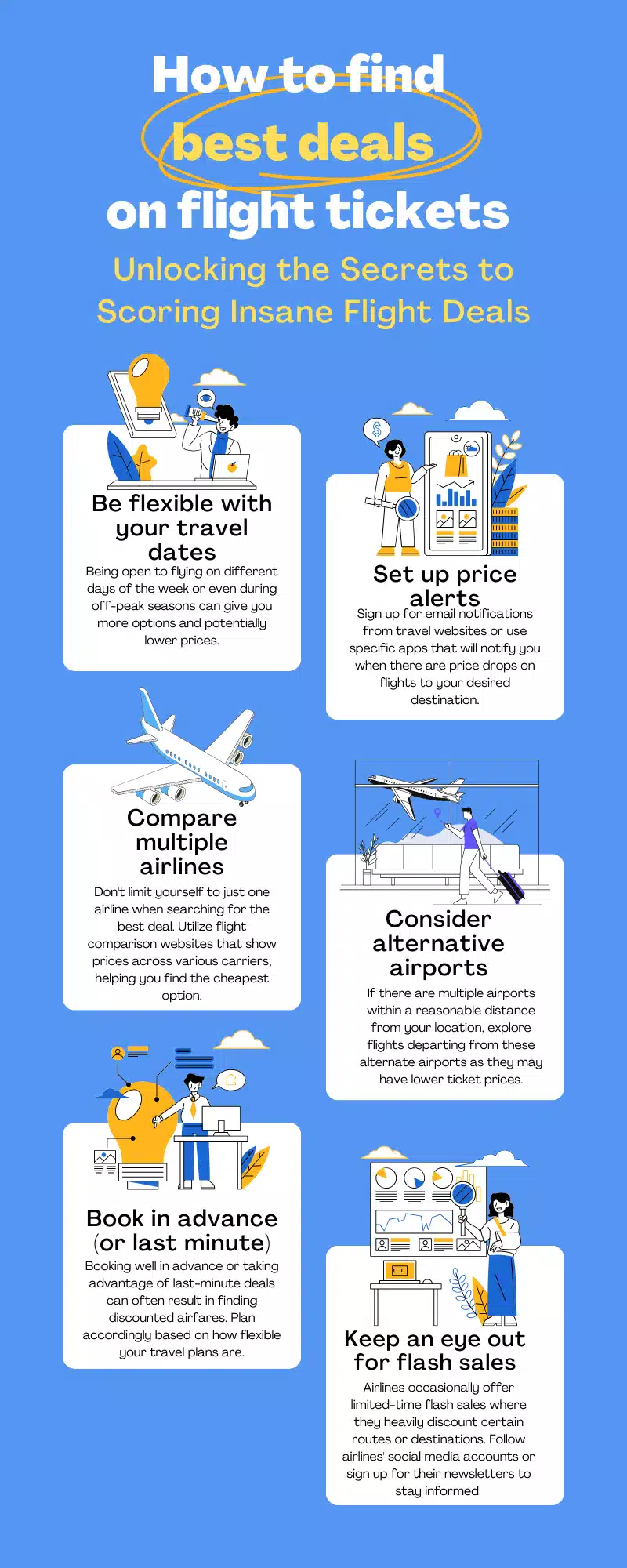
- Domestic Flights: For domestic travel, the ideal booking window typically falls between 1 to 4 months before departure. Prices tend to rise sharply in the final weeks leading up to the flight.
- International Flights: For international journeys, a longer lead time is often beneficial, with the optimal window usually between 2 to 8 months in advance. Longer routes and higher demand destinations may warrant booking even earlier.
Booking too far in advance can sometimes mean missing out on sales or new routes, while booking last-minute almost always incurs premium pricing unless you are extremely lucky with a distressed inventory deal, which is rare and unreliable for financial planning.
Strategic Search Techniques for Cost Savings
Effective searching is paramount to finding the best flight deals. It’s not just about using one platform; it’s about employing a multi-faceted approach that uncovers discrepancies and leverages market inefficiencies.
The Incognito Mode and Cookie Strategy
A common, though debated, tactic involves searching for flights in “incognito” or “private browsing” mode, or clearing your browser’s cookies. The theory is that travel websites can track your searches via cookies and potentially raise prices on routes you’ve repeatedly viewed, creating a sense of urgency to book. While airlines deny this direct manipulation, using incognito mode ensures a fresh search query each time, which can’t hurt and might occasionally reveal a lower initial price. It ensures you’re seeing the most unadulterated market rate for that moment.
Leveraging Metasearch Engines and Direct Bookings
Financial prudence dictates comparing prices across multiple platforms.
- Metasearch Engines: Websites like Google Flights, Skyscanner, Kayak, Momondo, and Expedia are invaluable tools. They scour hundreds of online travel agencies (OTAs) and airline websites to present a comprehensive list of options. Crucially, they allow for flexible date searches, which can instantly reveal cheaper days to fly.
- Direct Airline Websites: Always cross-reference prices found on metasearch engines with the airline’s official website. Sometimes, airlines offer exclusive deals, discounts for direct bookings, or have special promotions not listed elsewhere. Booking directly can also simplify customer service if issues arise.
- Online Travel Agencies (OTAs): While OTAs can sometimes offer bundled deals, it’s wise to be cautious. Always read reviews and understand their cancellation/change policies, which can be more restrictive or costly than booking directly with the airline.
Leveraging Financial Tools and Platforms
The digital age has equipped budget-conscious travelers with powerful tools to track prices, identify bargains, and even earn rewards that reduce the net cost of travel.
Price Alerts and Predictive Analytics
Several platforms offer free price tracking services that notify you when fares drop for a specific route.

- Google Flights: Its comprehensive tracking system allows you to monitor routes and receive email alerts when prices change significantly. Its calendar view also quickly highlights the cheapest days to fly.
- Skyscanner & Kayak: These also offer robust price alerts and “everywhere” search options, which are great for inspiration if you’re flexible on your destination.
- Hopper: This app uses predictive analytics to advise whether to buy now or wait, based on historical data and projected price trends, providing a “buy” or “wait” recommendation with a confidence level.
These tools are essential for passively monitoring the market without constant manual checks, ensuring you don’t miss a fleeting deal.
Credit Card Rewards and Frequent Flyer Programs
For financially disciplined individuals, travel credit cards and airline loyalty programs can be a game-changer.
- Travel Credit Cards: Many cards offer substantial sign-up bonuses in points or miles, which can be redeemed for flights, often covering the entire cost. Ongoing rewards on everyday spending can further accumulate points. However, the golden rule of credit cards applies: only use them if you can pay the balance in full each month to avoid interest charges that quickly negate any travel benefits.
- Frequent Flyer Programs: Enrolling in loyalty programs for airlines you fly frequently can earn you miles, even on economy flights. These miles can be redeemed for future flights, upgrades, or other travel perks. Alliance partnerships (e.g., Star Alliance, SkyTeam, Oneworld) allow you to earn and redeem miles across multiple carriers.
Strategic use of these financial instruments can significantly reduce out-of-pocket flight expenses, turning travel into a more affordable endeavor.
The Power of Flexibility in Your Financial Planning
Flexibility is perhaps the single most potent weapon in the arsenal of a budget traveler. The more adaptable you are, the greater your chances of finding exceptional deals.
Dates and Times: Unconventional Travel for Unconventional Savings
Being flexible with your travel dates and times can unlock considerable savings.
- Mid-week Travel: As noted, Tuesday, Wednesday, and Thursday are generally the cheapest days to fly. Weekends (Friday-Sunday) see higher demand and prices.
- Off-Season Travel: Avoiding peak tourist seasons can lead to dramatically lower flight prices, cheaper accommodation, and fewer crowds. Research the “shoulder seasons” for your desired destination – the periods just before or after the main tourist rush.
- Early Morning/Late Night Flights: These inconvenient flight times often have lower demand, translating into lower fares. If your schedule allows, embracing these hours can significantly cut costs.
Alternative Airports and Indirect Routes
Expanding your search beyond your immediate local airport and considering connecting flights can yield substantial financial benefits.
- Smaller, Alternative Airports: Many major cities have multiple airports. Flying into or out of a smaller, less popular airport in the same region can be considerably cheaper. Be sure to factor in the cost and time of ground transportation to your final destination from these alternative hubs.
- Connecting Flights: Direct flights are almost always more expensive due to convenience. Opting for flights with one or more layovers can drastically reduce the fare. Evaluate the trade-off between the time spent on layovers and the money saved. Sometimes, two separate one-way tickets on different airlines can be cheaper than a single round-trip, though this approach requires more diligence regarding baggage and schedule changes.
Beyond Booking: Maximizing Value Post-Purchase
The quest for the best deal doesn’t necessarily end once you’ve clicked “purchase.” Savvy financial management extends to post-booking strategies and understanding the true cost of your airfare.
Monitoring for Price Drops and Rebooking Options
Even after booking, it’s worth continuing to monitor your flight’s price. Some airlines or OTAs offer a refund if the price drops after your purchase, especially within a certain window or if you purchased a flexible fare. Tools like Google Flights still track your purchased itinerary and can notify you of price drops. While most basic economy tickets don’t allow free changes, understanding your ticket’s fare rules regarding cancellations and changes is crucial. Some credit cards also offer price protection benefits, automatically refunding the difference if an item (including flights) you purchased drops in price.

Understanding Ancillary Fees and Total Cost of Ownership
The advertised flight price is often just the base cost. Airlines generate significant revenue from ancillary fees, which can quickly inflate your total travel expenses if not accounted for.
- Baggage Fees: Budget airlines, in particular, often charge for checked bags and sometimes even for carry-on luggage. Factor these costs into your comparison when evaluating different airlines. Weighing your bag before departure can save you hefty overweight fees at the airport.
- Seat Selection Fees: Many airlines now charge for advanced seat selection. If you’re willing to be assigned a seat at check-in, you can often avoid this fee.
- In-flight Services: From meals to entertainment, be aware of what’s included versus what’s an extra charge. Packing your own snacks and entertainment can lead to significant savings.
By meticulously evaluating the full financial implications of a flight, beyond just the base fare, you can ensure that the “deal” you found remains the best overall value for your budget. Applying these financial strategies transforms flight searching from a mere booking task into a strategic exercise in personal finance optimization.
aViewFromTheCave is a participant in the Amazon Services LLC Associates Program, an affiliate advertising program designed to provide a means for sites to earn advertising fees by advertising and linking to Amazon.com. Amazon, the Amazon logo, AmazonSupply, and the AmazonSupply logo are trademarks of Amazon.com, Inc. or its affiliates. As an Amazon Associate we earn affiliate commissions from qualifying purchases.