
The question “Which banks are the best?” is one of the most frequently asked in personal finance, yet it’s also one of the most subjective. There isn’t a single “best” bank that universally fits everyone’s needs. What constitutes “best” for a college student just starting their financial journey will differ significantly from what’s ideal for a seasoned investor, a small business owner, or a retiree. The financial landscape is diverse, populated by traditional brick-and-mortar institutions, credit unions, online-only banks, and innovative fintech solutions, each offering distinct advantages and disadvantages. Navigating this complexity requires a clear understanding of your own financial situation, priorities, and habits.
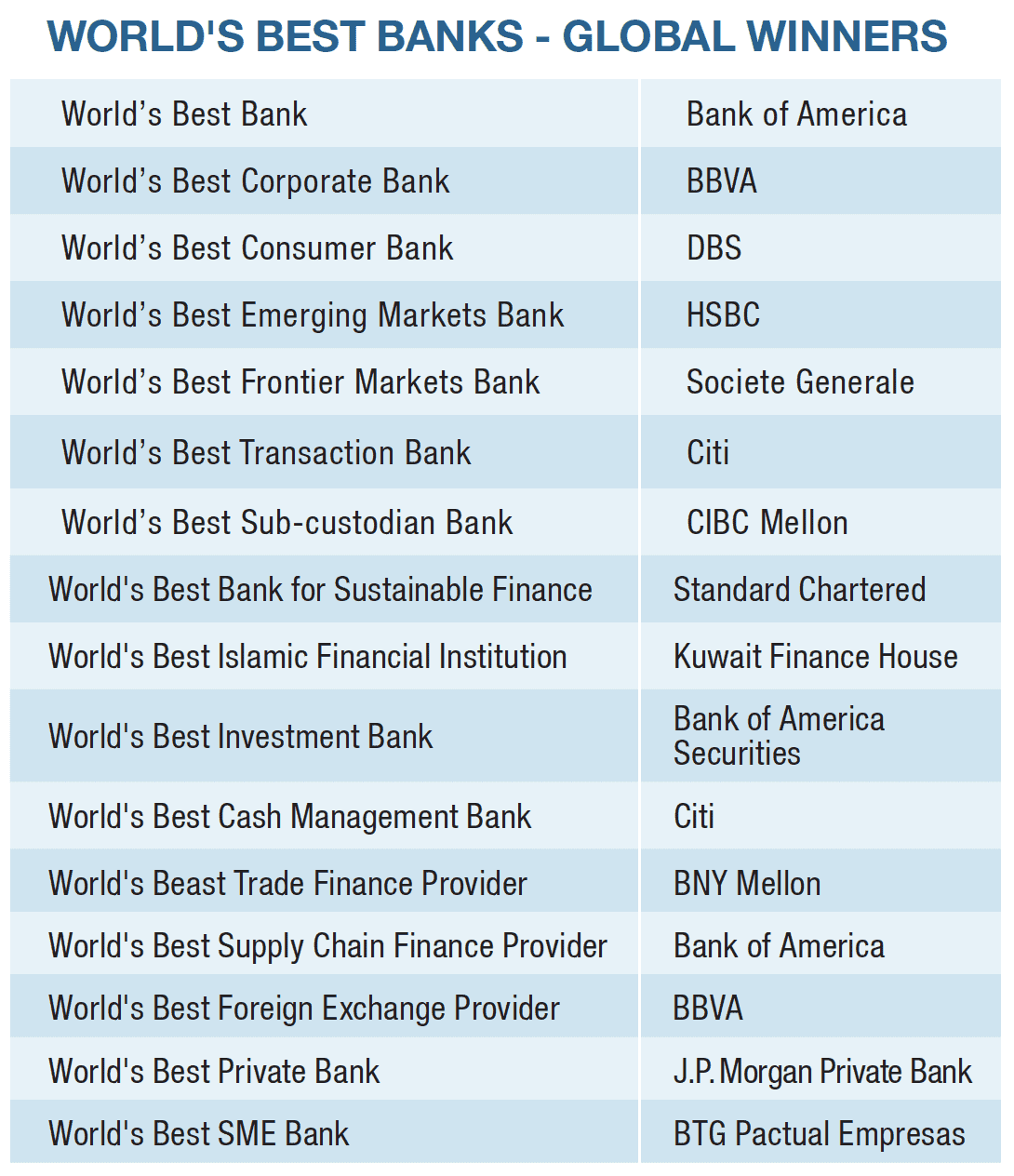
In this comprehensive guide, we’ll dismantle the myth of a singular “best” bank and instead equip you with the frameworks and criteria necessary to identify the institution that aligns perfectly with your individual financial goals. We’ll delve into the critical factors you should consider, explore the various types of banking institutions available, and provide actionable insights to help you make an informed and strategic choice for your money. Your optimal banking partner isn’t found by following a crowd; it’s discovered through a thoughtful evaluation of your unique financial fingerprint.
Defining “Best”: It’s Not One-Size-Fits-All
Before diving into specific banks or features, it’s crucial to understand that “best” is a deeply personal metric. Your ideal bank is the one that most effectively supports your financial life, minimizes unnecessary costs, and maximizes convenience and growth opportunities.
Understanding Your Personal Financial Needs
To define “best” for yourself, begin by conducting a thorough personal financial audit. What are your primary banking activities? Do you regularly deposit cash or write physical checks, or are your transactions almost entirely digital? Do you need easy access to ATMs, or are you comfortable with mobile deposits and online transfers? Are you primarily focused on saving for a specific goal, managing day-to-day expenses, or integrating your banking with investment accounts?
Consider your stage of life:
- Students and Young Professionals: Might prioritize low fees, a strong mobile app, and easy access to small loans or credit-building tools.
- Families: Could value comprehensive services, joint accounts, robust budgeting tools, and perhaps a mortgage or auto loan department.
- Small Business Owners: Will need robust business banking services, merchant accounts, and potentially payroll solutions.
- Retirees: Might seek personalized service, wealth management options, and easy access to branches for more complex financial discussions.
- Frequent Travelers: Could benefit from banks with minimal foreign transaction fees and widespread international ATM access.
Each demographic and financial situation presents a unique set of demands that a bank must meet. Failing to assess these needs accurately can lead to choosing a bank that is a perpetual source of frustration rather than a reliable financial partner.
The Spectrum of Banking Priorities
Beyond your transactional needs, your priorities will also shape your definition of “best.” Some individuals prioritize saving every penny, meaning high-yield savings accounts and low (or no) fees are paramount. Others prioritize convenience, valuing a robust mobile app and widespread ATM access above all else. Still, others might seek exceptional customer service, preferring the comfort of knowing they can quickly resolve issues with a knowledgeable human.
The spectrum of priorities often includes:
- Cost Efficiency: Minimizing monthly fees, overdraft charges, and ATM fees.
- Interest Earning Potential: Maximizing interest rates on savings and checking accounts.
- Accessibility: Whether through physical branches, a vast ATM network, or a cutting-edge digital platform.
- Customer Support: The ease and quality of interactions when you need assistance.
- Technology & Tools: The sophistication of mobile apps, online banking features, budgeting tools, and integration with other financial platforms.
- Security: Peace of mind knowing your funds are protected by FDIC/NCUA insurance and robust cybersecurity measures.
- Specific Products: Access to mortgages, auto loans, credit cards, or investment services.
By clearly articulating your personal needs and ranking your banking priorities, you lay the groundwork for a targeted search that will yield a truly “best” banking solution for you.
Key Criteria for Evaluating Banks
Once you understand your personal needs and priorities, you can begin to evaluate potential banking partners using a standardized set of criteria. This analytical approach ensures you’re comparing apples to apples and making a decision based on tangible benefits and potential drawbacks.
Fees and Charges: The Hidden Costs
One of the most immediate impacts a bank can have on your finances is through its fee structure. What might seem like a small monthly maintenance fee can add up significantly over a year. Beyond standard monthly fees, look out for:
- Overdraft Fees: How much does the bank charge if you spend more than you have? Are there options to link accounts to prevent overdrafts, or daily limits on fees?
- ATM Fees: Are there fees for using out-of-network ATMs? Does the bank offer reimbursements?
- Foreign Transaction Fees: Crucial for travelers, these fees can add 1-3% to every international purchase.
- Wire Transfer Fees: Both incoming and outgoing.
- Minimum Balance Requirements: Fees might be waived if you maintain a certain balance, but failing to do so could incur charges.
- Account Closing Fees: Though less common, some banks charge you to close an account.
A truly “best” bank for many will be one with transparent, minimal, or easily avoidable fees, especially for common transactions.
Interest Rates and Rewards: Maximizing Your Money
While the primary function of a checking account isn’t to earn significant interest, a good bank can still offer opportunities to grow your money.
- Savings Account Interest Rates (APY): Look for banks, particularly online-only institutions, that offer competitive Annual Percentage Yields (APYs) on their savings accounts. Even small differences can compound over time.
- CD Rates: For longer-term savings goals, competitive Certificate of Deposit (CD) rates can be a significant draw.
- Cashback and Rewards: Some checking accounts offer cashback on debit card purchases or specific categories, while associated credit cards can provide valuable points or travel rewards.
- Sign-Up Bonuses: Many banks offer incentives for opening new accounts and meeting certain deposit or spending thresholds. While enticing, ensure the underlying account still meets your long-term needs.
Balancing low fees with decent interest or reward opportunities is key to optimizing your banking relationship.
Accessibility and Convenience: Branches vs. Digital
Your lifestyle dictates the importance of physical versus digital access.
- Branch Network: If you prefer face-to-face interactions for complex transactions, require regular cash deposits, or appreciate local advisory services, a bank with a robust local branch presence is essential.
- ATM Network: For cash withdrawals, a wide, fee-free ATM network (either proprietary or through partnerships like Allpoint) is critical.
- Digital Platforms: A modern, intuitive online banking portal and a highly-rated mobile app are non-negotiable for most users today. This includes features like mobile check deposit, online bill pay, peer-to-peer payments (e.g., Zelle), and digital statements.
The “best” bank provides the right blend of accessibility that fits your daily routine and preferences.
Customer Service and Support
When things go wrong – a fraudulent charge, a lost card, or a transaction error – efficient and helpful customer service is invaluable.
- Availability: Is support available 24/7 or only during limited hours?
- Channels: Can you reach them via phone, live chat, email, or in-person?
- Responsiveness: How quickly do they respond to inquiries?
- Quality: Are support agents knowledgeable, empathetic, and effective at resolving issues?
Checking online reviews and asking current customers about their experiences can provide insights into a bank’s true commitment to customer satisfaction.
Financial Tools and Technology
Beyond basic online banking, many banks now integrate advanced financial tools designed to help you manage your money more effectively.
- Budgeting Tools: Built-in features that categorize spending and help you stick to a budget.
- Spending Trackers: Visual representations of your expenditures across different categories.
- Savings Goals Features: Tools to help you set and track progress towards specific savings objectives.
- Alerts and Notifications: Customizable alerts for low balances, large transactions, or bill due dates.
- Integration with Third-Party Apps: Compatibility with popular budgeting or investment apps like Mint or Personal Capital.
While not purely technology reviews, evaluating how these financial tools enhance your money management is crucial within the “Money” niche.
Security and Reliability
Your bank is the custodian of your hard-earned money, so security and reliability are paramount.
- FDIC/NCUA Insurance: Ensure the bank (FDIC) or credit union (NCUA) is insured, protecting your deposits up to $250,000 per depositor, per institution, per ownership category.
- Fraud Protection: Robust fraud monitoring, two-factor authentication, and clear policies for disputing unauthorized transactions.
- Cybersecurity Measures: Encryption, secure login protocols, and other measures to protect your digital banking experience.
- Reputation and Stability: A long-standing history of financial stability and a positive public reputation can offer peace of mind.
Types of Banks and Their Offerings
The banking industry is segmented into several distinct types, each with a unique operational model and set of advantages. Understanding these differences is key to matching your needs with the right institution.
Traditional Brick-and-Mortar Banks
These are the banks most people are familiar with – large national chains (like Chase, Bank of America, Wells Fargo) and smaller regional banks.
- Pros: Extensive branch networks for in-person service, a full suite of financial products (checking, savings, loans, mortgages, investment services), and often more personalized service for complex needs.
- Cons: Tend to have higher fees (e.g., monthly maintenance fees), lower interest rates on savings accounts, and sometimes less cutting-edge digital platforms compared to online competitors.
Traditional banks are often “best” for individuals who highly value face-to-face interaction, deal with large sums of cash, or prefer to keep all their financial products under one roof.
Credit Unions: Member-Owned Advantages
Credit unions are non-profit financial cooperatives owned by their members, rather than shareholders.
- Pros: Often offer lower fees, higher interest rates on deposits, and lower loan rates compared to traditional banks. They are known for excellent customer service and a community-focused approach. Deposits are insured by the NCUA.
- Cons: Membership might be restricted (e.g., by employer, location, or association), and their branch networks and ATM access can be more limited. Technology offerings, while improving, might not always be as sophisticated as large national banks or online-only players.
Credit unions are an excellent choice for those seeking a more personal touch, better rates, and a commitment to community, provided their membership requirements are met.
Online-Only Banks: Digital Efficiency
These banks operate entirely online, without physical branches. Examples include Ally Bank, Discover Bank, and Capital One 360.
- Pros: Lower overhead costs allow them to offer significantly higher interest rates on savings accounts, fewer fees (often none for basic checking/savings), and robust, user-friendly digital platforms. Many offer extensive fee-free ATM networks through partnerships and mobile check deposit.
- Cons: No physical branches for in-person support or cash deposits (though solutions like depositing at partner ATMs or sending money orders exist).
- Online banks are often “best” for tech-savvy individuals who are comfortable managing their finances digitally, prioritize high interest rates, and want to avoid common banking fees.
Beyond Traditional: Digital Banking and Fintech Solutions
The financial industry is constantly evolving, with new models emerging to challenge traditional banking paradigms. These digital-first solutions often leverage technology to offer innovative features and a seamless user experience.
The Rise of Neobanks and Challenger Banks
Neobanks (also known as challenger banks) are digital-first banks built from the ground up to operate solely through mobile apps or web interfaces. They often partner with traditional FDIC-insured banks to hold customer deposits, but manage their own customer-facing technology and services. Examples include Chime, Varo, and Monzo (in the UK).
- Pros: Hyper-focused on mobile experience, often offer innovative features like early direct deposit, automatic savings tools, and fee-free models. Designed for a generation that lives on their smartphone.
- Cons: Typically offer a narrower range of products compared to full-service banks. Customer service is primarily digital. They may not have the long-standing reputation of traditional institutions, although their underlying deposits are generally insured.
Neobanks are increasingly becoming “best” for younger demographics or anyone prioritizing an ultra-modern, app-centric banking experience with minimal fees.
Integrated Financial Management Platforms
Some banking entities are moving beyond simply offering accounts to provide holistic financial management. These platforms might integrate banking, budgeting, investing, and even credit monitoring into a single, cohesive user interface.
- Pros: A “single pane of glass” view of your entire financial life can simplify tracking, planning, and decision-making. These platforms often leverage AI and data analytics to offer personalized insights and recommendations.
- Cons: May require a higher level of trust, as all your financial data is centralized. The breadth of features might come with a learning curve, and deep integration might not suit everyone.
These platforms are ideal for those who want a centralized hub for all their financial activities, seeking efficiency and comprehensive oversight.
The Convenience of Mobile Banking
While not a type of bank itself, the quality and functionality of a bank’s mobile app have become a critical differentiator. A truly “best” bank in today’s digital age must offer an intuitive, secure, and feature-rich mobile banking experience. This includes:
- Ease of Use: Simple navigation and clear presentation of information.
- Full Functionality: Ability to pay bills, transfer funds, deposit checks, view statements, set alerts, and manage cards directly from the app.
- Security Features: Biometric login (fingerprint/face ID), two-factor authentication, and instant card freezing/unfreezing.
For the vast majority of consumers, a bank’s mobile app is now their primary interaction point, making its quality a significant factor in determining overall satisfaction.
Making Your Informed Choice
With a clear understanding of your needs, evaluation criteria, and the types of banking institutions available, the final step is to systematically compare your options and make a confident decision.
Research and Comparison: Due Diligence
Do not rush this process. Dedicate time to thoroughly research banks that appear to align with your priorities.
- Visit Bank Websites: Explore their official sites for detailed information on account types, fee schedules, interest rates, and available features. Pay close attention to the fine print and terms & conditions.
- Use Comparison Sites: Leverage independent financial comparison websites (e.g., NerdWallet, Bankrate, WalletHub) that aggregate information on various banks and allow you to filter by specific criteria.
- Read Disclosures: Understand minimum balance requirements, fee waiver conditions, and any potential penalties.
- Consider Future Needs: Think about where your finances might be in 3-5 years. Will your chosen bank be able to accommodate potential future needs like a mortgage, business loan, or investment services?
Thorough due diligence prevents unwelcome surprises down the line and ensures you’re selecting a bank that will grow with you.
Reading Reviews and Seeking Recommendations
While individual experiences can vary, reading reviews and seeking recommendations can provide valuable qualitative insights.
- Online Reviews: Check aggregate review sites and app store ratings. Look for recurring themes in both positive and negative feedback regarding customer service, app functionality, and ease of use. Remember to take individual reviews with a grain of salt, as personal biases can heavily influence them, but look for patterns.
- Personal Recommendations: Ask friends, family, or colleagues about their banking experiences. Their firsthand accounts can offer practical perspectives that might not be found in official literature.
Combine quantitative data from your research with qualitative insights from reviews to form a balanced perspective.

The Importance of a Trial Period or Phased Transition
You don’t have to go all-in immediately. Consider a phased approach, especially if you’re making a significant switch.
- Open a Secondary Account: Start by opening a savings or secondary checking account with a new bank. Transfer a small amount of money and test out their mobile app, online banking, and customer service for a few months.
- Direct Deposit: Once comfortable, gradually shift direct deposits or automatic payments to the new account.
- Keep Your Old Account (Temporarily): Maintain your old account for a few months after transitioning to ensure all automatic payments and subscriptions have successfully moved over. This prevents missed bills or lost payments.
This trial period allows you to experience the bank’s services firsthand without fully committing, giving you the confidence to make a complete switch if it proves to be the “best” fit.
Ultimately, the best bank is a dynamic choice that evolves with your life. By thoughtfully assessing your needs, diligently researching your options, and strategically making your selection, you can establish a banking relationship that truly empowers your financial journey.
aViewFromTheCave is a participant in the Amazon Services LLC Associates Program, an affiliate advertising program designed to provide a means for sites to earn advertising fees by advertising and linking to Amazon.com. Amazon, the Amazon logo, AmazonSupply, and the AmazonSupply logo are trademarks of Amazon.com, Inc. or its affiliates. As an Amazon Associate we earn affiliate commissions from qualifying purchases.