
In the complex landscape of personal finance, understanding the basic mechanisms of your banking instruments is paramount. One of the most fundamental yet frequently overlooked pieces of information is your checking account number. While seemingly simple, knowing precisely where to locate this number on a physical check, and understanding its significance, is crucial for a myriad of financial transactions and for safeguarding your financial security.
From setting up direct deposits to paying bills online, ordering new checks, or initiating wire transfers, your checking account number acts as a unique identifier for your specific account within your financial institution. It’s a key piece of information that facilitates the smooth flow of money in and out of your financial life. This guide will meticulously break down the anatomy of a check, demystify the various numerical sequences found there, and equip you with the knowledge not just to find your account number, but to understand its critical role and how to handle it securely.
Decoding the Anatomy of a Check: Your Financial Fingerprint
A physical check, though increasingly supplemented by digital payment methods, remains a cornerstone of financial transactions for many. Each check is a highly standardized document, meticulously designed to convey specific banking information in a universally readable format. Understanding its layout is the first step to confidently identifying your checking account number.
The MICR Line: Your Financial Fingerprint
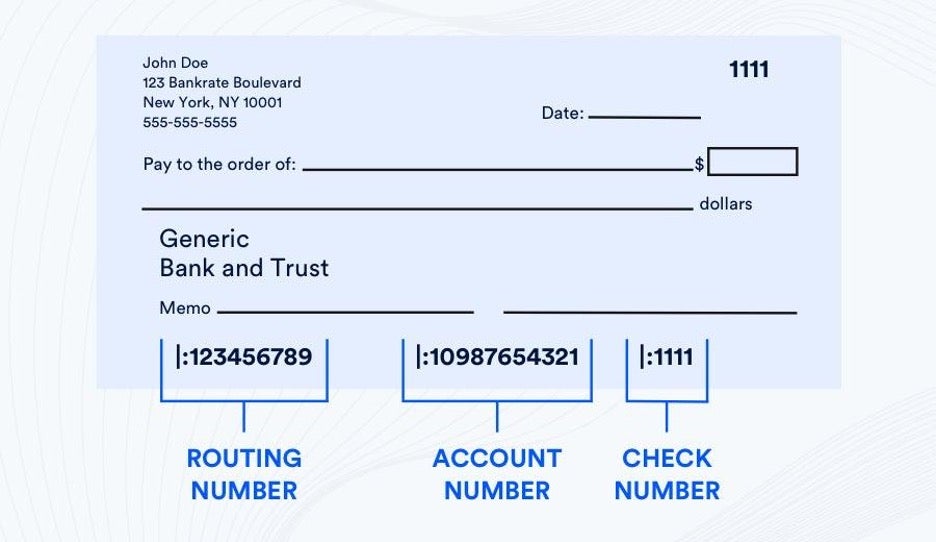
At the very bottom of every check, you’ll find a distinctive line of numbers printed in a special font using magnetic ink. This is known as the Magnetic Ink Character Recognition (MICR) line. This unique technology allows machines (like those used in bank processing centers) to quickly and accurately read the critical banking information on the check, preventing errors and speeding up transactions. The MICR line is standardized across banks and contains three primary sets of numbers, each serving a distinct purpose. It’s in this precise sequence that your checking account number resides.
The use of magnetic ink is not merely an aesthetic choice; it’s a security feature. Traditional optical scanners might struggle with smudges or faint printing, but magnetic ink characters can be read even under less-than-ideal conditions, ensuring reliable processing. Moreover, it makes it more difficult for fraudsters to alter the numbers without detection.
Identifying the Key Number Sequences
Within the MICR line, the three sets of numbers are typically arranged in a specific order, though the exact positioning can vary slightly between banks. It’s essential to be able to differentiate them to avoid costly mistakes.
-
The Routing Number (Bank Identifier): This is usually the first set of nine digits on the far left of the MICR line. The routing number, also known as an ABA (American Bankers Association) routing transit number, identifies the financial institution itself. It tells other banks where to send the funds when a check is cashed or an electronic transaction is initiated. Each bank has one or more unique routing numbers. Think of it as the bank’s address for financial mail. It’s publicly available and generally considered the least sensitive of the three numbers.
-
The Account Number (Your Unique Identifier): This is the heart of what we’re looking for. Your checking account number typically follows the routing number in the MICR line. It can vary in length, commonly ranging from 10 to 12 digits, but sometimes fewer or more. This number is unique to your specific checking account within your bank. It tells the bank which specific account to debit or credit once the funds arrive at the correct institution (identified by the routing number). This is the most sensitive piece of information on the check, as it directly links to your funds.
-
The Check Number (Individual Check Identifier): Often, the check number is the last set of digits on the far right of the MICR line. It’s usually three or four digits long and is also printed prominently in the top right corner of the check itself. This number simply identifies the individual check from your checkbook sequence. It helps you keep track of the checks you’ve written and reconcile your bank statements. It’s useful for record-keeping but has no direct bearing on where funds are sent.
Example of MICR Line:
[:Routing Number:] [:Account Number:] [:Check Number:]
[123456789] [000123456789] [101]
By understanding this structure, you can confidently pinpoint your checking account number every time.
Why Knowing Your Account Number Matters
Beyond simply being able to identify it, comprehending the importance of your checking account number is fundamental to effective personal finance management. It’s not just a string of digits; it’s a critical access key to your financial resources.
Essential for Financial Transactions
Your checking account number is a non-negotiable requirement for a wide array of crucial financial activities. Without it, many common transactions would be impossible or significantly more complicated.
- Setting Up Direct Deposit: This is perhaps one of the most common uses. Whether it’s your payroll from an employer, government benefits (like Social Security), or tax refunds, direct deposit requires your routing and account numbers to ensure funds are transferred directly and securely into your account.
- Paying Bills Online or Setting Up Automatic Payments (ACH Transfers): Many service providers, utility companies, and lenders offer the convenience of paying bills directly from your checking account. This often involves providing your routing and account numbers to authorize an Automated Clearing House (ACH) transfer. Similarly, setting up recurring payments for mortgages, loans, or subscriptions relies on these details.
- Initiating Wire Transfers: For larger sums of money, or when funds need to be moved quickly internationally, wire transfers are often used. These highly secure transfers always require both the recipient’s routing and account numbers, along with other identifying information.
- Making Electronic Fund Transfers (EFTs): Linking accounts across different financial institutions, moving money between your checking and savings accounts online, or using peer-to-peer payment apps sometimes require inputting your account number.
- Ordering New Checks: When you run low on checks, your bank or a third-party check printer will need your account number (and routing number) to ensure the new checks are correctly linked to your existing account.
- Linking External Accounts: If you use budgeting apps, investment platforms, or other financial tools, you might need to link your primary checking account. This often involves securely providing your routing and account numbers for verification purposes.
Security and Verification Implications
While knowing your account number is vital for convenience, it also carries significant security implications. It’s a key piece of personal financial information that, if misused, can expose you to fraud.
- The Importance of Confidentiality: Your checking account number, especially when combined with your routing number, provides a pathway to your funds. While it’s generally considered less risky than a credit card number (which can be used for immediate purchases without further verification), it can be used to set up unauthorized debits or even create fraudulent checks if it falls into the wrong hands.
- Risks of Sharing it Carelessly: Avoid sharing your full account number with unknown parties, via unsecured email, or over public Wi-Fi networks. Be cautious of phishing scams that try to trick you into divulging this information. Fraudsters can potentially use these numbers to make unauthorized withdrawals or payments from your account.
- When It’s Safe to Share: It is safe to share your account number with trusted entities like your employer (for direct deposit), your bank, government agencies, legitimate billers, or reputable financial services providers that you’ve initiated a transaction with. Always ensure you are on a secure website (look for ‘https://’ and a padlock icon) or speaking with a verified representative of a known institution. Banks employ various layers of security, including multi-factor authentication, to protect accounts even if numbers are compromised, but vigilance remains your first line of defense.

Alternative Ways to Locate Your Account Number (Beyond the Checkbook)
What if you don’t have a physical check handy, or you haven’t ordered any yet? Thankfully, there are several other reliable methods to find your checking account number, ensuring you’re never left in the dark when you need it.
Online Banking Portals
In today’s digital age, online banking is often the quickest and most convenient way to access your account details.
- Step-by-Step Guidance: Log in to your bank’s official website or mobile app using your secure credentials. Navigate to your checking account summary. Look for options like “Account Details,” “Account Information,” “Direct Deposit Info,” or “View Statements.” Your routing and account numbers are typically displayed clearly here. Some banks might require an additional security step, like entering a one-time password sent to your phone, before revealing these sensitive numbers.
- Emphasize Security Precautions: Always ensure you are logging into the official bank website or app. Be wary of suspicious emails or links that direct you to imposter sites. Use strong, unique passwords and enable multi-factor authentication for an added layer of security. Avoid accessing your banking information on public computers or unsecured Wi-Fi networks.
Bank Statements
Both physical and electronic bank statements are excellent sources of your account information.
- Physical Statements: If you receive paper statements by mail, your checking account number (and routing number) will almost always be printed clearly on them. Look near the top of the statement, usually in the section that lists your account details and statement period.
- Electronic Statements: For those who’ve gone paperless, you can typically access your electronic statements through your online banking portal. Download a PDF version of a recent statement, and you’ll find the numbers in the same location as a physical statement. This is a secure and readily available option if you have online access.
Contacting Your Bank Directly
When all else fails, or if you prefer direct assistance, your bank’s customer service channels are always available.
- Customer Service Phone Lines: Call your bank’s official customer service number (found on their website, the back of your debit card, or a previous statement). After verifying your identity (which will involve security questions, and possibly your Social Security number or date of birth), a representative will be able to provide you with your checking account number.
- Visiting a Branch In Person: For the most secure and direct assistance, visit a local branch of your bank. Bring a valid form of identification (driver’s license, passport) as the teller will need to verify your identity before providing any sensitive account information.
- Using Secure Messaging Within Online Banking: Many banks offer a secure messaging system or chat feature within their online banking platform. This allows you to communicate with a bank representative in a secure environment, and they can provide your account number after verifying your identity.
Common Pitfalls and Best Practices
Navigating financial information can sometimes be tricky. Being aware of common mistakes and adopting robust security practices will protect your funds and simplify your financial life.
Don’t Confuse It with Other Numbers
A frequent error is misidentifying the checking account number among the various other numerical sequences on a check or bank card.
- Reiterate the Distinction: Always remember: the routing number identifies the bank, the account number identifies your specific account within that bank, and the check number identifies that particular piece of paper. Your debit card number, on the other hand, is completely different; it’s a 16-digit card number linked to your account but primarily used for point-of-sale transactions and online purchases, not for direct deposits or ACH transfers.
- Warn Against Using Credit Card Numbers: Never use a credit card number in place of a checking account number. They serve entirely different purposes, and attempting to do so will result in failed transactions and potential security risks. Your credit card statement will also have an account number, but this is for your credit account, not your checking account.
Security Measures for Your Account Information
Proactive security is key to protecting your financial identity and funds.
- Shredding Old Checks and Statements: Do not simply throw old checks, bank statements, or any documents containing your account number into the trash. Always shred them using a cross-cut shredder to prevent identity thieves from piecing together your financial data.
- Using Strong Passwords for Online Banking: Employ complex, unique passwords for your online banking accounts and update them regularly. Consider using a password manager.
- Being Wary of Phishing Attempts: Be highly suspicious of unsolicited emails, texts, or phone calls asking for your account number or other personal financial information. Banks will rarely ask for this sensitive data via unsecure communication channels. When in doubt, call your bank directly using a number you know to be legitimate.
- Regularly Monitoring Account Activity: Review your bank statements and online transaction history frequently. Promptly report any suspicious or unauthorized transactions to your bank. Early detection is crucial for mitigating potential losses.

What to Do If You Can’t Find It
It’s okay if you’re struggling to locate your account number. It’s a common query, and there are always solutions.
- Reassure Users: Don’t panic. All the methods described above (online banking, statements, contacting the bank) are reliable ways to retrieve this information.
- Direct Them to Bank Resources: If you’ve tried everything and are still unsure, your bank is the ultimate authority. Their customer service representatives are trained to assist you in securely finding your account number and answering any related questions.
In conclusion, your checking account number is more than just a random sequence of digits; it’s a vital component of your financial identity and functionality. By understanding where to find it on a check, recognizing its distinct role, and applying robust security practices, you empower yourself to manage your money confidently, efficiently, and securely in an increasingly complex financial world.
aViewFromTheCave is a participant in the Amazon Services LLC Associates Program, an affiliate advertising program designed to provide a means for sites to earn advertising fees by advertising and linking to Amazon.com. Amazon, the Amazon logo, AmazonSupply, and the AmazonSupply logo are trademarks of Amazon.com, Inc. or its affiliates. As an Amazon Associate we earn affiliate commissions from qualifying purchases.