
In the intricate world of personal finance, where digits represent assets and transactions shape our economic realities, certain identifiers act as crucial navigational tools. Among these, the routing number stands as a fundamental pillar, often overlooked yet indispensable for the seamless movement of money. Far more than just a sequence of digits, a bank account’s routing number is the digital address of your financial institution, enabling everything from direct deposits to automated bill payments. For anyone managing their finances, understanding this nine-digit code is not merely a technicality but a critical piece of financial literacy.
This comprehensive guide delves into the essence of routing numbers, exploring their purpose, how to locate them, their pivotal role in various financial transactions, and essential security considerations. Whether you’re setting up direct deposit for the first time, initiating a wire transfer, or simply seeking a deeper understanding of your financial tools, mastering the concept of the routing number is a vital step toward greater financial confidence and security.
The Foundation of Financial Transactions: Understanding the Routing Number
At its core, a routing number is a nine-digit code used to identify a specific financial institution in the United States. It’s essentially the address label for your bank, credit union, or other depository institution, ensuring that funds transferred electronically arrive at the correct destination. Without this unique identifier, the vast network of interbank transactions that forms the backbone of modern commerce and personal finance would grind to a halt.
Decoding the Nine-Digit Identifier
The nine digits of a routing number are not random; they follow a specific structure established by the American Bankers Association (ABA). This structure allows for an organized system that accurately routes payments to tens of thousands of financial institutions across the country. Each digit or set of digits within the routing number carries specific information, including:
- Bank Identifier: The initial digits typically identify the Federal Reserve District where the financial institution is located.
- ABA Institution Identifier: Subsequent digits specifically pinpoint the individual bank or credit union.
- Checksum Digit: The final digit is a checksum, used to validate the entire number and prevent errors during processing. This mathematical check helps ensure the routing number is legitimate and correctly entered, adding a layer of security and accuracy to electronic transfers.
This systematic approach guarantees that when you initiate a transaction, the financial system knows precisely which institution is involved, differentiating it from every other bank in the country.
The Role of the American Bankers Association (ABA)
The concept of routing numbers dates back to 1910, established by the American Bankers Association (ABA) to facilitate the clearing of checks. Initially designed for paper-based transactions, the system evolved to become the bedrock of electronic fund transfers (EFTs). Today, the ABA continues to maintain and oversee the routing number system, ensuring its integrity and functionality in an increasingly digital financial landscape.
The ABA’s role extends beyond mere maintenance; it provides a standardized framework that allows diverse financial institutions, from multinational banks to local credit unions, to communicate and transact seamlessly. This standardization is critical for the efficiency and reliability of the U.S. financial system, supporting everything from automated teller machine (ATM) networks to sophisticated online payment platforms.
Where to Locate Your Bank’s Unique Financial Fingerprint
Knowing what a routing number is is one thing; knowing where to find it is another. Fortunately, financial institutions make this crucial information readily accessible through various channels, both traditional and digital. It’s important to note that a single bank may have multiple routing numbers depending on the type of transaction or even the region where the account was opened.
Your Checks: The Traditional Source
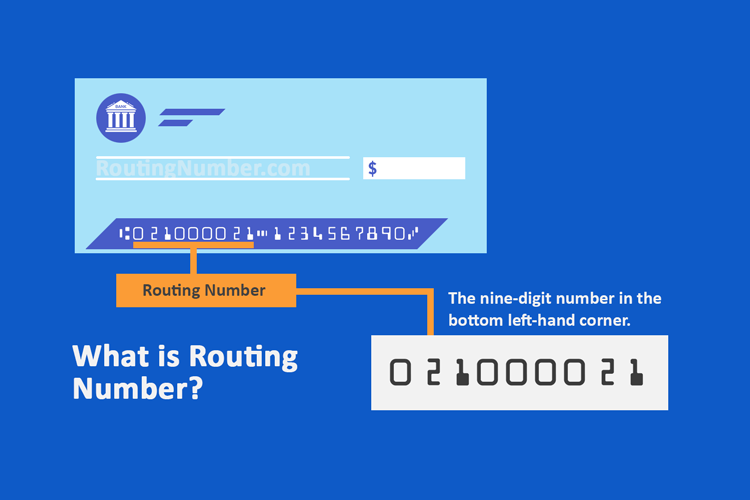
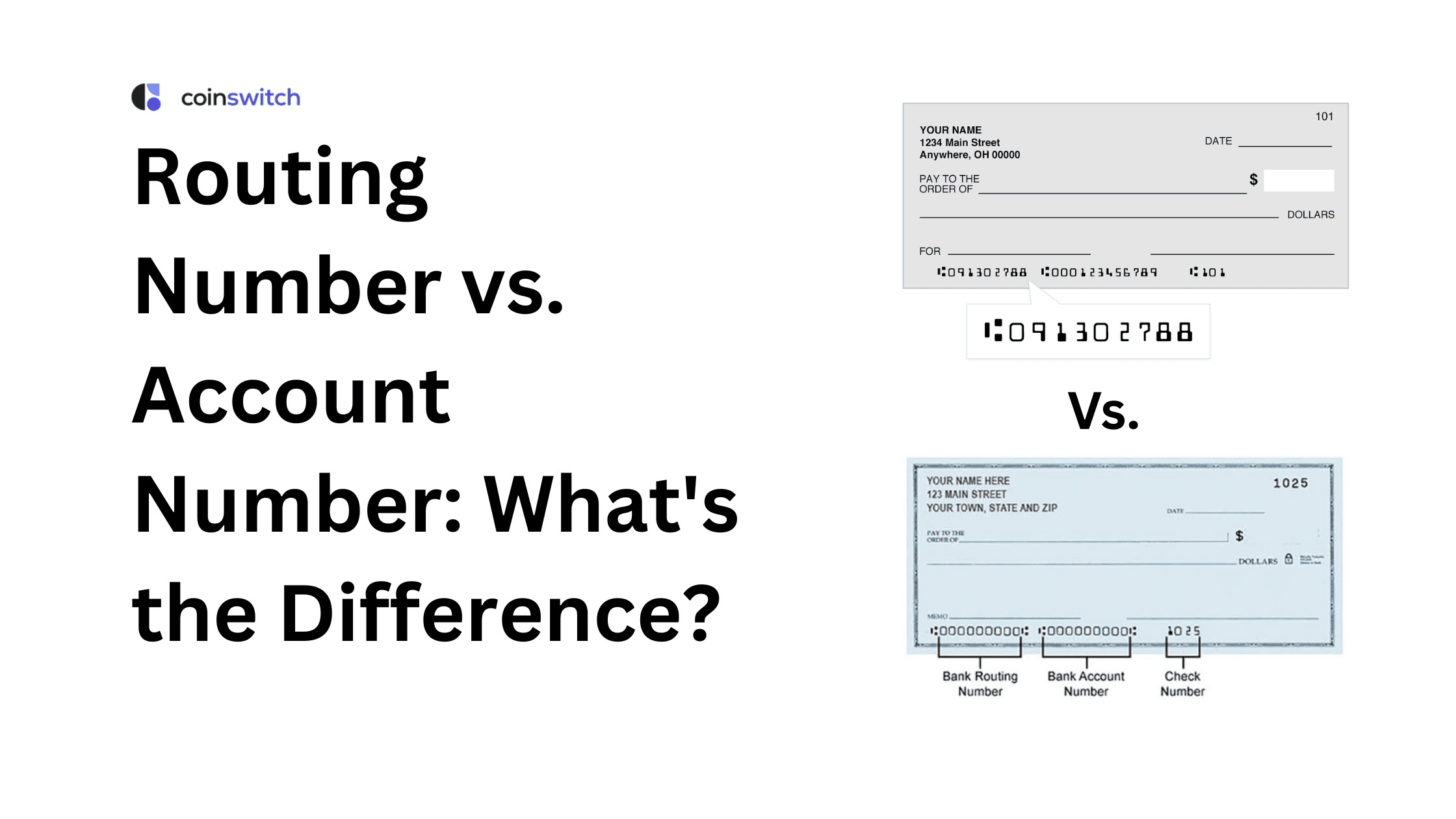
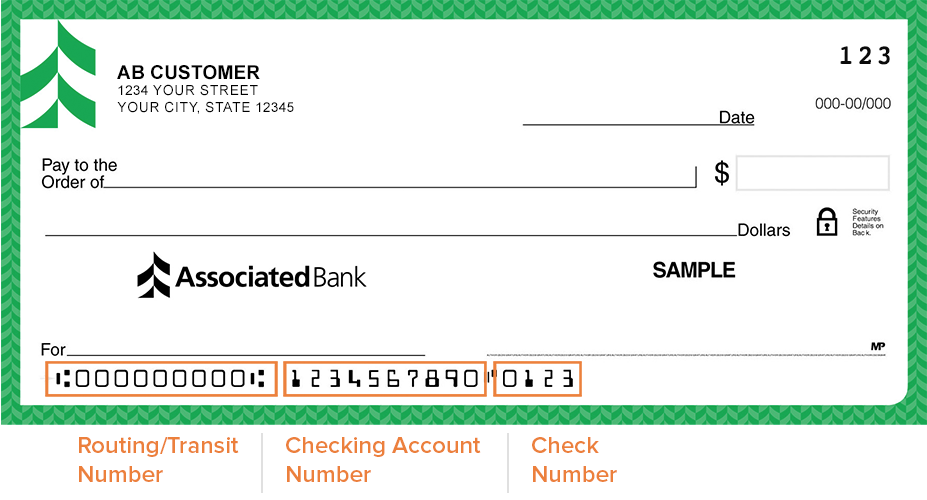
For decades, the most common place to find a routing number has been on a physical check. When you look at the bottom of a check, you’ll typically see three sets of numbers printed in a special magnetic ink font (MICR – Magnetic Ink Character Recognition). From left to right, these usually represent:
- Routing Number: The nine-digit routing number (ABA RTN).
- Account Number: Your specific bank account number.
- Check Number: The sequential number of the individual check.
This remains a reliable source, particularly for personal checking accounts. However, be aware that some banks might use a different routing number for savings accounts or for electronic transactions versus paper checks.
Digital Pathways: Online Banking and Mobile Apps
In today’s digital age, physical checks are becoming less frequent, and most people manage their finances online. Your bank’s online banking portal or mobile app is an excellent and often the most convenient place to find your routing number.
- Online Banking: After logging into your bank’s website, navigate to your account details. You’ll typically find the routing number listed alongside your account number and other pertinent information. Some banks may have a dedicated “Account Services” or “Direct Deposit Information” section.
- Mobile Apps: Similar to online banking, most bank mobile apps offer a quick way to view your account details, including the routing number. Look for options like “Account Info,” “Details,” or “Statements” within the app for the specific account you’re interested in.
These digital methods are usually up-to-date and tailored to your specific account, making them highly reliable.
Bank Statements and Direct Communication
Should you prefer a paper trail or need an alternative digital source, your bank statements are another reliable option. Both electronic and mailed statements typically list your account’s routing number, often near the top or bottom of the statement, along with your account number.
If you’re still unsure or need clarification, directly contacting your bank is always an option. A customer service representative can provide you with the correct routing number for your specific account and transaction type. This is particularly useful if you have multiple accounts or are dealing with specialized transactions like international wires, which might require a different identifier (e.g., a SWIFT/BIC code).
Specific Routing Numbers for Different Transaction Types
It’s crucial to understand that some financial institutions utilize different routing numbers for various types of transactions. For instance:
- ACH (Automated Clearing House) Transactions: These are common for direct deposits, automatic bill payments, and person-to-person transfers. Your bank might have a specific ACH routing number.
- Wire Transfers: Wire transfers are often faster and used for larger sums, and they may require a distinct routing number compared to ACH transactions.
- Regional Differences: Large banks operating across multiple states might have different routing numbers for branches in different regions.
- Credit Card vs. Bank Account: Remember that a routing number is tied to a bank account, not a credit card. Credit cards have their own unique card numbers and security codes.
Always double-check which routing number is required for the specific transaction you are making to avoid delays or misdirected funds.
The Indispensable Functions of Your Routing Number
The routing number is not just an administrative detail; it’s an active participant in virtually every electronic financial transaction you undertake. Its presence ensures accuracy and efficiency, making it a cornerstone of both personal and business finance.
Seamless Direct Deposits and Payroll
For many, the routing number’s most frequent utility is facilitating direct deposits. Whether it’s your salary, government benefits, or a pension, your employer or the paying agency needs your routing number (along with your account number) to electronically transfer funds directly into your bank account. This eliminates the need for paper checks, speeds up access to funds, and reduces the risk of lost or stolen checks, providing a secure and convenient way to receive income.
Automated Bill Payments and Transfers
Setting up recurring bill payments—such as utilities, rent, loan installments, or insurance premiums—heavily relies on routing numbers. When you authorize a vendor or service provider to automatically debit your account, you’re providing them with your bank’s routing number and your account number. This enables the Automated Clearing House (ACH) network to process these regular transactions, ensuring your bills are paid on time without manual intervention, helping you avoid late fees and manage your budget effectively. Similarly, transferring funds between your own accounts at different banks or to another person’s account at a different bank typically requires routing numbers.
Facilitating Wire Transfers
Wire transfers are a faster, albeit often more expensive, method of sending funds directly from one bank account to another, typically for larger sums or time-sensitive payments. For domestic wire transfers, the recipient’s routing number is essential. For international wire transfers, a SWIFT/BIC (Society for Worldwide Interbank Financial Telecommunication / Bank Identifier Code) code is often used in conjunction with or instead of a routing number to identify the international bank, highlighting the global reach of financial identifiers.
Enabling Tax Refunds and Government Payments
Just as employers use routing numbers for direct deposits, government agencies leverage them to disburse funds. When you file your taxes, providing your bank’s routing number ensures your tax refund is deposited directly into your account, often significantly faster than receiving a paper check. Similarly, other government benefits, like social security or unemployment benefits, are commonly disbursed via direct deposit, all relying on the correct routing number to ensure timely and accurate delivery of funds to the rightful recipient.
Safeguarding Your Financial Information: Security and Best Practices
While a routing number is widely used, it’s not as sensitive as your full account number or personal identification numbers (PINs). However, understanding its security implications and how to protect your financial information is crucial for maintaining financial health and preventing fraud.
When It’s Safe to Share Your Routing Number
Generally, it is safe to share your routing number when you are initiating a transaction or setting up legitimate financial services. This includes:
- Setting up direct deposit with your employer.
- Authorizing an automatic bill payment with a trusted vendor.
- Making a tax payment or receiving a tax refund from the IRS.
- Receiving an electronic transfer from a known sender.
- Using a legitimate online payment platform (e.g., PayPal, Venmo, provided you are linking your bank account).
In these scenarios, the routing number is necessary to complete the transaction, and the risk is generally low, especially when paired with your account number, as the account number is the primary identifier for your specific funds.
Protecting Against Fraud and Misuse
While a routing number alone cannot directly empty your bank account, it can be combined with other pieces of information to commit fraud. For example, if a scammer obtains both your routing number and account number, they could potentially create fraudulent checks or unauthorized debits.
To mitigate risks:
- Be cautious with unsolicited requests: Never provide your routing number or other bank details in response to unexpected emails, texts, or phone calls, especially if they claim to be from your bank or a government agency asking for verification.
- Shred old checks and bank statements: Don’t just throw away documents containing your banking information. Shred them to prevent unauthorized access.
- Monitor your accounts: Regularly review your bank statements and online transaction history for any suspicious activity. Report any unauthorized transactions to your bank immediately.
- Use secure websites: When entering banking information online, always ensure the website is secure (look for “https://” in the URL and a padlock icon).
- Be wary of public Wi-Fi: Avoid conducting sensitive financial transactions when connected to unsecured public Wi-Fi networks.
Differentiating Between Routing and Account Numbers
It’s vital to distinguish between your routing number and your account number. The routing number identifies your bank, while the account number identifies your specific account at that bank. Both are required for most transactions, but the account number is generally considered more sensitive as it points directly to your funds. Think of it this way: the routing number is the street address, and the account number is your apartment number at that address. Together, they form a complete and precise destination for your money.
Navigating Common Queries and Practical Insights
The routing number system, while standardized, can still raise questions, particularly for individuals managing multiple accounts or dealing with international transactions. Addressing these common queries can further enhance financial literacy and prevent potential complications.
What if I have multiple accounts?
Many individuals hold multiple bank accounts, perhaps a checking account, a savings account, and a money market account. It’s common for all these accounts within the same bank to share the same routing number, especially if they were opened at the same branch or within the same region. However, this is not always the case. Some banks, particularly larger ones, might assign different routing numbers to accounts based on their product type (e.g., checking vs. savings) or the geographic region where the account was opened. Always verify the correct routing number for the specific account you intend to use for a transaction, particularly when setting up direct debits or receiving payments. Your online banking portal is usually the best place to find this specific information.
Do routing numbers change?
While generally stable, routing numbers can occasionally change. This usually happens in specific circumstances, such as:
- Bank Mergers or Acquisitions: When one bank acquires another, the accounts of the acquired bank might eventually be migrated to the acquiring bank’s system, potentially resulting in a new routing number.
- Relocation or Restructuring: Less commonly, significant internal restructuring or the relocation of a bank’s primary processing center could lead to a change.
If your bank’s routing number changes, they are legally obligated to notify you well in advance. Pay attention to these notifications, as updating your direct deposits, automatic payments, and other financial arrangements is crucial to avoid disruptions. Failing to update could lead to missed payments, delayed income, or returned transactions.
International Transactions and Swift Codes
For domestic transfers within the United States, the routing number is the primary identifier. However, when sending or receiving money internationally, an additional or alternative code is often required: the SWIFT/BIC (Society for Worldwide Interbank Financial Telecommunication / Bank Identifier Code).
- SWIFT/BIC Code: This is an international standard for identifying banks worldwide. It’s an 8-to-11-character code used for international wire transfers, ensuring funds reach the correct bank in another country.
- IBAN (International Bank Account Number): While not used in the U.S., many countries, particularly in Europe, use IBANs to identify specific bank accounts for international transfers.
If you are involved in international finance, always confirm whether a routing number, SWIFT/BIC code, or IBAN is needed for your transaction. Your bank’s international wire transfer department can provide the correct details.
Conclusion
The routing number, a seemingly simple nine-digit code, is an unassuming powerhouse in our financial lives. It serves as the bedrock for countless electronic transactions, silently enabling the flow of money that underpins everything from our daily purchases to our long-term financial planning. Understanding “what is a routing number for a bank account” is not merely about memorizing digits, but about grasping a fundamental aspect of how money moves in the modern economy.
By knowing where to find your routing number, appreciating its indispensable functions in direct deposits and bill payments, and adhering to best practices for safeguarding your financial information, you empower yourself with a greater degree of control and security over your financial assets. In a world increasingly driven by digital finance, the routing number remains a testament to the robust, yet often invisible, infrastructure that keeps our economic gears turning smoothly, ensuring our money arrives precisely where it needs to be.
aViewFromTheCave is a participant in the Amazon Services LLC Associates Program, an affiliate advertising program designed to provide a means for sites to earn advertising fees by advertising and linking to Amazon.com. Amazon, the Amazon logo, AmazonSupply, and the AmazonSupply logo are trademarks of Amazon.com, Inc. or its affiliates. As an Amazon Associate we earn affiliate commissions from qualifying purchases.