
In the digital age, managing your finances often means navigating a complex ecosystem of online banking, payment systems, and direct transfers. At the heart of these operations lie two fundamental pieces of information: your routing number and your account number. For Chase customers, knowing how to quickly and securely locate these details is not just a convenience; it’s a necessity for everything from setting up direct deposit to paying bills online or receiving wire transfers. This comprehensive guide will demystify these critical numbers, explain their importance, and provide you with a step-by-step roadmap to finding them through various channels offered by Chase. Whether you’re a long-time customer or new to Chase, understanding where and how to access this information is key to seamless financial management.
The Core Components: Understanding Your Routing and Account Numbers
Before diving into how to find these numbers, it’s crucial to understand what they are and why they matter. These aren’t just arbitrary strings of digits; they are the unique identifiers that ensure your money goes to the right place every time.
What Exactly is a Routing Number?
A routing number, also known as an ABA (American Bankers Association) transit number, is a nine-digit code used to identify financial institutions in the United States. Think of it as your bank’s address for financial transactions. When you send or receive money, this number directs the funds to the correct bank. Chase, like other large banks, may use different routing numbers depending on the type of transaction (e.g., ACH vs. wire transfers) and, in some historical cases, the geographic region where the account was opened.
Routing numbers are primarily used for:
- Automated Clearing House (ACH) transactions: This includes direct deposits (paychecks, government benefits), automatic bill payments, and electronic funds transfers between accounts at different banks.
- Wire transfers: While specific wire transfer routing numbers often differ from ACH routing numbers, they serve the same core purpose of identifying the destination bank.
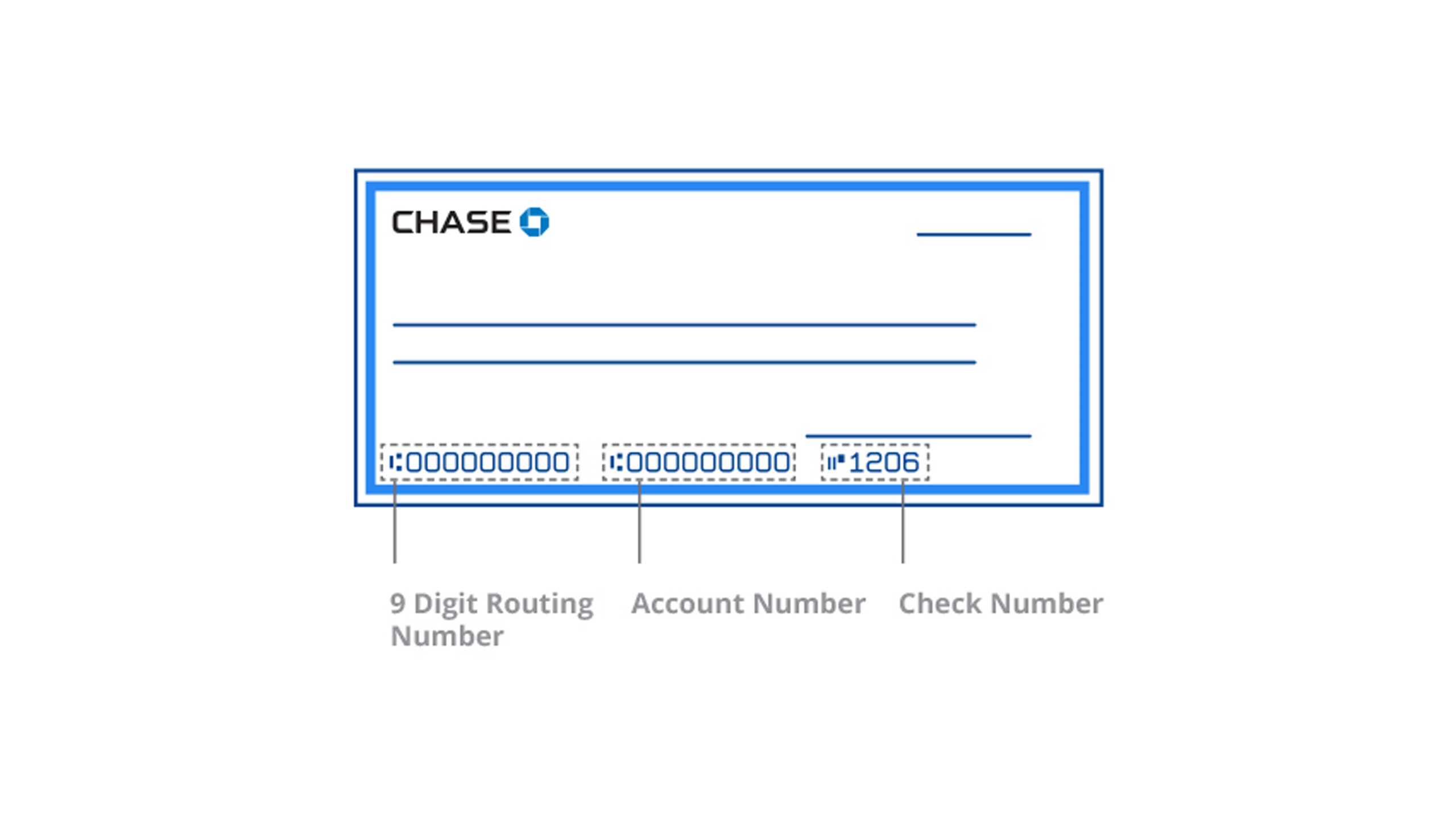
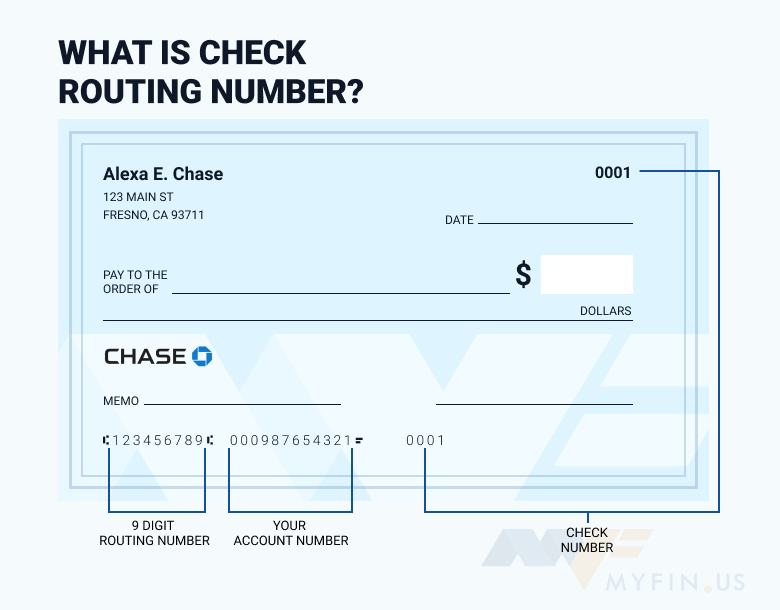
- Check processing: The routing number is printed on the bottom left of your checks, facilitating their processing.
It’s vital to use the correct routing number for the specific type of transaction you’re conducting, as using the wrong one can lead to delays or, worse, funds being returned or misdirected.
Decoding Your Account Number
Your account number is the unique identifier for your individual bank account within your financial institution. While the routing number points to your bank, the account number specifies your particular checking, savings, or other account at that bank. This number is typically longer than the routing number, often ranging from 10 to 12 digits for Chase accounts, though lengths can vary.
Given its direct link to your personal funds, your account number is highly sensitive information. It’s the key to accessing and moving money from your specific account. Combined with your bank’s routing number, it forms the complete address for transferring funds into or out of your account.
Why You Need Both for Financial Transactions
The routing number and account number work in tandem to facilitate almost all electronic financial transactions. Neither is fully effective without the other. For instance:
- Setting up Direct Deposit: Your employer needs both your Chase routing number and your specific account number to ensure your paycheck is deposited directly into your designated account.
- Online Bill Pay: When you link your Chase account to pay bills with external service providers, you’ll typically provide both numbers to authorize payments directly from your account.
- Initiating Bank Transfers: Whether you’re transferring money to another person’s account at a different bank or linking an external investment account, both numbers are required.
- Receiving Wire Transfers: For incoming wire transfers, the sender will need Chase’s specific wire routing number and your exact account number to ensure the funds reach you.
Understanding the role of each number demystifies their importance and underscores the necessity of having easy, secure access to them.
Step-by-Step Guide to Locating Your Chase Details
Chase offers several convenient and secure methods for customers to find their routing and account numbers. Whether you prefer digital access, physical documents, or direct assistance, there’s a method that fits your needs.
Leveraging Chase Online Banking and Mobile App
For most Chase customers, the quickest and most accessible way to find these numbers is through their online banking portal or the Chase Mobile App. This method offers instant access and is highly secure.
For Chase Online Banking (via web browser):
- Log In: Go to the official Chase website (chase.com) and log in to your account using your User ID and Password.
- Select Account: Once logged in, navigate to the “Accounts” section. Click on the specific checking or savings account for which you need the numbers.
- View Account Details: Look for a link or tab labeled “See account details,” “Account services,” or “Account information.” Clicking this will typically reveal a summary of your account, including your account number and the routing number associated with it. Chase often displays these clearly for convenience.
For the Chase Mobile App:
- Open and Log In: Launch the Chase Mobile App on your smartphone or tablet and log in using your User ID and Password, or via biometric authentication (fingerprint/Face ID).
- Select Account: On the app’s home screen, tap on the specific checking or savings account you need information for.
- Find Account Details: Look for an option like “Show details,” “Account details,” or a gear icon for settings. Tapping this should expand a section displaying your full account number and the applicable routing number.
Security Note: Always ensure you are on the official Chase website or using the authentic Chase Mobile App. Avoid logging in from public Wi-Fi networks unless absolutely necessary and always log out when you’re finished.
Physical Documents: Checks and Bank Statements
Traditional methods still hold strong, and your physical banking documents are reliable sources for your routing and account numbers.
On Your Checkbook:
If you have a Chase checking account with a physical checkbook, you can find both numbers printed on the bottom of your checks.
- Routing Number: This is the first set of nine digits on the bottom left of your check.
- Account Number: This is typically the second set of numbers, located in the middle. (Note: The third set of numbers is your check number).
This method is incredibly straightforward for checking accounts.

On Your Bank Statements:
Whether you receive paper statements in the mail or access them digitally, your bank statement is a comprehensive record that includes your account information.
- Paper Statements: Your routing number and account number are usually prominently displayed at the top or bottom of the statement, often near your name and address.
- Digital Statements: You can access digital statements through Chase Online Banking. Log in, navigate to “Statements & Documents,” select the desired account and statement period, and download the PDF. The numbers will be visible within the statement, similar to a physical copy.
Direct Assistance: Contacting Chase Customer Service
If you’re unable to access online banking or your physical documents, or if you simply prefer speaking to a representative, Chase customer service is ready to assist.
- Prepare for Verification: Before calling, have your personal information ready, such as your full name, address, Social Security Number (or part of it), and possibly details from a recent transaction to verify your identity.
- Call Chase: Dial the customer service number provided on the back of your debit card or found on the official Chase website. (Common numbers include 1-800-935-9935 for general inquiries).
- Request Information: Clearly state that you need your account and routing numbers. The representative will guide you through the verification process and then provide the requested details.
While effective, this method might take longer due to wait times and the necessary security protocols.
In-Person Support at a Chase Branch
For those who prefer face-to-face interaction or require additional services, visiting a Chase branch is another option.
- Bring ID: Always bring a valid form of photo identification (e.g., driver’s license, passport) to the branch. This is essential for security verification.
- Speak to a Teller or Banker: Inform them you need your account and routing numbers. They will be able to look up your information securely and provide it to you.
This can be a quick and reassuring method, especially if you have other banking needs to address.
Navigating Specifics: Chase Routing Numbers for Different Uses
While the general methods above will help you find your primary routing and account numbers, it’s important to be aware that specific transaction types, especially wire transfers, might require different routing numbers.
ACH Transfers and Direct Deposit
For most common transactions like direct deposits, automated bill payments, and interbank transfers via ACH, Chase typically uses a relatively small set of routing numbers. For many personal accounts, especially those opened more recently, a single routing number often applies across a broad geographic area. However, it’s always best to verify the specific routing number associated with your account within your online banking details or on a recent check, as these are the most reliable sources. Chase’s online banking portal will usually display the correct ACH routing number directly next to your account number.
Wire Transfers (Domestic and International)
Wire transfers are expedited electronic funds transfers, and they often use a different routing number than ACH transactions. This is because wires are processed differently and require a higher level of security and immediate settlement.
- Domestic Wire Transfers: For incoming domestic wire transfers to your Chase account, you will need a specific wire routing number. This is usually different from the ACH routing number found on your checks. You can typically find the correct wire transfer instructions, including the specific routing number, within the “Account Services” or “Wire Transfer” section of your Chase online banking portal or by contacting customer service.
- International Wire Transfers (SWIFT/BIC Code): When receiving an international wire transfer, you will also need Chase’s SWIFT/BIC (Society for Worldwide Interbank Financial Telecommunication / Bank Identifier Code) code in addition to your account number. The SWIFT code identifies the bank in an international transaction. Chase’s primary SWIFT code is typically CHASUS33. However, it’s crucial to confirm this with Chase directly or through their official wire transfer instructions, as specific details (like intermediary banks for certain currencies) might also be required by the sender’s bank.
Locating the Correct Routing Number for Your Needs
The key takeaway here is to always verify the routing number based on the type of transaction you are performing and the source of information. For ACH, your online banking or a check is usually sufficient. For wire transfers, specifically look for “wire transfer instructions” on the Chase website or contact customer service directly to ensure you have the precise information needed to avoid delays or complications.
Safeguarding Your Financial Information: Best Practices
Finding your routing and account numbers is just one part of financial literacy; protecting them is equally, if not more, important. These numbers, especially when combined, can be used to access your funds.
The Importance of Digital and Physical Security
- Be Wary of Phishing: Never share your routing or account numbers in response to unsolicited emails, text messages, or phone calls. Chase will never ask for this information via unverified channels.
- Secure Online Access: Use strong, unique passwords for your Chase online banking and enable two-factor authentication whenever possible. Access your accounts only on secure, trusted networks, avoiding public Wi-Fi for sensitive transactions.
- Shred Physical Documents: When you no longer need old bank statements or voided checks, shred them thoroughly before discarding them to prevent identity theft.
- Monitor Your Accounts: Regularly review your Chase bank statements and transaction history for any unauthorized activity.
Double-Checking Before You Act
Before initiating any transaction that requires your routing and account numbers, always double-check the information.
- Verify Recipient Details: If you’re providing your numbers to a third party (e.g., an employer, a biller), confirm their legitimacy and ensure you are providing the correct numbers to the correct entity.
- Cross-Reference: If possible, cross-reference the numbers from multiple sources (e.g., online banking and a physical check) to ensure accuracy, especially for large or critical transactions.
Recognizing and Reporting Suspicious Activity
If you ever suspect that your routing or account numbers have been compromised, or if you notice any suspicious transactions on your Chase account:
- Act Immediately: Contact Chase’s fraud department or customer service hotline without delay. The sooner you report, the better the chances of mitigating potential damage.
- Follow Chase’s Guidance: Chase has established protocols for handling fraud. Cooperate fully with their investigation and follow their recommendations, which might include closing the compromised account and opening a new one.
Finding your routing and account numbers with Chase is a straightforward process, thanks to the multiple channels the bank provides. From the convenience of online banking and mobile apps to the reliability of physical checks and direct customer support, you have various options at your disposal. By understanding the purpose of each number, verifying the correct details for specific transaction types, and diligently practicing security best practices, you empower yourself with the knowledge and control necessary for secure and efficient financial management. Armed with this information, Chase customers can confidently navigate their banking needs and ensure their money is always where it should be.
aViewFromTheCave is a participant in the Amazon Services LLC Associates Program, an affiliate advertising program designed to provide a means for sites to earn advertising fees by advertising and linking to Amazon.com. Amazon, the Amazon logo, AmazonSupply, and the AmazonSupply logo are trademarks of Amazon.com, Inc. or its affiliates. As an Amazon Associate we earn affiliate commissions from qualifying purchases.