
Managing one’s personal finances effectively often involves making strategic decisions about the accounts we hold. Whether you’re consolidating accounts, seeking better banking services elsewhere, or simply streamlining your financial life, knowing how to properly close a checking account is a crucial skill. For customers of one of the largest financial institutions, Chase, the process requires a methodical approach to ensure a smooth transition and avoid potential complications. This comprehensive guide will walk you through the necessary steps, considerations, and best practices for closing your Chase checking account, ensuring your financial wellbeing remains uncompromised.
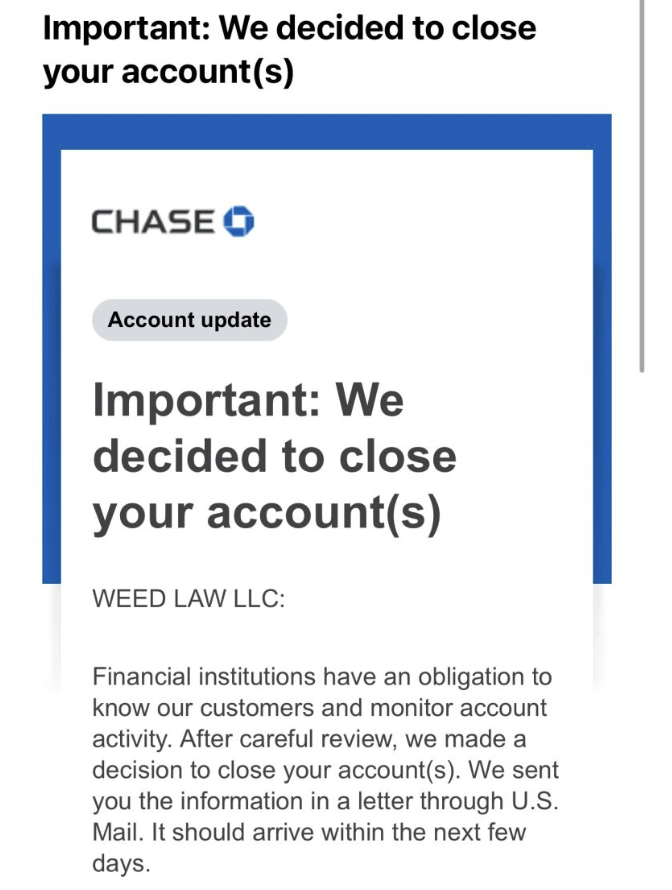
Why Consider Closing Your Chase Checking Account?
Before diving into the procedural aspects, it’s insightful to understand the common reasons individuals choose to close an existing checking account. This reflection can help validate your decision and ensure it aligns with your broader financial goals.
Shifting Financial Needs
Life changes, and so do our financial requirements. What might have been the perfect checking account a few years ago might no longer serve your current lifestyle. Perhaps you’ve moved to a new state where Chase branches are less accessible, or your income and spending habits have evolved, making a different type of account or a different bank more suitable. For instance, a student checking account might no longer be appropriate for a seasoned professional, or a basic account might not offer the premium features (like higher interest rates or advanced budgeting tools) you now desire.
Dissatisfaction with Services
Customer experience plays a significant role in banking relationships. If you’ve encountered persistent issues with customer service, experienced unexpected fees, or found Chase’s digital banking tools to be less intuitive than desired, moving to a new provider might be a necessary step. While Chase generally maintains a high standard of service, individual experiences can vary, and seeking a bank that better aligns with your service expectations is a valid reason for closure.
Avoiding Unnecessary Fees
Many checking accounts, especially those with premium features or specific requirements (like minimum balances or direct deposit thresholds), can incur monthly maintenance fees if those conditions aren’t met. Over time, these fees can erode your savings. If you find your Chase account consistently incurring charges that you can’t or don’t wish to avoid, closing it and opting for a fee-free alternative, or an account with conditions you can easily meet, is a sound financial decision. This is particularly relevant if the account has become dormant or is no longer your primary banking relationship.
Essential Preparatory Steps Before Closure
Closing a checking account isn’t as simple as just telling the bank you’re done. There are several critical steps to take beforehand to prevent financial disruption, returned payments, or unintended fees. Neglecting these preparations can lead to significant headaches down the line.
Divert Direct Deposits and Automatic Payments
This is arguably the most crucial step. All incoming funds, such as your salary, government benefits, or investment dividends, that are currently directed to your Chase account must be redirected to your new primary checking account. Similarly, all outgoing automatic payments – bill pays, subscriptions, loan payments, and recurring transfers – need to be updated with your new account information. Start this process well in advance (at least 2-3 months) to ensure a smooth transition and to avoid missed payments or late fees. Contact each payer and payee directly; simply stopping payment from Chase won’t update their records.
Ensure All Checks and Debits Clear
Before initiating closure, ensure that all outstanding checks you’ve written have been cashed and that all debit card transactions or pending electronic payments have fully cleared. Attempting to close an account with pending transactions can cause them to bounce, leading to fees for both you and the recipient, and potentially damaging your credit or relationships. It’s wise to leave a small buffer amount in the account during this transition period.
Transfer Remaining Funds
Once you’re confident that all direct deposits have been rerouted and all payments have cleared, you can transfer the remaining balance out of your Chase checking account. The easiest way to do this is often an electronic transfer (ACH) to your new bank account. Alternatively, you could initiate a wire transfer (though this often incurs a fee), or withdraw cash if the balance is small enough. For larger sums, a cashier’s check from Chase made out to yourself or your new bank can be an option, but electronic transfers are generally preferred for convenience and speed. Ensure the account balance reaches zero or is a minimal amount that can be easily handled during the final closure.
De-link Associated Services
Remember to check for any other services linked to your Chase checking account. This might include savings accounts, investment accounts, credit cards for overdraft protection, or third-party payment apps like PayPal or Venmo. Ensure these links are updated or removed to prevent accidental charges or issues. For example, if your Chase credit card automatically draws payments from this checking account, you’ll need to update that payment method to a new account.
Navigating the Chase Account Closure Process
Once you’ve completed your preparatory steps, you’re ready to formally request the closure of your Chase checking account. Chase offers several methods for this, though some might be more convenient or appropriate depending on your situation.

In-Person at a Chase Branch
For many, visiting a local Chase branch is the most straightforward and secure way to close an account. You can speak directly with a banker, ask any lingering questions, and ensure all paperwork is handled correctly. Bring a valid form of identification (like a driver’s license or passport) and your Chase debit card. If there’s a small residual balance, the banker can often provide it to you in cash or as a cashier’s check. This method offers immediate confirmation of the closure request.
Closing by Phone
If visiting a branch isn’t feasible, you can typically close a Chase checking account by phone. You’ll need to call Chase’s customer service line (usually found on their website or on the back of your debit card). Be prepared to verify your identity thoroughly, providing account numbers, personal details, and possibly answering security questions. The representative will guide you through the process, confirm your intent to close, and discuss how any remaining balance will be disbursed (usually via a check mailed to your address). Ensure you request a confirmation number for your records.
Closing by Mail
While less common for primary checking accounts, some banks allow closure requests by mail. If you choose this route, you would typically send a signed letter requesting closure, including your account number, full name, address, and contact information. You would also need to specify how any remaining balance should be handled (e.g., mail a check to your address). It’s highly recommended to send such correspondence via certified mail with a return receipt requested, providing proof that Chase received your request. This method can be slower and offers less immediate interaction or confirmation. Chase’s official policy for mail closure should be verified directly with them beforehand.
Online Closure (If Applicable for Certain Accounts/Circumstances)
While some banking tasks can be completed online, closing a primary checking account through Chase’s online banking portal is generally not an option for security reasons and to ensure proper verification. This policy helps prevent fraudulent closures. However, it’s always worth checking Chase’s most current policies or contacting customer service, as some specific, lower-tier or dormant accounts might have different closure protocols, or policies might evolve. For the most common checking accounts, expect to use an in-person or phone method.
Post-Closure Considerations and Best Practices
Your responsibilities don’t end the moment you’ve requested the account closure. A few follow-up actions are prudent to ensure everything is finalized and to maintain good financial hygiene.
Confirm Account Closure
Approximately 1-2 weeks after your closure request, log into your Chase online banking (if still accessible) or contact customer service to verify that the account has indeed been closed and shows a zero balance. If you closed it in person, you might receive a formal letter of confirmation. This step is critical to prevent any unexpected fees or re-activations due to unprocessed items.
Maintain Records
Keep meticulous records of your closure request, including the date, method used, names of representatives you spoke with, any confirmation numbers, and copies of letters sent or received. Retain statements from the account for at least a year after closure, or longer if you need them for tax purposes or auditing personal finances. This documentation can be invaluable if any discrepancies or issues arise later.
Monitor Old Payments and Statements
For a few months following closure, keep a close eye on your new bank account statements and any bills that were previously paid from your Chase account. This vigilance helps catch any forgotten automatic payments that might attempt to draw from the closed account, or any direct deposits that might still be routed incorrectly. If an attempt is made on a closed account, it will likely be rejected, potentially incurring fees and service interruptions. Proactive monitoring minimizes this risk.
Important Safeguards and Potential Pitfalls
While closing a checking account with Chase can be straightforward, being aware of potential issues can help you navigate the process more smoothly.
Avoiding Negative Balances and Fees
Ensure your account balance is positive and ideally zero or near zero when you initiate closure. Chase, like most banks, will not close an account with a negative balance. You’ll need to deposit funds to cover the deficit plus any associated fees before closure can proceed. Furthermore, if you attempt to close an account shortly after opening it, or if it’s considered dormant but still holding a balance, check for any early closure fees or dormancy fees that might apply according to your account agreement.
Dealing with Joint Accounts
If you have a joint checking account with another individual, both account holders typically need to consent to and be present (in person or on the phone, depending on the method) for the closure. One individual cannot unilaterally close a joint account without the other’s agreement and presence, or their formally documented authorization. Ensure clear communication with your joint account holder before proceeding.

Understanding Tax Implications
For most standard checking accounts, closing them has no direct tax implications. However, if your checking account was tied to other financial products like a money market account with substantial interest earnings, or if it was used for business purposes, it’s wise to consult with a financial advisor or tax professional. They can confirm there are no unforeseen tax consequences related to the timing or nature of your account closure. This is usually more of a concern for investment accounts, but it’s good practice to consider for any financial decision.
Closing a Chase checking account, when approached systematically and with attention to detail, can be a seamless process. By understanding the reasons for closure, diligently preparing your finances, choosing the appropriate method for interaction with Chase, and performing essential post-closure checks, you can ensure a smooth transition and maintain control over your financial landscape. This proactive financial management empowers you to optimize your banking relationships and keep your personal finance journey on the right track.
aViewFromTheCave is a participant in the Amazon Services LLC Associates Program, an affiliate advertising program designed to provide a means for sites to earn advertising fees by advertising and linking to Amazon.com. Amazon, the Amazon logo, AmazonSupply, and the AmazonSupply logo are trademarks of Amazon.com, Inc. or its affiliates. As an Amazon Associate we earn affiliate commissions from qualifying purchases.