
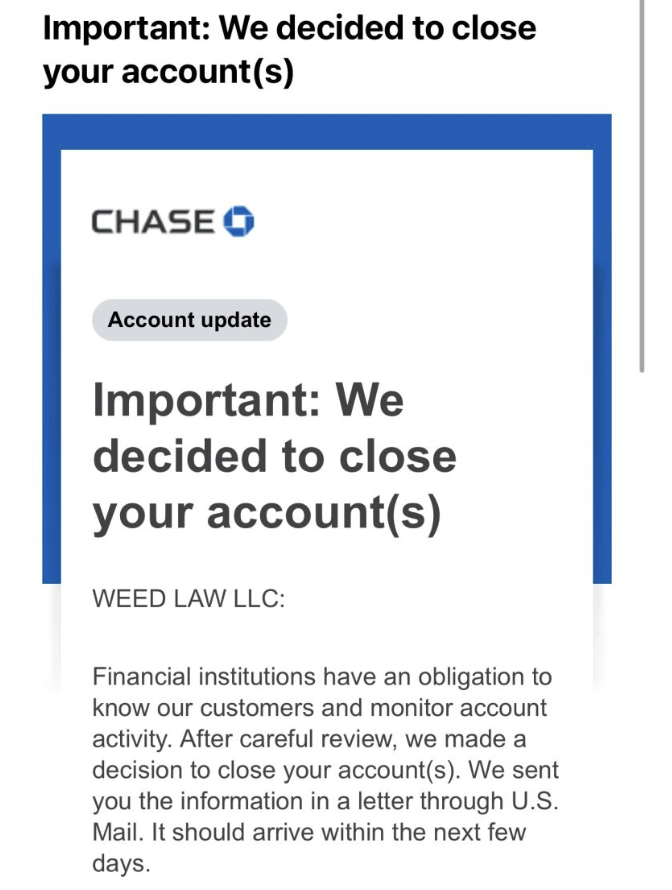
Closing a bank account might seem like a straightforward task, yet it involves a series of critical financial considerations and procedural steps to ensure a smooth transition without incurring unexpected fees or disrupting your financial ecosystem. Whether you’re consolidating accounts, seeking better banking services, moving to a new financial institution, or simply no longer need a particular account, understanding the correct process to close a Chase bank account is paramount for maintaining financial health and order. This comprehensive guide will walk you through the necessary preparations, methods of closure, and post-closure due diligence, all framed within the context of personal financial management.
Reasons for Account Closure and Initial Financial Assessment
Deciding to close a bank account isn’t always a snap decision; it often stems from evolving financial needs or dissatisfaction with current banking services. Before initiating the closure process with Chase, a thorough financial assessment is crucial to ensure this move aligns with your broader financial goals.
Evaluating Your Financial Needs and Current Banking Relationship
Take a moment to reflect on why you’re considering closing your Chase account. Is it due to high monthly fees that erode your savings? Are you struggling to meet minimum balance requirements? Perhaps Chase no longer offers the services or interest rates that best suit your current financial situation, or maybe you’re simply streamlining your banking relationships. Understanding the underlying motivation will help affirm your decision and guide your choice of a new financial partner, if applicable. This initial reflection is a critical step in prudent personal finance management, ensuring that every financial decision is intentional and beneficial.
When Is It Time to Say Goodbye to Your Chase Account?
Common triggers for closing an account include:
- High or Unwaivable Fees: If you’re consistently paying monthly service fees that you can’t avoid, these charges can chip away at your funds over time, making closure a financially sound decision.
- Lack of Desired Features: Modern banking offers a plethora of features, from advanced mobile apps to integrated budgeting tools. If Chase isn’t meeting your needs in these areas, it might be time to switch.
- Relocation: Moving to a new city or state where Chase has a limited physical presence might prompt you to seek a local bank or credit union.
- Consolidation: Many individuals find value in simplifying their finances by consolidating multiple accounts into one primary institution.
- Negative Experiences: Poor customer service, persistent errors, or security concerns can also be strong motivators for seeking banking elsewhere.
Understanding the Financial Implications of Account Switching
Closing an account and opening a new one, often referred to as account switching, carries various financial implications. While typically a positive step towards better financial alignment, consider potential impacts such as temporary disruption to direct deposits or automatic payments, which could lead to missed payments or late fees if not managed properly. Furthermore, some banks offer incentives for opening new accounts, which can be a financial boon, but always read the fine print regarding minimum deposits, direct deposit requirements, and minimum usage periods. Ensure that the benefits of switching outweigh any short-term inconveniences.
The Essential Pre-Closure Checklist: Securing Your Finances
Before you officially request to close your Chase account, a series of preparatory steps are absolutely vital to prevent financial headaches. This checklist is designed to safeguard your funds and ensure continuity of your financial obligations.
Transferring Funds and Settling Outstanding Balances
The most immediate concern is ensuring that all funds are moved out of the account you wish to close. This can typically be done via:
- Electronic Transfer (ACH): Initiate a transfer from your Chase account to your new bank account. Allow a few business days for this to clear.
- Wire Transfer: For larger sums or faster transfers, a wire transfer can be an option, though it usually incurs a fee.
- Cash Withdrawal: If you’re closing in person, you can withdraw the remaining balance as cash.
- Official Check/Cashier’s Check: Chase can issue a check for the remaining balance.
Crucially, confirm there are no outstanding checks or pending debit card transactions that could clear after you’ve transferred funds, potentially leading to an overdraft or a negative balance. A negative balance can complicate closure and might incur fees.
Updating Direct Deposits and Automatic Payments: A Seamless Transition
This is arguably the most critical step to avoid financial disruption. All direct deposits (e.g., salary, government benefits, pension) and automatic payments (e.g., utilities, mortgage, subscriptions, loan payments) linked to your Chase account must be updated with your new bank account information.
- Direct Deposits: Contact your employer’s HR or payroll department, or the relevant benefits provider, to update your direct deposit information. Do this well in advance of closing the account.
- Automatic Payments: Access each service provider (e.g., utility companies, streaming services, credit card companies) and update your payment method. Many allow this through their online portals.
It’s advisable to keep your Chase account open for a week or two after updating everything, just to ensure all new payment instructions have successfully taken effect.
Archiving Financial Records and Statements
Once an account is closed, accessing past statements and transaction histories can become more difficult or even impossible without a special request. Before closing, download and save electronic copies of all your statements, tax documents, and transaction histories for at least the past five to seven years. These records are vital for tax purposes, dispute resolution, and maintaining a complete financial history. Store them securely, ideally in multiple locations (e.g., external hard drive, cloud storage).
Addressing Linked Accounts and Services
Consider any other financial products or services that might be linked to your Chase account. This could include:
- Investment Accounts: If you have a Chase investment account (e.g., Chase Self-Directed Investing), ensure its funding source isn’t exclusively tied to the checking or savings account you intend to close.
- Credit Cards or Loans: While typically separate, ensure no automatic payments for Chase credit cards or loans are solely tied to the account you’re closing.
- Payment Apps: Update apps like PayPal, Venmo, or Zelle if they are linked to the Chase account.
Ignoring these connections can lead to service interruptions or unexpected charges.
Navigating the Closure Process: Your Options with Chase
Chase offers several methods to close an account, each with its own advantages and specific requirements. Choosing the right method often depends on your account type, balance, and personal convenience.
Closing Your Account In-Person: The Direct Approach
Visiting a Chase branch is often the most straightforward and recommended method, especially if you have a remaining balance, need to clarify any issues, or prefer direct confirmation.
- Required Documents: Bring a valid government-issued photo ID (e.g., driver’s license, passport) and your Chase debit card or account number.
- Process: A bank representative will guide you through the closure paperwork. They can also provide a cashier’s check for any remaining balance or initiate an electronic transfer.
- Benefits: You receive immediate confirmation and can address any questions or potential complications on the spot. This method is particularly useful for joint accounts, as all account holders may need to be present.
The Phone Method: A Step-by-Step Guide

For those who cannot visit a branch, closing an account over the phone is a viable alternative.
- Contact Number: Call Chase Customer Service at 1-800-935-9935.
- Verification: Be prepared to answer security questions to verify your identity. Have your account number, Social Security Number, and personal information readily available.
- Instructions: Follow the representative’s instructions. They will typically transfer any remaining balance to another account or mail you a check.
- Confirmation: Request written confirmation of the closure to be mailed to you.
- Limitations: This method might be more complex for joint accounts or if you have any outstanding issues with the account.
Online and Mail Options: Feasibility and Limitations
While many banking tasks can be performed online, closing an account directly through Chase’s online banking portal is generally not an option. This is a security measure to prevent unauthorized closures and ensure all financial ties are properly severed.
Closing an account via mail is technically possible but less common and generally not recommended due to potential delays and lack of immediate confirmation. If you must use this method, send a signed letter including your account number, personal details, and a clear request for closure to Chase’s main correspondence address. Request an official check for any remaining balance and send it via certified mail with a return receipt requested to prove delivery.
Special Considerations for Joint Accounts and Business Accounts
- Joint Accounts: For joint accounts, Chase typically requires all account holders to agree to the closure. In many cases, all parties may need to be present at a branch or provide written consent. Verify Chase’s specific policy on this before proceeding.
- Business Accounts: Closing a business account involves additional complexities, including tax implications, outstanding business loans, and vendor payments. Consult with your business accountant or financial advisor before closing a business account. The process usually requires specific business documentation and authorization from account signatories.
Post-Closure Steps and Financial Due Diligence
Your responsibilities don’t end the moment you request account closure. Diligent follow-up is essential to confirm the closure and monitor your financial standing.
Verifying Account Closure and Obtaining Confirmation
Within a few weeks of your closure request, you should receive an official letter or email from Chase confirming the account has been closed. If you don’t, contact customer service to inquire about the status. This written confirmation is your proof that the account is officially shut down and relieves you of further responsibility for it. Keep this document with your other archived financial records.
Monitoring for Erroneous Transactions and Reconciling Records
Even after official confirmation, it’s wise to monitor your credit report and statements from your new bank account for a few months. Look out for:
- Unexpected Debits: Ensure no old automatic payments or forgotten subscriptions attempt to debit the closed account, which could lead to fees or issues with the vendor.
- Credit Report Updates: Check your credit report to ensure the closed account is reflected accurately (though closing a checking/savings account generally doesn’t impact your credit score, unless it was linked to an overdraft line of credit or had a history of negative balances).
Reconcile your final financial records to ensure all transfers were successful and no funds were inadvertently left behind.
What to Do If You Encounter Issues
If you find an unexpected charge, a persistent error, or difficulty getting confirmation:
- Contact Chase Customer Service: Clearly explain the issue and provide all relevant documentation.
- Escalate: If the issue isn’t resolved, ask to speak with a supervisor or file a formal complaint through Chase’s official channels.
- Consumer Protection: For unresolved disputes, you can reach out to consumer protection agencies like the Consumer Financial Protection Bureau (CFPB) or your state’s banking regulator.
Managing Your Financial Profile After Account Closure
Once the dust settles, update your overall financial profile. This includes:
- Personal Finance Software: Update any budgeting or personal finance management software you use to reflect the closure and integrate your new banking details.
- Investment Portfolios: If you manage investments, ensure their funding mechanisms are correctly linked to your active accounts.
- Emergency Fund Location: Confirm your emergency fund is securely deposited and accessible in your active bank accounts.
This holistic approach ensures that closing one chapter seamlessly transitions into the next, reinforcing your financial stability.
Strategic Alternatives to Full Account Closure
Sometimes, outright closing an account isn’t the only or best solution. Chase, like other large banks, offers alternatives that might better suit your evolving financial landscape.
Downgrading to a No-Fee or Basic Account
If your primary issue is high monthly fees, but you still value Chase’s widespread ATM network or other services, consider downgrading your account. Chase often offers basic checking or savings accounts that come with no monthly service fees, provided certain conditions are met (e.g., maintaining a low minimum balance, receiving a direct deposit, using online statements). This allows you to retain a relationship with the bank without the financial burden of premium accounts. It’s an excellent compromise if you’re not entirely satisfied but don’t want to completely sever ties.
The Pros and Cons of Leaving an Account Dormant
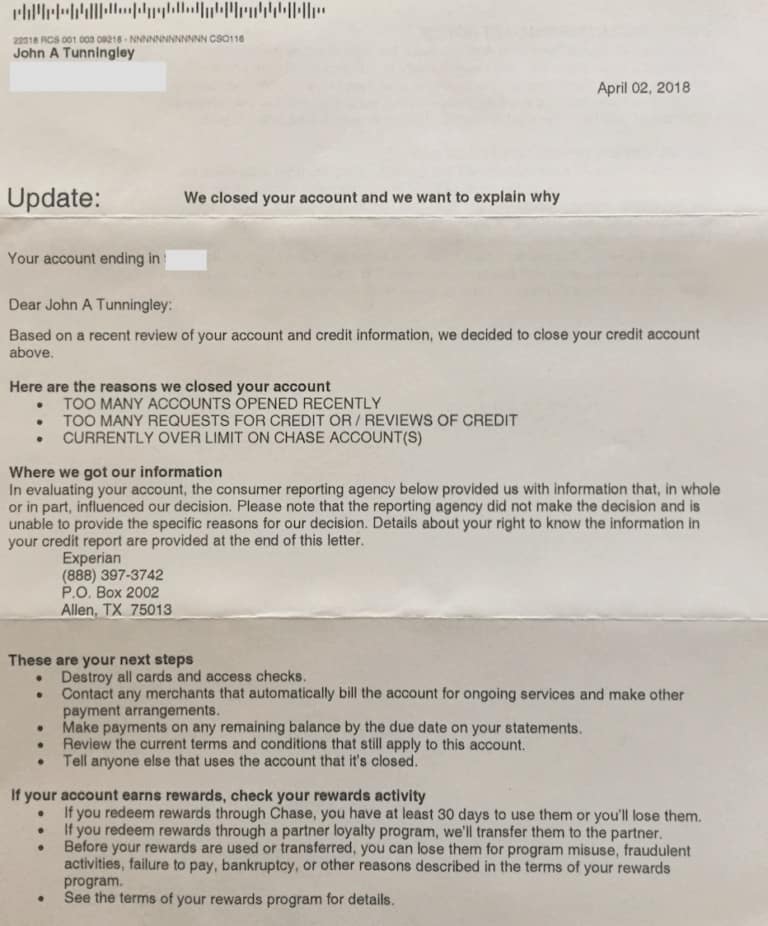
Leaving an account with a small balance and allowing it to become dormant (inactive) is generally not recommended as a strategy.
- Pros: Minimal effort.
- Cons:
- Dormancy Fees: After a period of inactivity (typically 12-24 months), banks often impose dormancy fees that can quickly deplete a small balance.
- Escheatment: If an account remains dormant for an extended period and the bank loses contact with you, the funds may be turned over to your state’s unclaimed property division (escheatment), making them difficult to reclaim.
- Security Risk: A dormant account, even with a zero balance, could theoretically be susceptible to identity theft or unauthorized activity if not properly monitored.
It is always better to formally close an account than to leave it dormant.
Exploring Other Banking Solutions for Better Fit
Finally, if Chase no longer meets your needs, actively explore what other financial institutions offer.
- Online-Only Banks: Often provide higher interest rates on savings and lower fees due to reduced overhead.
- Credit Unions: Member-owned, typically offering competitive rates and a more personalized service approach.
- Community Banks: Can provide tailored services and local expertise.
Researching different options, comparing fees, interest rates, customer service reviews, and available features will ensure your next banking relationship is a significant upgrade, aligning perfectly with your personal finance strategy.
Closing a Chase bank account is a financial decision that requires careful planning and execution. By following these steps and understanding the underlying financial principles, you can ensure a smooth, secure, and financially responsible transition, empowering you to optimize your banking relationships for your present and future financial well-being.
aViewFromTheCave is a participant in the Amazon Services LLC Associates Program, an affiliate advertising program designed to provide a means for sites to earn advertising fees by advertising and linking to Amazon.com. Amazon, the Amazon logo, AmazonSupply, and the AmazonSupply logo are trademarks of Amazon.com, Inc. or its affiliates. As an Amazon Associate we earn affiliate commissions from qualifying purchases.