
Closing a bank account, while seemingly straightforward, requires a methodical approach to avoid financial complications and ensure a smooth transition of your funds. For Chase account holders, understanding the precise steps and strategic considerations is paramount to protecting your financial well-being. This guide delves into the essential preparations, execution methods, and post-closure best practices to navigate the process effectively, firmly rooted in principles of personal finance management.
Strategic Preparation Before Account Closure
Before initiating the closure of any financial account, particularly a checking or savings account with an institution like Chase, a period of meticulous preparation is not just advisable but essential. Hasty closures can lead to missed payments, uncollected deposits, and unexpected fees, all of which can negatively impact your financial standing and credit score.
Why Closing an Account Requires Foresight
The primary objective of pre-closure preparation is to ensure a seamless redirection of your financial life. Your bank account serves as a hub for numerous transactions, from receiving your salary to paying utility bills. Disconnecting this hub without proper planning can disrupt your cash flow and create administrative headaches. A thoughtful approach minimizes risk and maximizes efficiency, aligning with sound personal finance principles.
Consolidating and Redirecting Financial Flows
This phase involves systematically identifying and updating all incoming and outgoing transactions linked to your Chase account. This ensures no funds are lost and no payments are missed once the account is closed.
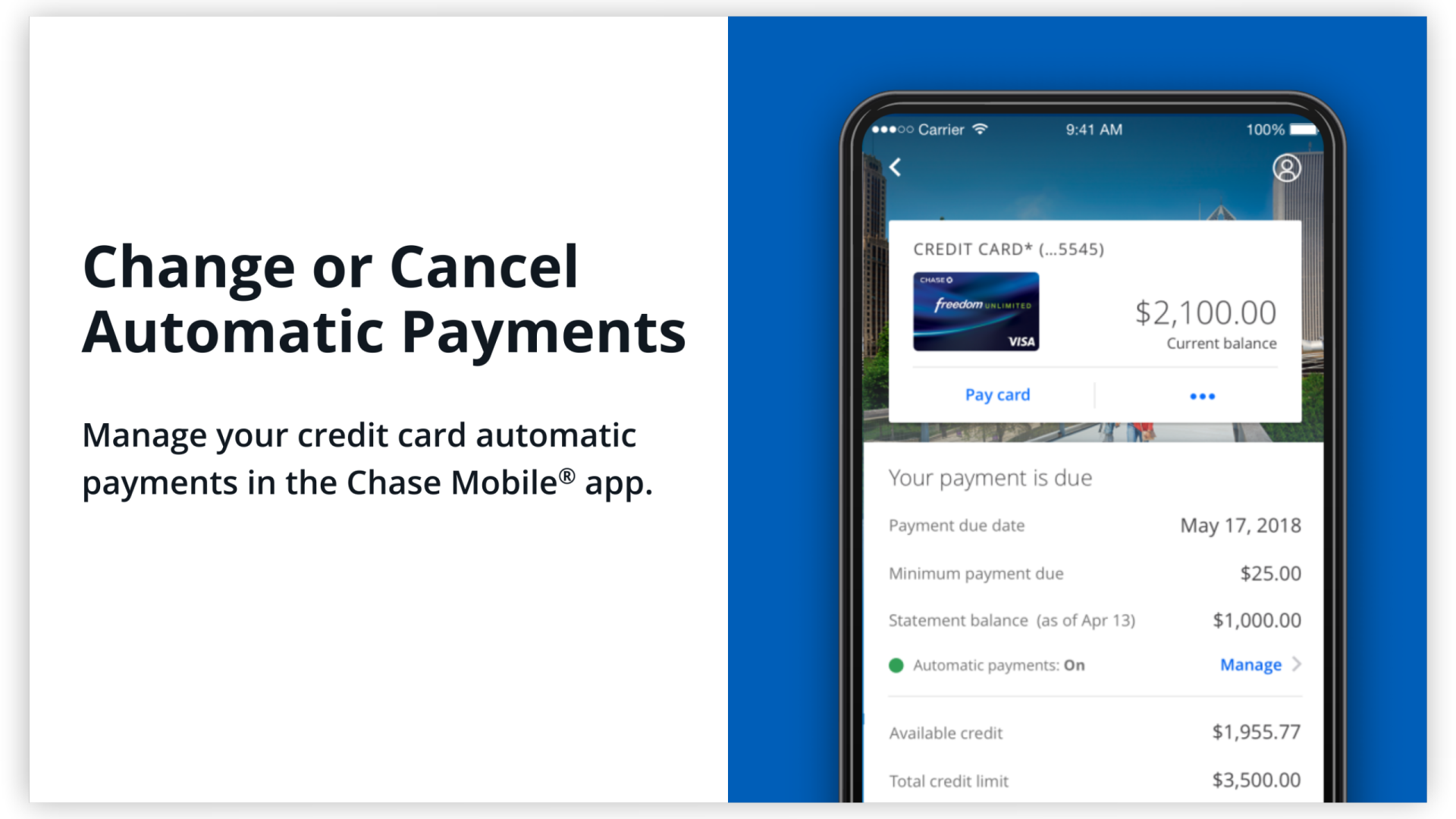
Updating Direct Deposits and Automatic Payments
Begin by compiling a comprehensive list of all direct deposits and automatic withdrawals associated with your Chase account. This typically includes:
- Direct Deposits: Salary, government benefits (e.g., Social Security), pension payments, investment dividends, or any recurring income. Contact each payer directly and provide them with your new bank account details. It’s often beneficial to keep the Chase account open for at least one full pay cycle after updating, to confirm the new direct deposit is working correctly before proceeding with closure.
- Automatic Payments/Bill Pay: Utility bills (electricity, water, gas), mortgage or rent payments, loan installments (car, student, personal), credit card payments, insurance premiums, subscriptions (streaming services, gym memberships), and any other recurring debits. Each of these vendors will need to be informed of your new banking information. Most can be updated online via the vendor’s portal, or by contacting their customer service. Again, allow ample time for these changes to take effect and verify successful payment from your new account. Remember that some payments might be linked directly through your Chase online bill pay service, while others might be initiated by the payee using your account number. Differentiate between these and update accordingly.
Transferring Remaining Funds
Once all direct deposits and automatic payments have been successfully rerouted, the next step is to transfer any remaining balance from your Chase account to your new bank account. This can typically be done through:
- Electronic Transfer (ACH): This is usually the most convenient and cost-effective method. You can initiate an ACH transfer from your new bank account, pulling funds from your Chase account, or push funds from Chase to your new account via an external transfer option in Chase Online. Be mindful of daily transfer limits and processing times, which can take 1-3 business days.
- Wire Transfer: For larger sums requiring immediate transfer, a wire transfer is an option, though it typically incurs a fee.
- Check: You can request a cashier’s check for the remaining balance from Chase or write yourself a personal check from your Chase account (if you still have checks) and deposit it into your new account. Ensure the check clears before proceeding with closure.
It is advisable to leave a small residual balance (e.g., $10-$20) in the account until you receive final confirmation of closure to cover any unforeseen minor charges or interest accruals that might post after your main transfer.
Reviewing Account Activity and Statements
Before initiating closure, download and save at least 12-24 months of account statements. These documents are crucial for tax purposes, budgeting, and resolving potential disputes. Chase typically allows digital access to past statements even after an account is closed for a limited period, but having your own copies provides security and peace of mind. Review your recent activity to ensure no pending transactions remain that could complicate the closure process.
Step-by-Step Methods for Closing Your Chase Account
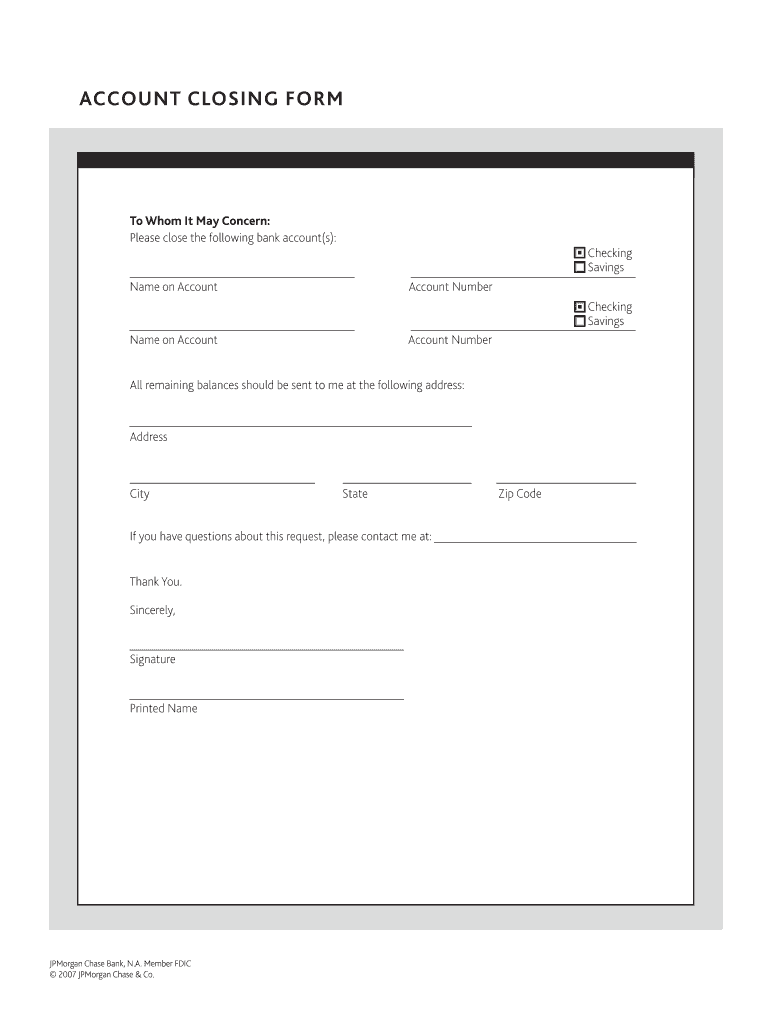
Chase offers several avenues for closing an account, each with its own advantages and potential limitations. Understanding these options allows you to choose the method that best suits your needs for convenience, verification, and speed.
Online Account Closure: Convenience vs. Restrictions
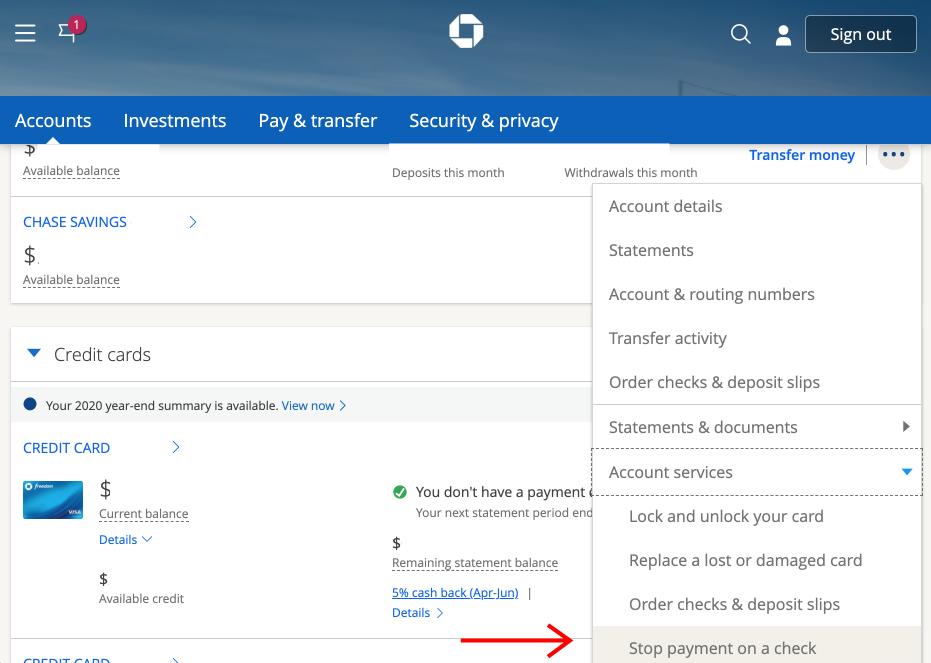
While Chase’s online banking platform is robust, direct online closure of checking or savings accounts is generally not available for security reasons and to ensure all financial obligations are met. Online options are typically limited to certain types of accounts or specific scenarios. If you attempt to close an account online, you will likely be prompted to call customer service or visit a branch. This restriction ensures a human representative can verify your identity, confirm all outstanding matters, and prevent fraudulent closures, aligning with best practices in financial security.
Closing Via Phone: Direct Assistance and Verification
Closing your Chase account over the phone is often the most practical and efficient method for many.
- Contact Number: Call Chase’s customer service line. For personal banking, this is typically 1-800-935-9935.
- Identity Verification: Be prepared to verify your identity with personal information, account numbers, and possibly answers to security questions.
- Account Balance: The representative will confirm your current account balance and discuss options for transferring any remaining funds. They will typically ask where you want the funds sent (e.g., another bank account via ACH, or a check mailed to you).
- Confirmation: Request a confirmation number or an email documenting the account closure for your records. Ask about the exact date of closure and when you can expect a final statement.
- Debit Card Destruction: The representative may advise you to cut up and destroy your debit card linked to the account.
This method combines the convenience of not needing to travel with the assurance of speaking to a bank representative who can guide you through the process and answer immediate questions.
In-Branch Closure: The Personal Touch and Immediate Resolution
For those who prefer face-to-face interaction or have complex account structures, visiting a Chase branch can be the most reassuring option.
- Appointment: While not always mandatory, scheduling an appointment can reduce wait times and ensure a banker is available to assist you.
- Identity Verification: Bring valid government-issued identification (e.g., driver’s license, passport) and your Chase debit card or account number.
- Final Balance: The branch representative can verify the final balance, process any remaining fund transfers, or issue a cashier’s check for the balance immediately. This provides instant gratification and eliminates waiting periods for funds to transfer.
- Immediate Confirmation: You can receive immediate, physical documentation of the account closure, which serves as concrete proof for your records.
Required Documentation for In-Person Closure
When closing an account at a branch, always bring:
- A valid, government-issued photo ID.
- Your Chase debit card associated with the account.
- Your Chase account number(s).
- Any unused checks for the account (to be shredded or voided by the bank).
Post-Closure Considerations and Financial Best Practices
Closing an account is not the final step; managing the aftermath is equally crucial for financial hygiene.
Confirming Account Closure and Accessing Past Statements
After initiating closure, it is prudent to follow up.
- Verification: If you closed by phone, check your online banking periodically for a few days to see if the account disappears or shows as closed. For in-branch closures, the documentation provided at the time serves as proof.
- Final Statement: Chase will typically send a final statement detailing all transactions up to the closure date. Review this carefully for accuracy.
- Online Access: While the account is closed, Chase often provides limited online access to past statements for a certain period. However, always rely on your saved copies for long-term record keeping.
Understanding Potential Fees and Penalties
Be aware of potential fees associated with closing an account:
- Early Closure Fees: Some banks charge a fee if an account is closed within a certain timeframe (e.g., 90 or 180 days) of opening. Review your account agreement.
- Negative Balance Fees: Ensure your account does not go into a negative balance due to an unforeseen charge. If it does, resolve it immediately to avoid overdraft fees and reporting to ChexSystems.
- Account Maintenance Fees: Confirm there are no pending monthly maintenance fees that could be debited just before closure, leading to a negative balance.
Maintaining Your Credit Score and Financial History
While closing a checking or savings account does not directly impact your credit score like closing a credit card, poor financial management during the process can have indirect effects. Overdrafts, unpaid fees, or accounts reported to ChexSystems (a consumer reporting agency for banking activity) can make it difficult to open new bank accounts in the future. Therefore, meticulous preparation and responsible closure are vital for preserving your banking reputation.
The Importance of Record Keeping
Maintain all records related to your old Chase account, including:
- Statements (digital and/or paper) for several years.
- Confirmation of account closure.
- Correspondence with Chase.
These records are invaluable for tax purposes, resolving any potential discrepancies, or simply for your personal financial archives.
Alternatives to Full Account Closure
Before entirely severing ties, consider if alternatives might better suit your evolving financial needs.
Downgrading or Changing Account Types
If you’re dissatisfied with fees or features but generally happy with Chase, inquire about downgrading to a lower-cost account (e.g., a basic checking account with fewer benefits but no monthly fee) or switching to a different account type that better fits your usage patterns. This can maintain your banking relationship without the hassle of a full closure and new account opening.
Keeping an Account Open for Specific Purposes
Sometimes, retaining an account with a minimal balance makes sense. For instance:
- Emergency Fund: A separate account for emergency savings.
- Specific Bill Pay: An account solely for a particular recurring payment that cannot be easily moved.
- Future Needs: If you anticipate needing a Chase account again soon, keeping one open might be simpler than closing and re-opening.
The Benefits of a Diversified Banking Relationship
For some individuals, maintaining accounts with multiple financial institutions offers diversification and flexibility. Having a primary bank for daily transactions and a secondary bank for savings, investments, or specific needs can provide a backup, access to different services, or better interest rates, contributing to a more robust personal finance strategy. Evaluate your overall financial landscape before making the final decision to close any account.
aViewFromTheCave is a participant in the Amazon Services LLC Associates Program, an affiliate advertising program designed to provide a means for sites to earn advertising fees by advertising and linking to Amazon.com. Amazon, the Amazon logo, AmazonSupply, and the AmazonSupply logo are trademarks of Amazon.com, Inc. or its affiliates. As an Amazon Associate we earn affiliate commissions from qualifying purchases.