
Applying for a credit card can feel like a significant financial step, whether it’s your first card or you’re expanding your credit portfolio. The process, while straightforward, requires careful preparation and an understanding of your financial standing and the products available. Approaching it strategically can significantly improve your chances of approval and set you up for responsible credit management.
Laying the Foundation: Pre-Application Checklist
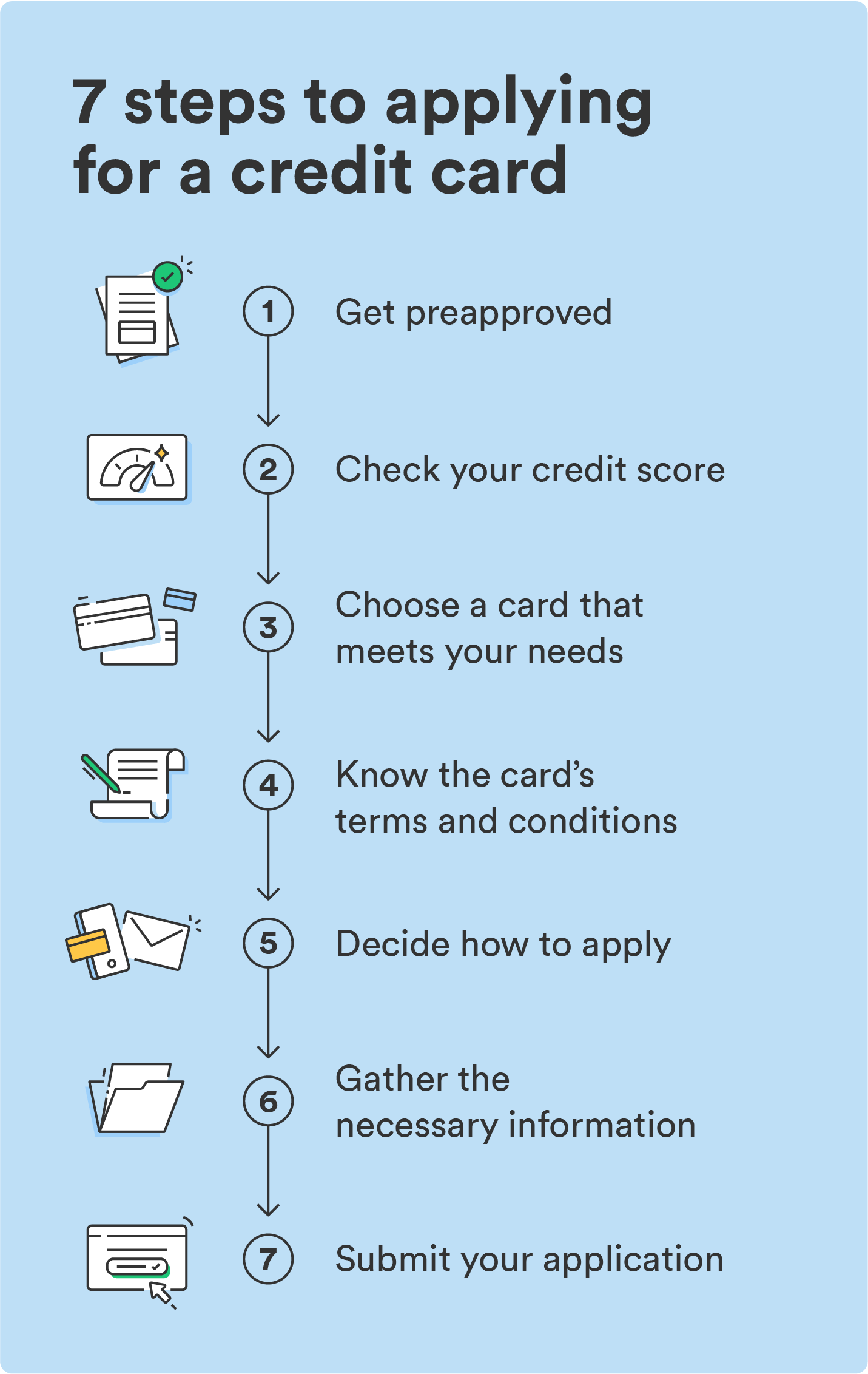
Before you even begin browsing credit card offers, it’s crucial to lay a solid foundation. This involves understanding your current financial health, identifying your needs, and gathering the necessary information. Skipping these preliminary steps can lead to unnecessary rejections, wasted time, and potential hits to your credit score.
Understanding Your Credit Profile
Your credit profile is the bedrock upon which lenders evaluate your creditworthiness. It’s encapsulated primarily by your credit score and the information contained in your credit reports.
- Access Your Credit Reports: You are entitled to a free copy of your credit report from each of the three major credit bureaus (Equifax, Experian, TransUnion) annually via AnnualCreditReport.com. Review these reports meticulously for any errors or discrepancies that could negatively impact your score. Dispute any inaccuracies immediately.
- Check Your Credit Score: Many banks and credit card companies offer free access to your FICO or VantageScore. Understanding your score gives you a realistic idea of the types of cards you’re likely to qualify for. Generally, scores above 670 are considered “good,” with “very good” and “excellent” scores opening up access to the best rewards and lowest interest rates.
- Identify Your Credit Strengths and Weaknesses: Your credit score is influenced by several factors: payment history (35%), credit utilization (30%), length of credit history (15%), new credit (10%), and credit mix (10%). Knowing these allows you to highlight your strengths (e.g., long history of on-time payments) or address weaknesses (e.g., high credit utilization) before applying.
Defining Your Credit Card Needs
Credit cards come in a vast array of types, each designed to serve different financial purposes. Choosing the right card for your specific needs is paramount.
- Rewards Cards: If you consistently pay your balance in full, a rewards card (cash back, travel points, specific category bonuses) can provide significant value. Evaluate whether the rewards structure aligns with your spending habits.
- Balance Transfer Cards: For those looking to consolidate high-interest debt, a balance transfer card with a promotional 0% APR period can offer a crucial window to pay down debt without accruing additional interest. Be mindful of balance transfer fees and the expiry of the introductory rate.
- Low-Interest Rate (Low APR) Cards: If you anticipate carrying a balance occasionally, a card with a perpetually low APR can save you money on interest charges compared to a rewards card with a higher standard APR.
- Secured Cards: For individuals with no credit history or poor credit, a secured credit card is often the best starting point. These require a security deposit, which typically becomes your credit limit, and function like regular credit cards, helping you build credit with responsible use.
- Student Cards: Tailored for college students, these cards often offer modest credit limits and some rewards, designed to help young adults establish credit.
Gathering Essential Documentation
Once you’ve identified suitable card types, prepare the necessary personal and financial information. Having this ready will streamline the application process.
- Personal Identification: Your full legal name, date of birth, Social Security Number (SSN) or Individual Taxpayer Identification Number (ITIN), and current physical address.
- Contact Information: Phone number and email address.
- Employment and Income Details: Your current employer’s name and contact information, your job title, and your gross annual income. For self-employed individuals, this might involve tax returns or bank statements. Lenders assess your income to ensure you can reasonably repay debt.
- Housing Information: Whether you rent or own, and your monthly housing payment.
Navigating the Credit Card Landscape
With your foundation set, the next step involves actively researching and comparing specific credit card offers. This stage requires a careful analysis of terms, conditions, and benefits to ensure the chosen card truly aligns with your financial goals.
Researching Card Types and Benefits
Dive deeper into the specific features of cards that match your defined needs.
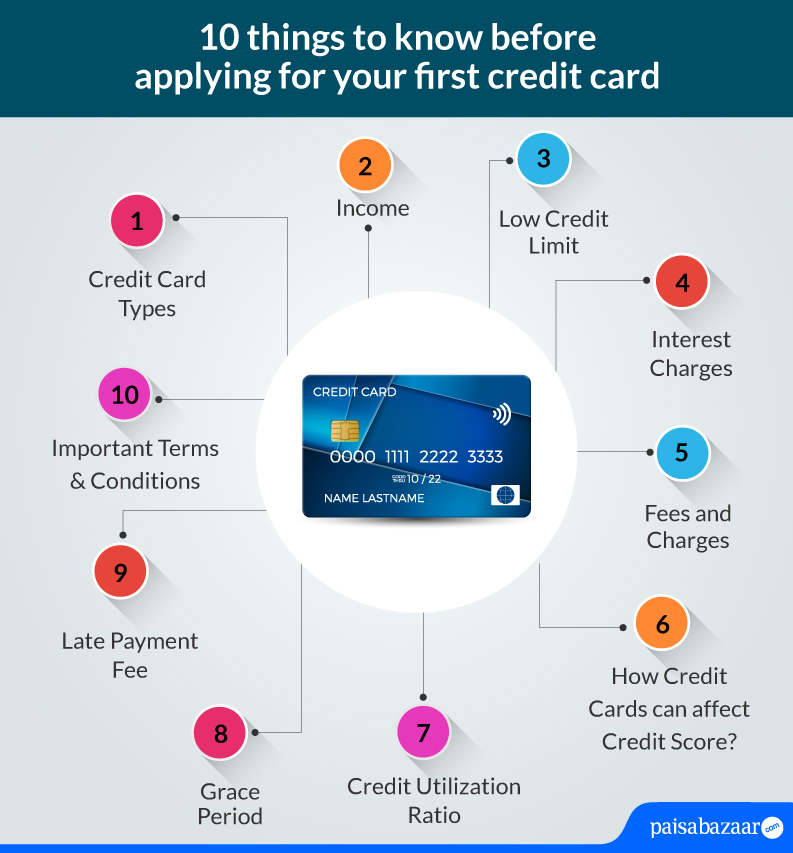
- Annual Fees: Many premium cards come with annual fees, which are often justified by extensive rewards, travel perks, or robust insurance benefits. For most, a no-annual-fee card is a better starting point, especially when building credit.
- Interest Rates (APRs): Understand the difference between introductory APRs (often 0% for a period) and the standard variable APR that applies after the promotional period or to cash advances. This is crucial if you expect to carry a balance.
- Rewards Programs: If pursuing a rewards card, dissect the program. How are points or cash back earned? What are the redemption options? Are there spending caps or bonus categories that require activation?
- Sign-Up Bonuses: Many cards offer attractive bonuses for meeting a certain spending threshold within the first few months. Factor these into your value calculation, but don’t overspend to achieve them.
- Other Perks: Look for additional benefits like foreign transaction fee waivers, rental car insurance, extended warranties, purchase protection, and travel insurance.
Comparing Offers and Terms
Never settle for the first card you see. Use reputable financial websites and comparison tools to evaluate multiple options side-by-side.
- Read the Fine Print: The “Terms and Conditions” document contains critical details about fees, penalties, interest calculation methods, and any changes the issuer can make to your account. Pay close attention to late payment fees, over-the-limit fees, and returned payment fees.
- Understand the Credit Limit: While the exact credit limit is determined by the issuer, cards often have published typical ranges. A higher initial credit limit can be beneficial for keeping credit utilization low, assuming you don’t overspend.
- Customer Service and Digital Tools: Consider the reputation of the card issuer’s customer service and the quality of their online banking and mobile app. Good digital tools can make managing your card easier.
Strategies for First-Time Applicants
If you’re new to credit, the path to approval can seem daunting.
- Secured Credit Cards: As mentioned, these are excellent for building credit. Make sure the issuer reports to all three credit bureaus.
- Student Credit Cards: If you’re a student, these are often more accessible and designed for responsible credit building.
- Authorized User: Becoming an authorized user on a trusted family member’s credit card can help establish a credit history, provided the primary account holder uses the card responsibly and makes on-time payments.
- Co-signer: Some cards allow a co-signer, typically a parent or guardian with good credit, who agrees to be responsible for the debt if you default.
The Application Submission Process
Once you’ve selected a credit card, the application process itself is generally straightforward. Accuracy and honesty are key.
Online vs. In-Person Applications
Most credit card applications are submitted online, offering convenience and often instant or rapid decisions.
- Online Applications: These are typically fast, secure, and available 24/7. Ensure you are on the legitimate website of the card issuer and that the connection is secure (look for ‘https://’ in the URL).
- In-Person Applications: Some credit unions and smaller banks may still offer in-person applications. This can be beneficial if you prefer direct interaction or have specific questions, but the approval process might take longer.
Filling Out the Application Accurately
Take your time and double-check every piece of information you provide.
- Be Honest: Providing false information can lead to immediate denial and potentially more serious consequences.
- Consistency: Ensure your name, address, and other details match what’s on your identification and credit reports.
- Gross Annual Income: Report your total income before taxes and deductions. This can include salary, wages, tips, commissions, investments, and even reliable income from a spouse or partner if you have reasonable access to it.
Understanding Application Review Timelines
The time it takes to hear back can vary.
- Instant Approval: For applicants with strong credit profiles, many online applications result in an instant approval decision.
- Pending Review: If your application isn’t instantly approved, it might go into pending status for manual review. This could mean the issuer needs to verify information or conduct a more thorough assessment. You might receive a notification that a decision will be made within 7-10 business days.
- Reconsideration Lines: If you’re denied, or your application is pending and you believe there’s a good reason for approval (e.g., your income recently increased but isn’t reflected on your credit report), consider calling the issuer’s reconsideration line. Politely explain your situation and why you believe you qualify.
Post-Application and Beyond
The application journey doesn’t end with approval or denial. Understanding what happens next and how to manage your credit responsibly is vital for long-term financial health.
What to Expect After Applying
- Approval: Congratulations! Your new card will typically arrive in the mail within 7-10 business days. Upon arrival, activate it immediately and sign the back. Review the cardholder agreement once more.
- Denial: While disappointing, a denial is not the end of the world. The issuer is legally required to send you an adverse action notice explaining the specific reasons for the denial. Use this feedback to improve your credit profile for future applications.
- Pending Status: If your application is pending, exercise patience. Avoid applying for other credit cards during this period, as multiple hard inquiries can negatively impact your credit score.
Managing Your New Card Responsibly
Responsible credit card use is crucial for building a strong credit history and avoiding debt.
- Pay Your Bill On Time, Every Time: This is the most critical factor in your credit score. Set up automatic payments or calendar reminders to ensure you never miss a due date.
- Keep Your Credit Utilization Low: Aim to keep your credit utilization ratio (the amount of credit you’re using compared to your total available credit) below 30%, ideally even lower (under 10%). This signals to lenders that you’re not overly reliant on credit.
- Review Your Statements: Regularly check your monthly statements for fraudulent activity, billing errors, or unfamiliar charges.
- Avoid Carrying a Balance (Unless It’s a 0% APR Card): Interest charges can quickly erode any rewards earned and lead to a spiral of debt. If you carry a balance, aim to pay more than the minimum payment.
Addressing Denied Applications
A denied application provides an opportunity to learn and improve.
- Review the Denial Letter: Carefully read the adverse action notice. Common reasons include a low credit score, high existing debt, insufficient income, or too many recent credit applications.
- Improve Your Credit Profile: Based on the denial reasons, take steps to improve your credit. This might involve paying down existing debt, disputing errors on your credit report, or establishing a longer credit history through a secured card.
- Wait Before Reapplying: It’s generally advisable to wait at least 6-12 months before reapplying for the same card or another card from the same issuer, especially if your financial situation hasn’t significantly changed.
Common Pitfalls and How to Avoid Them
Even with careful planning, some common mistakes can derail your credit card application or lead to financial trouble later on.
Applying for Too Many Cards Simultaneously
Each time you apply for a credit card, a “hard inquiry” is placed on your credit report. While one or two inquiries have a minimal impact, multiple inquiries in a short period can signal desperation to lenders and temporarily lower your credit score, making future approvals more difficult. Strategically space out your applications.
Misunderstanding Interest Rates and Fees
Many applicants focus solely on rewards or introductory offers without fully grasping the ongoing costs. High standard APRs, annual fees, late payment fees, and foreign transaction fees can quickly negate any benefits if you’re not careful. Always understand the full cost of carrying and using the card.

Not Reading the Fine Print
The terms and conditions document is often overlooked, yet it contains crucial details about how the card works, including potential penalties, fee structures, and the issuer’s right to change terms. Failing to read this can lead to unpleasant surprises later. Make sure you understand all aspects before committing.
Applying for a credit card is a manageable process when approached methodically. By understanding your credit, defining your needs, thoroughly researching options, applying accurately, and managing your card responsibly, you can successfully leverage credit as a powerful financial tool.
aViewFromTheCave is a participant in the Amazon Services LLC Associates Program, an affiliate advertising program designed to provide a means for sites to earn advertising fees by advertising and linking to Amazon.com. Amazon, the Amazon logo, AmazonSupply, and the AmazonSupply logo are trademarks of Amazon.com, Inc. or its affiliates. As an Amazon Associate we earn affiliate commissions from qualifying purchases.