
Navigating bank fees can be a challenging aspect of personal finance, and overdraft charges are among the most common. For Chase account holders, understanding the intricacies of their overdraft policies and the potential for fee waivers is crucial for effective financial management. While Chase, like most major banks, imposes fees for insufficient funds, there are specific strategies and policies that can help customers mitigate or even entirely avoid these charges.
Understanding Chase’s Overdraft Policies
Chase offers several mechanisms and policies related to overdrafts, some of which directly impact the likelihood of a fee being waived or prevented altogether. Familiarity with these is the first step in managing potential charges.
Chase Overdraft Assist℠
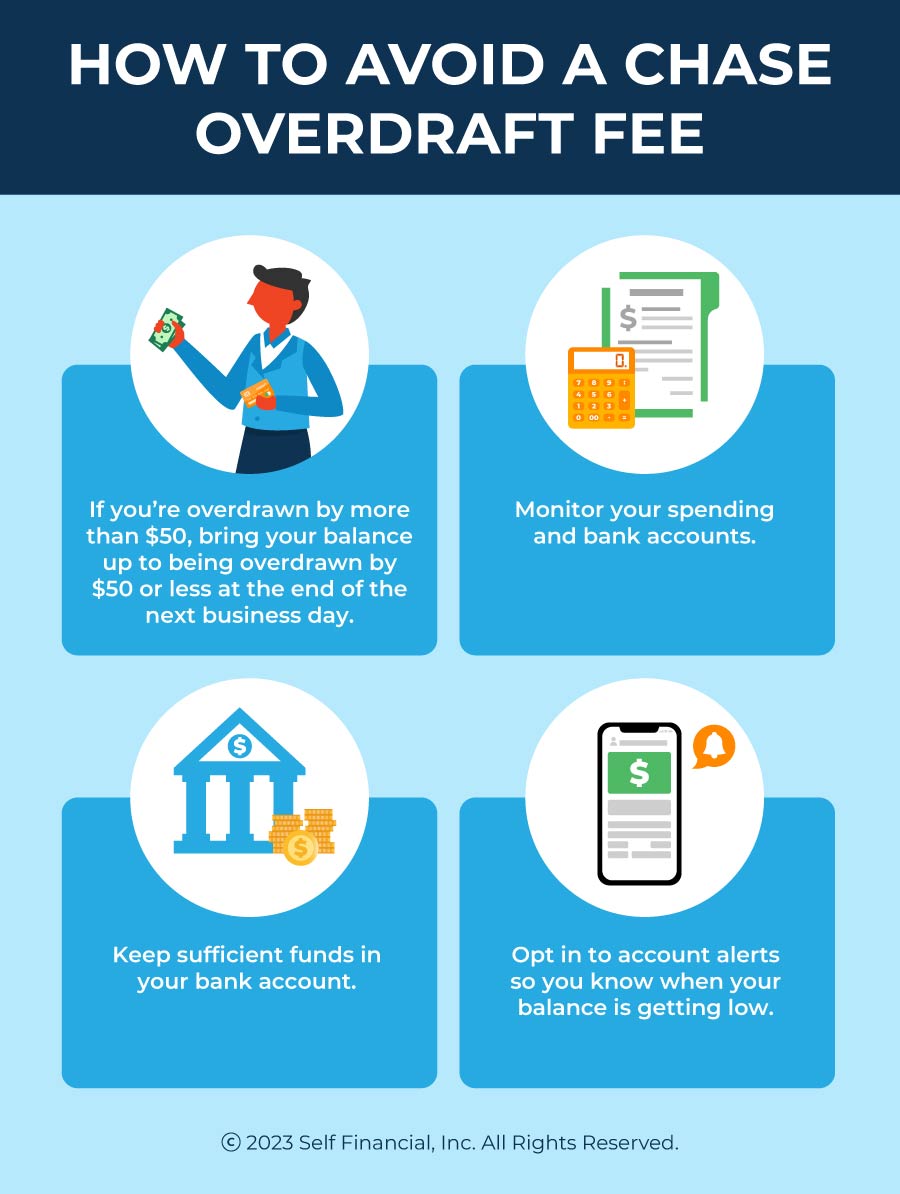
A significant development in Chase’s approach to overdrafts is their Overdraft Assist℠ program. This feature provides a safety net designed to help customers avoid fees under specific conditions. If your account balance goes negative by $50 or less, and you bring your balance back to $0 or above by the end of the next business day (the “grace period”), Chase will automatically waive any overdraft fees that would have been incurred during that period. This effectively provides a 24-hour window to correct a small overdraft without penalty. It’s a proactive measure by Chase to reduce the impact of minor financial missteps for its customers.
Standard Overdraft Protection Options
Beyond Overdraft Assist℠, Chase also offers traditional overdraft protection services. These services allow you to link your checking account to another Chase account, such as a savings account or a credit card. When an overdraft occurs, funds are automatically transferred from the linked account to cover the transaction, preventing an overdraft fee.
- Linking to a Savings Account: This is generally the most cost-effective option, as transfers from savings accounts typically incur no fee or a minimal transfer fee, far less than a standard overdraft charge.
- Linking to a Credit Card: While this also prevents an overdraft fee on your checking account, it’s important to remember that you are essentially taking a cash advance on your credit card, which can come with its own set of fees and higher interest rates. This option should be used with caution and primarily as a last resort.
The Cost of Overdrafts Without Assistance
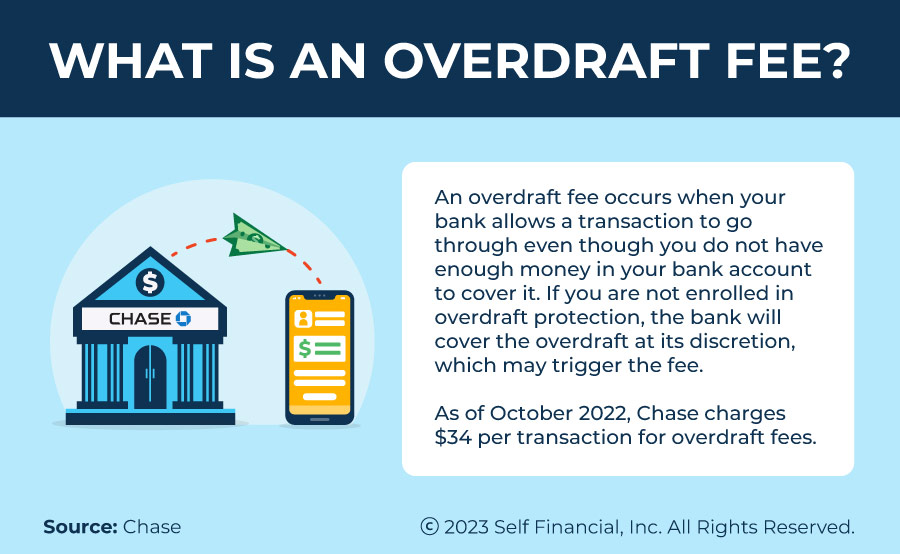
If an overdraft does not qualify for Overdraft Assist℠ and no overdraft protection is in place, Chase’s standard overdraft policy applies. Currently, Chase charges $34 for each transaction that overdraws your account. There is a cap on these fees: Chase will charge a maximum of three overdraft fees per business day, totaling up to $102. This means that even if you make multiple transactions that overdraw your account in a single day, you won’t be charged indefinitely beyond this limit. However, $102 is still a substantial amount, highlighting the importance of prevention and understanding waiver possibilities.
Strategies for Waiving Overdraft Fees
While prevention is always the best strategy, sometimes an overdraft fee is unavoidable. In such cases, knowing how to request a waiver can save you money. Chase, like many financial institutions, often considers waiving fees under certain circumstances, particularly for valued customers.
The “Goodwill” Approach
One of the most common and effective ways to get an overdraft fee waived is through a “goodwill” request. Banks recognize that customers can make mistakes, and they often offer a one-time or infrequent courtesy waiver to maintain customer satisfaction.
- Eligibility: While there’s no strict rule on how many fees can be waived, many customers report success in getting one or two overdraft fees waived per year. This is not a guaranteed policy but rather a discretionary decision made by the bank.
- Factors Influencing Success:
- Customer History: Long-standing customers with a good track record (e.g., no prior overdrafts, high account balance, multiple accounts with Chase) are more likely to receive a waiver.
- Frequency of Requests: If you frequently request fee waivers, the bank may be less inclined to grant them, viewing it as a pattern rather than an isolated incident.
- The Reason for the Overdraft: A reasonable explanation for the overdraft (e.g., an unexpected bill, a timing error, a simple oversight) can strengthen your case.
- Politeness and Professionalism: How you approach the customer service representative can significantly impact the outcome.
Proactive Account Management
Even if an overdraft has occurred, taking immediate action can sometimes prevent the fee from solidifying. If you notice an overdraft shortly after it happens, and it doesn’t fall under Overdraft Assist℠, quickly depositing funds to bring your account back to a positive balance before the end of the business day can sometimes prevent the fee from being fully processed. While not a guaranteed waiver, it demonstrates responsibility and can be a factor if you later need to discuss the fee with a representative.
Documenting Your Efforts
It’s always a good idea to keep a record of your communications with the bank, especially when discussing fee waivers. Note down the date and time of your call, the name of the representative you spoke with, and a summary of the conversation. This documentation can be valuable if you need to follow up or escalate your request.
Long-Term Solutions to Avoid Overdrafts
The most effective strategy for managing overdraft fees is to implement long-term financial habits and utilize Chase’s features to prevent them from occurring in the first place.
Monitor Your Balance Regularly
With online banking and mobile apps, keeping tabs on your account balance has never been easier. Make it a habit to check your checking account balance daily, especially before making large purchases or paying bills. This simple practice can alert you to low funds before an overdraft occurs.
Set Up Account Alerts
Chase offers customizable account alerts that can notify you when your balance drops below a certain threshold, when a large transaction occurs, or when an overdraft is imminent. These real-time notifications are invaluable tools for preventing unforeseen overdrafts. Configure alerts via your Chase online banking portal or mobile app to receive notifications via email or text message.
Link Accounts for Overdraft Protection
As mentioned earlier, linking your checking account to a Chase savings account or credit card for overdraft protection is a robust preventative measure. If you have sufficient funds in your linked savings account, this virtually eliminates the risk of an overdraft fee. While linking to a credit card offers protection, exercise caution due to potential interest and cash advance fees.
Budgeting and Financial Planning
At its core, preventing overdrafts is about managing your money effectively. Creating and sticking to a budget allows you to track your income and expenses, ensuring you always have enough funds to cover your outflows. Financial planning tools, whether simple spreadsheets or sophisticated budgeting apps, can provide a clear picture of your financial health and help you anticipate potential shortfalls. Regularly reviewing your budget and making adjustments as needed is key to financial stability.
When to Contact Chase Customer Service
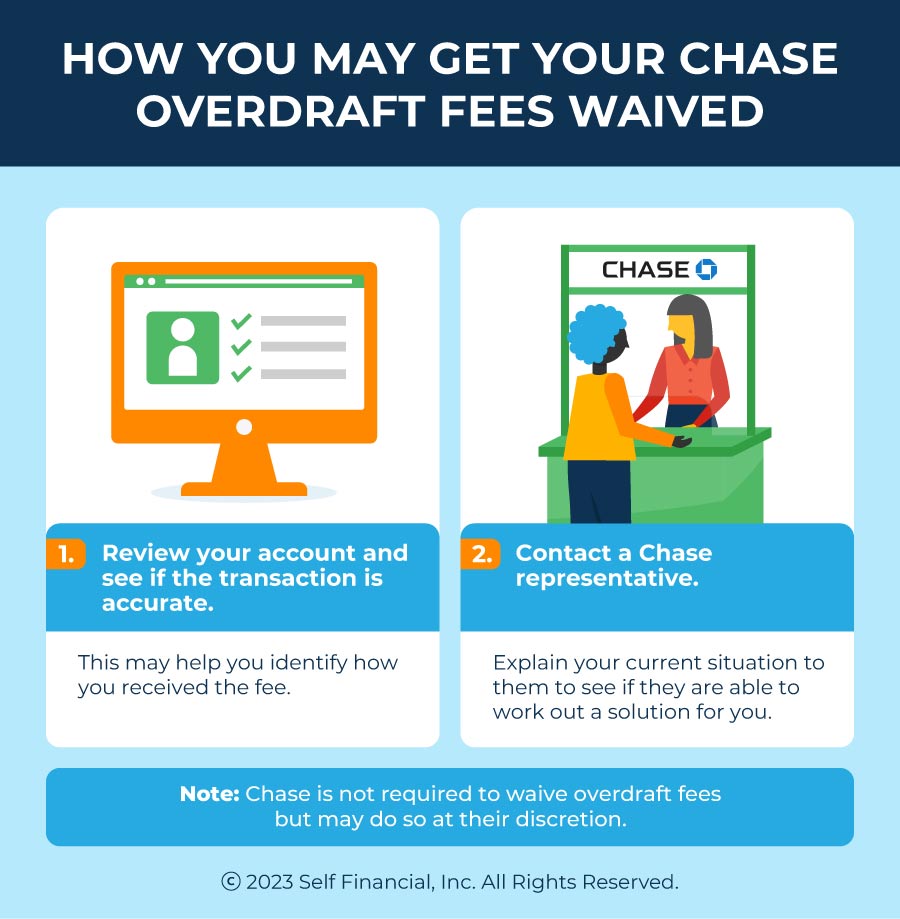
If you find yourself with an overdraft fee and wish to request a waiver, contacting Chase customer service directly is the most effective approach.
Preparing for the Call
Before you call, gather all relevant information:
- Your account number.
- The date and amount of the overdraft transaction.
- The specific fee you wish to have waived.
- A concise and polite explanation of why the overdraft occurred.
- Highlight your history as a good customer (e.g., “I’ve been a loyal Chase customer for X years,” or “This is my first overdraft in a long time”).
- Clearly state your request for a one-time courtesy waiver.
During the Call
Be polite, patient, and persistent. Start by explaining the situation and politely requesting if a waiver is possible, mentioning your good customer standing. If the first representative is unable to help, you can politely ask to speak with a supervisor. Supervisors often have more authority to make exceptions. Remember that bank representatives deal with many calls daily; a calm, clear, and respectful demeanor can significantly improve your chances of a favorable outcome.
After the Call
If your request is granted, confirm when you can expect to see the fee reversed on your statement. If it’s denied, ask if there are any other steps you can take or any other solutions available. Even if a waiver isn’t possible, understanding Chase’s full policy can help you avoid future fees.
In conclusion, while Chase charges overdraft fees, their Overdraft Assist℠ program provides an automatic waiver for small overdrafts corrected quickly. Beyond this, good customer history and a polite request can often lead to a goodwill waiver for one or two fees per year. However, the most reliable strategy remains proactive account management, utilizing Chase’s overdraft protection features, and maintaining diligent financial habits to avoid overdrafts altogether.
aViewFromTheCave is a participant in the Amazon Services LLC Associates Program, an affiliate advertising program designed to provide a means for sites to earn advertising fees by advertising and linking to Amazon.com. Amazon, the Amazon logo, AmazonSupply, and the AmazonSupply logo are trademarks of Amazon.com, Inc. or its affiliates. As an Amazon Associate we earn affiliate commissions from qualifying purchases.