
In the realm of personal and business finance, a void check serves as a crucial document for a multitude of administrative purposes. Whether you’re setting up direct deposit for your paycheck, establishing automatic bill payments, or providing bank details for an investment account, a void check offers a standardized and secure way to share your banking information. For Chase account holders, navigating the process to obtain one is straightforward, with several convenient methods available. This comprehensive guide will walk you through everything you need to know about acquiring a void check from Chase, ensuring your financial setup processes are as smooth and secure as possible.
Understanding the Purpose and Importance of a Void Check
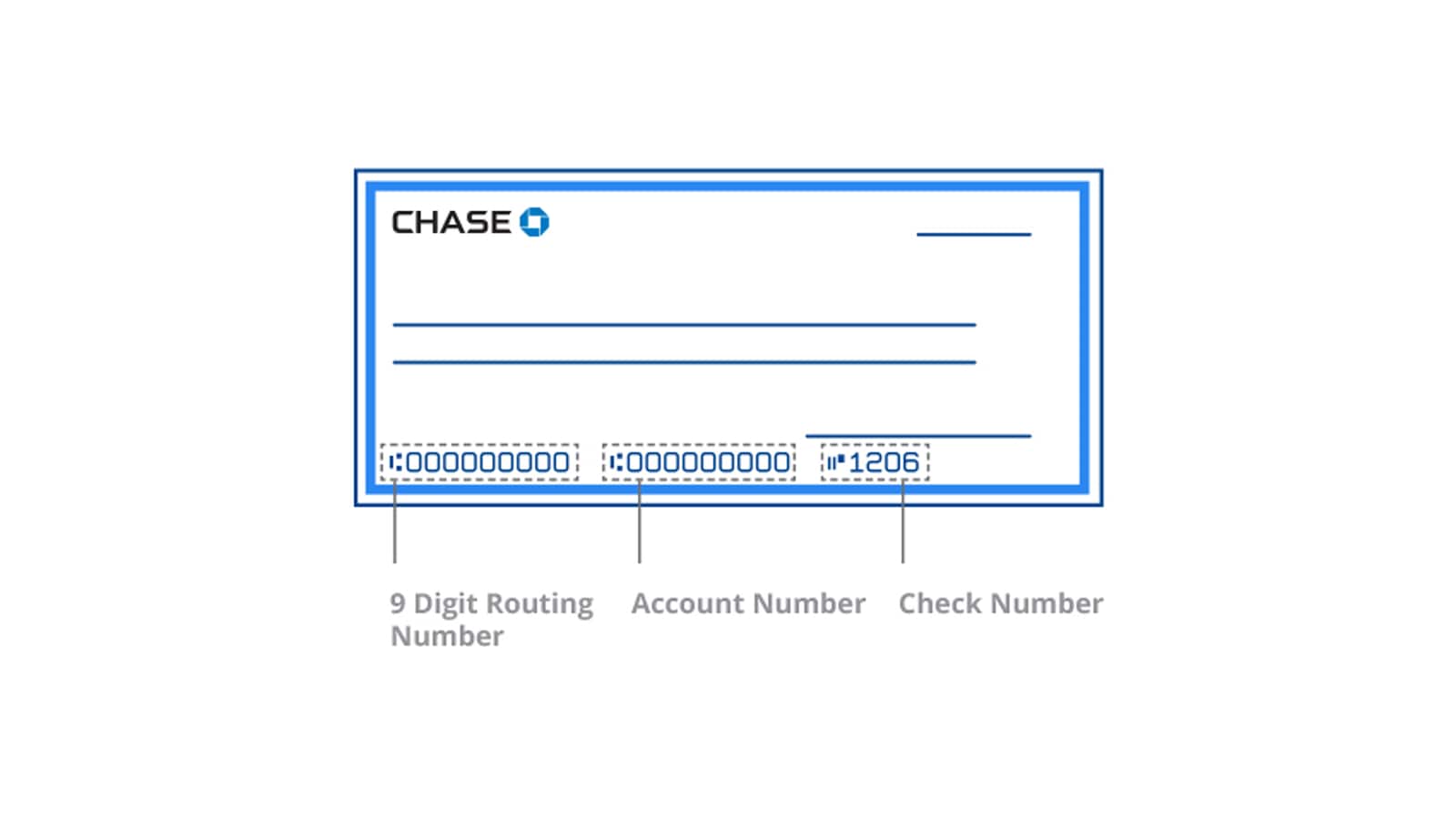
Before diving into the “how-to,” it’s essential to grasp what a void check is and why it holds such significance in financial transactions. A void check is simply a regular check from your checkbook that has “VOID” written across its face, rendering it unusable for payment. Its primary function is not to transfer money but to provide a verified record of your bank account’s routing and account numbers.
What is a Void Check and Why is it Necessary?
A void check acts as a template for your banking information. When you provide a void check, the recipient (e.g., your employer, a utility company, or a brokerage firm) can accurately extract your bank’s routing number and your specific checking account number. These two pieces of information are critical for initiating electronic funds transfers (EFTs), such as direct deposits or automated clearing house (ACH) payments. The “VOID” status ensures that the check cannot be fraudulently completed or cashed, protecting your funds while still serving its informational purpose.
Common Scenarios Requiring a Void Check
You’ll typically encounter requests for a void check in several key financial situations:
- Direct Deposit Setup: This is perhaps the most common reason. Employers require a void check to set up automatic deposits of your salary directly into your bank account. It eliminates the need for paper paychecks and speeds up access to your funds.
- Automatic Bill Payments: Many service providers, like utility companies, insurance providers, or mortgage lenders, offer automatic payment options directly from your bank account. A void check can be used to set up these recurring debits.
- Investment Account Funding: Some brokerage firms or investment platforms may request a void check to link your bank account for funding your investment activities or withdrawing dividends.
- Government Benefits: Setting up direct deposit for government benefits, such as Social Security, often requires a void check.
- Payroll Services: Small businesses setting up payroll often provide void checks to their payroll service provider to establish the funding source for employee payments.
The critical advantage of using a void check over simply writing down the numbers is the visual verification it provides. It confirms that the routing and account numbers belong to a valid, active account with a specific bank, minimizing errors that could delay payments or lead to financial complications.
Primary Methods to Obtain a Void Check from Chase
Chase, like most major financial institutions, offers several convenient pathways for customers to acquire a void check or the necessary banking information. The best method for you will depend on whether you have a physical checkbook, your comfort with online banking, and your immediate needs.
1. The Traditional Method: Using a Physical Checkbook
If you have a Chase checking account and have ordered checks, the simplest and most common method is to use one of your existing checks.
- Locate a Check: Take any blank check from your Chase checkbook. It’s often recommended to use the first check in your book, though any blank check will suffice.
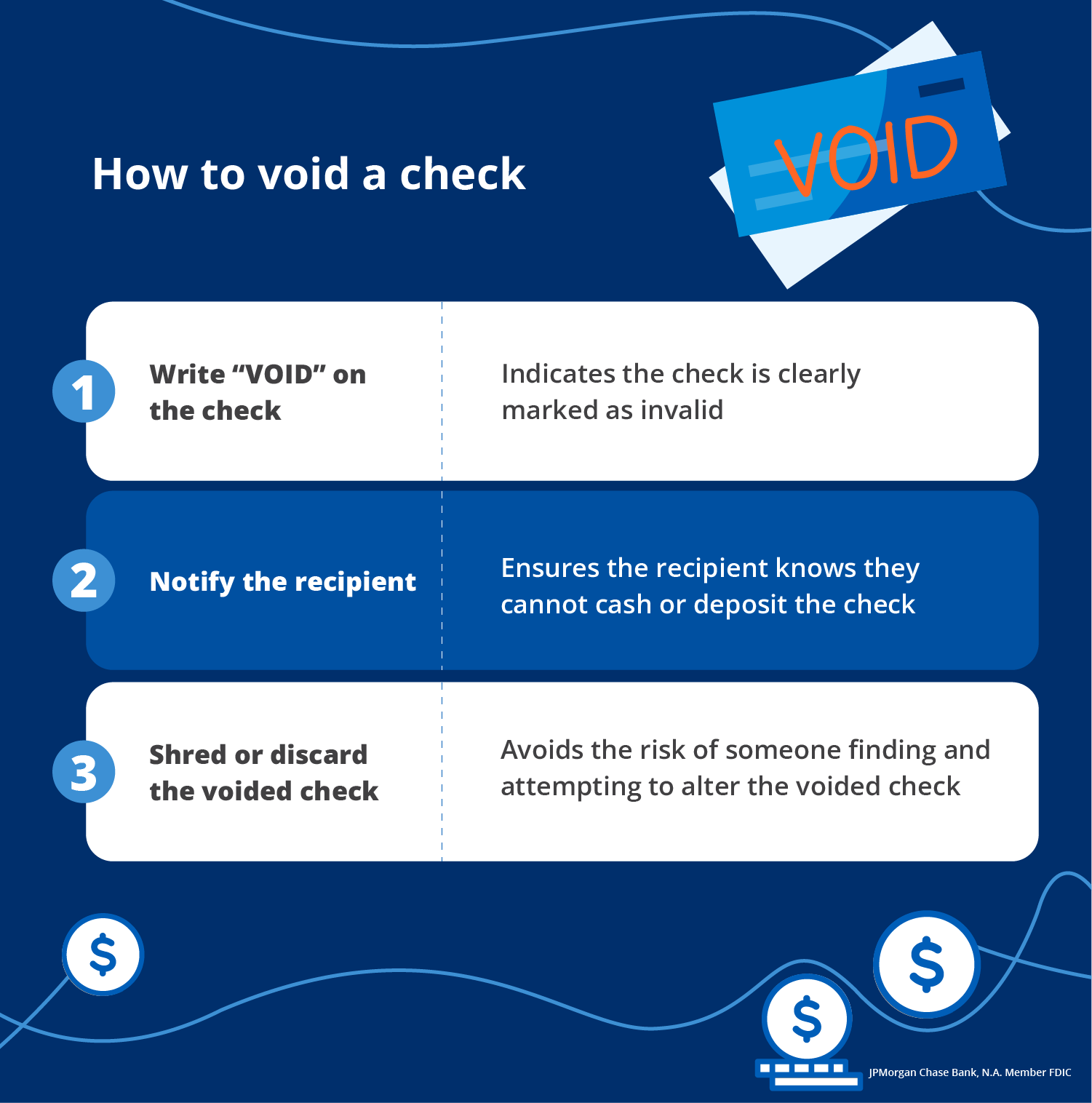
- Write “VOID” Clearly: Using a dark-colored pen (blue or black is best), write “VOID” in large, clear letters across the front of the entire check. Ensure that the word “VOID” covers the entire space, including where the payee name, amount, and signature would normally go. This makes it unmistakably clear that the check is not to be cashed or used for payment.
- Make a Copy (Optional but Recommended): Before handing it over, it’s a good practice to make a photocopy or take a clear picture of the voided check for your own records.
This method is quick, free, and provides the most universally accepted form of a void check.
2. Requesting Assistance at a Chase Branch
If you do not have a physical checkbook, or prefer in-person assistance, visiting a Chase branch is an excellent option.
- Visit Your Local Branch: Use the Chase branch locator tool on their website or mobile app to find the nearest location.
- Speak with a Teller or Representative: Inform them that you need a void check or a document that contains your routing and account numbers for direct deposit purposes.
- Provide Identification: You will likely need to present a valid government-issued ID (e.g., driver’s license, passport) to verify your identity as the account holder.
- Receive a Starter Check or Bank Letter: The representative can often print a starter check on the spot and void it for you, or provide a bank letter containing your account details. These documents serve the same purpose as a voided personal check. This service is typically free of charge.
3. Accessing Account Information Through Chase Online Banking or Mobile App
For those who manage their finances digitally, Chase’s online banking platform and mobile app offer a convenient way to retrieve your routing and account numbers, which can then be used to create a “void check” equivalent. While you cannot print a physical voided check directly from the app, you can easily access and print the crucial information.
- Log In Securely: Access your Chase account via Chase.com or the Chase Mobile app using your username and password.
- Navigate to Your Account: Once logged in, select the specific checking account for which you need the void check.
- Find Account Details: Look for a section labeled “Account details,” “Routing & account numbers,” or similar. This is usually found within the account summary or options menu. Chase typically displays both your routing number (a nine-digit code identifying the bank) and your full account number here.
- Print or Save Information: You can print this page directly, or copy the numbers to a document. If you need a physical “void check” look-alike, you can paste the numbers into a document, type “VOID” prominently, and print it. Alternatively, some employers or organizations might accept a screenshot of your online account details page showing the routing and account numbers, particularly if direct printing isn’t feasible.
4. Contacting Chase Customer Service
If the above methods aren’t suitable, Chase customer service can assist you.
- Call Customer Service: Dial the customer service number found on the back of your debit card or on the Chase website.
- Verify Your Identity: Be prepared to answer security questions to confirm your identity.
- Request Information or Assistance: Explain that you need your routing and account numbers for direct deposit or automatic payments. They can provide these numbers over the phone or guide you on how to access them online. In some cases, they might be able to mail you a document with this information, though this will take longer.
Step-by-Step Guide: Generating a Void Check Equivalent Online
For many, the online banking method is the most practical due to its accessibility and speed. Here’s a detailed walkthrough for Chase customers:
1. Log In to Your Chase Online Account
Start by opening your web browser and navigating to www.chase.com. Enter your User ID and Password, then click “Sign In.” If you use the mobile app, open the app and log in.
2. Select Your Checking Account
Once logged in, you’ll see a dashboard with an overview of all your Chase accounts. Click on the specific checking account for which you need the routing and account numbers. This will take you to that account’s activity page.
3. Locate “See Account Details” or Similar Link
On the account activity page, look for a link or button that says “See account details,” “Routing & account numbers,” or “Account services.” The exact wording might vary slightly, but it’s typically prominently displayed near your account balance or in an “Account management” section.
4. Note Down or Print Your Routing and Account Numbers
Clicking on the “See account details” link will reveal your full 9-digit routing number and your complete account number.
- Routing Number: This is specific to Chase and is the same for all checking accounts within the bank in your region.
- Account Number: This is unique to your individual checking account.
You can either write these numbers down carefully, copy them into a secure digital document, or print the entire page if your recipient accepts a printout of your online banking details.
5. Creating a “Void Check” for Submission
If your employer or recipient specifically asks for a “voided check” (a physical document), and you don’t have a checkbook, you have a few options:
- Print and Mark: Print the page from Chase.com showing your routing and account numbers. Then, clearly write “VOID” across the printout with a pen. This serves as a readily acceptable substitute.
- Digital Creation: If allowed, you can create a simple document on your computer (e.g., in Word or Google Docs). Type “VOID” prominently in the center, then list your bank name (Chase), routing number, and account number below it. Print this document.
- Visit a Branch: As mentioned, if you need a pre-printed, voided starter check, a branch visit is the best option.
Remember to double-check all numbers for accuracy before submission. An incorrect number can lead to delays in your direct deposit or issues with automatic payments.
Important Considerations and Best Practices
While obtaining a void check from Chase is simple, there are a few important considerations to keep in mind to ensure security and efficiency.
Security and Privacy When Sharing Information
Your routing and account numbers are sensitive financial data. Treat them with care.
- Only Share with Trusted Entities: Only provide your void check or account information to reputable organizations (employers, known billers, government agencies, etc.).
- Avoid Emailing Unencrypted Information: Be cautious about sending pictures or scans of your void check via unsecured email. If you must email, ensure the recipient’s email is secure and consider password-protecting the document or sending it through a secure portal.
- Shred Old Void Checks: Once a void check has served its purpose, or if you have old physical checks you no longer need, shred them to prevent unauthorized access to your banking information.
Alternatives to a Void Check
In many cases, a physical void check isn’t the only accepted method for providing your banking details.
- Direct Deposit Forms: Many employers and organizations have their own direct deposit forms. These forms typically ask for your bank name, routing number, and account number, which you can retrieve from your Chase online account. Some might still ask for a voided check as backup verification.
- Bank Letters: As mentioned, a Chase branch can provide an official letter on bank letterhead confirming your account details. This is often accepted as an alternative to a void check.
- Online Account Links: Increasingly, digital payment platforms and financial services allow you to link your bank account directly through secure online portals, often using services like Plaid, which verify your account without needing a void check.
Verifying Information Accuracy
Before submitting your void check or any form containing your banking details, always perform a thorough check:
- Routing Number: Confirm the 9-digit routing number. For Chase accounts in the contiguous U.S., it’s generally consistent, but variations can exist for different regions or account types (e.g., wire transfers versus ACH). Your online banking portal will always show the correct one for your specific account.
- Account Number: Carefully match every digit of your account number. Even a single incorrect digit can send funds to the wrong place or cause payments to fail.
When a Void Check Might Not Be Necessary
Sometimes, you might be asked for a void check when an alternative would be simpler. For example, if you’re setting up a payment with a vendor you’ve used before, they might already have your information on file. Or, if it’s a one-time transaction, a simple payment via debit card or a one-time ACH transfer might suffice without needing a full void check setup. Always inquire about the specific requirements of the entity requesting the information.
In conclusion, obtaining a void check from Chase is a straightforward process, whether you opt for the traditional method of voiding a physical check, visiting a branch, or leveraging the convenience of Chase’s online banking platform. By understanding the purpose of a void check and following these practical steps, you can confidently manage your financial setups and ensure smooth, secure transactions.
aViewFromTheCave is a participant in the Amazon Services LLC Associates Program, an affiliate advertising program designed to provide a means for sites to earn advertising fees by advertising and linking to Amazon.com. Amazon, the Amazon logo, AmazonSupply, and the AmazonSupply logo are trademarks of Amazon.com, Inc. or its affiliates. As an Amazon Associate we earn affiliate commissions from qualifying purchases.