
In an increasingly digital world where financial transactions happen at lightning speed, understanding the fundamental components of your banking identity is paramount. Among these, the routing number stands as a silent yet critical identifier, facilitating countless financial operations daily. Whether you’re setting up direct deposit, paying bills online, initiating a wire transfer, or linking third-party financial apps, knowing how to quickly and accurately locate your routing number is an essential skill for modern financial management. This comprehensive guide will demystify the routing number, explain its importance, and walk you through every reliable method to find yours, ensuring your financial transactions proceed smoothly and securely.

Understanding Your Routing Number: The Basics
Before diving into how to find your routing number, it’s crucial to understand what it is, why it’s necessary, and how it’s structured. This foundational knowledge will empower you to navigate your financial life with greater confidence and precision.
What is a Routing Number?
A routing number, also known as an ABA (American Bankers Association) routing transit number, is a nine-digit code that identifies the specific financial institution where your account is held. It acts like a unique address for your bank, directing funds to the correct place during transactions. Established in 1910 by the ABA, its primary purpose was to facilitate the sorting and delivery of paper checks, ensuring that funds were drawn from and deposited into the correct bank branches. Today, while its original purpose for paper checks remains, its role has expanded significantly to encompass a vast array of electronic transactions.
Why Do You Need Your Routing Number?
The routing number is indispensable for a multitude of financial activities. Without it, many common transactions would be impossible or severely delayed. Here are some of the most frequent scenarios where your routing number is required:
- Direct Deposit: To receive your paycheck, government benefits, or tax refunds directly into your bank account, your employer or the paying agency will require your routing number alongside your account number.
- Automatic Bill Payments: Setting up recurring payments for utilities, loans, or subscriptions often necessitates your routing number to authorize withdrawals from your account.
- Wire Transfers: Both sending and receiving wire transfers, whether domestic or international, always involve routing numbers to ensure funds reach the intended financial institution.
- ACH (Automated Clearing House) Transactions: These include direct deposits, direct debits (like mortgage or loan payments), and electronic checks. ACH transactions are a cornerstone of modern banking, and routing numbers are central to their operation.
- Linking External Accounts: When connecting your bank account to third-party financial apps (e.g., budgeting tools, investment platforms like Robinhood or Vanguard, or payment apps like PayPal or Venmo), your routing number helps establish the link.
- Tax Payments/Refunds: For electronically filing taxes or receiving refunds via direct deposit, your bank’s routing number is a must.
Essentially, any transaction that involves moving money directly between two different financial institutions within the United States will likely require a routing number.
The Anatomy of a Routing Number
While it’s a nine-digit code, its structure isn’t random. The first four digits typically identify the Federal Reserve District where the bank is located. The next four digits pinpoint the specific bank within that district, and the final digit is a checksum digit used for validation purposes. This systematic structure helps prevent errors and ensures that money is routed accurately, even amidst the millions of transactions processed daily. It’s also important to note that a single bank might have multiple routing numbers, often depending on the type of transaction (e.g., wire vs. ACH) or the geographic region where the account was opened.
Diverse Methods for Locating Your Routing Number
Fortunately, finding your routing number is usually straightforward, as banks make this information readily accessible through several channels. Knowing where to look will save you time and potential frustration.
Checking Your Physical Checks
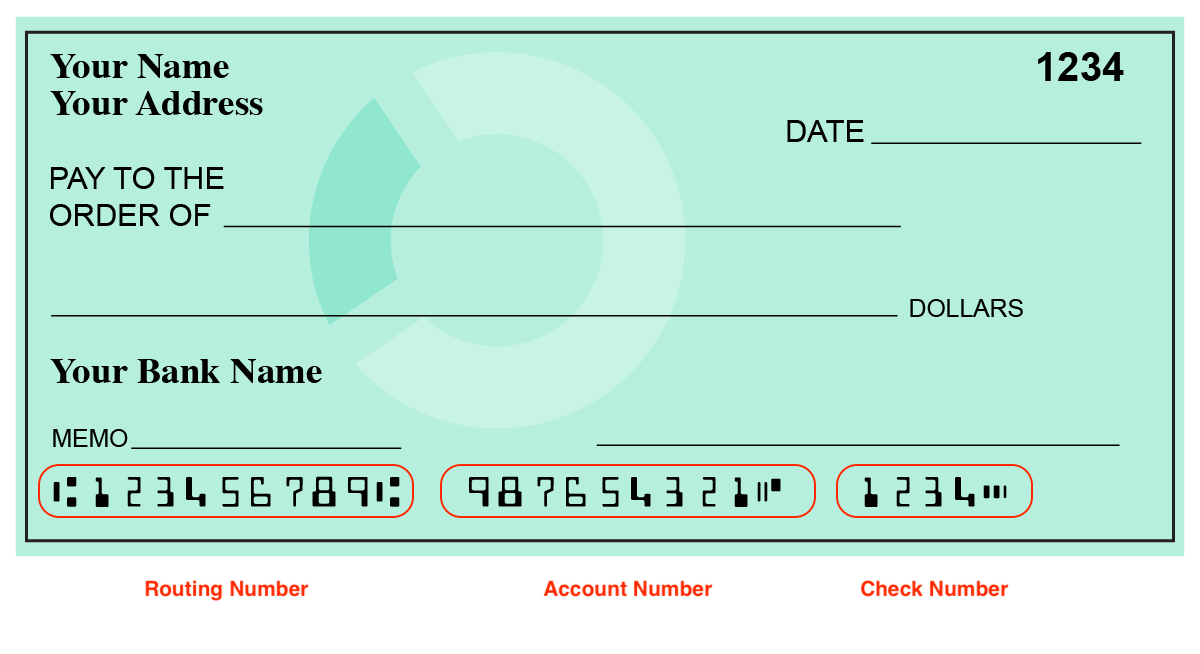
Perhaps the most classic and widely recognized method is to look at your physical checks. Your routing number is typically printed at the bottom of a check, alongside your account number and the check number. It is almost always the first set of nine digits on the left.
- Placement: On a standard check, you’ll find three sets of numbers printed in magnetic ink (MICR line) at the bottom. From left to right, these are usually:
- Routing Number (9 digits): Identifies your bank.
- Account Number (variable digits): Identifies your specific account at that bank.
- Check Number (variable digits): Identifies the specific check.
- Caution: If you have multiple accounts or checks from different banks, ensure you’re looking at a check specifically linked to the account for which you need the routing number. For savings accounts or credit cards, which don’t typically have checks, you’ll need to use alternative methods.
Logging into Your Online Banking Portal
In the digital age, your online banking portal is an invaluable resource for managing your finances, and it’s also one of the quickest ways to find your routing number.
- Navigation: After logging into your bank’s website or mobile app, navigate to your account details. This information is often found under sections like “Account Summary,” “Account Details,” “Statements,” or “Direct Deposit Information.”
- Specifics: Look for a clear label like “Routing Number,” “ABA Number,” or “Electronic Funds Transfer (EFT) Routing Number.” Some banks may display different routing numbers for specific transaction types (e.g., one for ACH/direct deposit and another for wire transfers). Always ensure you select the correct one for your intended purpose.
- Security: This method is highly secure as you’re accessing information directly from your bank’s authenticated platform.
Reviewing Your Bank Statements
Bank statements, whether paper or electronic, are another reliable source of your routing number.
- Paper Statements: If you receive paper statements, your routing number is often printed near your account number at the top or bottom of the statement.
- E-Statements: For electronic statements accessed through your online banking portal, download or view a recent statement. The routing number will typically be in the same prominent location as on a paper statement.
- Historical Data: Bank statements provide a historical record, so even an older statement can usually provide the correct routing number, as these rarely change.
Contacting Your Bank Directly
When in doubt, or if you prefer direct assistance, contacting your bank is always a safe bet.
- Customer Service: Call your bank’s customer service line. Be prepared to verify your identity with personal information (e.g., account number, date of birth, last four digits of your Social Security number) for security purposes. The representative will be able to provide the correct routing number for your specific account and transaction type.
- Branch Visit: If you prefer face-to-face interaction, visit a local branch. A teller can quickly provide the routing number, and you can also get assistance with any other banking queries you might have.
- Pros & Cons: This method offers the highest assurance of accuracy but can take more time due to wait times or travel.
Using Public Online Tools (with caution)
Several websites offer routing number lookup services by entering your bank’s name and sometimes your state. While these can be quick, they should be used with a degree of caution.
- How they work: You typically enter your bank’s name and sometimes the state where the account was opened. The site then provides a list of associated routing numbers.
- Verification: Always cross-reference any information obtained from a third-party website with one of the direct methods (online banking, bank statement, or direct contact with your bank). Routing numbers can vary by region or transaction type, and third-party sites might not always provide the precise one you need for your specific account.
- Security Risk: Avoid entering sensitive personal or account information into unverified third-party lookup tools. Stick to official bank sources whenever possible.
Specific Scenarios and Considerations
While the basic methods cover most situations, certain scenarios might require additional thought.
Routing Numbers for Different Account Types
It’s common for a bank to use the same routing number for all checking accounts opened in a particular region, and often for savings accounts too. However, some banks might have different routing numbers for:
- Checking vs. Savings: Less common now, but some older or smaller institutions might differentiate.
- Wire Transfers: Banks often have a different routing number specifically for incoming domestic wire transfers compared to the ACH routing number used for direct deposits and bill payments. Always confirm the correct number for the specific transaction type.
- Geographic Regions: Large national banks might have different routing numbers based on the state or region where your account was originally opened. Ensure you’re using the one specific to your account’s origin.
When using online banking or contacting your bank, be explicit about the type of account and the type of transaction for which you need the routing number to ensure you get the correct one.
What if I Have Multiple Banks or Accounts?
If you manage finances across several banks or have multiple accounts within the same bank, vigilance is key. Always double-check that the routing number you’re using corresponds to the specific account where you intend the funds to go or from which they should be drawn. Mixing up routing numbers can lead to delayed transactions, returned payments, or even funds being misdirected, requiring time-consuming corrections.
Common Mistakes to Avoid
- Confusing Routing and Account Numbers: These are distinct. The routing number identifies the bank, while the account number identifies your specific account at that bank. Ensure you provide both correctly.
- Using a Routing Number for the Wrong Transaction Type: As mentioned, wire transfers often have a different routing number than ACH transactions. Using the wrong one can cause significant delays.
- Relying on Outdated Information: While routing numbers don’t change frequently, if your bank merges or is acquired, its routing number might change. Always verify current information.
- Sharing Unnecessarily: While necessary for financial transactions, avoid sharing your routing number (or account number) with unverified individuals or websites. Treat it as sensitive financial data.
Protecting Your Financial Information
Understanding how to find your routing number is only half the battle; knowing how to protect it is equally important. Your routing number, especially when paired with your account number, can be used to initiate transactions.
When to Share and When to Be Cautious
- Share When Necessary: It’s safe to share your routing number with trusted entities like your employer for direct deposit, government agencies for tax refunds, or reputable billers for automatic payments.
- Be Cautious Online: Exercise extreme caution when asked for your routing number on unfamiliar websites or in unsolicited emails. Legitimate businesses will typically use secure, encrypted portals for such sensitive information.
- Avoid Public Disclosure: Never post your routing number on social media or share it in public forums.
Recognizing Scams and Fraud
Scammers often attempt to trick individuals into revealing their banking details. Be wary of:
- Phishing Emails/Texts: Messages impersonating your bank or a government agency, asking you to “verify” your account details by clicking a suspicious link.
- Unsolicited Calls: Individuals claiming to be from your bank or a service provider who demand your routing and account numbers over the phone.
- “Prize” or “Lottery” Scams: Requests for your banking details to deposit supposed winnings.
Your bank will never ask for your full account number or routing number via unsolicited email or text. If in doubt, call your bank using a number you know to be legitimate (e.g., from their official website or the back of your debit card).

Best Practices for Digital Security
- Strong, Unique Passwords: Use complex passwords for your online banking accounts and change them regularly.
- Two-Factor Authentication (2FA): Enable 2FA wherever possible on your banking and financial apps. This adds an extra layer of security.
- Monitor Account Activity: Regularly review your bank statements and online transaction history for any unauthorized activity.
- Secure Wi-Fi: Avoid accessing sensitive financial information over unsecured public Wi-Fi networks.
- Reputable Apps: Only download banking apps from official app stores and verify their authenticity.
In conclusion, your routing number is a cornerstone of modern financial operations, enabling seamless transfers of funds between institutions. By understanding its purpose and knowing the various reliable methods to locate it – from your checks and online banking to bank statements and direct contact – you empower yourself to manage your finances efficiently and securely. Always prioritize security, verify information from trusted sources, and stay vigilant against potential fraud. With this knowledge, you are well-equipped to navigate the complexities of financial transactions with confidence.
aViewFromTheCave is a participant in the Amazon Services LLC Associates Program, an affiliate advertising program designed to provide a means for sites to earn advertising fees by advertising and linking to Amazon.com. Amazon, the Amazon logo, AmazonSupply, and the AmazonSupply logo are trademarks of Amazon.com, Inc. or its affiliates. As an Amazon Associate we earn affiliate commissions from qualifying purchases.