
In the intricate landscape of modern personal and business finance, the need for a voided check arises frequently. Whether you’re setting up direct deposit for your paycheck, initiating automatic bill payments, or configuring a new investment account, a void check serves as a crucial document to verify your bank account and routing information without enabling financial transactions. For Chase account holders, understanding the various methods to obtain such a check is essential for smooth financial administration. This guide will walk you through the why, what, and how of getting a void check from Chase, ensuring you can meet these requirements efficiently and securely.
Understanding the Purpose of a Void Check
Before diving into the “how-to,” it’s vital to grasp the fundamental role a void check plays in your financial life. It’s more than just a piece of paper with “VOID” written on it; it’s a key to unlocking various financial conveniences.
What is a Void Check?
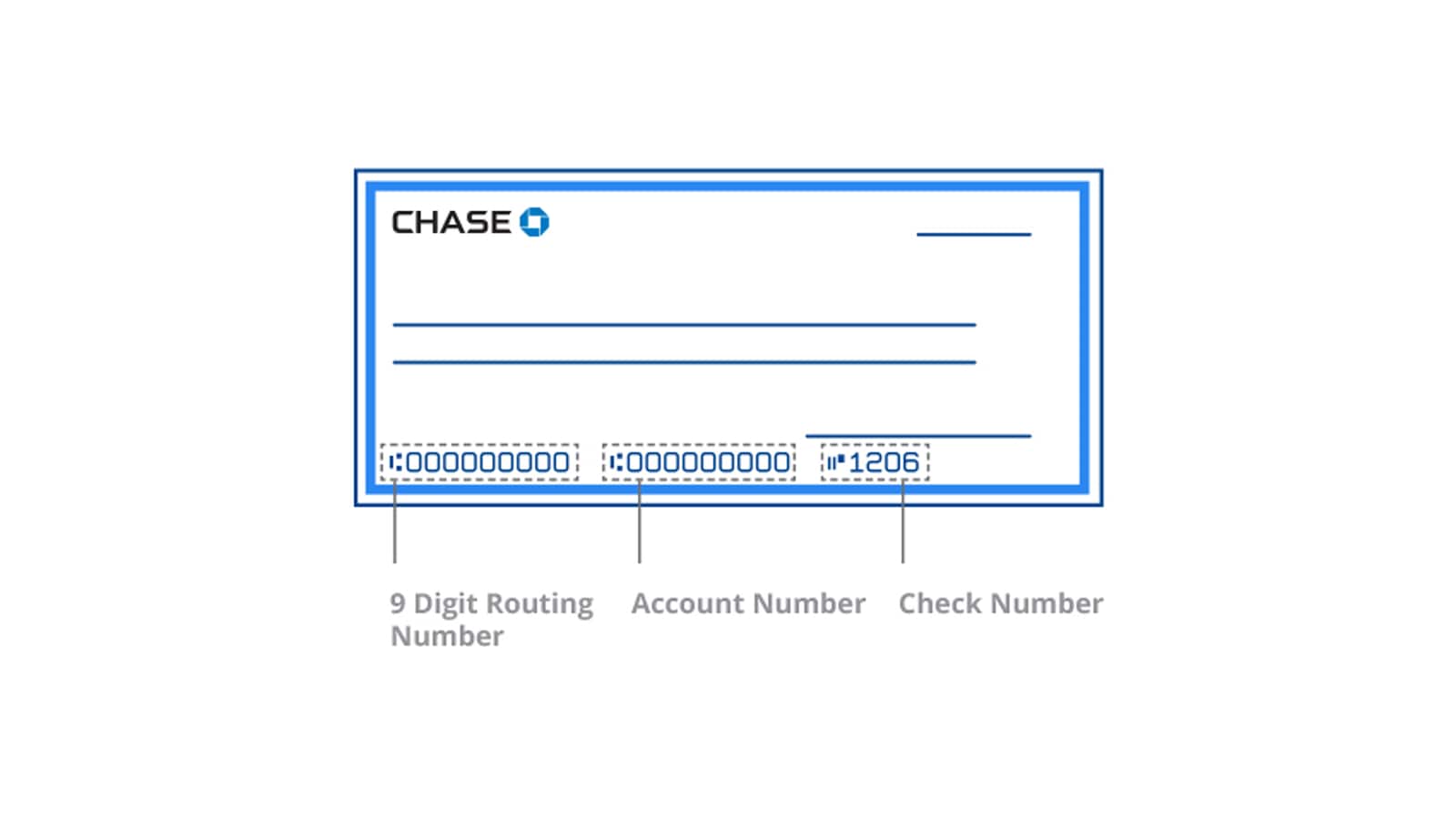
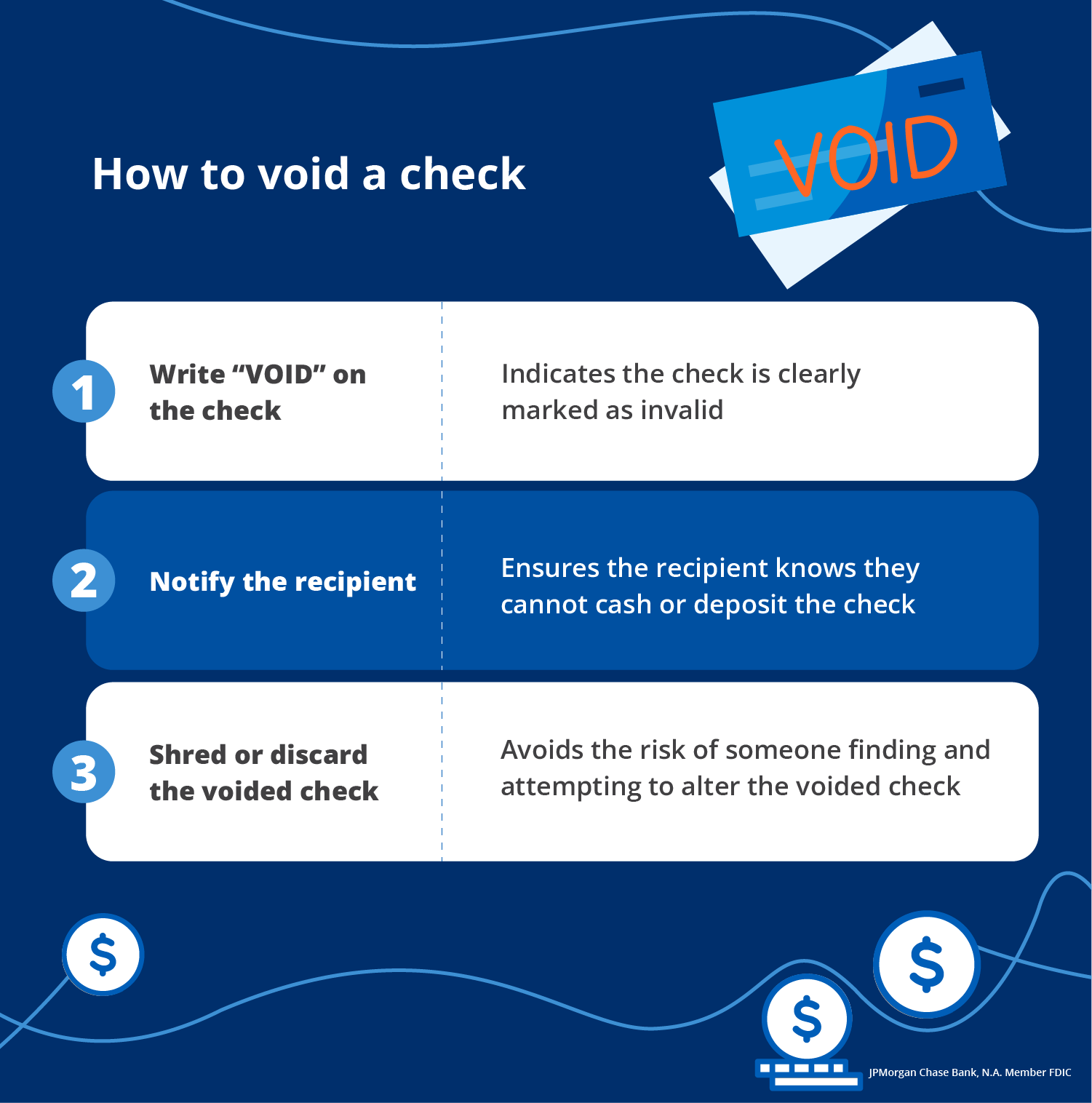
A void check is a blank check from your checkbook that has been deliberately canceled, typically by writing “VOID” across its face. The act of voiding renders the check unusable for payment to a payee, meaning it cannot be cashed or deposited by anyone. Its primary value lies in the pre-printed information it contains: your bank’s routing number, your specific account number, and your name and address. This information is critical for identifying your bank and account for electronic funds transfers.
The purpose of voiding it is twofold: first, to prevent any possibility of unauthorized use, and second, to clearly communicate that the document’s sole function is to provide account details, not to facilitate a payment. It acts as a secure, verified blueprint of your banking information directly from your financial institution.
Why Do You Need a Void Check?
The demand for a void check typically stems from the need to securely provide your banking details to a third party for recurring electronic transactions. Here are the most common scenarios:
- Direct Deposit Setup: This is perhaps the most frequent reason. Employers, government agencies (for social security, tax refunds, etc.), and other income sources require a void check to ensure your paychecks or benefits are accurately deposited directly into your designated Chase checking account. This eliminates the need for physical checks and speeds up access to your funds.
- Automatic Bill Payments: Many service providers, such as utility companies, mortgage lenders, loan servicers, and insurance providers, offer the convenience of automatic payments. To set these up, they often request a void check to link your Chase account directly, ensuring timely payments without manual intervention.
- Setting Up Investment Accounts or Payment Processors: When establishing new investment brokerage accounts, linking to peer-to-peer payment services, or configuring payment gateways for a business, a void check may be required to verify your bank account for transfers and withdrawals.
- Verifying Bank Details for Other Financial Services: Occasionally, other financial institutions or services might ask for a void check as a robust form of account verification, especially when dealing with large sums or sensitive transactions.
In essence, a void check acts as a universally accepted, tangible proof of your banking credentials, streamlining the setup of various financial services.
Traditional Methods for Obtaining a Void Check from Chase
When it comes to getting a void check, there are several pathways available to Chase customers, ranging from the most straightforward manual method to seeking direct assistance from the bank.
Voiding an Existing Check from Your Checkbook
This is arguably the simplest and most common method if you already have a Chase checkbook. It requires minimal effort and can be done instantly.
Step-by-step Instructions:
- Locate a Blank Check: Find a fresh, unused check from your Chase checkbook. Ensure it’s not a check you’ve already filled out or attempted to use.
- Write “VOID” Clearly: Using a pen, write the word “VOID” in large, legible letters across the front of the check. Many people write it diagonally from one corner to the other, ensuring it covers the key areas such as the payee line, the amount boxes, and the signature line. The goal is to make it abundantly clear that the check is not for payment.
- Ensure Legibility: Make sure the routing number (usually the first set of numbers at the bottom left) and your account number (typically the second set of numbers) remain clearly visible and unobstructed by the “VOID” mark. These are the essential pieces of information needed.
- Make a Copy (Optional but Recommended): Before submitting the original voided check, it’s wise to make a photocopy or take a picture for your records. This can be useful if the original is lost or if you need to refer to the details later.
Advantages: This method is quick, free, and available immediately if you have checks on hand. It’s universally accepted by most entities requiring a void check.
Disadvantages: Requires you to have an existing supply of checks. If you don’t use checks regularly, you might not have one available.
Visiting a Chase Branch
If you don’t have a checkbook, or prefer to have an official document directly from the bank, a visit to a Chase branch is a viable option.
Process:
- Locate a Branch: Use the Chase website or mobile app to find the nearest Chase bank branch.
- Gather Necessary Identification: Bring a valid form of photo identification (e.g., driver’s license, passport) and your Chase debit card or account details.
- Speak to a Representative: Upon arrival, you can explain your need to a teller or a customer service representative. You can request a voided check (if they have blank counter checks) or, more commonly, a direct deposit form or an official bank letter that contains your routing and account numbers.
- Verify Information: Ensure that any document provided by the bank contains the correct routing and account numbers before you leave.
Advantages: Provides an official, bank-stamped document which some entities may prefer. It’s helpful if you don’t have personal checks or need immediate assistance.
Disadvantages: Requires travel and time out of your day. Branch hours may be limited.
Ordering New Checks (and voiding one)
For those without checks who anticipate needing them in the future, ordering a new batch and then voiding one is a long-term solution.
Process:
- Order Checks: You can order new checks through Chase’s online banking portal, by calling Chase customer service, or by visiting a branch. Be prepared to choose a design and pay for the order.
- Wait for Delivery: Checks typically take several business days to arrive by mail.
- Void a Check: Once you receive your new checkbook, follow the instructions above for voiding an existing check.
Advantages: Provides you with a supply of checks for future use, not just for voiding.
Disadvantages: Incurs a cost for the checks and requires a waiting period for delivery, making it unsuitable for urgent needs.
Modern and Digital Alternatives from Chase
In today’s digital age, many banks, including Chase, offer convenient online and mobile solutions that can serve the same purpose as a physical void check. These alternatives leverage technology to provide your account information securely.
Utilizing Chase Online Banking (Direct Deposit Form)
Chase’s online banking platform is a powerful tool for managing your accounts, and it often provides a direct way to access the information needed for direct deposit or automatic payments.
Step-by-step Instructions:
- Log In: Go to the official Chase website (chase.com) and log in to your online banking account using your username and password.
- Navigate to Account Details: Once logged in, select the checking account for which you need the void check information. Look for options like “Account Details,” “Direct Deposit & Payments,” or “Statements & Documents.”
- Find Direct Deposit Information: Chase typically offers a feature to view or print a pre-filled direct deposit form. This form explicitly states your routing number and account number, along with your name. It’s designed to be used for exactly the same purpose as a void check.
- Print or Download: You can usually print this form directly from your browser or download it as a PDF.
Advantages: Highly convenient, immediate, and free. It provides an official document directly from Chase’s digital platform. Many organizations now readily accept these forms in lieu of a physical void check.
Disadvantages: It’s not a “void check” in the literal sense, which means some highly traditional or older institutions might still prefer a physical voided check. Always confirm if a direct deposit form is acceptable to the requesting party.
Using the Chase Mobile App
The Chase Mobile App offers a streamlined experience for accessing your banking information on the go, mirroring much of the functionality of the online banking portal.
Process:
- Open and Log In: Launch the Chase Mobile App on your smartphone or tablet and log in using your credentials or biometric authentication.
- Select Account: Tap on the checking account you need information for.
- Access Account Details: Look for an option that provides “Account Details,” “Routing & Account Numbers,” or a “Direct Deposit” link.
- View/Share Information: The app will display your routing and account numbers. Some apps allow you to email these details to yourself, or generate a PDF direct deposit form that you can then print. You might also find an option to “share” or “send” these details securely.
Advantages: Maximum convenience and accessibility, allowing you to get the required information from anywhere.
Disadvantages: Similar to online banking, it generates a direct deposit form rather than a physical void check. Printing requires access to a printer, or you might need to email the form to yourself to print later.
Essential Information and Best Practices
Regardless of the method you choose, understanding the core components of a void check and adhering to security best practices is paramount for safeguarding your financial information.
Key Information on a Void Check
A void check is valuable precisely because it contains specific, critical pieces of information:
- Routing Number: This nine-digit number identifies your specific financial institution (Chase Bank) and the branch where your account was opened. It’s crucial for directing electronic transactions to the correct bank.
- Account Number: This is your unique identifier for your specific checking account at Chase. It tells the bank exactly which account to deposit funds into or withdraw from.
- Check Number: While irrelevant for a voided check’s purpose, it’s part of the pre-printed sequence on a physical check.
Ensuring these numbers are clear and accurate on any document you submit is vital.
Security Considerations
Providing your banking details, even on a voided check, requires vigilance.
- Only Provide to Trusted Entities: Never give a void check to an unsolicited request or to an entity you do not fully trust and have verified.
- Never Sign a Void Check: A void check must never be signed. A signed check, even with “VOID” written on it, could theoretically be manipulated, though highly unlikely. The absence of a signature reinforces its non-negotiable status.
- Understand Information Sharing: Be aware that by submitting a void check, you are sharing your full name, address, routing number, and account number.
- Keep Records: Always retain a copy of the void check or direct deposit form you submit for your personal records. This can be invaluable for dispute resolution or future reference.
- Shred Old Void Checks: Once a void check has served its purpose and you no longer need it, shred it securely to prevent identity theft or unauthorized access to your account information.
When a Void Check Isn’t Strictly Necessary (Alternatives)
While a void check is commonly requested, it’s not always the only option. Modern financial practices often accept alternatives:
- Direct Deposit Forms: As discussed, forms printed from Chase online banking or the mobile app are widely accepted. They contain the same critical information as a void check.
- Bank Letters: In rare cases, if neither a void check nor a direct deposit form suffices, you can request an official letter from Chase on bank letterhead confirming your account and routing numbers. This is usually obtained by visiting a branch.
- Bank Statements: While a bank statement contains your account information, it’s generally not recommended or accepted as a substitute for setting up direct deposits or automatic payments due to the amount of other sensitive information it contains.
Choosing the Right Method for Your Needs
Selecting the best way to get your void check information from Chase depends on your specific circumstances and the requirements of the requesting party.
Factors to Consider
- Urgency: If you need the information immediately, manually voiding a check (if you have one) or printing a direct deposit form online are your quickest options. Visiting a branch can also be quick. Ordering new checks is the slowest.
- Availability of Checkbook: Having a physical checkbook simplifies the process significantly.
- Recipient’s Requirements: Always clarify with the requesting employer or biller if they specifically require a physical voided check or if a direct deposit form from online banking is acceptable. Most modern organizations are flexible.
- Convenience: For most people, online banking or the mobile app offers the highest level of convenience.
Pro Tips for a Smooth Process
- Double-Check Requirements: Before you even begin, confirm exactly what the requesting party needs. A physical void check, a printout, or a digital form?
- Ensure Legibility: If manually voiding a check, write clearly and large enough that “VOID” is unmistakable, but don’t obscure the vital numbers.
- Verify All Numbers: Always double-check that the routing and account numbers on the document you’re providing match your Chase account details exactly. Even a single digit error can lead to significant delays or misdirected funds.
- Keep a Paper Trail: Maintain a record of what you submitted, to whom, and when.
Navigating the requirement for a void check from Chase doesn’t have to be a complicated ordeal. By understanding the purpose of this financial document and leveraging the various methods—from the traditional act of voiding a physical check to utilizing Chase’s robust online and mobile banking platforms—you can efficiently and securely provide the necessary banking details for your financial needs. Always prioritize security and accuracy to ensure your transactions proceed smoothly and your financial information remains protected.
aViewFromTheCave is a participant in the Amazon Services LLC Associates Program, an affiliate advertising program designed to provide a means for sites to earn advertising fees by advertising and linking to Amazon.com. Amazon, the Amazon logo, AmazonSupply, and the AmazonSupply logo are trademarks of Amazon.com, Inc. or its affiliates. As an Amazon Associate we earn affiliate commissions from qualifying purchases.