
In the intricate world of personal finance, certain pieces of information are foundational to managing your money effectively. Among these, your bank routing number stands out as a critical identifier, essential for a myriad of financial transactions. While seemingly a small detail, understanding what a routing number is, why it’s important, and how to locate it can empower you to navigate your financial life with greater confidence and efficiency. This article delves into the specifics of bank routing numbers, providing a comprehensive guide for individuals looking to understand and utilize this vital piece of financial data.

Understanding Your Bank Routing Number: The Foundation of Financial Transactions
At its core, a bank routing number serves as an electronic address, directing funds to the correct financial institution during a transaction. It’s a crucial component of the financial infrastructure that enables seamless money movement across banks and payment networks.
What Exactly is a Routing Number?
A bank routing number, often referred to as an ABA (American Bankers Association) routing transit number, is a nine-digit code used by banks and other financial institutions in the United States to identify specific banks for financial transactions. Established in 1910 by the ABA, its primary purpose is to identify the financial institution upon which a payment is drawn. Think of it as a unique zip code for your bank, ensuring that money sent to or from your account arrives at the correct destination. Each digit within the nine-digit sequence carries specific information, identifying the bank, the Federal Reserve Bank district, and other processing details. While most large banks have a single routing number for all their branches nationwide, some may have different routing numbers based on the geographic region or the specific type of transaction (e.g., wire transfers versus ACH transactions).
Why Do You Need It? Essential Uses in Personal Finance
The utility of your bank routing number extends across a wide spectrum of personal financial activities. You’ll likely encounter situations where this number is requested more frequently than you might initially imagine.
- Direct Deposits: Whether it’s your paycheck, social security benefits, or tax refund, direct deposit requires your routing number to ensure funds are deposited directly into your account. This eliminates the need for physical checks and speeds up access to your money.
- Automated Clearing House (ACH) Transactions: These electronic payments facilitate a vast array of financial operations. This includes setting up automatic bill payments (utilities, rent, mortgage), recurring transfers to savings accounts, or even making online purchases directly from your bank account. ACH transactions are a backbone of modern financial convenience, and your routing number is paramount for their execution.
- Wire Transfers: For larger sums of money or urgent transfers, particularly international ones, wire transfers are often used. These typically require a specific routing number (sometimes different from the standard ACH routing number) to ensure the funds are routed correctly and securely between banks.
- Sending and Receiving Funds via Payment Apps: Many peer-to-peer payment apps or services that link directly to your bank account will require your routing number for initial setup or for transferring funds to and from your bank.
- Ordering New Checks: When you order new checks, the printing company will need your routing number to ensure the checks are correctly encoded with your bank’s information.
- Filing Your Taxes: If you opt for direct deposit of your tax refund or direct debit for tax payments, the IRS will require your routing number.
Routing Number vs. Account Number: A Crucial Distinction
It’s imperative to understand the difference between your bank routing number and your bank account number. While both are critical for financial transactions, they serve distinct purposes and are often requested together.
- Routing Number: Identifies your bank (the financial institution).
- Account Number: Identifies your specific account within that bank.
Think of it like an address: the routing number is the street address of a building (the bank), and your account number is the apartment number within that building (your specific account). Both are necessary for mail to reach you directly. Sharing your routing number alone poses less risk than sharing your account number alone, but both together can facilitate unauthorized transactions if they fall into the wrong hands. Always exercise caution when sharing these details.
Practical Ways to Locate Your Routing Number
Fortunately, finding your bank routing number is usually a straightforward process, with several reliable methods at your disposal. Knowing these methods can save you time and ensure you have the correct information when you need it.
1. Check Your Checks
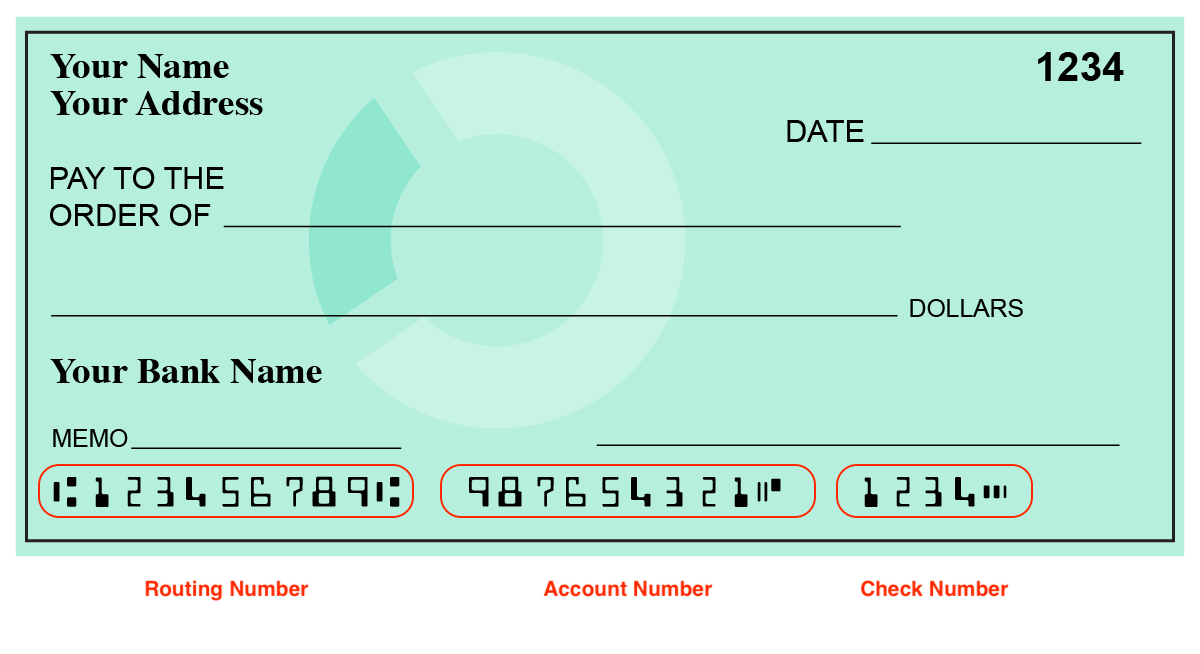
For many, the quickest and most traditional way to find your routing number is by looking at a physical check. On a standard check, you’ll find three sets of numbers printed at the bottom:
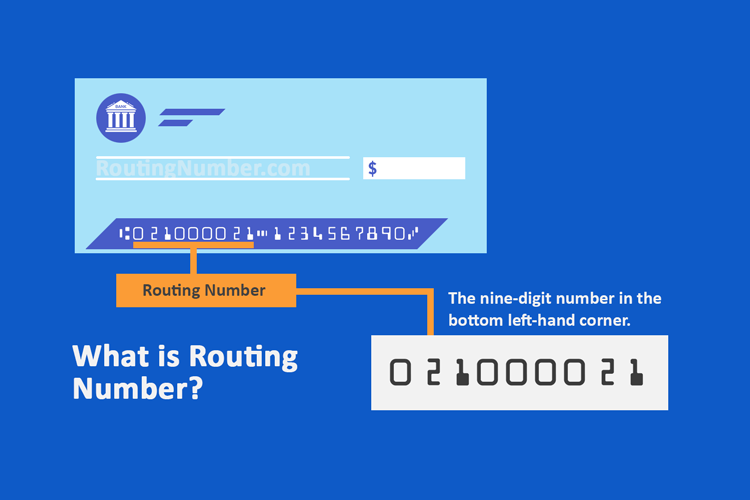
- The first set of nine digits on the left is typically your bank’s routing number.
- The middle set of numbers is your account number.
- The last set is the check number.
It’s important to note that if you have multiple accounts with the same bank, the routing number will likely be the same for all of them, but the account number will differ. Always double-check this placement, as very occasionally the order might vary slightly, especially on older or non-standard checks.
2. Log In to Your Online Banking Portal
In today’s digital age, your online banking portal is a treasure trove of information. Most banks make it very easy to find your routing number once you’ve logged into your account.
- Account Details Section: Navigate to your specific checking or savings account. There’s usually an “Account Details,” “Account Summary,” or “Account Information” section where you’ll find your routing number listed prominently, often alongside your account number.
- Statements: You can often view digital copies of your bank statements within your online portal. Your routing number is almost always displayed on these statements.
- Help or FAQ Section: Many banks include routing number information in their frequently asked questions or help sections.
3. Review Your Bank Statements
Whether you receive paper statements in the mail or access digital statements online, your routing number is almost always printed on them.
- Paper Statements: Look at the top or bottom of your statement, usually near your account number and other bank information.
- Digital Statements: Access these through your online banking portal or app. The layout will be similar to paper statements, with the routing number clearly visible. This method is particularly useful if you don’t have a physical checkbook or if you prefer a documented source.
4. Contact Your Bank Directly
When in doubt, or if you prefer direct verification, contacting your bank’s customer service is always a reliable option.
- Customer Service Hotline: Call the customer service number listed on your bank’s official website, the back of your debit card, or your bank statement. Be prepared to verify your identity with security questions, your account number, and possibly other personal details.
- Visit a Local Branch: If you’re near a physical branch, you can speak with a teller or customer service representative who can provide you with the correct routing number. Remember to bring a valid form of identification.
5. Use Your Bank’s Official Website or Mobile App
Beyond logging into your personal account, many banks provide general routing number information publicly on their official website or within their mobile app.
- Bank Website: Look for sections like “Contact Us,” “FAQ,” “About Us,” or use the search bar on the bank’s homepage. Often, they will have a dedicated page for “Routing Numbers” or “Direct Deposit Information.”
- Mobile App: Similar to the online portal, most banking apps will display your routing number within the account details or a specific information section.
Important Considerations When Using Your Routing Number
While finding your routing number is simple, using it correctly and securely is paramount for sound financial management.
Verifying the Correct Number: Accuracy is Key
It is absolutely critical to verify that you are using the correct routing number for your specific transaction. Banks sometimes have multiple routing numbers:
- Geographic Variations: Different routing numbers for branches in various states or regions.
- Transaction Types: A separate routing number might be used specifically for wire transfers versus standard ACH transactions. For international wire transfers, you might also need a SWIFT/BIC code in addition to a routing number.
- Mergers and Acquisitions: If your bank has recently merged with another institution, their routing numbers might change or be consolidated. Always confirm the current routing number after such events.
Using the wrong routing number can lead to delays in transactions, rejected payments, or, in rare cases, funds being sent to the wrong institution, which can be a significant hassle to rectify. Double-check any number you use, especially for large or time-sensitive transfers.
Security Best Practices: Protecting Your Financial Information
While a routing number alone is less sensitive than a full account number, sharing both together can expose you to risk. Always practice financial security diligence:
- Only Share with Trusted Parties: Provide your routing and account numbers only to legitimate entities that require them (e.g., your employer for direct deposit, a reputable biller for automatic payments, tax authorities).
- Use Secure Platforms: When entering these details online, ensure the website has “HTTPS” in its URL and a padlock icon, indicating a secure connection.
- Beware of Phishing Scams: Be wary of unsolicited requests for your routing and account numbers via email, text message, or phone calls. Banks will rarely ask for this sensitive information through unsecure channels.
- Monitor Your Accounts: Regularly review your bank statements and transaction history for any unauthorized activity.
- Shred Old Documents: Before discarding old checks, bank statements, or any other financial documents containing your routing and account numbers, shred them to prevent identity theft.
Special Cases: Wire Transfers vs. ACH
It’s worth reiterating the distinction between routing numbers for ACH transactions and wire transfers. While many banks use the same routing number for both, some large institutions might have different routing numbers designated specifically for incoming wire transfers. If you are initiating or expecting a wire transfer, always confirm the correct wire transfer routing number with your bank directly, as this can be critical for the successful completion of the transaction.
What if Your Bank Merges or Changes?
Bank mergers or acquisitions are common occurrences in the financial industry. When your bank merges with another, there’s often a transition period during which old routing numbers may still be valid, but eventually, new or consolidated routing numbers will take effect. Your bank will typically notify you well in advance of any such changes and provide instructions on what steps, if any, you need to take. It’s crucial to update your information with any entities making direct deposits or withdrawals if your routing number changes.
The Broader Financial Context of Routing Numbers
Beyond their functional utility, routing numbers play a significant role in the overall efficiency and security of the financial ecosystem, benefiting both individuals and institutions.
Streamlining Financial Transactions
The standardized use of nine-digit routing numbers, coupled with account numbers, has enabled the automation of countless financial transactions. This standardization is a cornerstone of the modern banking system, allowing for:
- Faster Processing: Electronic transfers are significantly quicker than traditional paper-based methods.
- Reduced Manual Errors: Automated systems minimize the risk of human error in routing funds.
- Enhanced Interoperability: Different financial institutions can seamlessly communicate and transfer funds, regardless of their size or location, thanks to this standardized identifier.
Preventing Errors and Fraud
While no system is entirely foolproof, routing numbers contribute to financial security by providing a clear, verifiable identifier for institutions. This structure aids in:
- Traceability: Every transaction can be traced back to its originating and receiving financial institution.
- Fraud Prevention: While fraudsters can exploit any system, the specific identification offered by routing numbers helps banks flag suspicious activity and facilitates investigations into fraudulent transactions. The accuracy required for the combination of routing and account numbers creates a barrier to casual fraud attempts.
Empowering Personal Financial Management
For individuals, knowing how to find and use their routing number empowers them to take greater control over their finances. It enables:
- Convenience: Easily set up recurring payments, direct deposits, and online transfers.
- Financial Autonomy: Manage your money how and when you want, without always needing to visit a physical branch or rely on paper checks.
- Preparedness: Be ready for any situation that requires this key piece of financial information, from setting up a new utility bill to receiving a tax refund.
In conclusion, your bank routing number is far more than just a sequence of digits; it is a fundamental pillar of your personal financial infrastructure. By understanding its purpose, knowing how to reliably locate it, and adhering to best practices for its use and security, you equip yourself with the knowledge necessary to manage your money efficiently and securely in an increasingly digital world. Keep this guide handy, and you’ll never be left wondering, “How can I find my bank routing number?” again.
aViewFromTheCave is a participant in the Amazon Services LLC Associates Program, an affiliate advertising program designed to provide a means for sites to earn advertising fees by advertising and linking to Amazon.com. Amazon, the Amazon logo, AmazonSupply, and the AmazonSupply logo are trademarks of Amazon.com, Inc. or its affiliates. As an Amazon Associate we earn affiliate commissions from qualifying purchases.