
In the intricate landscape of personal finance, managing bank accounts effectively is a cornerstone of fiscal health. While opening a new checking account is often met with anticipation and the promise of convenience, the decision to close one, especially with a major institution like Chase, requires careful consideration and a systematic approach. Whether driven by a pursuit of better banking features, a desire to consolidate finances, or simply a need to simplify, understanding the precise steps involved in closing a Chase checking account is crucial to avoid unforeseen fees, complications, and potential long-term issues.
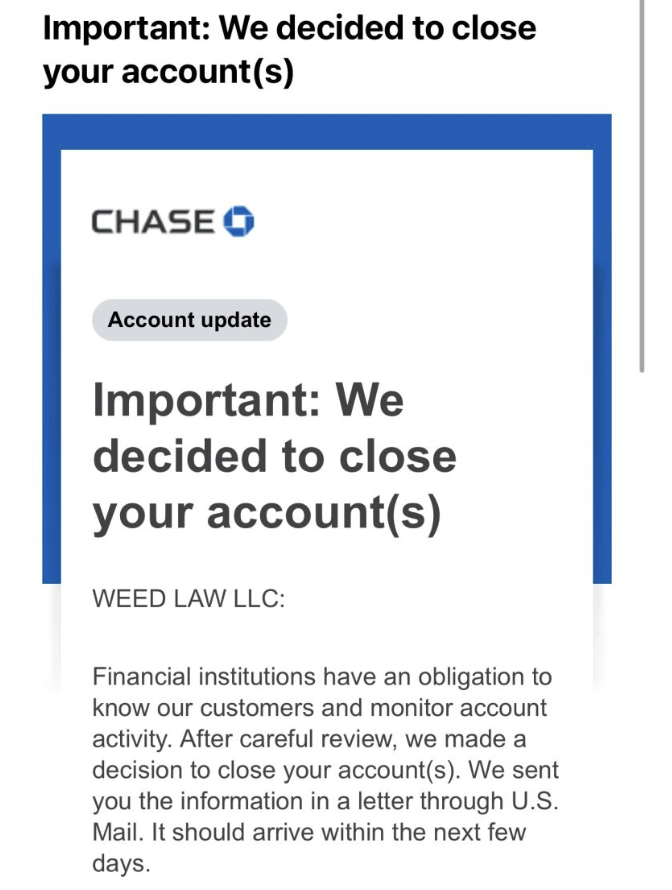
This guide provides an insightful, step-by-step roadmap for navigating the account closure process at Chase. We’ll delve into the motivations behind such a decision, the critical preparatory measures, the actual methods of closure, and essential post-closure considerations. Our aim is to equip you with the knowledge to execute this financial maneuver smoothly, ensuring your financial transition is as seamless and stress-free as possible, safeguarding your financial reputation and peace of mind.
Why You Might Consider Closing Your Chase Checking Account
Deciding to close a long-standing financial relationship, even a checking account, is rarely made lightly. Several compelling reasons often prompt individuals to take this significant step, each rooted in a broader strategy for improved financial management. Understanding these motivations can help contextualize your own decision and affirm its validity.
Avoiding Fees and Maintaining Financial Health
One of the most common drivers for closing an account is the desire to avoid recurring fees that no longer align with your banking habits or financial capacity. Many checking accounts come with monthly service fees that can be waived if certain conditions are met, such as maintaining a minimum daily balance, setting up direct deposits, or having a linked Chase credit card or mortgage. If your financial situation changes and you can no longer meet these requirements, these fees can quickly erode your account balance, turning what should be a utilitarian tool into a liability. For instance, a basic Chase checking account might have a monthly service fee that could add up significantly over a year if not waived. By closing an account that consistently incurs charges, you directly protect your financial resources and prevent unnecessary outflows. This proactive measure is a fundamental aspect of maintaining robust financial health, ensuring every dollar in your account serves its intended purpose rather than being siphoned off by avoidable charges.
Consolidating Accounts and Streamlining Finances
As individuals progress through different life stages, it’s not uncommon to accumulate multiple bank accounts from various institutions. This often happens due to promotional offers, changing employment, or simply opening new accounts without closing old ones. While having multiple accounts can offer flexibility, it can also lead to fragmented financial oversight. Managing several logins, keeping track of different balances, and monitoring statements from various banks can become an administrative burden. Consolidating your checking accounts into one or two primary accounts at an institution that best meets your current needs can significantly streamline your financial life. This simplification reduces the chances of overlooking suspicious activity, simplifies budgeting, and makes it easier to gain a holistic view of your cash flow. For instance, having a primary Chase account for daily transactions and a high-yield savings account elsewhere might be more efficient than having multiple checking accounts with different banks. The act of closing an extraneous Chase account contributes directly to this streamlined, efficient financial architecture.
Dissatisfaction with Services or Seeking Better Options
Banking is a highly competitive industry, and financial institutions are constantly evolving their offerings. You might find that Chase’s services, digital tools, customer support, or branch accessibility no longer meet your evolving expectations or specific needs. Perhaps a competitor offers a higher interest rate on checking balances, more robust online budgeting tools, fee-free ATM access globally, or a branch network that is more convenient for your current location. Maybe a recent customer service interaction left you feeling undervalued, or a policy change no longer aligns with your financial philosophy. Exploring and moving to a bank that offers superior benefits, more personalized service, or innovative features can be a powerful incentive to close your current Chase account. This is a common and healthy aspect of consumer choice, ensuring you align with a financial partner that genuinely supports your financial journey. Making a conscious decision to seek out and transition to a “better fit” institution is an empowering step in personal financial management.
Essential Preparatory Steps Before Closing Your Account
Closing a checking account is not merely about emptying the funds and informing the bank. It’s a multi-faceted process that requires meticulous preparation to prevent financial disruption. Rushing this stage can lead to bounced payments, missed deposits, and other administrative headaches.
Transferring Funds and Settling Debts
Before initiating the closure process, ensure all funds from your Chase checking account are transferred to your new primary account or another designated safe haven. This can be done via an ACH transfer, wire transfer, or by withdrawing cash, though large cash withdrawals might require prior notification. Crucially, verify that all outstanding checks have cleared and any pending debits or credits have posted. Forgetting about a check you wrote last week could result in it bouncing after your account is closed, leading to fees for both you and the recipient. Similarly, ensure any linked lines of credit, overdraft protection, or small loans associated with that specific checking account are fully paid off or transferred to another account. A common oversight is forgetting about a small auto-pay loan that draws from the account, which can cause significant issues if not addressed.
Updating Direct Deposits and Automatic Payments
This is perhaps the most critical preparatory step. Almost every checking account is intertwined with various recurring financial transactions. Compile a comprehensive list of all direct deposits (e.g., salary, government benefits, investment dividends) and automatic payments (e.g., utility bills, mortgage/rent, subscriptions, loan payments, insurance premiums).
- Direct Deposits: Contact your employer’s HR or payroll department, government agencies, or investment firms to update your direct deposit information to your new account. Allow ample time for these changes to take effect, often one or two pay cycles.
- Automatic Payments: Log into each service provider’s portal (e.g., Netflix, gym membership, internet provider, credit card companies) and update your payment method to your new checking account or a different card. This process can be time-consuming but is vital to prevent late fees, service interruptions, and potential damage to your credit score if critical payments are missed. Setting up reminders or using a financial aggregation tool can help ensure no recurring payment is overlooked.
Reviewing Transaction History and Downloading Statements
Even after an account is closed, you might need access to past transaction records for tax purposes, budgeting reviews, or personal reference. Chase typically provides access to statements for a certain period after closure, but it’s always best practice to download and save digital copies of your last few years’ statements before the account is officially shut down. Log into your Chase online banking portal and download all relevant statements and transaction history. This proactive measure ensures you have an independent, accessible record of your financial activity, preventing the need to request old statements from the bank, which can sometimes incur fees or be a cumbersome process.
Emptying Your Account Balance
While Chase generally requires a zero balance to close an account, it’s wise to leave a small buffer, perhaps a dollar or two, until the final closure confirmation. This can absorb any tiny residual fees or interest adjustments that might post at the last minute. Once you receive confirmation that all pending transactions have cleared and the balance is definitively zero, you can then transfer any remaining minimal funds or formally close the account. Ensure any linked savings accounts or other internal transfers are also completed, as a zero balance is paramount for a smooth closure.
The Step-by-Step Process for Closing Your Chase Account
Once you’ve completed all preparatory steps, you’re ready to initiate the actual closure. Chase offers several convenient methods, and understanding the nuances of each can help you choose the best approach for your circumstances.
Online, Phone, or In-Person: Choosing Your Method
Chase, like many large banks, provides multiple avenues for account closure. Each has its pros and cons:
- Online: While Chase allows many account management features online, closing a checking account typically requires more direct interaction due to verification and finalization. It might be possible to initiate the request online for certain account types, but often a call or branch visit will be required to finalize. Some online banking platforms might have a “Secure Message” option where you can express your intent, but expect a follow-up call or a requirement for a physical signature.
- Phone: Calling Chase customer service is often a straightforward and efficient method. You’ll need to verify your identity thoroughly, providing account numbers, personal details, and possibly answering security questions. A representative will guide you through the process, confirm your balance is zero, and initiate the closure. This method is convenient if you prefer not to visit a branch but still want real-time confirmation and interaction. Ensure you have your account number and personal identification ready. Request a confirmation number or email for your records.
- In-Person (Branch Visit): Visiting a local Chase branch is often considered the most secure and definitive way to close an account. You can speak directly with a banker, ask any lingering questions, and receive immediate confirmation of the closure. Bring a valid government-issued ID (driver’s license, passport) and your Chase debit card. The banker can verify your identity, confirm the zero balance, and process the closure on the spot. This also allows you to handle any remaining funds if there was a slight positive balance, often by receiving a cashier’s check. This method provides tangible proof of interaction and closure.

Required Information and Verification
Regardless of the method chosen, robust identity verification is paramount for security reasons. You will typically need:
- Your Chase checking account number.
- Your full name and address as registered with Chase.
- Your Social Security Number (SSN).
- A valid government-issued photo ID (if closing in person).
- Answers to security questions or your online banking login credentials.
Be prepared for a thorough verification process; it’s designed to protect your assets.
Confirming Closure and Receiving Documentation
Crucially, do not assume the account is closed until you receive explicit confirmation. After initiating the closure, ask for a confirmation number or, even better, request written confirmation via email or postal mail. This document serves as your official proof that the account has been successfully closed. Without this, there’s always a risk of an oversight or delay that could leave the account open and potentially accruing fees. Keep this confirmation safe with your other important financial documents. It’s prudent to check your new account for any activity related to the old Chase account for a few weeks to ensure all transitions were smooth.
Important Considerations Post-Closure
The journey doesn’t end the moment you receive closure confirmation. A few crucial post-closure steps and considerations can safeguard your financial well-being and prevent future complications.
Monitoring for Lingering Transactions
Even after official closure, it’s wise to monitor your new primary account and the old Chase account (if online access temporarily remains) for a few weeks. Occasionally, a slow-posting transaction, an uncancelled automatic payment, or an overlooked direct deposit might still attempt to clear the closed account. If this happens, the transaction will likely be rejected, potentially incurring fees for the sender or causing service disruptions. Being vigilant allows you to quickly address and rectify any such occurrences by updating the sender with your new account details. This also includes keeping an eye on your credit reports to ensure no unexpected entries related to the closed account appear.
What to Do with Old Checks and Debit Cards
Once your Chase checking account is officially closed, all associated debit cards, unused checks, and deposit slips become obsolete. These items pose a security risk if they fall into the wrong hands. It is highly recommended to destroy them securely.
- Debit Cards: Cut through the magnetic stripe, chip, and account number.
- Checks and Deposit Slips: Shred them using a cross-cut shredder, or otherwise render them illegible. Do not simply throw them in the trash. This prevents potential identity theft or fraudulent use of your old account information.
Impact on Credit Score (Generally Minimal for Checking Accounts)
A common concern is whether closing a checking account will affect your credit score. The good news is that closing a checking account generally has no direct impact on your credit score. Checking accounts are not credit products; they are deposit accounts and are not reported to the major credit bureaus (Experian, Equifax, TransUnion) in the same way credit cards or loans are.
However, indirect impacts can occur if the closure is mishandled:
- Overdrafts: If you close an account with a negative balance or cause an overdraft due to a missed payment during the closure process, this could lead to the bank reporting negative information to specialized consumer reporting agencies like ChexSystems. While not a traditional credit bureau, ChexSystems tracks banking account activity and can make it difficult to open new checking accounts at other institutions in the future.
- Missed Payments: If automatic bill payments tied to the closed account fail, leading to late or missed payments on credit cards, loans, or utilities, these missed payments will negatively affect your credit score.
Therefore, while the act of closing itself doesn’t hurt credit, the process must be managed carefully to avoid these secondary effects.
Potential Repercussions and How to Avoid Them (e.g., ChexSystems)
The primary “repercussion” of a poorly managed checking account closure is ending up on ChexSystems. ChexSystems is a consumer reporting agency that banks use to assess risk when individuals apply for new checking or savings accounts. If an account is closed with an outstanding negative balance, or if there’s evidence of fraudulent activity, the bank may report this to ChexSystems. A negative entry on ChexSystems can make it challenging, if not impossible, to open a new checking account at another financial institution for several years.
To avoid this:
- Ensure a Zero Balance: Absolutely confirm your account has a zero balance before requesting closure.
- Handle Overdrafts Promptly: If an overdraft occurs, pay it immediately.
- Verify All Transactions Clear: Give ample time for all checks, debits, and credits to post before closing.
- Get Confirmation: Obtain written confirmation of closure and keep it on file.
By meticulously following the preparatory and closure steps, you can avoid these pitfalls and ensure your banking history remains clean and unblemished, preserving your ability to access financial services in the future.
Alternatives to Full Account Closure
Sometimes, closing an account outright isn’t the only or even the best solution. Chase, like other large banks, offers alternatives that might address your concerns without severing the relationship entirely, especially if you value certain aspects of banking with them.
Downgrading Account Types
If your primary concern is recurring fees or minimum balance requirements, consider whether downgrading to a different type of Chase checking account could be a viable alternative. Chase offers various checking options, some of which have lower or no monthly service fees under simpler conditions, or fewer perks but also fewer strings attached. For example, you might be able to downgrade from a “Chase Premier Plus Checking” to a “Chase Total Checking” or even a basic “Chase Secure Banking” account, which often has a flat, smaller monthly fee and no minimum balance requirement. This allows you to maintain a relationship with Chase, retain access to their extensive ATM network and online banking platform, while mitigating the specific issues that were prompting you to close the account. Discuss this option with a Chase banker, explaining your reasons for wanting to close the account, as they might suggest a suitable alternative.
Exploring Other Chase Products
Perhaps your dissatisfaction isn’t with Chase as an institution, but specifically with your checking account. Chase offers a vast array of financial products, including various savings accounts, credit cards, investment accounts, and loan products. If you’re otherwise happy with Chase’s overall services or have other accounts with them, consider keeping a minimal checking account open (perhaps a downgraded version) and exploring other Chase products to better meet your evolving needs. For instance, if you’re looking for better interest rates, a Chase savings account might offer competitive rates or the convenience of being linked to your existing banking profile. This approach maintains your banking relationship and potentially leverages benefits from multiple Chase products.
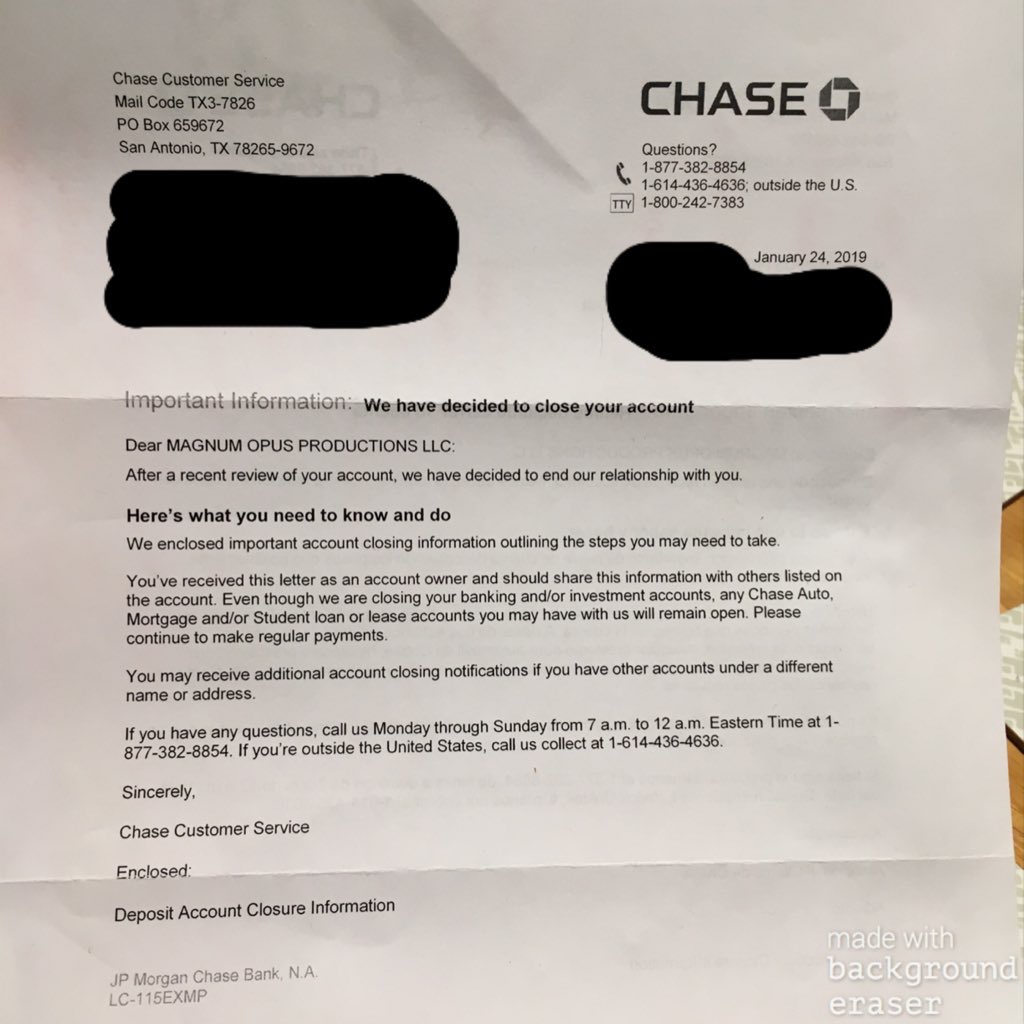
Using a Secondary Account
If you’re not ready to commit fully to another bank but want to experiment, or if you simply need a separate account for a specific purpose (e.g., a dedicated account for a side hustle, joint expenses), consider opening a secondary checking account elsewhere while keeping your Chase account active. This allows you to test the waters with a new institution without fully disconnecting from Chase. You can gradually shift direct deposits and automatic payments to the new account, giving you flexibility and a safety net. This strategy provides a transitional phase, allowing you to compare services and decide definitively which banking relationship best serves your long-term financial goals before making any irreversible decisions regarding your Chase account.
Ultimately, whether you choose to close your Chase checking account or explore an alternative, the key is informed decision-making. By understanding the reasons, following the proper steps, and being mindful of post-closure considerations, you can ensure a smooth transition that aligns perfectly with your financial objectives, reinforcing your journey towards robust and well-managed personal finance.
aViewFromTheCave is a participant in the Amazon Services LLC Associates Program, an affiliate advertising program designed to provide a means for sites to earn advertising fees by advertising and linking to Amazon.com. Amazon, the Amazon logo, AmazonSupply, and the AmazonSupply logo are trademarks of Amazon.com, Inc. or its affiliates. As an Amazon Associate we earn affiliate commissions from qualifying purchases.