
JPMorgan Chase & Co. stands as a colossus in the global financial landscape, a name synonymous with comprehensive banking, astute investment, and expansive wealth management. More than just a bank, it is a diversified financial services firm that plays a pivotal role in the world’s economy, serving millions of customers, from individual consumers and small businesses to large corporations, institutions, and governments across the globe. Understanding “what is JPMorgan Chase” involves delving into its rich history, its multifaceted operations, and its profound impact on the financial systems that underpin modern commerce and personal wealth.
At its core, JPMorgan Chase is a leader in an incredibly broad spectrum of financial services. Its operations touch virtually every corner of the financial world, from enabling international trade and facilitating massive corporate mergers to helping individuals save for retirement and manage their daily finances. It is a critical nexus for capital formation, investment, and financial stability, making it an indispensable component of the modern financial infrastructure. For investors, businesses, and individuals alike, comprehending the scope and function of JPMorgan Chase is key to understanding the mechanisms of global finance.

A Global Financial Behemoth: Defining JPMorgan Chase
JPMorgan Chase is not merely a collection of banks; it is a meticulously constructed financial ecosystem built through centuries of strategic growth, innovation, and consolidation. It represents the pinnacle of integrated financial services, offering an unparalleled depth and breadth of expertise across numerous financial disciplines. Its sheer scale and operational reach position it as a systemic institution whose health and activity are closely watched indicators of the broader financial market.
Historical Roots and Evolution
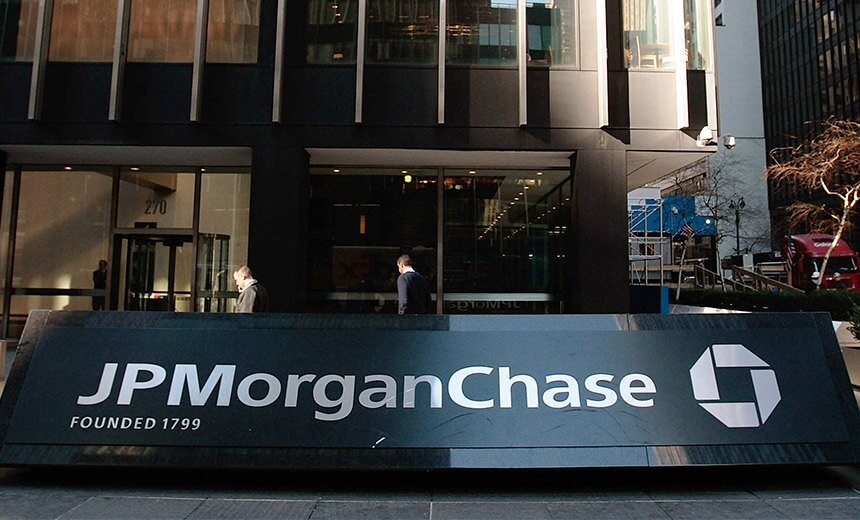
The lineage of JPMorgan Chase traces back over 200 years to the early American financial markets, a story replete with legendary figures and transformative mergers. Its foundation is a mosaic of several venerable financial institutions, each contributing a unique legacy. Key among these are J.P. Morgan & Co., founded by the famed financier John Pierpont Morgan, which emerged as a dominant force in investment banking and industrial financing during the late 19th and early 20th centuries. Other critical components include the Chase Manhattan Bank, with roots dating back to the Manhattan Company founded by Aaron Burr in 1799, which grew into a retail and commercial banking powerhouse.
The modern JPMorgan Chase & Co. was forged through a series of landmark mergers, most notably the 2000 combination of J.P. Morgan & Co. and Chase Manhattan Corporation. Subsequent acquisitions, such as that of Bank One in 2004 and the swift, decisive purchase of Bear Stearns and Washington Mutual during the 2008 financial crisis, further solidified its position. This relentless evolution, marked by strategic acquisitions and organic growth, transformed a collection of storied names into the modern financial titan it is today, possessing deep expertise across every facet of finance. This historical trajectory underscores a continuous adaptation to market demands and a strategic drive to build an integrated financial services provider capable of addressing the complex needs of a globalized economy.
Scale and Scope
The sheer scale of JPMorgan Chase is staggering. As one of the largest banks in the United States and indeed the world, it routinely ranks among the top financial institutions by assets, market capitalization, and profitability. Its operations span over 100 countries, employing hundreds of thousands of professionals. This expansive global presence allows it to serve clients across diverse economies and regulatory environments, offering local expertise within a global framework.
In terms of financial metrics, JPMorgan Chase manages trillions of dollars in assets, processes trillions more in payments daily, and holds a significant share of the global trading volume across various asset classes. Its consumer banking arm serves tens of millions of households with a vast network of branches and ATMs, alongside robust digital banking platforms. For businesses, it provides critical financing, treasury services, and capital markets access that fuels growth and innovation. This immense scale not only reflects its market dominance but also underscores its vital role in the efficient functioning of global financial markets and the stability of the broader economic system.
Core Pillars of Financial Service
The diversified nature of JPMorgan Chase is its defining strength, allowing it to cater to a vast array of financial needs under a single, integrated umbrella. Its operations are broadly segmented into distinct, yet interconnected, business lines, each playing a crucial role in the financial ecosystem. These pillars demonstrate its commitment to comprehensive financial solutions for individuals, corporations, and institutions worldwide.
Investment Banking and Capital Markets
JPMorgan’s Investment Bank is consistently ranked among the world’s leading franchises, providing sophisticated financial advice and capital-raising capabilities to corporations, institutions, and governments. This division is at the heart of corporate finance, facilitating growth, restructuring, and strategic initiatives globally.
- Underwriting and Advisory: The Investment Bank acts as an intermediary between companies that need capital and investors who provide it. This includes advising on and underwriting initial public offerings (IPOs), secondary offerings, and debt issuances (bonds), helping companies access public and private markets for funding. Mergers & Acquisitions (M&A) advisory is another cornerstone, where the bank counsels clients on buying, selling, and merging businesses, providing valuation, structuring, and negotiation expertise.
- Sales & Trading: This function involves market-making activities, where the bank facilitates trading in a vast array of financial instruments, including equities, fixed income (bonds), currencies, commodities, and derivatives. Through its sophisticated trading platforms and global network, JPMorgan provides liquidity to markets, helping clients manage risk and execute complex trading strategies. This segment is crucial for price discovery and the efficient allocation of capital across global markets.
Commercial Banking and Treasury Services
The Commercial Banking division of JPMorgan Chase serves a broad spectrum of clients, from mid-sized companies to large corporations, financial institutions, and government entities. It provides essential financial services that underpin the day-to-day operations and strategic growth of businesses.
- Lending and Credit Solutions: This includes providing term loans, revolving credit facilities, and other financing options tailored to the specific needs of commercial clients, ranging from working capital to expansion projects. It also extends credit for real estate and equipment financing, supporting economic development and business expansion.
- Treasury Services (Payments and Cash Management): JPMorgan Chase is a global leader in treasury services, offering comprehensive solutions for managing cash flow, payments, and liquidity. This involves processing vast volumes of payments (wire transfers, ACH, checks), managing foreign exchange exposures, and providing sophisticated tools for cash positioning and forecasting. These services are vital for businesses to operate efficiently, manage their balance sheets, and ensure the smooth flow of funds across their operations globally.
Asset & Wealth Management
This segment is dedicated to helping individuals, families, and institutions manage and grow their wealth, offering a range of investment products and personalized financial advice. It encompasses both institutional asset management and private banking services.

- Institutional Asset Management: JPMorgan Asset Management is a significant global investor, managing trillions of dollars in assets across various strategies, including equities, fixed income, alternatives (like private equity and hedge funds), and multi-asset solutions. These funds are managed for pension funds, endowments, foundations, and sovereign wealth funds, aiming to deliver strong, risk-adjusted returns to meet long-term financial objectives.
- Private Banking and Wealth Management: J.P. Morgan Private Bank caters to high-net-worth and ultra-high-net-worth individuals and families, offering highly personalized wealth management services. This includes comprehensive financial planning, investment management, trust and estate planning, philanthropic advisory, and specialized lending solutions. The focus is on preserving and growing capital across generations, providing tailored strategies that address complex financial needs and legacies.
Consumer & Community Banking
This is the most visible face of JPMorgan Chase for the general public, providing a full suite of banking services to millions of consumers and small businesses across the United States.
- Retail Banking: Through its extensive branch network, ATMs, and digital channels, Chase offers checking and savings accounts, credit cards, mortgages, auto loans, and personal loans. These services are fundamental to personal finance, enabling individuals to manage their daily transactions, save for future goals, and access credit for major purchases. The emphasis on digital banking tools, mobile apps, and online platforms ensures convenient and secure access to financial services.
- Small Business Banking: Tailored solutions for small businesses include business checking and savings accounts, merchant services for payment processing, business credit cards, and small business loans. This segment plays a critical role in supporting entrepreneurship and local economies, providing the financial tools necessary for small enterprises to start, grow, and thrive.
JPMorgan Chase’s Role in the Global Economy
Beyond its specific financial services, JPMorgan Chase exerts a profound influence on the global economy, acting as a key driver of capital allocation, market stability, and economic growth. Its systemic importance means its operations and decisions have ripple effects that extend far beyond its immediate clients.
Facilitating Capital Flow
One of JPMorgan Chase’s most critical functions is its role in facilitating the flow of capital. By connecting investors with companies and governments in need of funding, it acts as a crucial intermediary in both primary and secondary markets. This ensures that capital is deployed efficiently to productive enterprises, fostering innovation, job creation, and economic expansion. Whether it’s helping a developing nation issue bonds to fund infrastructure projects or assisting a tech startup with an IPO to scale its operations, the bank’s capabilities are essential for capital formation and efficient resource allocation. Its global network also enables cross-border investment, facilitating international trade and economic integration.
Economic Impact and Stability
Given its size and reach, JPMorgan Chase is deemed a globally systemically important bank (G-SIB). This designation reflects its critical role in maintaining financial stability. The bank contributes significantly to economic activity through its lending practices, investment activities, and the sheer volume of transactions it processes. Its robust risk management frameworks and compliance with stringent regulatory standards are vital for preventing financial contagion and ensuring the resilience of the broader financial system. By providing liquidity to markets during times of stress and maintaining robust operations, it helps to buffer against economic shocks and supports confidence in financial institutions worldwide. The hundreds of thousands of jobs it directly creates, alongside the broader economic activity it supports, further highlight its substantial impact.
Navigating the Modern Financial Landscape
The financial industry is in a constant state of flux, driven by technological innovation, evolving customer expectations, and dynamic regulatory environments. JPMorgan Chase, like all major financial institutions, must continuously adapt to these changes to maintain its leadership position and serve its clients effectively.
Regulatory Environment and Compliance
Operating at such a grand scale means navigating an incredibly complex and ever-tightening global regulatory landscape. Following the 2008 financial crisis, banks like JPMorgan Chase faced intensified scrutiny and significant regulatory reforms, including Dodd-Frank in the U.S. and Basel III internationally. Compliance with these regulations—covering capital requirements, liquidity rules, consumer protection, anti-money laundering (AML), and sanctions—requires immense resources and sophisticated internal controls. The bank invests heavily in robust compliance frameworks and technology to meet these stringent requirements, recognizing that regulatory adherence is not just a legal obligation but also a cornerstone of trust and stability in the financial system. The cost of compliance and the potential for regulatory penalties are substantial factors in its operational strategy and risk management.
Technological Advancements and FinTech Integration
The digital revolution has profoundly impacted the banking sector, giving rise to FinTech (financial technology) innovators and reshaping customer expectations. JPMorgan Chase has responded by making substantial investments in technology, recognizing that innovation is key to competitive advantage. This involves developing cutting-edge digital banking platforms, enhancing cybersecurity measures, and leveraging data analytics and artificial intelligence to improve customer experience, personalize financial products, and optimize internal operations.
While embracing internal innovation, the bank also strategically engages with the broader FinTech ecosystem. This includes partnerships with FinTech startups, investments through its corporate venture capital arm, and the adoption of new technologies like blockchain for specific applications such, as interbank payments and settlements. The goal is to harness technology not just for efficiency, but to create more agile, secure, and client-centric financial tools and services, ensuring it remains at the forefront of financial innovation. These technological advancements, critically, are viewed through the lens of enhancing financial products and services, making investing, managing wealth, and conducting business finance more accessible and efficient.
Sustainability and Responsible Finance
In an increasingly environmentally and socially conscious world, responsible finance and sustainability have become paramount. JPMorgan Chase recognizes its role in fostering a more sustainable future, integrating environmental, social, and governance (ESG) considerations into its business practices and investment strategies.
This involves financing green initiatives, such as renewable energy projects and sustainable infrastructure, and offering sustainable investment products to clients in its asset and wealth management divisions. The bank also focuses on its own operational footprint, aiming to reduce its environmental impact. Furthermore, its commitment to community development, financial literacy programs, and diversity and inclusion initiatives reflects a broader understanding of its social responsibilities. These efforts are not only about corporate citizenship but are increasingly seen as critical for long-term risk management and value creation, aligning financial success with societal well-being and attracting ethically-minded investors and talent.
In conclusion, JPMorgan Chase is far more than just a financial institution; it is a complex, dynamic entity that sits at the very heart of the global financial system. From its storied past to its forward-looking strategies in technology and sustainability, it continues to shape the way the world manages money, invests capital, and conducts business. For anyone seeking to understand the intricate workings of modern finance, grasping the multifaceted identity and profound impact of JPMorgan Chase is an essential endeavor.
aViewFromTheCave is a participant in the Amazon Services LLC Associates Program, an affiliate advertising program designed to provide a means for sites to earn advertising fees by advertising and linking to Amazon.com. Amazon, the Amazon logo, AmazonSupply, and the AmazonSupply logo are trademarks of Amazon.com, Inc. or its affiliates. As an Amazon Associate we earn affiliate commissions from qualifying purchases.