
Securing a credit card, particularly from a prominent issuer like Capital One, is a significant step in managing your personal finances. For many, it’s an essential tool for building credit history, accessing emergency funds, and leveraging rewards programs. Capital One stands out for its wide array of offerings tailored to various credit profiles, from those just starting their credit journey to seasoned consumers seeking premium benefits. Understanding their application process, eligibility criteria, and diverse product line is crucial for a successful application and for maximizing the financial advantages a credit card can provide.
Understanding Capital One’s Diverse Credit Card Offerings
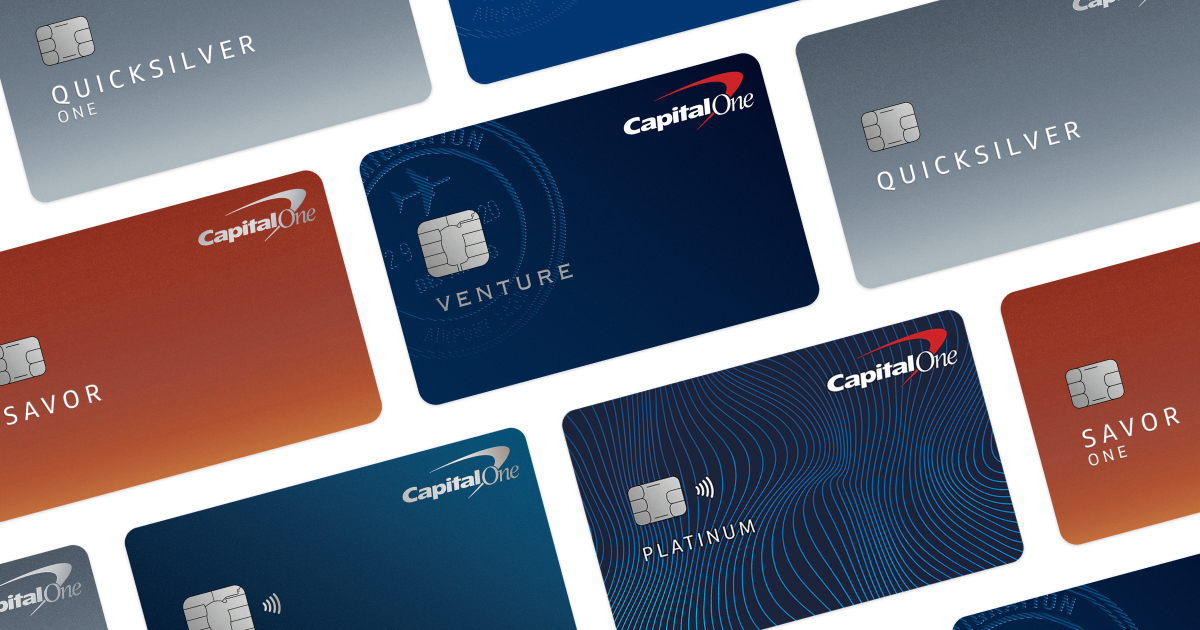
Capital One’s portfolio is designed to cater to a broad spectrum of financial needs and creditworthiness levels. Before applying, it’s financially prudent to assess which card type aligns best with your current credit standing and future financial goals.
Cards for Building and Rebuilding Credit
For individuals with limited or poor credit history, Capital One offers options specifically designed to help establish or repair credit. These cards are foundational financial tools, focusing on responsible usage to improve credit scores over time.
Secured Credit Cards
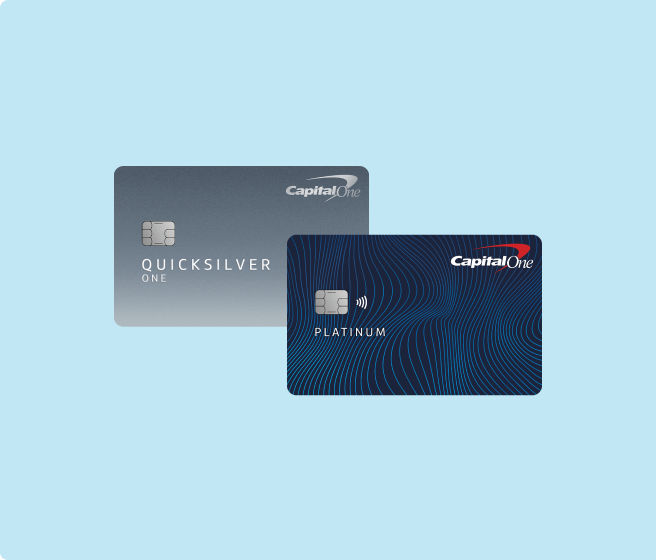
Capital One’s secured cards, such as the Capital One Platinum Secured, require a refundable security deposit, which often determines your credit limit. This deposit acts as collateral, mitigating risk for the issuer and making these cards accessible to those with lower credit scores. The financial benefit here is direct: consistent, on-time payments report to credit bureaus, positively impacting your payment history—the most significant factor in FICO score calculation. The goal is to graduate to an unsecured card, demonstrating improved financial responsibility.
Student Credit Cards
Targeted at college students, cards like the Capital One SavorOne Student Cash Rewards Credit Card offer an entry point into credit with more lenient approval criteria. They recognize that students often have limited income and no prior credit history. These cards not only provide spending power but also offer valuable financial education through practical experience. Building credit early can lead to better financial opportunities post-graduation, from renting an apartment to securing favorable loan terms.
Cards for Good to Excellent Credit
For consumers with established positive credit histories, Capital One presents a suite of cards rich with rewards, travel benefits, and lower interest rates. These cards are financial instruments designed to enhance spending power and provide tangible value through points, miles, or cash back.
Rewards and Cash Back Cards
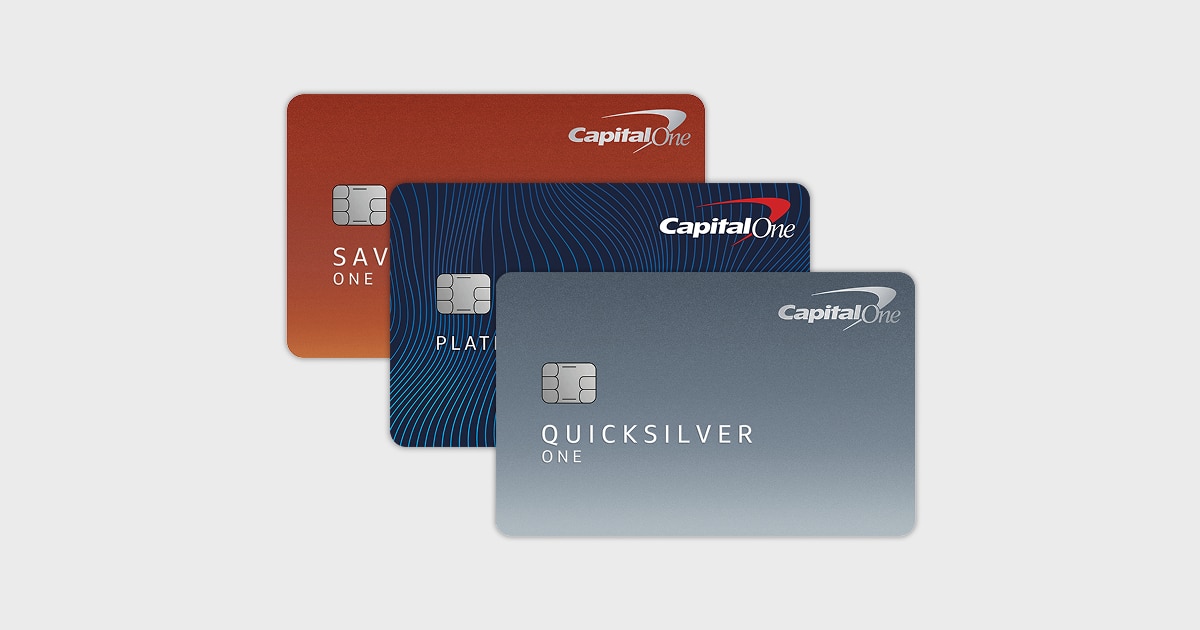
Cards like the Capital One Quicksilver and SavorOne Cash Rewards offer straightforward cash back on every purchase, with elevated rates in specific spending categories like dining and entertainment. From a financial perspective, these cards effectively give you a discount on your everyday spending, converting routine expenditures into financial returns. Maximizing these rewards requires understanding spending habits and aligning them with the card’s bonus categories.
Travel Rewards Cards
Capital One’s Venture and Spark Miles cards are popular among frequent travelers. They accrue miles on every dollar spent, which can be redeemed for flights, hotels, or transferred to airline partners. The financial strategy here is to leverage travel expenses or significant purchases to accumulate miles quickly, offsetting the cost of future travel and providing substantial savings. Annual fees, while present on some premium travel cards, are often justified by the value of the rewards and benefits, such as lounge access or travel insurance, when used effectively.
Business Credit Cards
Capital One also supports small business owners with a range of business credit cards. These cards are crucial financial tools for managing business expenses, tracking spending, and often come with higher credit limits and business-specific rewards. Separating personal and business finances with a dedicated card simplifies accounting, streamlines tax preparation, and can help establish business credit, which is distinct from personal credit.
Preparing for Your Application: What Capital One Looks For
Before submitting an application, a thorough self-assessment of your financial profile is essential. Capital One, like all lenders, evaluates several key factors to determine your creditworthiness and the risk associated with extending credit. Understanding these factors can significantly improve your chances of approval.
Credit Score as a Key Factor
Your credit score, typically a FICO score, is a numerical representation of your credit risk. Capital One uses this score as a primary indicator of your past financial behavior.
- Fair Credit (580-669): You might be eligible for secured cards or those designed for building credit.
- Good Credit (670-739): Opens doors to a wider range of unsecured cards, including many cash back and basic travel rewards cards.
- Excellent Credit (740-850): Qualifies you for premium rewards cards with the best interest rates and highest credit limits, reflecting a history of exceptional financial management.
A higher credit score signals lower risk to Capital One, often leading to more favorable terms, including lower Annual Percentage Rates (APRs) and more attractive rewards.
Income and Debt-to-Income Ratio
Capital One needs assurance that you have the financial capacity to repay any credit extended.
- Income: Your reported income demonstrates your ability to make payments. This includes not only salary but also other verifiable sources like investment income, retirement benefits, or government assistance. While there’s no strict minimum, a steady and sufficient income is vital.
- Debt-to-Income (DTI) Ratio: This ratio compares your total monthly debt payments to your gross monthly income. A high DTI indicates that a significant portion of your income is already committed to existing debts, which can make lenders hesitant to extend additional credit. Capital One assesses DTI to ensure you aren’t over-leveraged, thereby protecting both you and them from financial strain.
Credit History Length and Mix
The duration and diversity of your credit accounts provide valuable insights into your financial habits.
- Length of Credit History: A longer credit history with responsible usage demonstrates a sustained pattern of financial reliability. For those new to credit, this factor is harder to meet, which is why secured or student cards are crucial first steps.
- Credit Mix: Having a mix of different credit types (e.g., credit cards, auto loans, mortgages) shows you can manage various forms of debt responsibly. However, the absence of a diverse mix isn’t necessarily a disqualifier, especially for entry-level cards.
Other Financial Considerations
Capital One also reviews public records for adverse financial events. Bankruptcies, foreclosures, or significant judgments can severely impact your creditworthiness and make approval challenging for several years. Late payments and defaults on previous credit obligations are also heavily weighed. These factors indicate a higher financial risk and may lead to denial or only eligibility for products designed for credit rebuilding.
Navigating the Capital One Application Process
Applying for a Capital One credit card involves a few straightforward steps, but understanding the nuances of pre-qualification versus a full application is critical for strategic financial planning.
Pre-Qualification vs. Full Application
This distinction is a key financial consideration for potential applicants.
- Pre-Qualification: Capital One offers a pre-qualification tool on its website. By providing some basic personal and financial information, you can see which cards you’re likely to be approved for without a hard inquiry on your credit report. A hard inquiry can temporarily ding your credit score, so pre-qualification is a financially savvy way to gauge your eligibility without immediate risk. It involves a soft pull of your credit report, which does not affect your score.
- Full Application: If you pre-qualify or decide to apply directly, you’ll undergo a full application process. This typically results in a hard inquiry on your credit report, which will appear on your report and might slightly lower your score for a short period. This is the stage where Capital One makes a final decision based on a comprehensive review of your credit and financial profile.
Step-by-Step Online Application Guide
The online application for a Capital One credit card is designed to be user-friendly, typically taking only a few minutes to complete. You will need to provide:
- Personal Information: Full name, date of birth, Social Security Number (SSN) or Individual Taxpayer Identification Number (ITIN), and contact information (address, phone, email).
- Financial Information: Your total gross annual income, employment status, and primary bank account details. Capital One uses this to assess your ability to repay.
- Housing Information: Your monthly rent or mortgage payment. This contributes to the assessment of your debt-to-income ratio.
- Other Details: You might be asked about other financial obligations or assets, which further helps Capital One build a complete financial picture.
Ensuring all information is accurate and consistent with your financial records is paramount to avoid delays or potential rejections.
Understanding the Terms and Conditions
Before submitting your application and certainly before activating any card, it is financially imperative to thoroughly review the card’s terms and conditions. This document outlines:
- Annual Percentage Rate (APR): This is the interest rate you’ll pay on balances carried over month-to-month. Capital One offers different APRs based on creditworthiness, so understanding yours is key to managing the cost of borrowing.
- Annual Fees: Some premium cards come with an annual fee. You must weigh whether the card’s rewards and benefits financially justify this cost.
- Late Payment Fees and Other Penalties: Be aware of the financial consequences of missed payments or exceeding your credit limit.
- Rewards Structure and Redemption: Understand how rewards are earned, their value, and how they can be redeemed to maximize your financial benefit.
A clear understanding of these terms helps prevent unexpected financial charges and allows you to use the card strategically to support your financial goals.
Responsible Credit Card Management with Capital One
Once you’ve secured a Capital One credit card, responsible management is paramount for building a strong financial future, maximizing benefits, and avoiding unnecessary costs. This isn’t just about avoiding debt; it’s about leveraging a financial tool effectively.
Paying Your Bills On Time and In Full
This is the cornerstone of responsible credit card use and excellent financial health.
- Avoiding Interest Charges: By paying your statement balance in full each month, you avoid accruing interest on your purchases. Credit cards typically have a grace period (usually 21-25 days) between your statement date and the payment due date, during which no interest is charged if the previous balance was paid in full. This allows you to essentially use the bank’s money interest-free for a period.
- Building Positive Payment History: On-time payments are the most significant factor in your credit score calculation. Consistently paying on time demonstrates reliability to credit bureaus and future lenders, paving the way for better financial products and lower interest rates on loans.
- Avoiding Late Fees: Capital One, like other issuers, charges late fees which can add up quickly, diminishing your financial resources.
Keeping Your Credit Utilization Low
Credit utilization refers to the amount of credit you’re using compared to your total available credit (e.g., if you have a $5,000 limit and carry a $1,000 balance, your utilization is 20%).
- Impact on Credit Score: Financial experts generally recommend keeping your credit utilization below 30%—ideally even lower. High utilization signals that you might be relying too heavily on credit, which can negatively impact your credit score and make you appear riskier to lenders.
- Financial Flexibility: Maintaining low utilization means you have more available credit for emergencies or large planned purchases, providing greater financial flexibility.
Monitoring Your Statements and Credit Score
Vigilance is key in managing your financial instruments.
- Preventing Fraud: Regularly reviewing your monthly statements for unauthorized transactions can help you quickly identify and report potential fraud, protecting your financial assets. Capital One offers various fraud protection measures, but your active monitoring is an additional layer of defense.
- Identifying Errors: Mistakes can happen, and sometimes incorrect charges or reporting errors appear on your statement or credit report. Promptly disputing these can prevent financial inaccuracies from affecting your credit and wallet.
- Tracking Financial Progress: Monitoring your credit score regularly allows you to see the tangible results of your responsible credit habits. Many Capital One cards offer free credit score access, a valuable financial tool for self-assessment.
Leveraging Card Benefits Wisely
A Capital One credit card is more than just a payment method; it’s a financial tool offering various benefits.
- Maximizing Rewards: Understand your card’s rewards structure and use it strategically. For example, use a card that offers accelerated rewards on groceries for your grocery shopping. Redeeming rewards for cash back, travel, or gift cards can provide substantial financial value, effectively reducing your overall spending.
- Utilizing Protections: Many Capital One cards offer purchase protection, extended warranties, travel insurance, or car rental insurance. Being aware of these benefits can save you money by not having to purchase separate insurance or by covering unforeseen financial costs.
- Budgeting Aid: Using a credit card for all your spending can simplify budgeting by providing a single, consolidated record of your expenditures each month. However, this only works if you consistently pay off your balance.
Alternatives and Next Steps if Denied
Receiving a credit card denial can be disappointing, but it’s not a permanent roadblock. It’s an opportunity to understand specific financial weaknesses and formulate a plan for improvement.
Understanding the Denial Letter
Capital One is legally required to send an Adverse Action Notice (denial letter) detailing the specific reasons for your application’s rejection. This letter is a crucial financial document. It will highlight the exact factors that led to the denial, such as:
- Low Credit Score: Your score might be below their minimum threshold for the specific card you applied for.
- High Debt-to-Income Ratio: You may have too much existing debt relative to your income.
- Insufficient Income: Your income might not meet their requirements, especially for higher-tier cards.
- Limited Credit History: Not enough established credit to assess your risk.
- Recent Delinquencies or Bankruptcies: Adverse marks on your credit report.
Analyze these reasons carefully, as they point directly to areas of your financial profile that need attention.
Rebuilding Your Financial Profile
Armed with the information from the denial letter, you can implement targeted financial strategies:
- Improve Your Credit Score:
- Pay All Bills On Time: This is the most impactful step. Ensure all credit card payments, loan installments, and other bills are paid by their due dates.
- Reduce Existing Debt: Focus on paying down high-interest debt, which will lower your credit utilization ratio and DTI, both positively affecting your score.
- Consider a Secured Credit Card (Again): If you were denied an unsecured card, re-applying for a Capital One secured card (like the Platinum Secured) is an excellent strategy. It allows you to build a positive payment history and utilization ratio, demonstrating financial responsibility.
- Become an Authorized User: If a trusted family member with excellent credit is willing, becoming an authorized user on their account can help you piggyback on their positive credit history, provided they manage their finances responsibly.
- Increase Your Income or Decrease Expenses: If income was a factor, explore ways to increase your earnings or reduce your fixed expenses to improve your DTI ratio. This could involve a side hustle, negotiating a raise, or reviewing your budget for areas to cut back.
- Dispute Errors on Your Credit Report: Obtain free copies of your credit report from Equifax, Experian, and Transunion. If you find any inaccuracies, dispute them immediately, as errors can unfairly drag down your score.
Exploring Other Financial Products
While improving your credit, consider other financial tools that can help you reach your goals:
- Budgeting Tools: Apps and software can help you track spending, set financial goals, and manage your money more effectively, which is foundational for credit improvement.
- Savings Accounts: Building an emergency fund provides a financial safety net, reducing the reliance on credit in unforeseen circumstances.
- Credit-Builder Loans: Some credit unions offer small loans where the funds are held in a locked savings account until the loan is fully repaid. This allows you to make regular payments, building credit history without immediately accessing the funds.
By addressing the specific reasons for denial with a disciplined financial approach, you can significantly improve your creditworthiness and increase your chances of securing a Capital One credit card in the future.
aViewFromTheCave is a participant in the Amazon Services LLC Associates Program, an affiliate advertising program designed to provide a means for sites to earn advertising fees by advertising and linking to Amazon.com. Amazon, the Amazon logo, AmazonSupply, and the AmazonSupply logo are trademarks of Amazon.com, Inc. or its affiliates. As an Amazon Associate we earn affiliate commissions from qualifying purchases.