
Understanding Discover Credit Cards: A Strategic Financial Tool
Securing a credit card, particularly one from a reputable issuer like Discover, can be a pivotal step in an individual’s financial journey. More than just a payment method, a credit card, when managed responsibly, serves as a crucial instrument for building a robust credit history, accessing valuable rewards, and offering a financial safety net. Discover has carved a distinct niche in the financial services sector by offering a range of cards often characterized by competitive cashback programs, no annual fees on many of their popular offerings, and highly-regarded customer service, making them an attractive option for a diverse set of consumers, from those new to credit to seasoned spenders. Understanding the strategic financial advantages these cards offer is the first step toward a successful application and ultimately, sound financial management.
Why Choose a Discover Card?
The decision to apply for a Discover card often stems from a careful evaluation of its financial benefits. Foremost among these is the brand’s commitment to cashback rewards. Many Discover cards offer a significant percentage back on everyday purchases in rotating categories or a flat rate on all spending, effectively returning a portion of your expenditures. This isn’t merely a perk; it’s a financial mechanism that, when utilized wisely, can offset costs or contribute to savings goals. For instance, cashback earned can be redeemed as a statement credit, deposited into a bank account, or used for gift cards, providing tangible monetary value.
Another compelling financial advantage is the prevalence of no annual fees across many of Discover’s popular card products. An annual fee, while sometimes justified by premium benefits on other cards, can erode the value of rewards or add an unnecessary cost for cardholders seeking straightforward credit solutions. The absence of such a fee means that all earned rewards are pure financial gain, maximizing the card’s utility as a cost-effective financial instrument. Furthermore, Discover is known for its lenient credit building options, including secured cards and student cards, which are specifically designed to help individuals establish or rebuild their credit profiles. For those just starting out or recovering from past financial missteps, these cards offer a structured path to demonstrating creditworthiness, which is fundamental for future financial aspirations like mortgages or auto loans. Beyond these, Discover provides robust fraud protection, ensuring that cardholders’ financial security is prioritized, and their U.S.-based customer service is frequently cited as a key differentiator, providing accessible support for financial inquiries and issues.
Types of Discover Cards and Their Financial Implications
Discover offers a variety of credit card products, each tailored to different financial needs and credit profiles. Selecting the right card is a critical financial decision that should align with one’s current economic situation and future monetary goals.
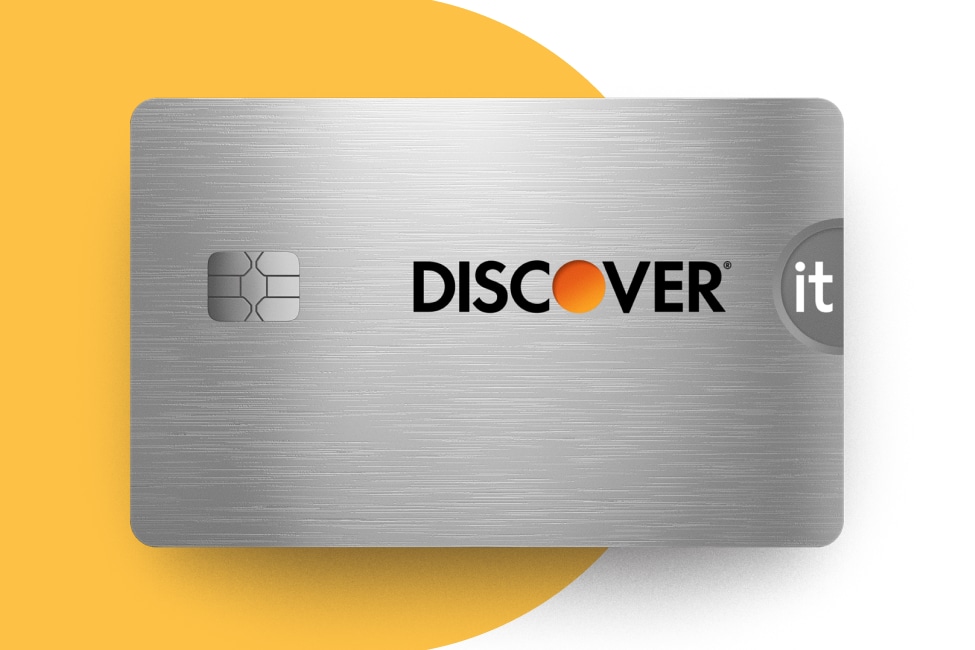
For individuals with limited or no credit history, or those looking to rebuild their credit, the Discover it® Secured Credit Card is an excellent starting point. This card requires a refundable security deposit, which typically matches your credit limit. From a financial perspective, this acts as a safeguard for Discover while allowing the cardholder to demonstrate responsible credit usage. Regular, on-time payments and keeping credit utilization low on a secured card are reported to major credit bureaus, laying the groundwork for a positive credit score. Over time, Discover may even transition secured cardholders to an unsecured card and return their deposit, rewarding sound financial behavior.
Student credit cards, such as the Discover it® Student Cash Back, are designed for college students, often featuring lower income requirements and educational rewards. These cards serve as an invaluable tool for young adults to begin building credit responsibly while navigating their academic years. The financial implications here are long-term: establishing good credit early can provide a significant advantage post-graduation when applying for apartments, car loans, or even future employment that may involve credit checks.
For those with established good to excellent credit, Discover offers its flagship Discover it® Cash Back and Discover it® Miles cards. The Cash Back card provides rotating bonus categories that offer 5% cashback on up to a quarterly maximum, a significant financial return on everyday spending when activated and utilized strategically. The Miles card, while functioning like a flat-rate cashback card (every mile is worth one cent), caters to those who prefer simplicity in rewards or wish to apply their rewards towards travel-related expenses. The financial benefit of these cards lies in their ability to maximize returns on existing expenditures, effectively reducing the net cost of purchases through reward accrual. Each card type serves a specific financial purpose, and understanding these distinctions is key to making an informed application choice that aligns with your personal financial strategy.
Preparing for Your Application: Essential Financial Due Diligence
Applying for a credit card is a financial commitment, and thorough preparation significantly increases the likelihood of approval while also ensuring you’re making a responsible financial decision. Before you even begin filling out the application form, engaging in essential financial due diligence is paramount. This involves understanding your current financial standing, recognizing the importance of your credit score, and meticulously gathering all necessary personal and financial information. This proactive approach not only streamlines the application process but also fosters a deeper understanding of your financial health.
Assessing Your Financial Readiness
Before committing to a new line of credit, it is crucial to take an honest inventory of your financial situation. This involves a comprehensive review of your income, existing debts, and monthly expenses. Lenders, including Discover, evaluate your ability to repay borrowed funds, which is directly tied to your income and debt-to-income ratio. Consider your current employment status and stability of income sources. Do you have a steady job or reliable alternative income streams? Next, list all your current financial obligations: outstanding loans (student, auto, personal), existing credit card balances, rent/mortgage payments, and recurring bills. A high debt burden relative to your income can signal financial strain to lenders, potentially impacting your approval odds or the credit limit offered.
Responsible credit usage begins with understanding your capacity for additional debt. Ask yourself if a new credit card fits into your current budget without encouraging overspending. If you’re struggling to manage existing debts, introducing another credit line might exacerbate financial difficulties rather than alleviate them. A critical aspect of financial readiness is having an emergency fund. While a credit card can act as a temporary safety net, it should not replace dedicated savings for unforeseen expenses. Approaching a credit card application with a clear understanding of your financial limits ensures you’re applying from a position of strength and responsibility.
Understanding Credit Scores and Their Impact
Your credit score is a numerical representation of your creditworthiness, derived from your credit report, which details your borrowing and repayment history. It is a critical factor that lenders use to assess the risk associated with lending you money. A higher credit score generally indicates a lower risk, making you a more attractive borrower and potentially qualifying you for better terms, such as lower interest rates and higher credit limits.
Before applying for a Discover card, or any credit product, it is highly advisable to obtain a copy of your credit report and check your credit score. You are entitled to a free copy of your credit report from each of the three major credit bureaus (Equifax, Experian, and TransUnion) annually through AnnualCreditReport.com. Many credit card issuers and financial institutions also offer free credit score access. Reviewing your report allows you to identify any inaccuracies or potential errors that could negatively impact your score. Disputing and correcting these errors before applying is a vital step.
For Discover cards, particularly their unsecured offerings, a good to excellent credit score (typically FICO scores above 670) significantly improves your chances of approval. For secured or student cards, the requirements are more flexible, but a clean credit history, even if limited, is still beneficial. Understanding what contributes to your score—payment history (most impactful), credit utilization, length of credit history, new credit, and credit mix—empowers you to take steps towards improving it if necessary. A well-informed applicant is better positioned to understand their approval odds and make strategic decisions.
Gathering Necessary Financial Information
The application process for a Discover credit card requires a collection of specific personal and financial information. Having all these details readily accessible before you begin will make the application seamless and minimize potential delays. Accuracy and honesty in providing this information are paramount, as lenders verify the data provided.
Key information you will need includes:
- Personal Identification: Your full legal name, date of birth, and Social Security Number (SSN) or Individual Taxpayer Identification Number (ITIN). This information is fundamental for identity verification and credit checks.
- Contact Information: Current residential address (and previous addresses if you’ve moved recently), phone number, and email address. Ensure these are up-to-date.
- Income Details: Your gross annual income (before taxes and deductions). This includes income from all verifiable sources, such as salaries, wages, tips, self-employment income, investment income, alimony, child support, and retirement benefits. Discover, like other lenders, uses this to assess your ability to make payments. Be prepared to provide the source of your income and potentially your employer’s name and contact information.
- Employment Information: Your current employer’s name, industry, and possibly your job title and length of employment. If self-employed, details regarding your business.
- Housing Information: Whether you own or rent, and your monthly housing payment. This contributes to the lender’s understanding of your financial obligations.
- Bank Account Information: While not always required at the initial application stage, having details of your primary checking or savings account can be useful for setting up automatic payments if approved.
Providing accurate and complete information is not just about convenience; it reflects your financial integrity. Any discrepancies can lead to delays, requests for additional documentation, or even rejection of your application. Taking the time to gather and double-check these details is a crucial step in preparing for a successful Discover card application.
The Discover Credit Card Application Process: A Step-by-Step Financial Journey
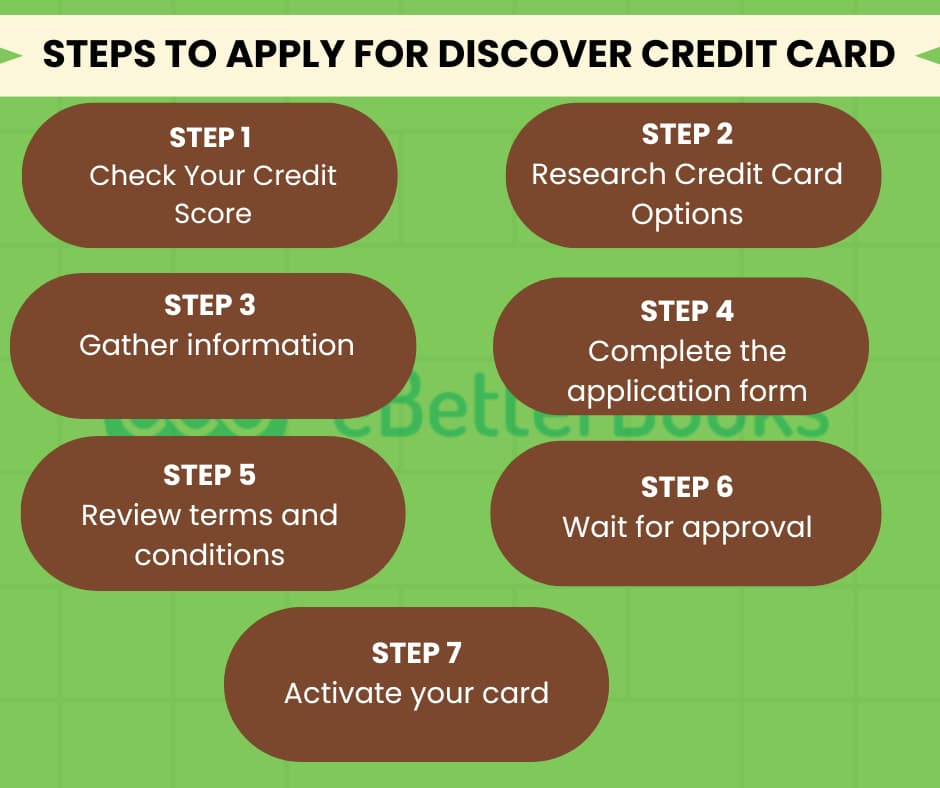
Applying for a Discover credit card is predominantly an online process, designed for efficiency and convenience. Understanding each step, from navigating the digital portal to grasping the implications of the credit check, is crucial for a smooth and informed financial journey. This section outlines the typical application flow, providing insights into what to expect and how to approach each stage responsibly.
Navigating the Online Application Portal
The most common and often quickest way to apply for a Discover credit card is through their official website. Begin by visiting Discover.com and navigating to the “Credit Cards” section. Here, you’ll find a clear display of their various card offerings, each with a summary of its features, rewards, and typical credit requirements. This is where your earlier financial due diligence becomes invaluable, as you can select the card that best aligns with your credit profile and financial goals.
Once you’ve chosen your desired card, click on the “Apply Now” or “Apply Online” button. This will redirect you to a secure application form. The form is typically broken down into several sections, requesting the personal and financial information you gathered during your preparation phase. You’ll be prompted to enter your full name, date of birth, Social Security Number, residential address, contact details, employment information, and annual income. It’s critical to fill out each field accurately and completely. Misinformation or omissions can lead to delays or even outright rejection.
As you progress, the application may ask about your housing status (own or rent) and monthly housing payment. Some forms might also inquire about any existing Discover accounts you hold. Before submitting, meticulously review all the entered information. A small typo in your SSN or income figure could have significant consequences. Ensure that the terms and conditions are clearly understood, especially regarding interest rates, fees, and reward structures. Your digital signature, usually by checking a box, signifies your agreement to these terms and authorizes Discover to perform a credit check.
The Role of the Credit Check
Upon submission of your application, Discover will initiate a “hard inquiry” or “hard pull” on your credit report. This is a standard procedure for all credit card applications and is a critical part of the lender’s risk assessment. A hard inquiry allows Discover to access your detailed credit history, including your payment patterns, outstanding debts, and other credit accounts. They use this information to evaluate your creditworthiness and determine your eligibility for the specific card you’ve applied for.
It’s important to understand the financial implications of a hard inquiry. While generally minor, each hard inquiry can cause a slight, temporary dip in your credit score, typically a few points. This effect usually diminishes within a few months. Multiple hard inquiries in a short period (especially for different types of credit) can raise red flags for lenders, suggesting increased financial risk or an urgent need for credit. Therefore, it’s wise to space out credit applications and apply only when truly necessary. Discover relies on this comprehensive review to gauge your capacity to handle new debt and to inform decisions regarding your credit limit and interest rate, should your application be approved.
Understanding Application Decisions and Timelines
After you submit your application and Discover conducts its credit inquiry, a decision will be rendered. The timeline for this decision can vary:
- Instant Approval: Many applicants with strong credit profiles and straightforward financial histories receive an instant approval decision. This means Discover has quickly assessed your application and determined you meet their criteria. You’ll typically receive an email confirmation and details on when to expect your new card.
- Pending Review: If your application requires further scrutiny, it may go into a “pending” status. This doesn’t necessarily mean denial; it often indicates that Discover needs to manually review certain aspects of your application, verify information, or perhaps request additional documentation. This review process can take a few business days to a couple of weeks. During this period, you might receive a call or email from Discover, or you can often check the status online using your application reference number.
- Denial: If your application is denied, Discover is legally required to send you an adverse action notice, explaining the primary reasons for the denial. This letter, usually mailed within 7-10 business days, is crucial for your financial learning. Common reasons for denial include a low credit score, high existing debt, insufficient income, a short credit history, or too many recent credit inquiries.
Understanding the decision and its underlying reasons is vital for your financial planning. An instant approval signifies a positive credit standing. A pending review suggests minor issues or a need for deeper analysis. A denial, while disappointing, provides valuable insights into areas of your financial profile that require improvement, helping you strategize for future credit applications. Regardless of the outcome, the process itself is a key part of engaging with financial institutions and understanding your place within the credit ecosystem.
Post-Application Financial Management: Maximizing Your Discover Card
Receiving a credit card, whether it’s a new approval or a strategic re-evaluation after a denial, marks a new phase in your financial journey. The real work begins after the application: actively managing your credit, leveraging card benefits, and continuously working towards financial improvement. Proper post-application financial management is key to transforming a credit card from a potential liability into a powerful asset for building wealth and achieving monetary goals.
If Approved: Activating and Responsible Spending
Congratulations on your approval! The first step after receiving your new Discover card in the mail is to activate it. This typically involves a quick call to a toll-free number or an online activation through Discover’s website. Once activated, set up your online account access. This portal will be your primary tool for monitoring transactions, making payments, viewing statements, and managing rewards. Familiarize yourself with all the features available in your online account, including setting up alerts for suspicious activity or upcoming payment due dates.
Crucially, read and understand the cardholder agreement that came with your card. Pay close attention to your interest rate (APR), cash advance rates, late payment fees, and any other charges. Knowledge of these terms prevents unexpected financial penalties.
The most vital aspect of managing your new credit card is responsible spending. Adhere to a strict budget and avoid using your card for purchases you cannot afford to pay off. Make every effort to pay your balance in full each month by the due date. This strategy not only helps you avoid interest charges, saving you money, but also positively impacts your credit score by demonstrating excellent payment history and keeping your credit utilization low. Credit utilization, which is the amount of credit you’re using compared to your total available credit, is a significant factor in your credit score. Aim to keep it below 30% for optimal credit health. Timely and full payments are the bedrock of building a strong credit history and harnessing the true financial power of your Discover card.
If Denied: Strategies for Financial Improvement
A credit card application denial can be disheartening, but it’s an opportunity for crucial financial introspection and improvement. Do not view it as a permanent roadblock; rather, consider it a clear indicator of areas in your financial profile that need attention. Begin by thoroughly reviewing the adverse action letter from Discover, which outlines the specific reasons for denial. This letter is your roadmap for improvement.
Common reasons for denial, such as a low credit score, high existing debt, or a short credit history, all point to actionable steps:
- Improve Your Credit Score: If a low score was cited, focus on proven credit-building strategies. Ensure all your current credit accounts are paid on time, every time. Reduce existing credit card balances to lower your credit utilization. Avoid opening new credit accounts for a period, as new inquiries can temporarily ding your score. Consider becoming an authorized user on a trusted family member’s account with good standing, or explore credit builder loans if available.
- Reduce Debt: High debt-to-income ratios can make lenders hesitant. Prioritize paying down existing loans and credit card balances. Developing a disciplined debt repayment plan can free up more of your income, making you a less risky borrower in the eyes of future lenders.
- Build a Credit History: If your history is too short, consider applying for a secured credit card, like the Discover it® Secured Credit Card mentioned earlier. These cards are specifically designed for credit building and offer a pathway to demonstrating responsible usage. Alternatively, a credit builder loan can also help establish a positive payment history.
It’s also beneficial to review your credit report for any errors or fraudulent activity that might have contributed to the denial. Dispute any inaccuracies immediately. After addressing the identified issues and demonstrating a period of improved financial behavior, you can reapply for a Discover card, potentially with a stronger application and higher chances of approval. This period of denial can ultimately lead to a more robust and financially responsible future.

Leveraging Discover Card Benefits for Financial Growth
Beyond simply paying for purchases, a Discover card offers a suite of benefits that can significantly contribute to your financial growth and security, provided you understand and utilize them effectively. The most direct financial benefit for many is the cashback rewards program. By strategically using your card for everyday expenses, especially in categories offering higher cashback, you can effectively generate a continuous stream of income that can be redeemed for statement credits, direct deposits, or gift cards. This can contribute to savings goals, offset monthly expenses, or even fund small investments. Plan your spending to align with bonus categories and activate them each quarter to maximize returns.
Discover’s fraud protection is another critical financial safeguard. With zero fraud liability, you are not responsible for unauthorized purchases, providing immense peace of mind. Actively monitor your transactions online and report any suspicious activity immediately. This vigilance protects your financial assets and prevents potential long-term credit damage from identity theft.
Furthermore, Discover is renowned for its U.S.-based customer service. This isn’t just a convenience; it’s a financial asset. Having readily accessible and helpful support for billing inquiries, transaction disputes, or questions about rewards can save you time, stress, and potential financial loss. Don’t hesitate to contact them for clarification on terms, reporting lost/stolen cards, or understanding your statement.
Finally, managing your Discover card responsibly is a direct contributor to your credit score. A strong credit score is a financial asset that unlocks better rates on loans (mortgages, auto loans), lower insurance premiums, and more favorable terms on future credit products. By consistently making on-time payments, keeping your credit utilization low, and maintaining a long history with your Discover card, you are actively investing in your long-term financial health and expanding your future monetary opportunities.
aViewFromTheCave is a participant in the Amazon Services LLC Associates Program, an affiliate advertising program designed to provide a means for sites to earn advertising fees by advertising and linking to Amazon.com. Amazon, the Amazon logo, AmazonSupply, and the AmazonSupply logo are trademarks of Amazon.com, Inc. or its affiliates. As an Amazon Associate we earn affiliate commissions from qualifying purchases.