
Navigating the vast aisles of a warehouse club like Costco can be an experience of both exhilaration and potential financial peril. The allure of bulk savings and exclusive deals is undeniable, yet without a strategic approach, a weekly trip can quickly transform into an impulse-driven spending spree that undermines even the most disciplined personal finance goals. The question, “what to buy at Costco this week,” transcends mere product selection; it’s a prompt for a deeper financial inquiry into optimizing household budgets, understanding true value, and making purchasing decisions that contribute positively to long-term financial health.
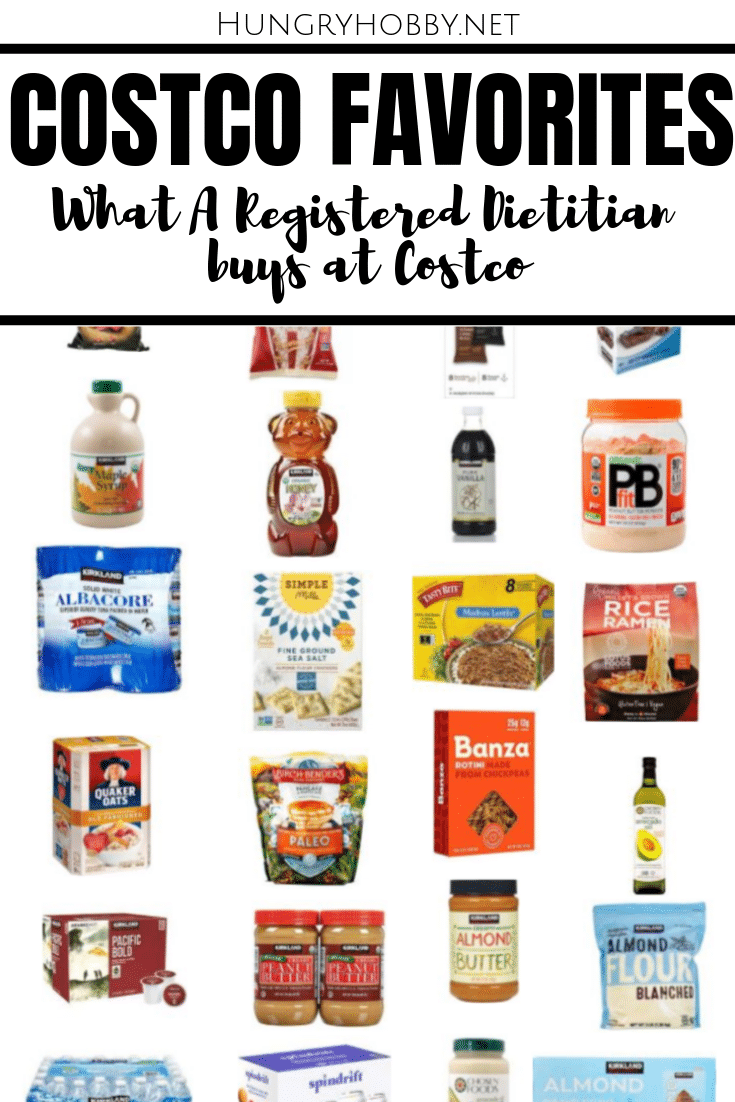
In an era where every dollar counts, a trip to Costco isn’t just about filling a cart; it’s about making informed financial choices that align with your budget, lifestyle, and financial objectives. This guide delves into the strategic considerations that transform a simple shopping list into a powerful financial tool, ensuring that your weekly Costco visit consistently delivers maximum value and supports your overarching money management principles. From understanding the nuances of bulk buying to identifying genuine savings and avoiding common financial pitfalls, we’ll explore how to harness the unique benefits of warehouse shopping to your financial advantage.
Understanding the Costco Value Proposition: Beyond the Price Tag
At its core, Costco’s business model is built on offering members high-quality products at competitive prices, often in larger quantities. However, the perceived value extends far beyond the immediate discount. A discerning financial perspective requires an understanding of how this model integrates with personal finance strategies.
The Economics of Membership: Is it Worth It?
The initial barrier to entry—the annual membership fee—is the first financial consideration. For many, this fee is quickly recouped through savings on everyday essentials and significant purchases. Financially savvy shoppers calculate the break-even point: how much do you need to save per year to offset the membership cost? This involves tracking potential savings on items regularly purchased. Beyond direct monetary savings, the value proposition includes access to a curated selection of quality goods, exclusive services (like discounted gas, travel, and insurance), and a generous return policy. From a financial planning standpoint, the membership is an investment, and like any investment, its return must be carefully evaluated against the upfront cost. For households with significant weekly consumption or those planning major appliance or electronics purchases, the ROI can be substantial. For individuals or small households, a careful analysis of purchasing habits is crucial to ensure the membership doesn’t become an unnecessary recurring expense.
Bulk Buying: A Double-Edged Financial Sword
The primary draw of Costco is bulk buying, promising lower unit costs. This can be a tremendous financial advantage for non-perishable goods, household staples, and items with a long shelf life. Purchasing paper towels, cleaning supplies, toiletries, or certain pantry items in bulk often translates to significant savings over time compared to buying smaller quantities at conventional supermarkets. However, the financial benefit hinges on consumption rates and storage capacity.
- Financial Benefits: Reduced unit cost, fewer shopping trips (saving time and gas money), and protection against minor price fluctuations. It also helps in budgeting by consolidating purchases.
- Financial Risks: Overspending on items that may spoil before consumption, leading to waste (a direct financial loss). The upfront cost of a large quantity can strain a weekly budget if not planned for. Furthermore, buying items just because they are “on sale” but not truly needed can lead to unnecessary expenditure, negating any perceived savings. A crucial financial discipline here is to only buy in bulk what you know you will genuinely use and have the space to store efficiently.
Strategic Shopping for Optimal Financial Outcomes
Successful Costco shopping is less about spontaneous discovery and more about meticulous planning. A well-defined strategy transforms potential financial pitfalls into consistent savings.
Pre-Trip Financial Planning: The Budget and the List
Before even stepping foot in the warehouse, a robust financial plan is essential. This begins with defining a strict budget for the trip, informed by your broader monthly household budget.
- Budget Allocation: Decide how much you can comfortably spend across different categories—groceries, household goods, special purchases. This prevents overspending driven by the warehouse’s seductive atmosphere.
- The Intentional Shopping List: A well-researched shopping list is your financial compass. It should detail specific items you need, considering current inventory at home and upcoming consumption. This minimizes impulse buys, which are often the largest budgetbusters. Researching online flyers or the Costco app for weekly deals can help integrate promotions into your list, but only for items you already intended to buy. Resist the urge to add items simply because they are “on sale.”
- Inventory Management: Regularly checking your pantry, freezer, and supply closets before writing your list prevents redundant purchases and ensures you’re not buying an item you already have in bulk, leading to spoilage or unnecessary clutter. This is a critical component of waste reduction, which directly impacts your financial bottom line.
Navigating Deals and Promotions: Real Savings vs. Perceived Value
Costco is renowned for its “instant savings” and periodic promotions. A critical financial skill is differentiating between genuinely valuable deals and marketing ploys.
- Unit Price Comparison: Always calculate the unit price (cost per ounce, per sheet, per serving) and compare it not only to similar products within Costco but also to prices at other supermarkets, especially during their sales. A lower bulk price isn’t always the best unit price.
- Timing Your Purchases: Certain categories of items, like seasonal produce, outdoor equipment, or electronics, follow predictable sales cycles. Waiting for these cycles can yield significant savings. For example, holiday decorations might be deeply discounted post-holiday, and summer items might see price drops in late summer. This requires a proactive, long-term financial mindset rather than reactive shopping.
- Understanding “Limited Time” Offers: While tempting, “limited time” offers should only be considered if they align with your pre-planned list and budget. The urgency is designed to encourage impulse buying, which is detrimental to financial discipline.
Assessing True Value Beyond the Sticker Price
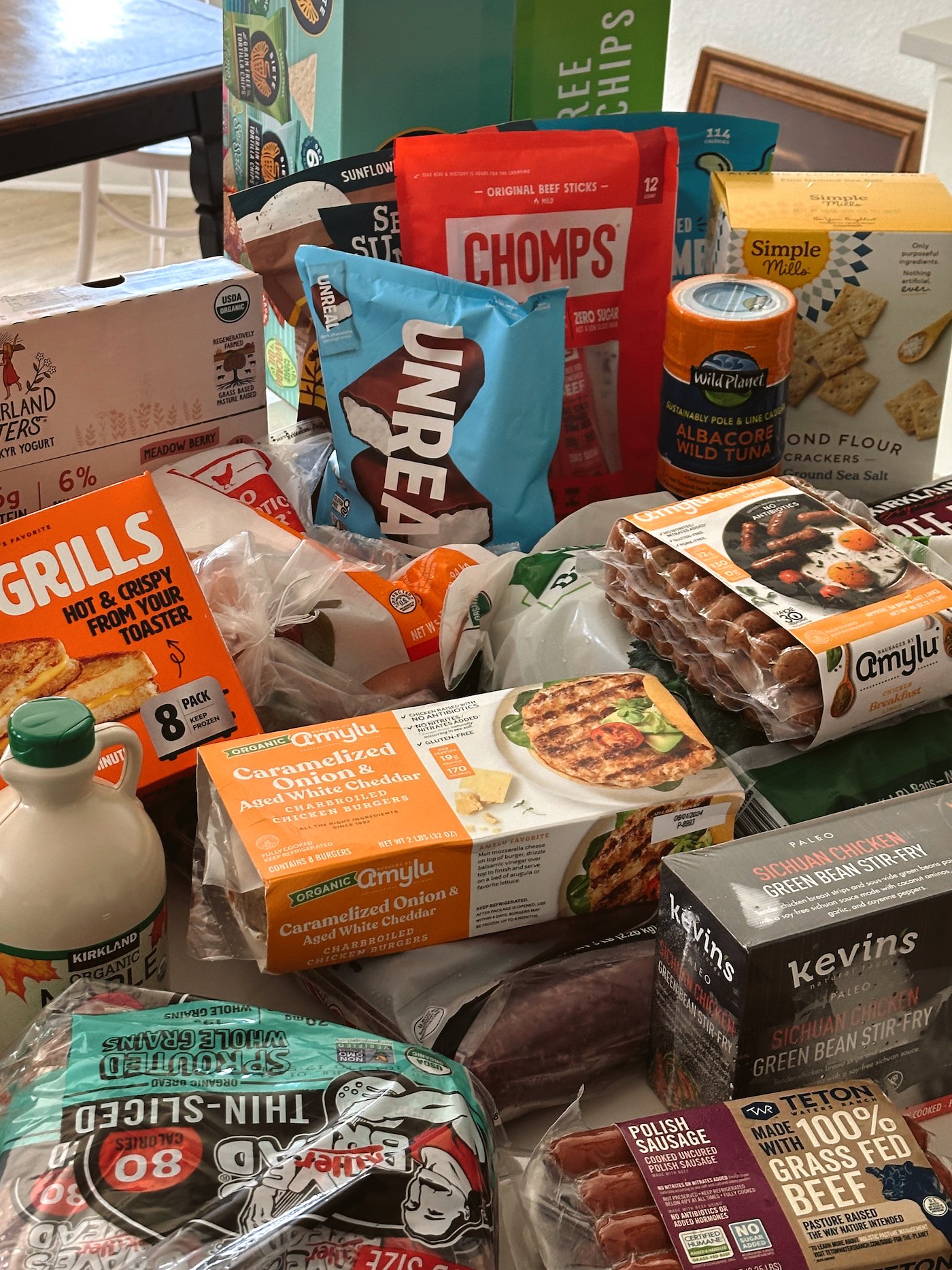
The raw price tag at Costco tells only part of the financial story. A comprehensive financial assessment involves looking at quality, utility, and potential hidden costs.
Quality vs. Quantity: A Financial Trade-off
Costco prides itself on carrying high-quality goods, often name brands or their Kirkland Signature house brand, which frequently matches or exceeds the quality of national brands.
- Investment in Quality: Sometimes, paying slightly more for a higher-quality product that lasts longer (e.g., electronics, small appliances, durable clothing) can be a better financial decision than repeatedly buying cheaper, inferior alternatives. This aligns with the “buy once, cry once” philosophy.
- Kirkland Signature Value: The Kirkland Signature brand often represents exceptional value. Financially, buying these products can yield significant savings without compromising quality, making them a strategic choice for savvy shoppers. It’s a prime example of where the brand’s direct-to-consumer strategy translates into consumer savings.
Perishability and Storage: Hidden Financial Costs
The greatest financial trap in bulk buying is purchasing perishable goods in quantities too large to consume before they spoil.
- Waste as Financial Loss: Food waste is a direct drain on your budget. If half a large container of yogurt or a bag of fresh produce goes bad, you’ve effectively paid double for the portion you consumed. This isn’t just a loss of the product; it’s a loss of the money spent.
- Storage Solutions: Consider your freezer and pantry space. Investing in airtight containers or a deep freezer can be a financially sound decision if it enables you to safely store bulk purchases of meat, bread, or prepared meals, thus preventing waste. This initial investment pays dividends by extending the life of your purchases.
- Portioning and Freezing: For items like meat, poultry, or baked goods, portioning them immediately after purchase and freezing them can extend their usability and prevent waste. This requires a little extra time but translates directly into financial savings and better meal planning.
Leveraging Costco for Long-Term Household Financial Health
Beyond weekly groceries, Costco offers opportunities to make larger, strategic purchases that contribute to your household’s long-term financial stability and reduce future expenses.
Major Appliance and Electronics Investments
Costco often carries a selection of major appliances, electronics, and small kitchen gadgets.
- Competitive Pricing & Warranty Benefits: For significant purchases like refrigerators, televisions, or computers, Costco’s prices can be competitive, and they frequently offer extended warranties or additional services (like free delivery and basic installation for appliances) that add substantial value. The Costco Anywhere Visa® Card by Citi often provides an extra two years of warranty protection on eligible purchases, a significant financial perk that reduces the risk of expensive repairs down the line.
- Financial Planning for Big Buys: These items represent substantial expenditures. Integrating them into your long-term financial plan, perhaps through a dedicated savings fund, ensures that these purchases are strategic investments rather than budget-busting surprises. Researching reviews and comparing specifications rigorously is just as important as the price comparison.
Household Necessities and Emergency Preparedness
Stocking up on non-perishable household necessities and emergency supplies at Costco can be a financially prudent strategy.
- Building a Resilient Household: Items like batteries, flashlights, first-aid supplies, bottled water, and canned goods are often available in bulk at competitive prices. Having these on hand for emergencies not only provides peace of mind but also insulates you from surge pricing during crises and avoids last-minute, higher-cost purchases.
- Strategic Stockpiling: For long-lasting pantry items (e.g., rice, pasta, canned goods, dried beans) and cleaning supplies, purchasing a larger quantity when prices are favorable can lock in savings for months. This strategy hedges against inflation and unexpected price increases, acting as a small, personal financial buffer.
Beyond Groceries: Unlocking Financial Savings in Other Departments
While food and household goods are prominent, Costco’s diverse offerings extend to other areas where significant financial savings can be realized, provided a strategic approach is maintained.
Automotive Needs and Fuel Efficiency
Costco warehouses often include a gas station, a tire center, and sometimes even offer car batteries.
- Fuel Savings: Costco gas stations are consistently among the cheapest in their local areas, offering immediate and noticeable savings on fuel, especially for households with multiple vehicles or long commutes. Over a year, these savings can easily offset a portion of the membership fee.
- Tire Investments: The Costco Tire Center offers competitive pricing on major tire brands, often including installation, balancing, and rotation services. Investing in quality tires at a good price is a significant financial decision for vehicle safety and longevity, and Costco often provides excellent value in this category, backed by their robust warranty.
Health, Wellness, and Pharmacy Savings
The pharmacy and optical departments at Costco can be valuable resources for managing health-related expenses.
- Prescription Savings: Costco’s pharmacies often offer very competitive pricing on prescriptions, even for non-members (due to specific state laws regarding pharmacies). Comparing prescription costs here can yield substantial savings, particularly for those with high deductibles or without comprehensive insurance.
- Optical Benefits: Eyeglasses, contact lenses, and eye exams are available at prices often lower than standalone optical stores. This represents a significant opportunity for saving on essential healthcare items. The quality of products and services is generally high, ensuring that cost savings do not compromise health.
Travel and Services: Hidden Gems for Budget-Conscious Consumers
Costco Travel offers exclusive deals on vacation packages, cruises, rental cars, and hotels.
- Vacation Value: For those planning a vacation, checking Costco Travel can unearth excellent package deals that include flights, accommodation, and sometimes even tours or car rentals at prices that are hard to beat elsewhere. The perceived value often includes additional perks or Costco Shop Cards. This can significantly reduce the overall cost of a trip, making it a powerful tool for budget-conscious travelers.
- Home and Auto Services: Beyond travel, Costco periodically offers discounts on various services, from home improvement to business services. Always check the current offerings to see if any align with your needs, as these can provide unexpected savings on large expenditures.
In conclusion, “what to buy at Costco this week” is more than a shopping query; it’s a prompt for a sophisticated financial strategy. By understanding the economics of membership and bulk buying, engaging in meticulous pre-trip planning, critically assessing true value, and leveraging the store’s diverse offerings, members can transform their weekly visit into a powerful engine for personal financial health. It’s about making intentional, informed choices that align with your budget and long-term financial goals, ensuring every dollar spent at Costco delivers genuine, enduring value.
aViewFromTheCave is a participant in the Amazon Services LLC Associates Program, an affiliate advertising program designed to provide a means for sites to earn advertising fees by advertising and linking to Amazon.com. Amazon, the Amazon logo, AmazonSupply, and the AmazonSupply logo are trademarks of Amazon.com, Inc. or its affiliates. As an Amazon Associate we earn affiliate commissions from qualifying purchases.