
In the realm of personal finance, every dollar counts, whether it’s in your bank account, investment portfolio, or even on a store credit card. For many homeowners and DIY enthusiasts, Home Depot store credit can represent a significant chunk of pre-paid purchasing power, ready to be deployed for everything from a new set of power tools to essential home repairs. However, this value is only truly realized if you know exactly how much you have and how to access it.
Misplaced, forgotten, or simply untracked store credit balances are a common financial oversight, leading to hundreds, if not thousands, of dollars in unused funds across households nationwide. This comprehensive guide will demystify the process of checking your Home Depot store credit balance, ensuring you can confidently manage your DIY funds, budget effectively, and make the most of every last cent. By treating store credit with the same diligence as any other financial asset, you empower yourself to optimize your home improvement budget and avoid leaving money on the table.
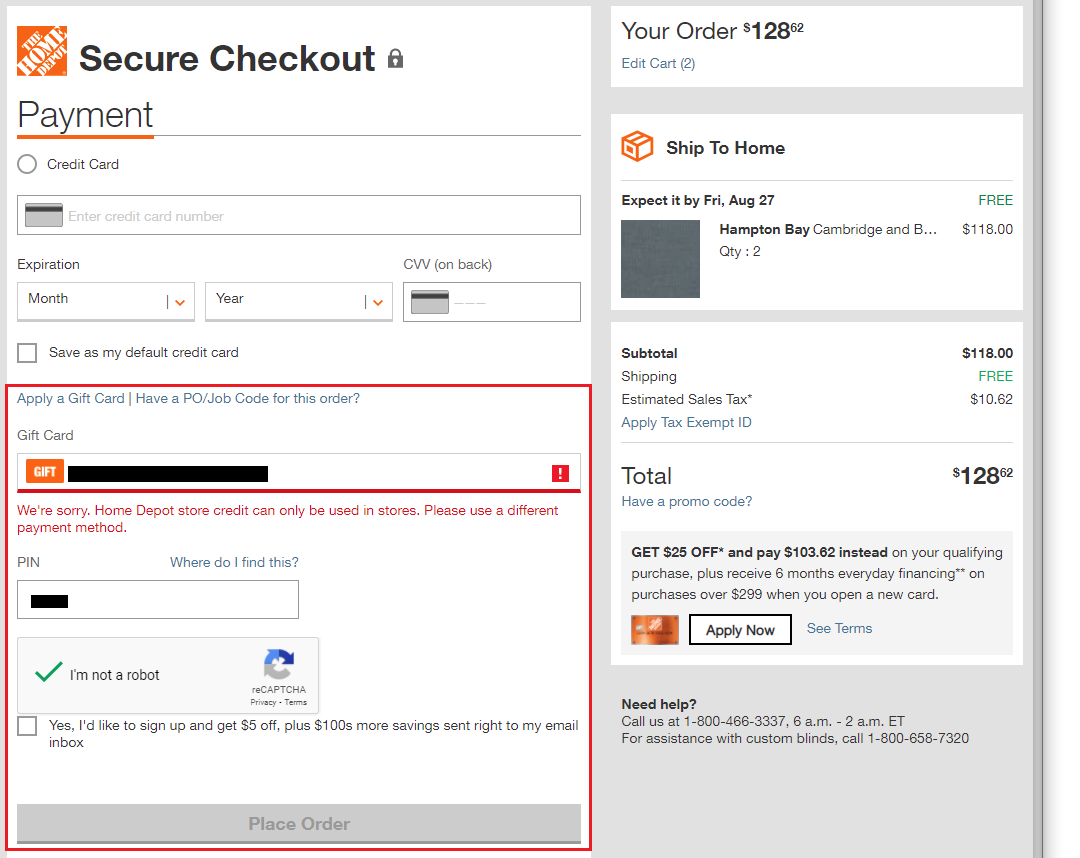
Understanding Home Depot Store Credit: More Than Just a Gift Card
Before diving into the “how-to,” it’s crucial to understand the nuances of Home Depot store credit. While often lumped together with gift cards, there are distinct types of credit, each with its own origin and, sometimes, slightly different checking mechanisms. Recognizing these differences is the first step in effective financial management of your Home Depot funds.
Different Types of Home Depot Store Credit
Home Depot offers various forms of store credit, primarily distinguishable by how they are acquired:
- Merchandise Credit Cards: These are typically issued when you return an item to Home Depot without a receipt. The value of the returned item is placed onto a physical card, which functions like a debit card solely for Home Depot purchases. These are essentially non-refundable, non-transferable funds tied directly to the store.
- Home Depot Gift Cards: These are purchased gift cards, either physical or digital (eGift cards), and can be loaded with any value. They are popular for gifts and often purchased by individuals looking to pre-pay for future projects or manage their spending. Gift cards generally have clearer terms and are sometimes easier to replace if lost, especially if registered.
- Promotional Credits or Vouchers: Occasionally, Home Depot might issue promotional credits as part of a special offer, a rebate program, or as compensation. These often come with specific expiration dates or usage restrictions, making it even more critical to track their balances and terms diligently.
While all these forms represent a monetary value usable at Home Depot, understanding their origin helps in troubleshooting issues and grasping any underlying terms and conditions.
The Financial Value of Store Credit
From a personal finance perspective, store credit is essentially cash earmarked for a specific retailer. Its value should be integrated into your overall financial picture, particularly your budgeting for discretionary spending and home maintenance. Ignoring these balances is akin to forgetting about money in a checking account – it’s a tangible asset that, if not utilized, represents lost purchasing power.
Tracking your Home Depot store credit allows you to:
- Prevent “Lost” Money: Many credits go unused simply because their existence is forgotten. Regular checks bring these funds back into your financial consciousness.
- Optimize Budgeting: Knowing your available credit enables you to plan home improvement projects more accurately, potentially reducing out-of-pocket expenses for planned purchases.
- Maximize Purchasing Power: By consolidating and utilizing credit strategically, you ensure that every dollar you’ve either paid for (via gift card) or earned (via return) is put to its intended use.
- Avoid Unnecessary Debt: For larger projects, utilizing existing store credit can reduce the need to dip into savings or use high-interest credit cards.
Proactive management of store credit transforms it from a forgotten card in your wallet into a valuable component of your personal financial strategy.
Convenient Methods to Check Your Balance
Home Depot understands the need for accessible financial information, offering several user-friendly methods to check your store credit balance. Whether you prefer digital convenience or face-to-face interaction, there’s an option tailored for you.
Online Balance Check
The digital age has made financial management incredibly convenient, and checking your Home Depot store credit balance online is often the quickest and easiest method. This option provides 24/7 access to your balance, allowing you to check it from the comfort of your home or on the go.
To check your balance online:
- Visit the Official Home Depot Website: Navigate to homedepot.com.
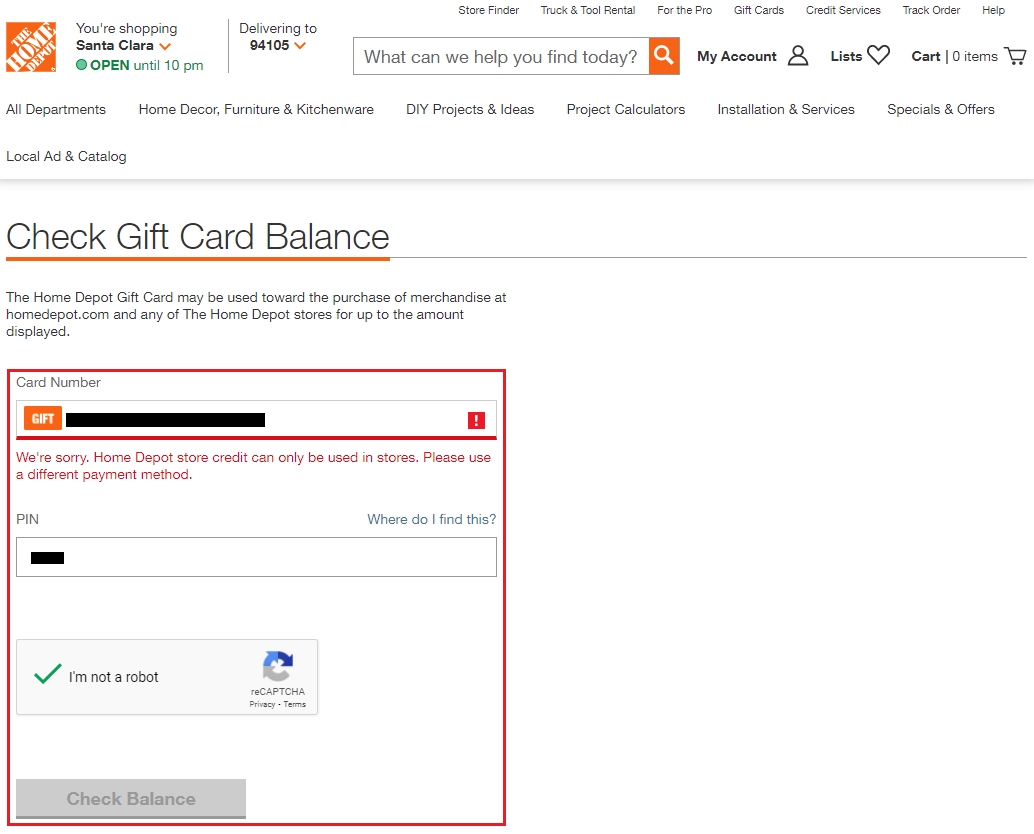
- Locate the Gift Card/Credit Balance Checker: Look for a “Check Balance” link, often found in the footer of the website under “Gift Cards,” “Customer Service,” or “Services.” You might also find it by searching “check gift card balance” on their site.
- Enter Card Details: You will typically be prompted to enter the 16-digit card number and a 4-digit PIN. For physical cards, the PIN is usually found on the back, often under a scratch-off strip. For eGift cards, the number and PIN are usually provided in the email.
- View Your Balance: After submitting the details, your current balance will be displayed instantly.
Advantages: This method is ideal for quick checks, planning purchases, and verifying balances before heading to the store. It’s efficient and requires no direct interaction with a representative.
In-Store Inquiry
For those who prefer a more traditional approach or are already at a Home Depot location, checking your balance in person is a straightforward process. This method offers the benefit of direct assistance from a store associate if any issues arise.
To check your balance in-store:
- Bring Your Card: Ensure you have the physical merchandise credit card, gift card, or a printout/digital copy of your eGift card details. The card number and PIN (if applicable) are essential.
- Approach a Cashier or Customer Service Desk: Inform the associate that you’d like to check the balance on your store credit or gift card.
- Provide the Card: The associate will scan your card or manually enter the details into their point-of-sale system.
- Receive Your Balance: They will inform you of the current balance. You can also request a printout for your records.
Advantages: Direct interaction can be helpful for clarifying terms, combining multiple cards (if allowed), or resolving minor discrepancies on the spot. It’s particularly useful if you’re planning an immediate purchase.
Phone Support
When digital tools or in-store visits aren’t feasible, or if you encounter more complex issues, Home Depot’s customer service phone line is an excellent resource. This option connects you with a representative who can look up your balance and provide assistance.
To check your balance via phone:
- Locate the Customer Service Number: The general customer service number for Home Depot can usually be found on the back of your card, on the official website, or through a quick online search. A common number for gift card inquiries might be available.
- Have Your Card Details Ready: Be prepared to provide the 16-digit card number and the 4-digit PIN when prompted by the automated system or a representative.
- Speak with a Representative (if needed): If the automated system doesn’t suffice or you have specific questions, you can typically opt to speak with a customer service representative.
- Confirm Your Balance: The representative will provide you with the balance. It’s always a good idea to write down the balance and the date of your call for your records.
Advantages: Phone support is valuable for resolving lost card issues (for registered gift cards), disputing balances, or getting clarification on specific terms and conditions that might not be readily available online. It provides a human touch for more intricate inquiries.
Best Practices for Managing Your Home Depot Store Credit
Treating your Home Depot store credit with the same care as physical cash or a bank debit card is fundamental to responsible financial management. Proactive measures can prevent loss, enhance security, and ensure you extract maximum value from these assets.
Keeping Your Store Credit Secure
The adage “treat it like cash” is particularly relevant for store credit. Most merchandise credit cards, in particular, are not replaceable if lost or stolen, as they are not tied to a specific individual.
- Physical Security: Store physical cards in a secure place, like a dedicated wallet slot or a home safe. Avoid leaving them exposed or in places where they can easily fall out or be misplaced.
- Digital Security: For eGift cards, ensure the email containing the card details is kept secure. Do not share card numbers and PINs with untrusted individuals. Be wary of phishing scams that might attempt to illicitly obtain your card information.
- Record Keeping: It’s a wise financial habit to record the card number, PIN, and initial balance of all your Home Depot store credits. You can keep a simple spreadsheet or a note in your secure digital wallet. This record can be invaluable for online balance checks or for reporting issues, even if it doesn’t guarantee replacement for all card types.
Integrating Store Credit into Your Budget
Smart personal finance involves leveraging all available resources. Store credit, especially for a frequently visited store like Home Depot, should be a line item in your home improvement or discretionary spending budget.
- Planned Purchases: If you have an upcoming project, check your balance beforehand. This allows you to factor the credit into your spending plan, potentially reducing the cash or credit card amount needed.
- Small Balance Utilization: Don’t let small balances languish. Integrate them into minor purchases like lightbulbs, cleaning supplies, or gardening essentials to fully deplete the card rather than letting it go unused indefinitely.
- Consolidation: If you have multiple gift cards with small balances, inquire if Home Depot allows them to be consolidated onto a single card. This simplifies tracking and spending.
Understanding Expiration Dates and Terms
While federal law generally prevents gift cards from expiring for five years, merchandise credits or promotional vouchers might have different terms. Always review the fine print.
- Gift Cards: Most Home Depot gift cards do not expire and do not incur dormancy fees. However, it’s always good practice to use them in a timely manner.
- Merchandise Credit: These typically do not expire but are usually non-transferable and cannot be redeemed for cash.
- Promotional Credits: These are the most likely to have strict expiration dates. Treat them with urgency, noting the expiration date prominently in your records or calendar. Failure to use them by the deadline means a complete loss of their value.
Troubleshooting Common Issues and FAQs
Even with the best practices, issues can arise. Knowing how to navigate common problems can save you time, stress, and potentially your funds.
Lost or Stolen Cards
This is perhaps the most significant concern for store credit holders.
- Merchandise Credit Cards: Unfortunately, if a merchandise credit card is lost or stolen, it is generally treated like cash. Without a receipt or a way to tie the card to a specific purchase or individual, Home Depot typically cannot replace it. This underscores the importance of the “treat it like cash” rule.
- Gift Cards: If you registered your Home Depot gift card (which is often an option when purchasing online or sometimes via customer service), there might be a possibility of replacement. Contact customer service immediately with your purchase details. Providing the original receipt or the card number and PIN from your records significantly increases the chances of recovery.
Balance Discrepancies
If the balance shown online, in-store, or via phone doesn’t match your records:
- Review Your Purchases: Double-check your recent Home Depot transactions to ensure no purchases were made that you’ve forgotten about.
- Gather Evidence: If you believe there’s an error, compile your evidence: original receipt for the credit, transaction history, and your personal records of the balance.
- Contact Customer Service: With your evidence in hand, contact Home Depot customer service. They can investigate the card’s activity and help resolve discrepancies.
Combining Multiple Store Credits
Many consumers accumulate several small-value gift cards or credits. The ability to combine them can simplify spending.
- In-Store: Inquire at the customer service desk if you can consolidate multiple small-balance gift cards onto a single, higher-value gift card. This is often permissible for actual gift cards. For merchandise credits, it might be more challenging due to their non-refundable nature.
- Online: Online systems typically don’t allow for combining cards during the balance check process, but you might be able to use multiple cards during a single online purchase.
Always clarify Home Depot’s current policy regarding combining cards, as it can vary.
Conclusion
Mastering the art of managing your Home Depot store credit balance is a small but significant step towards comprehensive personal financial health. By understanding the different types of credit, utilizing the convenient checking methods available, and adhering to best practices for security and budgeting, you transform these seemingly minor assets into powerful tools for your home improvement journey.
Don’t let valuable funds sit forgotten in a drawer or disappear due to oversight. Regular balance checks, diligent record-keeping, and strategic utilization ensure that every dollar of your Home Depot store credit contributes to your financial goals and helps you achieve your home renovation dreams without unnecessary waste. Take control of your DIY funds today, and experience the satisfaction of truly optimizing your financial resources.
aViewFromTheCave is a participant in the Amazon Services LLC Associates Program, an affiliate advertising program designed to provide a means for sites to earn advertising fees by advertising and linking to Amazon.com. Amazon, the Amazon logo, AmazonSupply, and the AmazonSupply logo are trademarks of Amazon.com, Inc. or its affiliates. As an Amazon Associate we earn affiliate commissions from qualifying purchases.