
In an increasingly digital economy, financial tools that streamline transactions and simplify money management have become indispensable. Venmo, a leading mobile payment service owned by PayPal, stands at the forefront of this revolution, transforming how millions of users interact with their money. Far more than just an app for splitting dinner bills, Venmo has evolved into a versatile financial instrument, integrated into various facets of daily life. Understanding the full spectrum of its utility is crucial for anyone looking to maximize its benefits, from managing personal finances to facilitating business transactions.
This article delves into the diverse applications of Venmo, framing its functionalities within the context of personal and business finance. We’ll explore how this popular platform serves as a critical component in your financial toolkit, enabling everything from casual peer-to-peer transfers to sophisticated merchant payments and even direct deposit solutions.
The Foundation of Flexibility: Person-to-Person Payments
At its core, Venmo revolutionized personal finance by simplifying the often-awkward process of sharing expenses among friends and family. Its intuitive interface and social feed made sending and requesting money as easy as sending a text, fostering a culture of seamless financial interaction.
Splitting Bills and Group Expenses Effortlessly
One of Venmo’s most celebrated features is its ability to facilitate bill splitting. Whether it’s dinner, rent, utilities, or a shared vacation, Venmo eliminates the need for cash, checks, or complex calculations. Users can quickly send money to a friend who fronted the cost or request specific amounts from others, ensuring everyone contributes their fair share. This removes friction from social engagements and simplifies household budgeting for roommates or partners. The social feed, while optional, adds a layer of transparency and engagement, allowing users to see and comment on payments, though sensitive financial details remain private.
Gifting and Shared Financial Responsibilities
Beyond mere bill-splitting, Venmo serves as a convenient platform for gifting money for birthdays, holidays, or special occasions. Family members can easily send funds to each other, irrespective of geographical distance, with the money typically available almost instantly. For shared financial responsibilities, such as contributing to a communal fund for an event or pooling resources for a joint purchase, Venmo provides a straightforward mechanism. This capability extends to informal group savings or managing funds for small, ad-hoc projects, significantly streamlining the financial logistics among individuals.
Requesting Funds and Reminders
Venmo isn’t just for sending money; its request feature is equally powerful for managing personal receivables. If a friend owes you money for a concert ticket or a loan, a polite request can be sent directly through the app. This digital nudge is often more effective and less confrontational than repeated verbal reminders, ensuring that debts are settled promptly. Users can even add a personalized note or emoji to their requests, maintaining a friendly tone while addressing financial obligations.
Expanding Horizons: Paying Merchants and Businesses
While person-to-person payments laid Venmo’s groundwork, its evolution into a robust platform for merchant transactions significantly broadened its utility. Venmo now serves as a viable payment option for a growing number of businesses, enabling users to leverage their existing Venmo balance for a wide array of purchases.
Online Purchases with Venmo
A significant expansion for Venmo has been its integration as a checkout option for online retailers. Many e-commerce websites and apps now display the familiar Venmo logo alongside other payment methods like credit cards or PayPal. When selected, users are typically redirected to the Venmo app or prompted to log in to authorize the payment. This eliminates the need to repeatedly enter card details, offering a faster and more secure checkout experience. For businesses, offering Venmo as a payment option taps into a large and active user base, particularly among younger demographics who prefer the app for its convenience and familiarity. This integration positions Venmo as a key financial tool for online shopping, directly competing with traditional payment gateways.
In-Store Payments via QR Codes and Integrated Systems
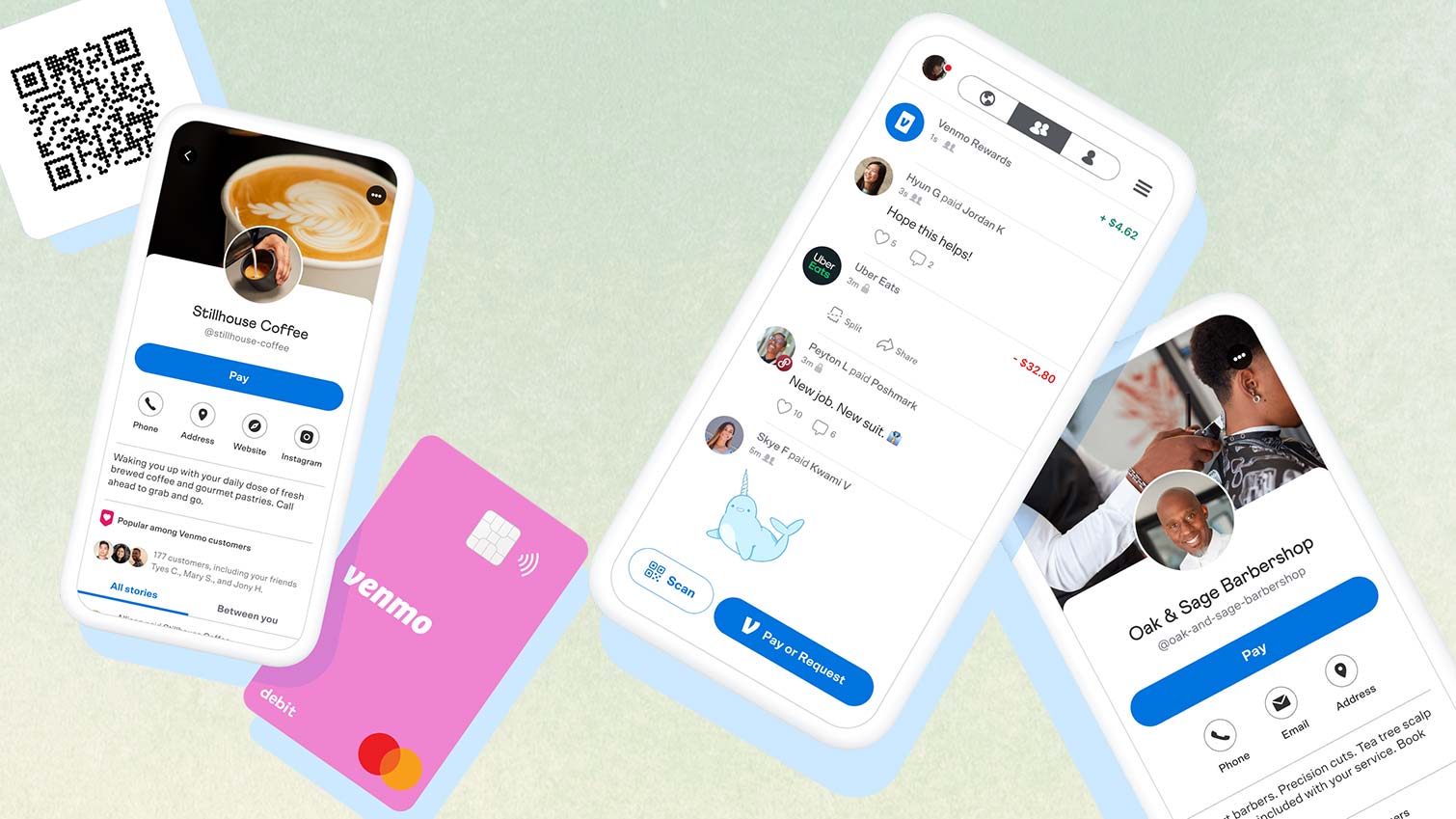
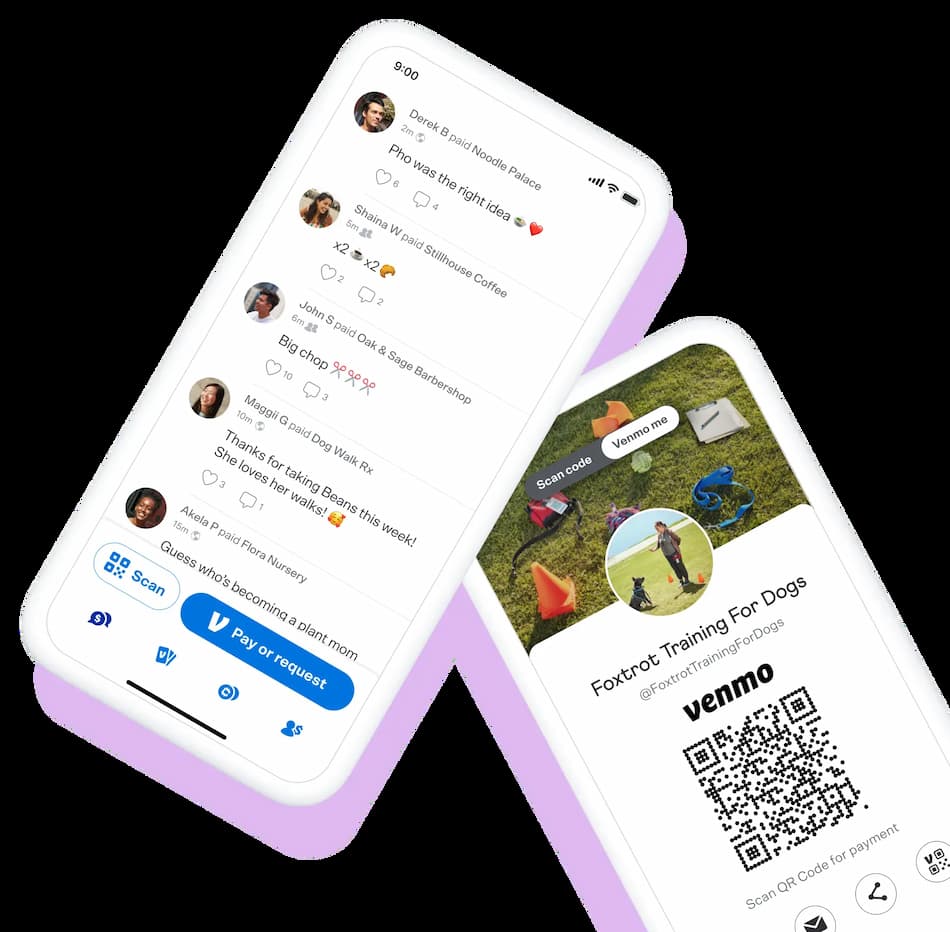
Venmo has also made strides in the brick-and-mortar retail space. For participating merchants, customers can make in-store purchases using Venmo’s QR code payment system. By scanning a merchant’s unique QR code displayed at the point of sale, users can quickly initiate and complete payments directly from their Venmo balance or linked funding source. This touchless payment method is particularly appealing for its speed and hygiene. Furthermore, some larger retailers and specific apps have integrated Venmo directly into their payment terminals or mobile applications, providing a seamless checkout flow that leverages the customer’s Venmo account without needing to scan codes. This expands Venmo’s financial reach from the digital realm to everyday physical shopping.
Leveraging Venmo for Small Businesses and Independent Contractors

Beyond established retailers, Venmo has become a lifeline for many small businesses, independent contractors, and freelancers. These entrepreneurs can accept payments from clients directly through the Venmo app, often at lower fees than traditional credit card processing, especially for authorized business transactions. For services like tutoring, pet sitting, personal training, or craft sales, Venmo provides an accessible and immediate way to receive income. The platform offers business profiles that allow entrepreneurs to manage transactions, track payments, and maintain a professional presence, thereby integrating Venmo as a crucial financial tool for managing their operational income and expenses.
Leveraging Venmo for Everyday Financial Management
Venmo’s utility extends beyond simple transactions, offering tools that can be integrated into a broader personal finance strategy. From dedicated payment cards to direct deposit capabilities, Venmo is increasingly positioning itself as a primary financial hub for its users.
The Venmo Debit Card and Venmo Credit Card
To bridge the gap between digital balances and physical spending, Venmo offers both a Mastercard Debit Card and a Visa Credit Card.
The Venmo Debit Card is directly linked to your Venmo balance. This means you can use your Venmo funds anywhere Mastercard is accepted, online or in stores, effectively turning your digital balance into spendable cash without needing to transfer it to a bank account first. It also allows for ATM withdrawals, providing traditional banking functionality through your Venmo account. This card is a powerful tool for those who prefer to keep their spending centralized within Venmo or who use it as their primary financial account.
The Venmo Credit Card, issued by Synchrony Bank, offers cashback rewards on eligible purchases, with the rewards automatically deposited into the user’s Venmo account. It categorizes spending to apply the highest cashback rates to the user’s top spending categories, adding a layer of financial incentive. Both cards integrate seamlessly with the Venmo app, providing transaction histories and management features, making them valuable additions to one’s financial toolkit.
Direct Deposit for Income and Side Hustles
For many, receiving income directly into a bank account is standard. Venmo has introduced a direct deposit feature, allowing users to receive their paychecks, government payments, or other direct deposits directly into their Venmo balance. By providing an account number and routing number associated with their Venmo account, users can bypass traditional banks and have their funds available in Venmo. This is particularly beneficial for managing income from side hustles or gig economy jobs where immediate access to funds within the Venmo ecosystem can be advantageous. It streamlines the financial flow for individuals who rely on Venmo for their daily spending and makes it a more comprehensive financial platform.
Budgeting, Transaction Tracking, and Instant Transfers
While Venmo doesn’t offer sophisticated budgeting tools, its transaction history serves as a basic ledger for tracking spending. Users can review their past payments and requests, helping them to monitor where their money is going. For more immediate financial needs, Venmo offers an “Instant Transfer” option, allowing users to move funds from their Venmo balance to a linked debit card or bank account typically within minutes, for a small fee. This provides critical liquidity, ensuring users can access their funds quickly when traditional bank transfers might take days. Standard bank transfers remain free but take 1-3 business days. These features, though seemingly minor, contribute to Venmo’s role as a practical tool for day-to-day financial management and quick access to funds.
Navigating Venmo’s Financial Ecosystem: Security and Best Practices
As with any financial tool, understanding the underlying mechanisms and adhering to best practices is paramount to ensuring security and optimizing usage. Venmo’s design incorporates features aimed at protecting users, but awareness and responsible usage are key.
Funding Sources and Transfer Options
Venmo supports several funding sources for payments: your Venmo balance, linked bank accounts, debit cards, and credit cards. When sending money, Venmo prioritizes your Venmo balance first. If insufficient, it draws from a linked debit card or bank account. Using a credit card incurs a 3% fee, making it generally less cost-effective for peer-to-peer payments. For receiving funds, money sent to you automatically lands in your Venmo balance. To move these funds out of Venmo, you can use either the free standard transfer to a linked bank account (1-3 business days) or the instant transfer option for a fee (typically 1.75%, minimum $0.25, maximum $25) to a linked debit card or bank account, with funds usually arriving in minutes. These varied options provide financial flexibility but require users to understand the associated costs and timelines.
Transaction Limits and Fees
Venmo implements various transaction limits to ensure security and manage risk. These limits vary based on account verification status and transaction type. For unverified accounts, limits are typically lower, while verified accounts (with confirmed identity, phone, email, and bank account) enjoy significantly higher weekly spending and transfer limits. Understanding these limits is crucial for managing larger financial transactions, especially for business use or significant personal expenses. While peer-to-peer payments are generally free when funded by a Venmo balance, bank account, or debit card, a 3% fee applies to credit card-funded payments. Instant transfers incur a fee, and certain business transactions may also have associated processing fees. Staying informed about these fees is essential for smart financial planning.
Protecting Your Financial Transactions
Venmo employs several security measures, including data encryption, fraud monitoring, and multi-factor authentication. However, users play a vital role in their own financial security. It is crucial to use strong, unique passwords, enable multi-factor authentication, and be wary of phishing attempts or scams. When sending money, double-check the recipient’s username to avoid sending funds to the wrong person, as Venmo transactions are generally irreversible. For business transactions, it’s advisable to use a dedicated business profile for the enhanced protection and record-keeping it offers. Regular monitoring of your Venmo transaction history for any suspicious activity is also a key financial habit that helps safeguard your funds and personal information.
In conclusion, Venmo has transcended its initial purpose as a simple peer-to-peer payment app to become a multifaceted financial tool. From effortlessly splitting bills and managing group expenses to facilitating online and in-store merchant payments, offering dedicated debit and credit cards, and even supporting direct deposits, Venmo integrates deeply into the contemporary financial landscape. Its convenience, speed, and widespread acceptance make it an invaluable component of personal and even small business finance. By understanding its capabilities, limitations, and security best practices, users can effectively leverage Venmo to streamline their financial interactions and gain greater control over their digital wallet.
aViewFromTheCave is a participant in the Amazon Services LLC Associates Program, an affiliate advertising program designed to provide a means for sites to earn advertising fees by advertising and linking to Amazon.com. Amazon, the Amazon logo, AmazonSupply, and the AmazonSupply logo are trademarks of Amazon.com, Inc. or its affiliates. As an Amazon Associate we earn affiliate commissions from qualifying purchases.