
Navigating Cash App ATM Withdrawals with Your Cash Card
The Cash App Cash Card operates much like a traditional debit card, offering users a tangible way to access the funds held within their Cash App balance. This physical card, linked directly to your Cash App account, facilitates everyday spending, online purchases, and critically, cash withdrawals from ATMs. Understanding its functionality is the first step toward efficient financial management within the Cash App ecosystem. Unlike some virtual-only payment solutions, the Cash Card provides a bridge to the conventional banking infrastructure, allowing for physical cash access when digital payments aren’t feasible or preferred.
Understanding Your Cash Card as a Debit Instrument
Your personalized Cash Card, issued by Sutton Bank and powered by the Visa network, grants you direct access to the funds in your Cash App account. It’s not a credit card; rather, it allows you to spend only what you have available. This fundamental debit functionality means that every transaction, whether a purchase at a retail store or an ATM withdrawal, directly debits your Cash App balance. For many users, the Cash Card serves as their primary spending tool, providing a seamless way to manage funds received through Cash App—whether from direct deposits, peer-to-peer transfers, or other income streams. Its widespread acceptance at millions of merchant locations worldwide that accept Visa debit cards makes it a versatile financial tool. Leveraging this card effectively requires an awareness of its capabilities and the network it operates within, particularly when it comes to cash access.
The Importance of ATM Network Affiliation
The convenience of withdrawing cash with your Cash Card hinges significantly on ATM network affiliations. While your Cash Card is a Visa debit card, the specific ATM network determines whether a withdrawal is fee-free or incurs charges. ATMs are typically part of larger networks such as Allpoint, Plus, Star, or Cirrus. When you use an ATM outside your card’s primary fee-free network, the ATM owner often imposes a surcharge. Cash App has strategically partnered with the Allpoint network to offer its users a vast selection of fee-free ATMs. Recognizing these network affiliations is paramount for avoiding unnecessary costs and maximizing the value of your Cash App funds. The network logo, usually displayed prominently on the ATM itself, serves as a crucial indicator of potential fees. Without a clear understanding of these affiliations, users might inadvertently incur fees that could have been easily avoided by choosing a network-affiliated ATM.
Unlocking Fee-Free ATM Access with Cash App
For Cash App users, the pursuit of fee-free ATM withdrawals is a critical aspect of managing personal finances effectively. While the convenience of accessing cash from any ATM is tempting, the associated fees can quickly erode your balance. Cash App has established specific mechanisms and partnerships to help users minimize or even eliminate these costs, particularly through its collaboration with a major ATM network and a unique fee reimbursement program tied to direct deposits. Understanding these provisions is key to making your money work harder for you.
The Allpoint Network Advantage
The cornerstone of fee-free ATM access for Cash App users is the Allpoint network. Allpoint boasts one of the largest networks of surcharge-free ATMs globally, with tens of thousands of locations primarily situated within popular retail stores, pharmacies, and convenience stores across the United States. This extensive coverage means that an Allpoint ATM is often just around the corner, whether you’re at a supermarket, a drugstore, or a gas station. When you use your Cash Card at an Allpoint ATM, you typically will not be charged any network access fee or surcharge by the ATM operator. This partnership significantly enhances the value proposition of the Cash Card, enabling users to withdraw cash without the common burden of ATM fees, provided they can locate an Allpoint machine. The accessibility and ubiquity of Allpoint locations make it a preferred choice for Cash App users seeking cost-effective cash withdrawals.
Identifying Fee-Free ATMs
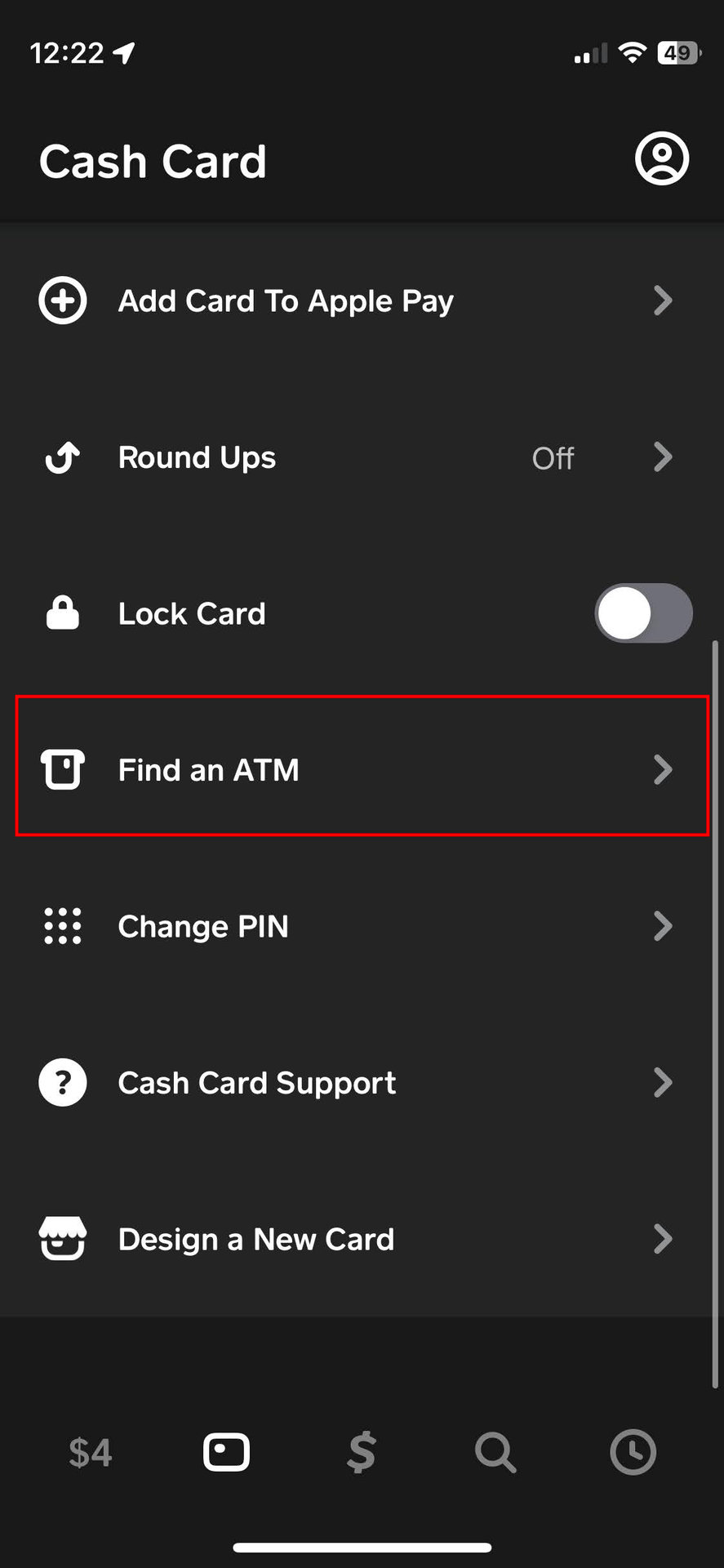
Locating a fee-free Allpoint ATM is straightforward, thanks to integrated tools and dedicated resources. The most convenient method is often through the Cash App itself. The application features an in-app map that allows users to search for nearby ATMs, clearly highlighting which ones belong to the Allpoint network. This feature provides real-time location data, ensuring you can quickly identify the closest surcharge-free option. Beyond the Cash App, users can also leverage the official Allpoint ATM locator, available on their website or as a dedicated mobile application. When physically approaching an ATM, always look for the prominent Allpoint logo, which is usually displayed on the machine or surrounding signage. Verifying the logo ensures that you are indeed using an Allpoint machine and can expect a fee-free transaction. A quick check can save you from unexpected charges and streamline your cash access experience.
Fee Reimbursement Mechanics for Direct Deposit Users
Cash App offers a significant benefit for users who utilize its direct deposit feature: ATM fee reimbursement. If you receive at least $300 in qualifying direct deposits into your Cash App account within a rolling 31-day period, Cash App will reimburse fees charged by out-of-network ATMs. This includes the fees charged by the ATM owner and any fees Cash App itself might levy for out-of-network withdrawals. Specifically, Cash App typically waives its own $2.50 fee for out-of-network withdrawals for eligible direct deposit users and also reimburses up to three ATM operator fees per month, up to a total of $7 in operator fees. This means that even if you can’t find an Allpoint ATM and are forced to use an out-of-network machine, you still have the potential to avoid or significantly reduce the associated costs. The direct deposit requirement encourages users to make Cash App their primary banking hub, rewarding them with enhanced financial flexibility and cost savings on ATM access. It’s an incentive designed to deepen user engagement while providing a tangible financial benefit.
Understanding ATM Fees and Withdrawal Limits
When using your Cash Card for ATM withdrawals, navigating the landscape of potential fees and understanding withdrawal limits are crucial for effective financial management. Without this knowledge, users can easily incur unexpected charges or find themselves unable to access the desired amount of cash. These parameters are put in place for various reasons, including operational costs, security, and regulatory compliance, and they directly impact your ability to utilize your funds.
Distinguishing Between Cash App and ATM Operator Fees
When you make an ATM withdrawal with your Cash Card, there are primarily two types of fees you might encounter: those charged by Cash App and those imposed by the ATM operator (the owner of the ATM machine). Ideally, when using an Allpoint ATM, both of these fees should be zero. However, when you venture outside the Allpoint network, the situation changes. The ATM operator will almost certainly levy a surcharge, typically ranging from $2.00 to $3.50, for the convenience of using their machine. This fee is clearly displayed on the ATM screen before you finalize the transaction, providing an opportunity to cancel if the fee is unacceptable. Cash App itself generally does not charge a fee for standard ATM withdrawals if you are using an Allpoint ATM. For out-of-network ATMs, Cash App historically charged a $2.50 fee in addition to the ATM operator’s fee, unless the user qualified for the direct deposit fee reimbursement program. It’s vital to differentiate these two fees as they originate from different entities and can compound the cost of a withdrawal if not managed carefully.
Navigating Out-of-Network ATM Charges
Using an ATM that is not part of the Allpoint network almost invariably means you will incur a fee from the ATM operator. These “surcharges” are independent of Cash App and are determined by the individual bank or company that owns the ATM. Before completing any transaction at an out-of-network ATM, the machine is legally required to display the surcharge amount. This is your critical moment to decide whether the convenience of the immediate cash withdrawal outweighs the cost. If you proceed, the surcharge will be deducted from your Cash App balance in addition to the amount of cash you withdraw. As previously mentioned, if you meet Cash App’s direct deposit criteria, you might be eligible for reimbursement of these fees, but it’s not guaranteed for every out-of-network transaction. Therefore, the most prudent financial strategy is always to prioritize Allpoint ATMs or to factor in the potential cost when using an out-of-network machine. Always be vigilant and review the on-screen prompts carefully to avoid unexpected deductions.
Cash App Withdrawal Limits
To ensure security and comply with financial regulations, Cash App imposes daily and weekly limits on ATM withdrawals. These limits are subject to change and may vary slightly, but generally, users can withdraw up to $1,000 per transaction and up to $1,000 per day from an ATM. There is also typically a weekly limit, which can be around $2,500. It’s important to note that these limits encompass all ATM withdrawals within the specified period. For example, if you withdraw $500 in the morning, you would only be able to withdraw an additional $500 that same day. These limits are in place to mitigate fraud and protect user funds, as well as to comply with anti-money laundering (AML) regulations. If you anticipate needing to withdraw a larger sum, it’s advisable to plan ahead and potentially spread your withdrawals over several days or consider alternative methods for accessing larger amounts of cash, such as transferring funds to a traditional bank account and withdrawing directly from there, though this comes with its own processing times.
Best Practices for Secure and Efficient Cash App ATM Use
Optimizing your experience with Cash App ATM withdrawals involves not just understanding the mechanics but also adopting best practices for security and efficiency. Managing your funds safely and accessing them conveniently are paramount for a positive financial journey. By adhering to a few key guidelines, users can safeguard their money, avoid unnecessary fees, and ensure seamless access to their cash when needed.
Prioritizing ATM Security
Security at the ATM is not just about protecting your Cash Card; it’s about protecting your entire financial well-being. Always choose ATMs in well-lit, public, and secure locations, ideally inside a bank branch or busy retail outlet during operating hours. Before inserting your card, visually inspect the ATM for any signs of tampering, such as loose card readers, suspicious keypads, or cameras pointing directly at the PIN pad. These could indicate a “skimmer” device designed to steal your card information. When entering your Personal Identification Number (PIN), always shield the keypad with your hand to prevent shoulder-surfing or hidden cameras from capturing it. After completing your transaction, remember to take your card, receipt, and cash. Be aware of your surroundings, and if anything feels amiss, cancel the transaction and consider using another ATM. Immediately report any lost or stolen Cash Card to Cash App support to prevent unauthorized transactions. Proactive vigilance is your strongest defense against ATM fraud.
Leveraging the In-App Locator
The Cash App’s built-in ATM locator is an invaluable tool for smart financial management. This feature, accessible directly within the Cash App interface, allows you to quickly find nearby ATMs that accept your Cash Card. Crucially, it highlights Allpoint ATMs, which are the key to fee-free withdrawals. By using the locator, you can plan your cash withdrawals in advance, ensuring you head to an ATM that won’t charge you extra fees. This saves time, avoids frustration, and most importantly, protects your balance from avoidable surcharges. Make it a habit to check the in-app map whenever you anticipate needing cash, especially when you’re in an unfamiliar area. Relying on the locator eliminates guesswork and empowers you to make informed decisions about where and how you access your funds.

Alternative Methods for Cash Access
While ATMs offer direct access to cash, they are not the only method available for Cash App users. For those seeking to avoid ATM fees entirely, even without qualifying for direct deposit reimbursement, or when an Allpoint ATM isn’t conveniently located, several alternatives exist. One common and often overlooked option is obtaining cashback at the point of sale. Many grocery stores, pharmacies, and retail outlets offer the option to receive cash back when making a debit card purchase. For instance, when paying for groceries, you might be asked if you’d like an additional $20 or $40 cash back. This transaction typically incurs no fee and functions identically to an ATM withdrawal, directly deducting the requested cash amount from your Cash App balance. Another method, though less immediate, involves transferring your Cash App funds to a linked traditional bank account. Once the funds are in your bank account, you can then withdraw them fee-free from your bank’s ATMs or through a teller. This option requires planning due to transfer times but provides a reliable way to access larger sums without incurring Cash App or ATM operator fees. Understanding these alternatives provides greater flexibility and control over your cash flow.
aViewFromTheCave is a participant in the Amazon Services LLC Associates Program, an affiliate advertising program designed to provide a means for sites to earn advertising fees by advertising and linking to Amazon.com. Amazon, the Amazon logo, AmazonSupply, and the AmazonSupply logo are trademarks of Amazon.com, Inc. or its affiliates. As an Amazon Associate we earn affiliate commissions from qualifying purchases.