
Cash App has evolved beyond a simple peer-to-peer payment service, venturing into a broader array of financial tools designed to meet diverse user needs. Among these, the “Borrow” feature stands out as a crucial option for individuals seeking short-term financial assistance. While some users might assume a physical Cash Card is a prerequisite for accessing this lending facility, the process is primarily tied to account eligibility and activity, rather than direct card ownership or usage. Understanding how to navigate this feature effectively, especially without the immediate involvement of a physical card, can be a game-changer for managing unexpected expenses.
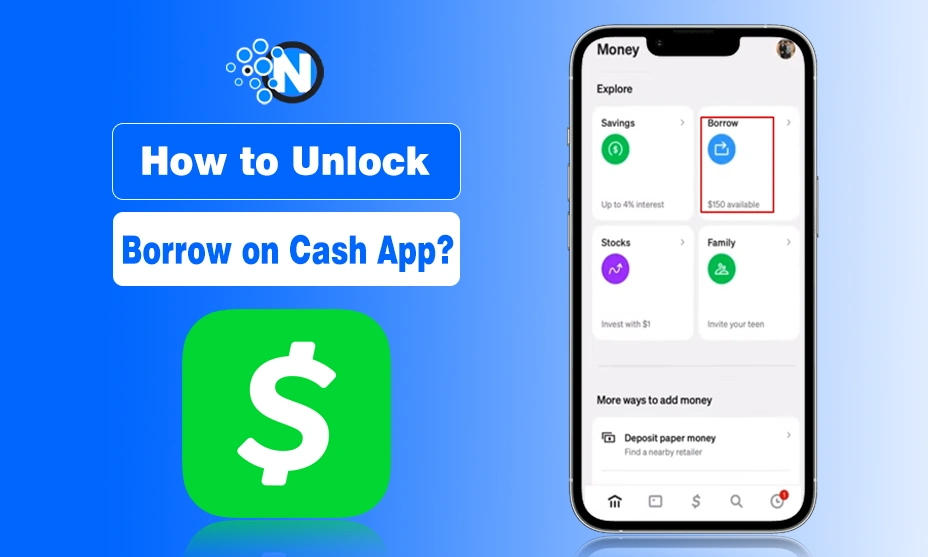
Understanding Cash App Borrow: A Financial Tool for Short-Term Needs
Cash App Borrow functions as a short-term loan program, offering users a lifeline for managing minor financial gaps between paychecks. It’s designed to provide quick access to funds, typically ranging from $20 to $200, which are expected to be repaid within a defined period, usually four weeks, along with a flat fee. This feature positions Cash App as more than just a payment platform; it becomes a direct financial utility that can influence personal financial stability.
What is Cash App Borrow?
Cash App Borrow essentially extends small, unsecured loans to eligible users. The amount available for borrowing depends on various factors, including a user’s Cash App usage history, direct deposit frequency, and overall financial behavior within the app. Unlike traditional loans that might involve extensive paperwork and credit checks, Cash App Borrow leverages its existing user data to determine eligibility and loan terms. The primary purpose is to offer a convenient and accessible solution for urgent, small-scale financial needs without the complexities often associated with conventional lending. Repayment terms are typically straightforward, involving the principal amount plus a fixed fee, usually 5% of the loan amount, due within four weeks.
The Role of the Cash Card vs. Borrow Feature
It’s crucial to distinguish between the Cash Card and the Borrow feature itself. The Cash Card is a physical, customizable debit card linked to your Cash App balance. It allows users to spend their Cash App funds at merchants, withdraw cash from ATMs, and generally operate like a standard debit card. It serves as a means to access and spend funds held within your Cash App account, including any funds borrowed and disbursed into your balance.
However, the Cash Card is not a requirement to unlock or activate the Borrow feature. The eligibility and access to the Borrow function are determined by your activity and relationship with Cash App itself, primarily through your linked bank account and regular app usage. While having a Cash Card can enhance your overall Cash App experience by providing immediate access to your funds, including borrowed ones, it does not directly enable the Borrow feature. The “without card” aspect truly refers to the activation process, which does not necessitate card ownership or activation.
Eligibility Criteria: Paving Your Way to Cash App Borrow
Access to Cash App Borrow is not universal. It’s a feature extended to a select group of users based on a proprietary algorithm that assesses several factors. Understanding these criteria is the first step toward unlocking the borrowing capability, even without a physical card in hand.
Key Factors for Access
Cash App’s algorithm considers a blend of financial behaviors and account characteristics to determine eligibility:
- State Residency: Currently, Cash App Borrow is not available in all states due to varying lending regulations. Availability is limited, and users must reside in a state where the service is operational.
- Regular Activity: Consistent and active use of Cash App is a significant factor. This includes sending and receiving payments regularly, which demonstrates engagement with the platform.
- Direct Deposit Setup: Users who have set up direct deposits of their paychecks, unemployment benefits, or other regular income into their Cash App account are often prioritized. This signals financial stability and a reliable source of income for repayment. The larger and more frequent the direct deposits, the higher the likelihood of eligibility.
- Credit History and Score (Implicit): While Cash App doesn’t perform a hard credit pull, its internal algorithm likely assesses factors that indirectly reflect creditworthiness. This could include your history of using other Cash App services, any previous borrowing history (if applicable), and potentially data from linked financial accounts. A history of responsible financial behavior within the app strengthens your profile.
- Account Verification: Fully verifying your Cash App account by providing your full name, date of birth, and the last four digits of your Social Security Number (and sometimes full SSN) is essential. This allows Cash App to confirm your identity and ensure regulatory compliance.
Why Some Users Don’t See the Option
Many users report not seeing the Borrow option in their app, even if they meet some of the general criteria. Several reasons contribute to this:
- Beta Program Status: Cash App Borrow was initially launched as a limited beta program, meaning it was rolled out to a small percentage of users first. While it has expanded, it may still not be universally available to all eligible users immediately.
- Geographical Restrictions: As mentioned, state-specific lending laws mean the feature is not available everywhere. Users in unsupported states will not see the option.
- Insufficient Account Activity or History: If your Cash App account is relatively new, or if you don’t use it frequently for transactions, especially direct deposits, you might not meet the internal activity thresholds required by the algorithm.
- Creditworthiness Concerns: Even without a traditional credit check, Cash App’s internal assessment might deem a user’s profile as too risky based on their specific usage patterns or linked account data.
- Outdated App Version: An outdated Cash App version might not display the latest features. Ensuring your app is always updated is a simple yet crucial step.
Step-by-Step Guide to Accessing the Borrow Feature
For those who are eligible, unlocking the Borrow feature on Cash App is a straightforward process that primarily involves navigating the app’s interface. The key is to ensure your account meets the underlying requirements, which, as we’ve established, do not include owning a physical Cash Card.
Ensuring Your App is Ready
Before attempting to find the Borrow feature, take these preparatory steps:
- Update Cash App: Always ensure your Cash App is updated to the latest version. Developers frequently release updates that introduce new features, improve security, and fix bugs. You can check for updates in your device’s app store (Google Play Store for Android, Apple App Store for iOS).
- Verify Your Account: Confirm that your Cash App account is fully verified. This typically involves linking a bank account, providing your full legal name, date of birth, and the last four digits of your Social Security Number. A verified account not only increases your chances of eligibility but also expands your transaction limits.
- Link a Bank Account: This is paramount. For the “without card” aspect, your linked bank account serves as the primary gateway for funds. It’s where the borrowed money will be deposited, and from where repayments will typically be drawn. Ensure your linked bank account is active and in good standing.
Navigating the App
Once your app is ready, follow these steps to check for and initiate the Borrow feature:

- Open Cash App: Launch the application on your smartphone.
- Navigate to the Banking Tab: Look for the banking icon, which typically resembles a house or a bank building, at the bottom left of your screen. Tap on it. This tab displays your Cash App balance.
- Scroll Down: Within the Banking tab, scroll down past your balance, direct deposit information, and other banking-related options.
- Look for “Borrow”: If you are eligible and the feature is available in your region, you should see a section labeled “Borrow” or “Enable Borrow.” It might also appear under the “Money” or “Investing” tab for some users, but the Banking tab is the most common location.
- Initiate Borrowing: If you see the “Borrow” option, tap on it. You will then be guided through the process of determining your loan limit, reviewing the terms and conditions (including the repayment schedule and fees), and finally, accepting the loan. The funds will typically be disbursed into your Cash App balance almost instantly upon approval.
The “Without Card” Nuance
The absence of a physical Cash Card during this activation process is a non-issue. As long as you have a verified Cash App account linked to a valid bank account, you possess the necessary infrastructure to both receive the borrowed funds and make repayments. The Cash Card comes into play after the loan is disbursed, if you choose to spend the borrowed money directly from your Cash App balance using the card. However, you can also transfer the funds from your Cash App balance to your linked bank account, effectively using the borrowed money without ever touching a physical Cash Card. The core requirement is the digital connection to your financial institutions, not the plastic itself.
Navigating Repayment and Responsible Borrowing
Accessing short-term credit through Cash App Borrow can be a valuable financial tool, but it comes with the critical responsibility of timely repayment. Understanding the terms and adopting smart financial habits are essential to leverage this feature positively without falling into debt.
Understanding Loan Terms and Fees
When you accept a Cash App Borrow loan, you’re agreeing to specific terms:
- Loan Amount: Typically ranges from $20 to $200.
- Repayment Period: Usually four weeks from the date of the loan.
- Flat Fee: A 5% fee is usually applied to the loan amount. For instance, a $100 loan would incur a $5 fee, meaning you repay $105. It’s crucial to calculate this fee against the short repayment period, as it can represent a high Annual Percentage Rate (APR) compared to traditional loans. For a four-week loan, a 5% fee translates to an APR of approximately 60%, highlighting the cost of convenience for short-term borrowing.
- Repayment Schedule: Cash App typically sets up automatic deductions from your linked bank account or Cash App balance on the due date. It’s imperative to ensure sufficient funds are available to avoid overdraft fees from your bank and potential negative impacts on your Cash App Borrow eligibility for future use.
Strategies for Timely Repayment
Responsible repayment is critical for maintaining a good standing with Cash App and preventing financial stress:
- Budgeting: Integrate the loan repayment into your personal budget. Know exactly when the funds are due and ensure that money is set aside.
- Automatic Deductions: While Cash App often sets this up, double-check that automatic deductions are enabled and that your linked bank account has sufficient funds. This prevents missed payments due to oversight.
- Early Repayment: If possible, repay the loan early. While the fee remains fixed, settling the debt sooner provides peace of mind and frees up your finances.
- Emergency Fund: View Cash App Borrow as a last resort. Build a small emergency fund to cover unexpected expenses, reducing reliance on short-term loans.
The Importance of Financial Prudence
While Cash App Borrow offers a convenient solution, it should be used judiciously. Over-reliance on short-term loans can lead to a cycle of debt, especially given the relatively high fees compared to longer-term credit options. Always assess whether borrowing is truly necessary and if you have a clear plan for repayment. Consider the long-term implications for your financial health before committing to any loan. Responsible use of this financial tool can enhance your financial flexibility, but misuse can create significant challenges.
Exploring Alternatives to Cash App Borrow
Should the Cash App Borrow feature be unavailable or not suit your financial needs, a variety of other financial tools and strategies can provide assistance. It’s beneficial to be aware of these alternatives to ensure you always have options for managing unexpected expenses or securing necessary funds.
Other Financial Apps and Services
The fintech landscape is rich with alternatives that offer similar or broader lending services:
- Payday Loan Alternatives: Apps like Dave, Brigit, and Earnin offer small cash advances, often with lower fees or subscription models, by analyzing your income and spending habits. These are designed to bridge gaps between paychecks without the high interest rates of traditional payday loans.
- Micro-Lending Platforms: Various online platforms specialize in smaller personal loans, sometimes with more flexible terms than traditional banks. Researching reputable platforms can yield options.
- Credit Builder Loans: If your goal is not just to borrow but also to improve your credit score, consider credit-builder loans offered by some financial institutions or specific apps. These loans help you establish a positive payment history.
Traditional Lending Options
For larger sums or different terms, traditional financial institutions remain viable:
- Credit Unions: These member-owned institutions often offer more favorable loan terms and lower interest rates than commercial banks, especially for personal loans, due to their community-focused mission.
- Personal Loans from Banks: If you have a good credit score, traditional banks or online lenders can offer personal loans with competitive interest rates and longer repayment periods, making them suitable for larger expenses.
- Secured Loans: If you have assets (like a car or savings account), secured loans can offer lower interest rates because the collateral reduces the lender’s risk.
- 0% APR Credit Cards: For immediate needs, if you have good credit, a credit card with an introductory 0% APR period can act as a short-term, interest-free loan, provided you pay it off before the promotional period ends.
Building a Strong Financial Foundation
Ultimately, the most effective strategy for managing financial needs is to build a robust personal financial foundation:
- Emergency Fund: Consistently setting aside savings specifically for unexpected events can eliminate the need for short-term borrowing. Aim for at least three to six months’ worth of living expenses.
- Credit Score Improvement: A higher credit score opens doors to better loan rates and more favorable financial products. Focus on paying bills on time, keeping credit utilization low, and regularly checking your credit report for errors.
- Budgeting and Financial Planning: Regular budgeting helps you understand where your money goes, identify areas for savings, and proactively plan for future expenses, reducing the likelihood of needing emergency loans.
- Multiple Income Streams: Exploring side hustles or investing in skills that can generate additional income provides a buffer against financial shocks and can help you achieve financial goals faster.
By understanding all available financial tools, including Cash App Borrow, and strategically building your financial resilience, you can navigate unforeseen expenses confidently and make informed decisions that support your long-term financial well-being.
aViewFromTheCave is a participant in the Amazon Services LLC Associates Program, an affiliate advertising program designed to provide a means for sites to earn advertising fees by advertising and linking to Amazon.com. Amazon, the Amazon logo, AmazonSupply, and the AmazonSupply logo are trademarks of Amazon.com, Inc. or its affiliates. As an Amazon Associate we earn affiliate commissions from qualifying purchases.