
In the rapidly evolving landscape of personal finance, digital payment applications like Cash App have become indispensable tools for millions. Offering unparalleled convenience for sending, receiving, spending, and even investing money, Cash App has transformed how individuals manage their day-to-day finances. However, beneath the surface of seemingly seamless transactions lies a complex structure of fees that, if not understood, can subtly erode your financial well-being. For the financially savvy user, understanding “how much is Cash App fee” isn’t merely a query about charges; it’s a critical component of effective personal finance management, budgeting, and optimizing digital transactions.

This guide delves into the specifics of Cash App’s fee structure, dissecting the costs associated with its various services. Our aim is to provide an insightful, professional, and engaging overview that empowers users to make informed financial decisions, minimize unnecessary expenses, and integrate Cash App strategically into their broader personal finance strategy.
Understanding the Core: When Cash App is “Free” and When It’s Not
The allure of Cash App often begins with its promise of “free” money transfers. While this holds true for many fundamental transactions, a deeper look reveals specific scenarios where fees apply. Grasping this distinction is the first step toward becoming a financially astute Cash App user.
Standard Transfers: Sending and Receiving Money
At its heart, Cash App excels as a peer-to-peer payment service. Sending money to friends, family, or paying for goods and services from individuals using your linked debit card or Cash App balance is typically free. Similarly, receiving money from others into your Cash App balance incurs no charge. This core functionality is what makes Cash App a popular choice for splitting bills, contributing to group gifts, or making quick payments.
The “free” aspect extends to standard deposits from your Cash App balance to your linked bank account. These transfers usually take 1-3 business days to process and are offered at no additional cost. This provides a no-fee pathway for users to move funds between their digital wallet and traditional banking institutions, provided they are not in a rush.
The Cost of Speed: Instant Deposits Explained
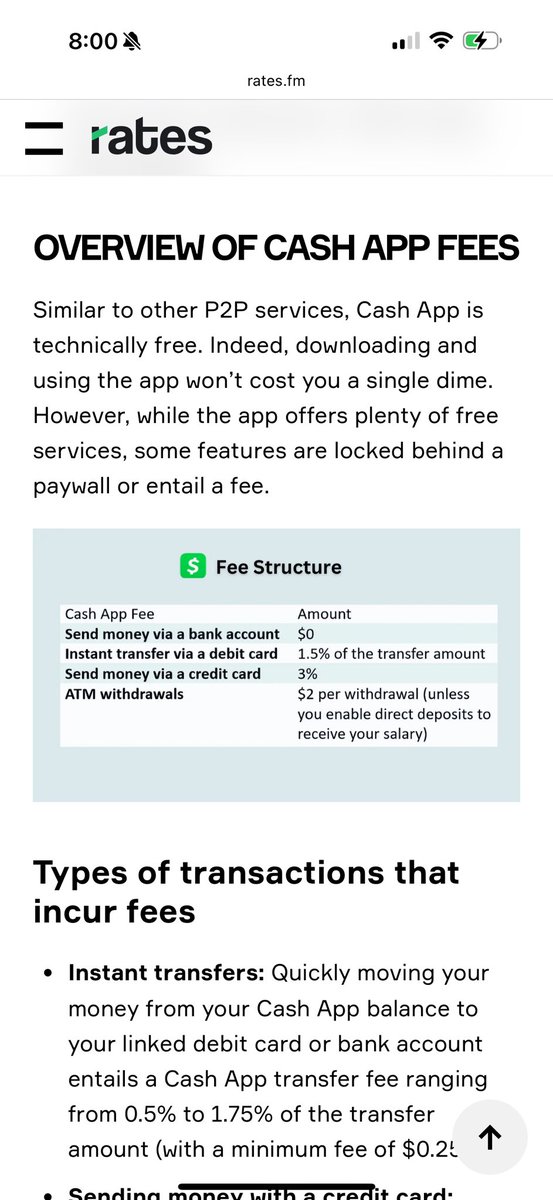
Convenience often comes at a price, and with Cash App, this is most evident in its instant deposit feature. When you need immediate access to funds from your Cash App balance in your linked bank account, Cash App facilitates this expedited transfer for a fee. Historically, this fee is a percentage of the transferred amount, often around 0.5% to 1.75%, with a minimum charge for smaller transfers. For example, if the fee is 1.5%, moving $100 instantly to your bank account would cost you $1.50.
While seemingly small, these instant deposit fees can accumulate over time, especially for frequent users or those who regularly transfer larger sums. For individuals managing tight budgets, consistently incurring these charges can impact their overall available funds. It’s a classic financial trade-off: pay for speed or wait for free. Strategic financial planning often advises opting for standard transfers whenever possible to avoid these cumulative costs.
Cash App Card: Debit Features and ATM Access
The Cash App Card, a free, customizable Visa debit card, extends the utility of your Cash App balance into the physical world. It allows users to spend funds directly from their Cash App balance wherever Visa is accepted, both online and in-store, without incurring any transaction fees from Cash App itself. This makes it a powerful tool for day-to-day spending and budgeting directly from your digital wallet.
However, the “free” aspect changes when it comes to ATM withdrawals. While Cash App does not charge a fee for the first ATM withdrawal after you receive $300 or more in direct deposits within a rolling 31-day period, subsequent withdrawals (or withdrawals if you don’t meet the direct deposit criteria) typically incur a fee from Cash App. This fee is often a flat rate, such as $2.00, in addition to any charges levied by the ATM operator. These combined fees can make frequent ATM withdrawals through your Cash App Card an expensive endeavor. For optimal financial management, users should prioritize using the card for purchases rather than cash withdrawals, or strategically leverage the direct deposit feature to waive Cash App’s ATM fees.
Beyond Peer-to-Peer: Exploring Investment and Cryptocurrency Fees
Cash App has expanded its services beyond simple money transfers, venturing into the realms of investment and cryptocurrency. While this diversification offers exciting new avenues for users to grow their wealth, it also introduces a new set of fees and financial considerations that require careful attention.
Bitcoin Transactions: Understanding Spreads and Service Fees
Cash App has made buying and selling Bitcoin remarkably accessible, democratizing cryptocurrency investment for many. However, purchasing Bitcoin through Cash App is not entirely without cost. Users typically encounter two primary forms of charges:
- Service Fee: This is a direct fee applied to each Bitcoin purchase or sale, usually a percentage of the transaction amount.
- Price Spread: In addition to the service fee, Cash App incorporates a “spread” into the Bitcoin price. This means the price you see and pay is slightly higher than the prevailing market rate when buying, and slightly lower when selling. This spread is how Cash App often makes a portion of its profit on crypto transactions and can add to the overall cost of acquiring or liquidating your Bitcoin.
For investors, understanding both the service fee and the price spread is crucial for calculating the true cost of their Bitcoin transactions and assessing their potential returns. While Cash App’s fees might be competitive for small, casual investments, frequent or large-scale traders might find other dedicated cryptocurrency exchanges offering lower cumulative costs, depending on their trading volume and strategy.
Stock Investing: Navigating Commission-Free Trading
Cash App also offers commission-free stock trading, allowing users to buy fractional shares of thousands of stocks and Exchange Traded Funds (ETFs) with as little as $1. This feature has significantly lowered the barrier to entry for stock market investing, appealing to beginners and those with limited capital.
The term “commission-free” means Cash App itself does not charge a fee for buying or selling stocks. This is a significant advantage, especially when compared to traditional brokerages that historically charged per-trade commissions. However, it’s important for investors to be aware of other potential, albeit indirect, costs:
- SEC & FINRA Fees: Very small regulatory fees might apply to sell orders of stocks, though these are typically negligible for most retail investors.
- Market Spreads: While not a direct fee from Cash App, the difference between the buy and sell price of a stock (the bid-ask spread) is a market reality that can slightly impact transaction costs, especially for less liquid stocks.
- Pattern Day Trader Rules: While Cash App doesn’t charge for trades, frequent trading in a margin account (though Cash App primarily deals with cash accounts for stocks) can trigger Pattern Day Trader (PDT) rules, which have specific financial implications and requirements from regulatory bodies.
For most casual investors using Cash App for stock purchases, the “commission-free” promise largely holds true, making it an attractive platform for initial forays into the stock market and building a diversified portfolio with minimal transaction costs.

Tax Implications for Digital Assets and Investments
Beyond direct fees, using Cash App for investments, especially Bitcoin, introduces significant tax considerations. The IRS classifies cryptocurrencies as property, meaning that selling Bitcoin for a profit (even exchanging it for another cryptocurrency) is a taxable event. Similarly, profits from stock sales are subject to capital gains taxes.
While Cash App itself does not deduct taxes directly from your transactions (unless specifically instructed for certain accounts or scenarios), it does typically provide users with tax documents, such as 1099-B forms for investment sales, to assist with reporting. For individuals actively trading or investing through Cash App, understanding their tax obligations and potentially consulting with a tax professional is an essential part of responsible financial management. Ignoring these implications can lead to significant financial penalties down the line.
Strategic Cost Management: Minimizing Cash App Expenses
Effective personal finance isn’t just about earning more; it’s also about spending less, especially on avoidable fees. With Cash App, several strategic approaches can help users minimize their expenses and maximize the value they derive from the platform.
Planning Ahead: Opting for Standard Deposits
The most straightforward way to avoid instant deposit fees is to plan your finances in advance. By anticipating when you’ll need funds in your bank account, you can opt for the free, standard deposit option, which typically takes 1-3 business days. This requires a bit of foresight and budgeting but can result in significant savings over time, especially for users who frequently move money between Cash App and their bank. Incorporating this habit into your financial routine can bolster your savings.
Utilizing Your Cash App Card Wisely
To mitigate ATM withdrawal fees, maximize the utility of your Cash App Card for direct purchases. Use it for groceries, online shopping, bills, and any other expenses where Visa is accepted. This leverages the card’s fee-free spending capabilities. If you absolutely need cash, strategically accumulate at least $300 in direct deposits within a 31-day period to qualify for Cash App’s fee reimbursement on ATM withdrawals. Alternatively, consider using cashback options at retailers when making purchases, which often allow you to receive cash without an explicit ATM fee, though the retailer might have their own policies.
Comparing Costs: Cash App vs. Other Financial Tools
No single financial tool is perfect for every need. Before committing to a transaction on Cash App that might incur a fee, consider whether alternative platforms offer a more cost-effective solution for that specific need.
- Instant Transfers: For instant transfers to bank accounts, compare Cash App’s fees with those of Venmo, PayPal, or Zelle. Zelle, integrated with many banks, often offers instant transfers without fees.
- Cryptocurrency: For significant Bitcoin investments or active trading, dedicated cryptocurrency exchanges (e.g., Coinbase Pro, Binance) might offer lower trading fees and tighter spreads, though they might have a steeper learning curve.
- Stock Investing: While Cash App is great for commission-free fractional shares, full-service brokerages might offer more advanced research tools, a wider range of investment products (like mutual funds or options), or specialized accounts if your investing needs grow beyond basic stock purchases.
Regularly evaluating your financial toolset and choosing the most efficient option for each transaction is a hallmark of sound financial management.
The Broader Financial Picture: Cash App in Your Personal Finance Strategy
Integrating Cash App effectively into your personal finance strategy goes beyond just understanding fees; it involves leveraging its features to support your overall financial goals, while also being mindful of security and consumer protections.
Budgeting with Digital Payment Apps
Cash App can be a valuable tool for budgeting, especially for managing discretionary spending or specific categories of expenses. By using your Cash App balance and card for certain types of expenditures, you can easily track those costs separately from your main bank account. For instance, you could load a weekly “fun money” budget onto Cash App, making it easier to stick to your spending limits without dipping into essential funds. The app’s transaction history provides a clear record of spending, which can be useful for review and adjustment.
Security and Consumer Protection Considerations
While highly convenient, digital payment apps like Cash App are also targets for scams and fraud. Users must remain vigilant. Understanding Cash App’s security features—like PIN protection, Touch ID, and payment verification—is crucial. However, it’s equally important to be aware that Cash App transactions are generally instant and irreversible, meaning that once money is sent, it’s often difficult to recover it if sent to the wrong person or to a scammer. For this reason, users should:
- Only send money to people they know and trust.
- Double-check recipient details before confirming any payment.
- Be wary of unsolicited offers or requests for money.
- Report suspicious activity immediately.
Unlike traditional bank accounts, which benefit from extensive FDIC insurance (for deposits) and strong regulatory protections for unauthorized transactions, the protections for peer-to-peer payment app balances and transactions can sometimes be less comprehensive. Users should familiarize themselves with Cash App’s specific terms regarding fraud and unauthorized use.
The Value Proposition: Convenience vs. Cost
Ultimately, using Cash App, like any financial tool, involves weighing its value proposition. Its convenience, speed, and integrated features for sending money, spending, and investing are undeniably powerful. For many, these benefits outweigh the potential costs associated with certain transactions. However, the financially astute individual understands that “convenience” should not always mean “expensive.” By being fully aware of Cash App’s fee structure, planning transactions, and strategically choosing between its services and alternatives, users can enjoy the significant benefits of the app while keeping their personal finance goals firmly in sight.
Conclusion: Making Informed Financial Decisions with Cash App
Cash App has cemented its position as a versatile and widely adopted digital financial tool. Its capacity to simplify peer-to-peer payments, facilitate spending, and provide accessible entry points into investing and cryptocurrency is invaluable for many. However, the maxim “there’s no such thing as a free lunch” often applies to financial services.
By thoroughly understanding “how much is Cash App fee” across its various offerings—from instant deposits and ATM withdrawals to Bitcoin transactions and stock investing—users are empowered to navigate the platform with greater financial intelligence. Strategic planning, judicious use of its features, and a willingness to compare costs with alternative solutions are key to minimizing expenses and maximizing the financial utility of Cash App. Ultimately, an informed approach ensures that this powerful digital tool remains an asset, supporting your personal finance journey rather than subtly draining your resources.
aViewFromTheCave is a participant in the Amazon Services LLC Associates Program, an affiliate advertising program designed to provide a means for sites to earn advertising fees by advertising and linking to Amazon.com. Amazon, the Amazon logo, AmazonSupply, and the AmazonSupply logo are trademarks of Amazon.com, Inc. or its affiliates. As an Amazon Associate we earn affiliate commissions from qualifying purchases.