
Navigating the landscape of peer-to-peer payment applications requires a clear understanding of their fee structures, especially when dealing with significant sums. Cash App, a ubiquitous platform for sending, receiving, and managing money, offers various methods for users to access their funds. However, the cost of converting your digital balance into tangible cash or a quick bank transfer can vary dramatically depending on your chosen method. For users looking to cash out a substantial amount like $1000, understanding these charges is paramount to avoid unexpected deductions and maximize the value of their money. This article delves into Cash App’s fee policies specifically concerning cashing out $1000, providing an insightful guide for personal finance management.

Understanding Cash App’s Cash-Out Options and Their Costs
Cash App provides users with several avenues to withdraw or transfer their funds, each with its own associated costs and processing times. The primary distinction lies between standard and instant deposit options, with additional considerations for using the Cash Card for direct spending or ATM withdrawals. For a sum like $1000, the choice of method can directly impact the final amount you receive and how quickly you receive it.
Standard Deposit: The Free Option
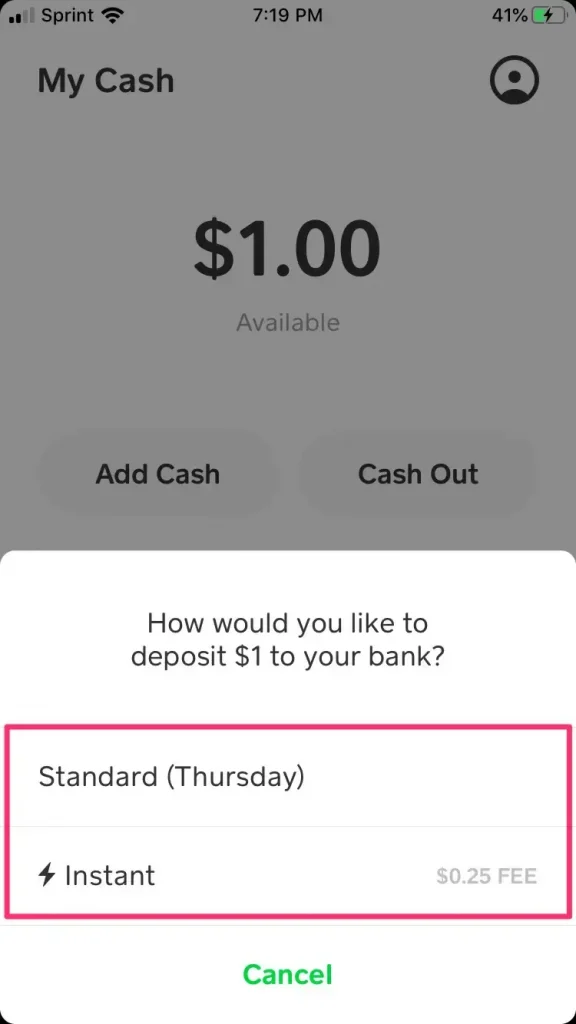
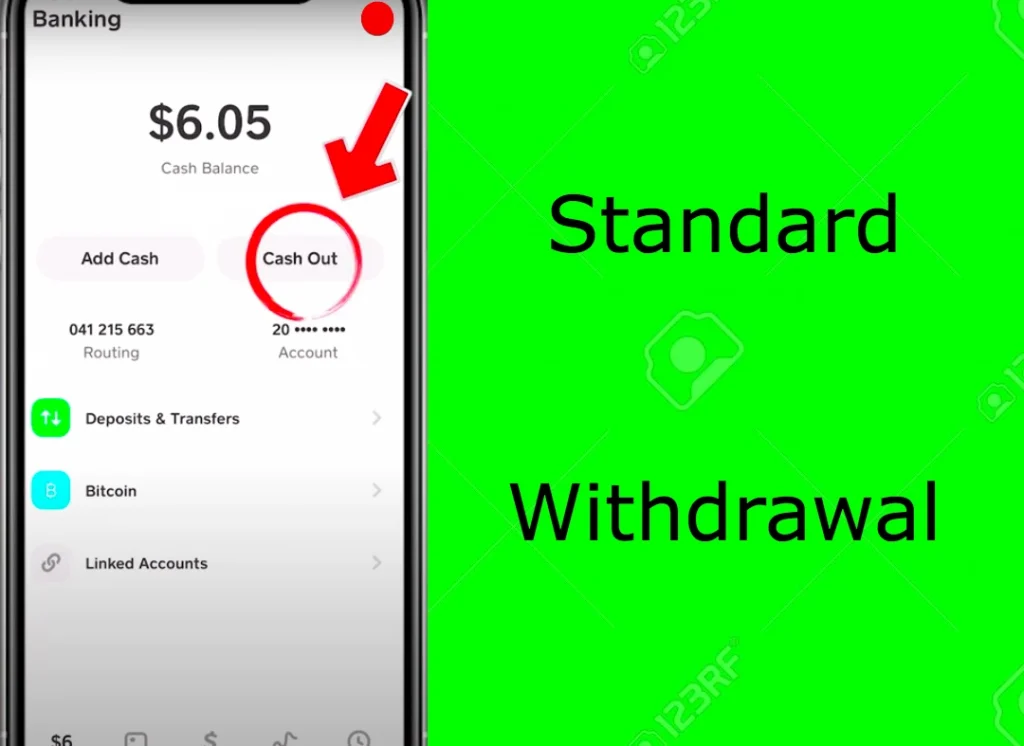
The most economical way to cash out funds from Cash App is through the standard deposit method. When you opt for a standard deposit, Cash App transfers your balance to your linked bank account, typically within 1 to 3 business days. This service is entirely free, making it the preferred choice for users who are not in a rush to access their funds. For a $1000 cash out, choosing the standard deposit means the full $1000 will arrive in your bank account without any deductions from Cash App’s end. This option aligns perfectly with sound personal finance principles, prioritizing cost savings over immediate gratification, especially for non-urgent transactions.
Instant Deposit: Speed at a Price
For those moments when time is of the essence, Cash App offers an instant deposit feature. This option allows you to transfer your Cash App balance to your linked debit card almost immediately, often within seconds. The convenience of instant access, however, comes with a fee. Cash App charges a 0.5% to 1.75% fee for instant deposits. This percentage is applied to the total amount being transferred. While this fee might seem small for minor transactions, it can add up significantly when cashing out larger sums like $1000. The precise percentage can sometimes vary based on factors such as your account history or regional specifics, though it typically hovers around 1.5%.
Cash App Card and ATM Withdrawals
Another way to access funds is through the Cash App Card, a customizable, free debit card linked directly to your Cash App balance. The Cash Card can be used for purchases online or in physical stores wherever Visa is accepted, effectively allowing you to spend your Cash App balance without formally “cashing out” to a bank account.
For those who prefer physical cash, the Cash Card also facilitates ATM withdrawals. However, using your Cash Card at an ATM can incur fees. Cash App itself charges a $2 fee for ATM withdrawals if you don’t have direct deposits of $300 or more into your Cash App account each month. Additionally, the ATM operator may levy their own surcharge. Therefore, withdrawing $1000 through an ATM could potentially involve multiple fees: Cash App’s $2 fee (if applicable) plus any third-party ATM fees. This method, while convenient for smaller sums, becomes less financially attractive for larger amounts due to the cumulative charges involved.
The $1000 Scenario: Calculating Your Potential Fees
Let’s break down the actual costs you might face when cashing out $1000 using Cash App, considering the different options available. Understanding these calculations is crucial for effective financial planning and decision-making.
Instant Deposit Fee for $1000
If you choose the instant deposit option for $1000, you will be subject to Cash App’s instant deposit fee, typically ranging from 0.5% to 1.75%. Assuming an average fee of 1.5%, the calculation would be:
$1000 * 1.5% = $15
In this scenario, to cash out $1000 instantly, you would pay a fee of $15, meaning $985 would arrive in your linked debit card account. If the fee were at the lower end (0.5%), it would be $5, and at the higher end (1.75%), it would be $17.50. This direct cost highlights the premium paid for immediate access to funds, a trade-off many users make for convenience.
Impact of Linked Bank Accounts vs. Debit Cards
The distinction between a linked bank account and a linked debit card is fundamental to Cash App’s fee structure.
- Linked Bank Account: This is used for standard deposits, which are free but take 1-3 business days. For $1000, this means no fee.
- Linked Debit Card: This is used for instant deposits, which incur a fee but are immediate. For $1000, this means a fee of $5 to $17.50 (assuming 0.5% to 1.75%).
It’s important to ensure your desired destination (bank account or debit card) is correctly linked and selected within the app to avoid unintended fees or delays. Properly managing your linked financial instruments is a basic yet critical aspect of utilizing digital financial tools efficiently.
Strategies to Minimize Cash Out Fees on Cash App
Minimizing fees is a key aspect of smart personal finance. While Cash App offers convenient services, being strategic about how you cash out can save you a notable amount, especially with larger sums like $1000.
Prioritizing Standard Deposits
The most straightforward and effective strategy to avoid cash-out fees on Cash App is to consistently opt for the standard deposit method. By planning your withdrawals in advance and allowing for the 1-3 business day processing period, you can ensure that the full $1000 (or any amount) is transferred to your bank account without any charges from Cash App. This method requires a bit of foresight but offers maximum financial efficiency. For individuals managing their budget, integrating this waiting period into their financial planning can lead to significant annual savings on transaction fees.
Leveraging the Cash Card for Purchases
If your primary goal is to spend the $1000 rather than deposit it into a traditional bank account, using the Cash App Card directly for purchases is a fee-free alternative. Instead of cashing out to your bank and then spending from there, you can utilize your Cash Card for online or in-store transactions. This bypasses any cash-out fees entirely and allows immediate access to your funds for spending. This strategy is particularly useful if the money is earmarked for specific expenses that can be paid for with a debit card. It also offers the added benefit of potentially qualifying for Cash Boosts, which provide instant discounts at various retailers, further enhancing its value.
Understanding Weekly and Monthly Limits
While not directly a fee, understanding Cash App’s withdrawal limits is crucial for managing larger sums. Cash App has limits on how much you can send, receive, and cash out within certain timeframes. Typically, users can send up to $7,500 per week and receive unlimited amounts. Cashing out limits can also vary, but generally, verified users have significantly higher limits, often allowing $25,000 per week for cashing out. For an amount like $1000, you are unlikely to hit these limits, but it’s always wise to be aware of them, especially if you anticipate frequent or larger transactions in the future. Knowing your limits prevents potential roadblocks when trying to access your funds.
Beyond the Fees: Other Considerations for Cashing Out Large Sums
While fees are a primary concern, cashing out $1000 or more from a digital platform like Cash App brings other important financial and security considerations into play. Responsible money management extends beyond just transaction costs.
Security Best Practices
When dealing with $1000, security becomes paramount. Always ensure you are using a strong, unique password for your Cash App account and enable two-factor authentication (2FA). Be wary of phishing attempts or scams that try to trick you into revealing your account details. Only initiate transactions within the official Cash App interface. Regularly review your transaction history for any unauthorized activity. If you encounter any suspicious behavior or have concerns about your account security, contact Cash App support immediately. Protecting your digital wallet is as important as safeguarding your physical one.
Tax Implications and Reporting
For most individuals, standard personal transactions on Cash App, such as splitting a dinner bill or sending money to friends and family, do not have tax implications. However, if the $1000 represents income from goods or services, online sales, freelance work, or any form of business transaction, it may be considered taxable income by the IRS. Cash App, like other payment processors, reports transactions for goods and services to the IRS using Form 1099-K if a user receives over $20,000 and more than 200 transactions, or potentially lower thresholds depending on state regulations. While a single $1000 transaction for goods/services might not trigger a 1099-K, it is still your responsibility to report all taxable income, regardless of whether a form is issued. Consult with a tax professional if you are unsure about your obligations, particularly if you use Cash App for income-generating activities.
Comparing Cash App to Other Financial Tools
While Cash App is a popular choice for peer-to-peer payments, it’s beneficial to compare its cash-out features and fees with other financial tools and services, especially for larger sums. Platforms like PayPal, Venmo, banks with direct transfer options (Zelle), or even traditional wire transfers offer varying fee structures and processing times.
- Zelle: Often integrated directly into banking apps, Zelle allows free, instant transfers between participating banks, making it a strong contender for free, fast transfers if both parties use it.
- PayPal/Venmo: Similar to Cash App, these platforms also offer instant transfer options with associated fees (typically 1.75% for PayPal and 1.75% for Venmo, with minimums and maximums). Standard transfers are usually free.
- Bank Transfers/Wire Transfers: Traditional bank transfers can sometimes be free, while wire transfers, though secure and fast, often carry higher fees ($20-$35).
Evaluating these alternatives can help you choose the most cost-effective and convenient method for cashing out $1000 based on your specific needs and the urgency of the transaction. Diversifying your financial toolset can provide greater flexibility and cost savings.
Conclusion: Making Informed Decisions About Your Funds
Cashing out $1000 from Cash App involves a clear set of choices, each with financial implications. The key takeaway is that free options exist if you can afford to wait, while instant access comes with a fee. By understanding Cash App’s fee structure – specifically the difference between standard (free) and instant (0.5% to 1.75%) deposits – users can make informed decisions that align with their financial goals. For a $1000 cash out, this translates to either receiving the full $1000 via standard deposit or paying between $5 and $17.50 for instant access.
Beyond the immediate fees, consider the broader financial landscape: security, potential tax obligations, and the utility of alternative financial tools. By adopting a strategic approach to managing your digital funds, you can leverage the convenience of platforms like Cash App while ensuring your money works best for you, rather than incurring unnecessary costs. Always prioritize understanding the terms and conditions of any financial service to effectively manage your personal finances.
aViewFromTheCave is a participant in the Amazon Services LLC Associates Program, an affiliate advertising program designed to provide a means for sites to earn advertising fees by advertising and linking to Amazon.com. Amazon, the Amazon logo, AmazonSupply, and the AmazonSupply logo are trademarks of Amazon.com, Inc. or its affiliates. As an Amazon Associate we earn affiliate commissions from qualifying purchases.