
In the evolving landscape of personal finance, digital payment applications have transcended their initial roles, offering users an increasing array of financial services. Cash App, a prominent player in this space, has introduced a feature that allows eligible users to borrow funds directly through the platform. This feature, known as “Cash App Borrow,” aims to provide a convenient and accessible option for short-term financial needs. However, like any financial tool, understanding its mechanics, terms, and implications is crucial for responsible utilization. This comprehensive guide delves into the specifics of Cash App Borrow, outlining its functionality, eligibility, application process, and vital considerations for users.
Navigating Cash App Borrow: An Overview of the Feature
Cash App has positioned itself as more than just a peer-to-peer payment service; it’s a versatile financial platform. The introduction of its borrowing capability underscores this evolution, offering a digital solution for micro-loans designed to bridge temporary financial gaps.
What is Cash App Borrow?
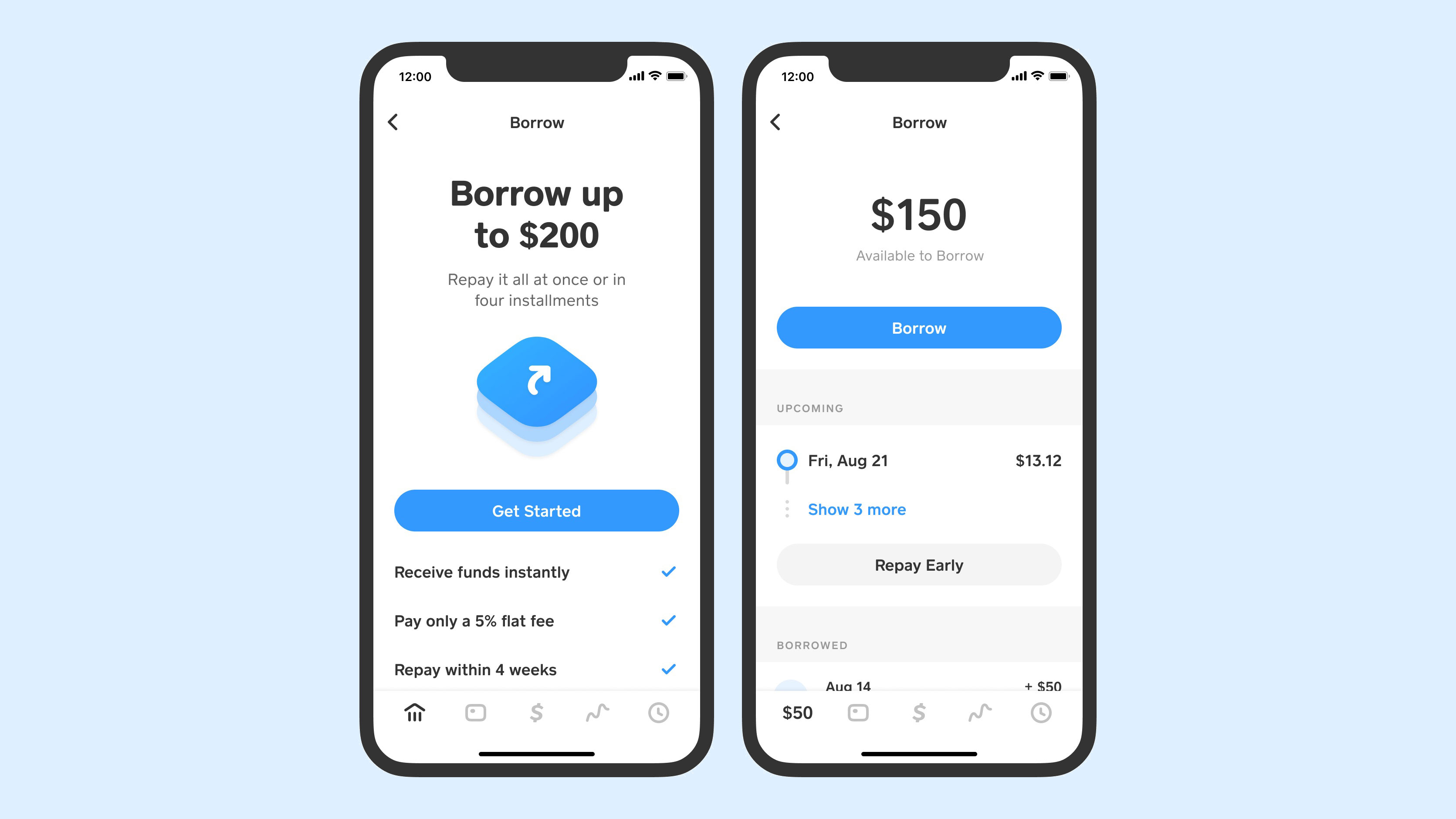
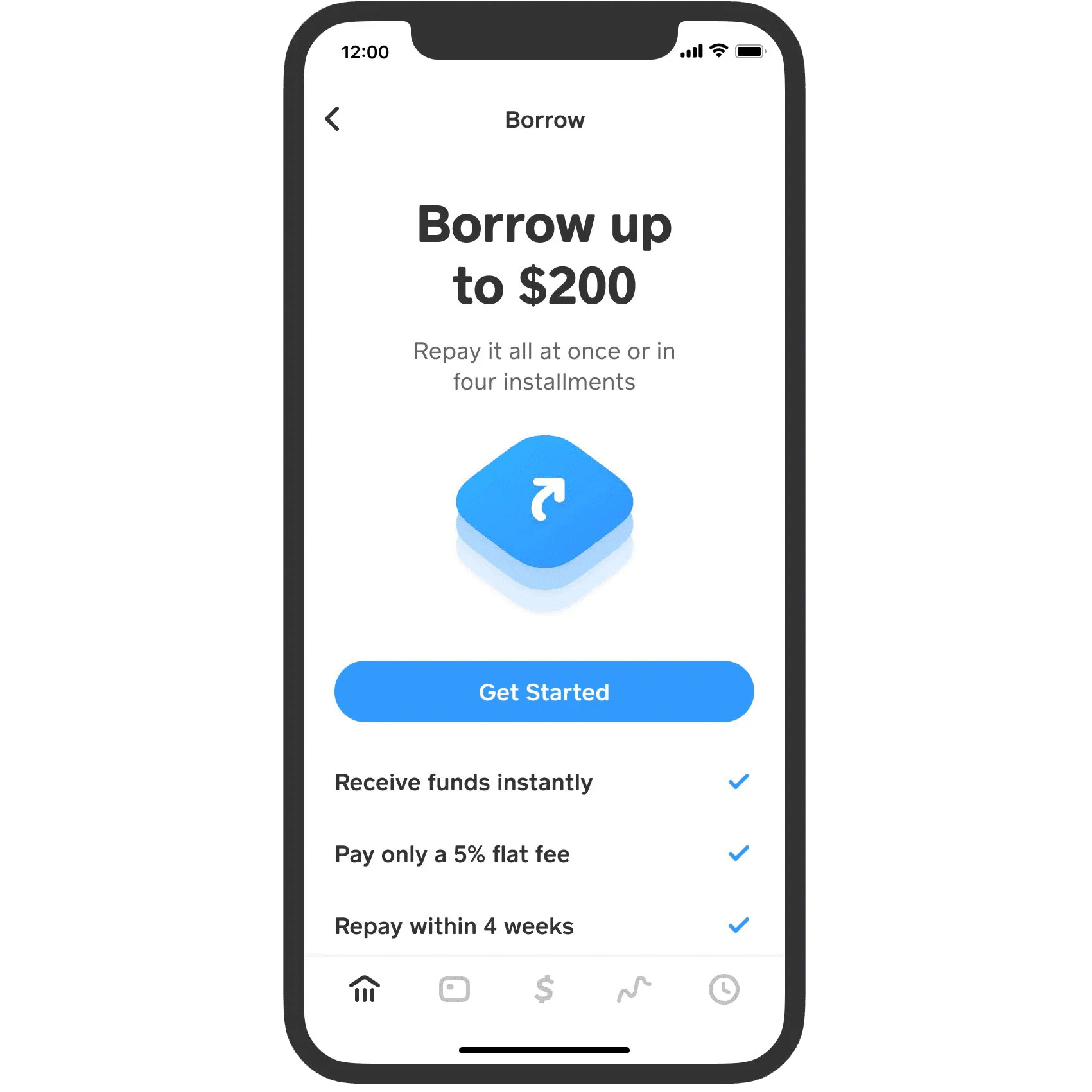
Cash App Borrow is a short-term loan feature embedded directly within the Cash App application. It allows eligible users to borrow small amounts of money, typically ranging from $20 to $200, which are then repaid over a specific period, often within four weeks. The core idea behind Cash App Borrow is to offer a quick and convenient way for users to access funds for unexpected expenses or to cover essential costs until their next paycheck. This service is designed to be a digital alternative to traditional payday loans, often promising more transparent terms and integration with the user’s existing financial habits within the app.
Unlike conventional bank loans that often involve lengthy application processes and stringent credit checks, Cash App Borrow leverages existing user data and activity within the app to determine eligibility and loan limits. This streamlined approach makes it appealing for those seeking immediate financial assistance without the typical hurdles associated with traditional lending institutions. The funds, once approved, are disbursed directly into the user’s Cash App balance, ready for immediate use.
Availability and Eligibility Criteria
While the concept of quick, in-app borrowing sounds universally appealing, Cash App Borrow is not available to all users. Its rollout has been gradual and is subject to specific eligibility criteria that Cash App utilizes to assess a user’s financial behavior and creditworthiness within its ecosystem.
Firstly, geographic availability is a key factor. Cash App Borrow is not available in all states or regions. The service is being rolled out strategically, and availability can vary based on local regulations and market conditions. Users must reside in a state where the Borrow feature is active.
Secondly, user activity and history within Cash App play a significant role. Cash App typically evaluates factors such as:
- Regular Direct Deposits: Users who frequently receive direct deposits into their Cash App account (e.g., paychecks) are often prioritized, as this indicates a stable income source.
- Frequent App Usage: Consistent use of Cash App for transactions, sending money, and using its other features can signal a reliable user.
- Cash Card Activity: Active use of the Cash Card (Cash App’s debit card) for purchases further strengthens a user’s profile.
- Account Age and Standing: Older accounts in good standing, without a history of suspicious activity or policy violations, are more likely to be eligible.
It’s important to note that Cash App does not rely on traditional credit scores (FICO scores) in the same way banks do for these micro-loans. Instead, it employs its own proprietary algorithm that analyzes a user’s transactional data and overall engagement with the app. This internal scoring system allows Cash App to offer loans to individuals who might not qualify for conventional credit, but it also means that eligibility can be dynamic and change over time based on a user’s in-app financial behavior. Unfortunately, Cash App does not publicly disclose the exact algorithm or specific thresholds for eligibility, leading some users to report the feature appearing and disappearing from their app seemingly without direct cause.
The Step-by-Step Process: Securing a Loan Through Cash App
For eligible users, the process of borrowing from Cash App is designed to be straightforward and integrated seamlessly into the existing app interface. This ease of access is one of its primary attractions.
Locating the Borrow Feature
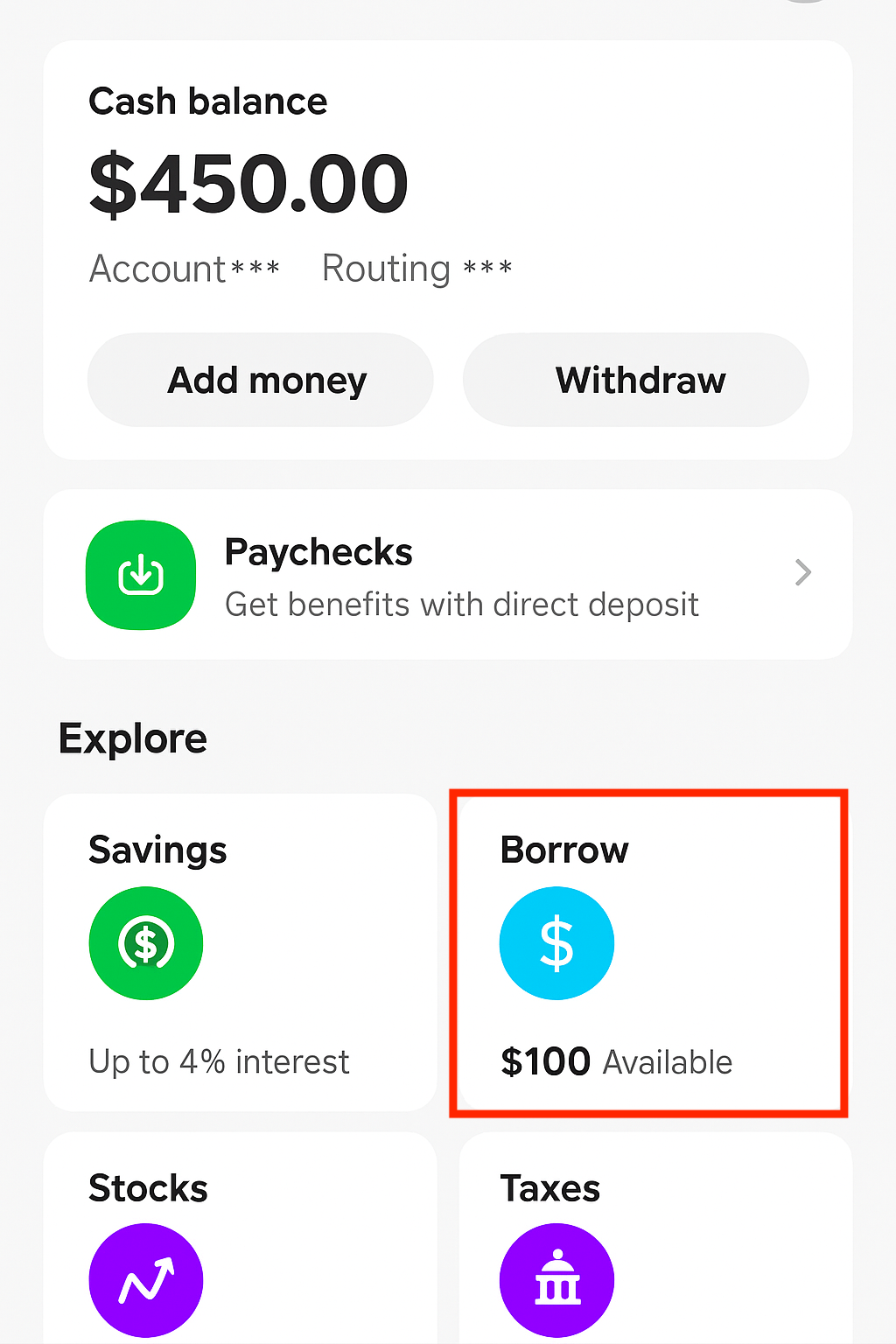
The first step is to check if the Borrow feature is available in your Cash App. Open your Cash App and navigate to the “Banking” tab, often represented by a house icon on the bottom navigation bar. Here, you would typically see your Cash App balance. Scroll down this screen. If the “Borrow” option is available to you, it will usually appear under the “Borrow” section, sometimes labeled “Borrow up to [amount]”. If you do not see this option, it means the feature is either not available in your region or you do not currently meet the eligibility criteria. There is no manual way to activate it; it appears automatically for eligible accounts.
Application and Offer Review
Upon tapping the “Borrow” option, Cash App will present you with a pre-qualified loan offer. This offer will typically include:
- The maximum amount you can borrow: This limit is determined by Cash App’s internal assessment of your eligibility.
- The total repayment amount: This includes the principal loan amount plus any fees or interest.
- The repayment schedule: Usually a single lump sum repayment due within four weeks, though some offers might allow for installments.
- The fixed fee or interest rate: Cash App often charges a flat fee (e.g., 5% of the borrowed amount) rather than a traditional APR, though the effective annual interest can still be significant for short-term loans.
At this stage, you will be prompted to select the specific amount you wish to borrow, up to your maximum pre-approved limit. Review the terms carefully, paying close attention to the total amount due and the due date. Cash App aims for transparency, but it’s the user’s responsibility to fully understand the financial commitment they are making. There will be an option to view the full loan agreement, which should detail all terms and conditions, including late fees and other potential charges.
Accepting Terms and Receiving Funds
If you are comfortable with the loan amount and the repayment terms, you will then proceed to accept the offer. This usually involves digitally signing the loan agreement within the app. Once you confirm, the funds are typically disbursed almost instantly into your Cash App balance. This immediate access to funds is a significant advantage for users facing urgent financial needs. You can then use these funds directly from your Cash App balance for purchases with your Cash Card, send them to other Cash App users, or transfer them to a linked bank account.
The speed of disbursement is a hallmark of digital micro-lending and one of the core benefits that Cash App Borrow leverages. However, this convenience also necessitates a higher degree of personal responsibility to ensure timely repayment.
Understanding Loan Terms and Repayment Obligations
Borrowing money, regardless of the source, comes with clear obligations. With Cash App Borrow, understanding these obligations is key to managing your finances effectively and avoiding additional costs.
Interest Rates and Fees
Cash App Borrow typically charges a flat fee for its loans, rather than a variable interest rate. For example, a common structure seen is a 5% fee on the borrowed amount. If you borrow $100, you would owe $105 back. While 5% might seem low at first glance, it’s crucial to consider the short repayment period. If the loan is due in four weeks, a 5% fee translates to a very high effective Annual Percentage Rate (APR). For a four-week loan, a 5% fee equates to an APR of approximately 60% (5% x 52 weeks/4 weeks = 65%). This is significantly higher than most traditional personal loans or credit card interest rates, placing it closer to the realm of payday loans in terms of cost.
This high effective APR is the primary reason why Cash App Borrow, while convenient, should be viewed as a last resort for short-term financial gaps, not a sustainable solution for ongoing financial difficulties. Users must calculate the total cost of borrowing and assess whether it aligns with their budget and financial situation.
Repayment Schedules and Options
The standard repayment period for Cash App Borrow is four weeks (28 days). The full amount borrowed, plus the fixed fee, is typically due in a single lump sum on the specified due date.
Cash App generally offers flexibility in repayment. You can often repay the loan early without penalty, which is advisable if your financial situation improves, as it reduces the period of indebtedness. Repayment can be made manually from your Cash App balance or linked debit card. Some users may also have the option to set up automatic repayment from a linked bank account or their Cash App balance if sufficient funds are available on the due date. It is critical to ensure that you have the full repayment amount available in your chosen repayment source by the due date to avoid late fees.
Consequences of Non-Payment
Failing to repay a Cash App Borrow loan on time can have several negative consequences.
- Late Fees: Cash App typically imposes additional late fees if the loan is not repaid by the due date. This further increases the total cost of borrowing and can quickly make a small loan much more expensive.
- Impact on Future Eligibility: Non-payment or consistent late payments will almost certainly affect your eligibility for future Cash App Borrow loans. The internal algorithm tracks repayment behavior, and a poor history will likely result in the feature being unavailable to you in the future.
- Collection Efforts: While Cash App loans may not directly impact your traditional credit score initially (as they don’t typically report to major credit bureaus for these micro-loans), persistent non-payment could lead to collection efforts. This might involve Cash App attempting to recover funds from linked accounts, or eventually, the debt being sold to a third-party collection agency, which could then report to credit bureaus, affecting your traditional credit score. It can also lead to the suspension or termination of your Cash App account.
Understanding these consequences reinforces the importance of responsible borrowing and timely repayment.
Strategic Considerations Before Borrowing from Cash App
Before clicking “accept” on a Cash App loan offer, a thoughtful evaluation of your financial situation and the appropriateness of this tool is paramount.
Assessing Your Financial Need
The convenience of Cash App Borrow can be a double-edged sword. It’s designed for genuine, short-term emergencies, such as an unexpected car repair, a medical bill, or to cover essential utilities until your next income arrives. It should not be used for discretionary spending, covering pre-existing debt, or as a regular income supplement. Ask yourself:
- Is this expense truly urgent and unavoidable?
- Do I have any other less costly alternatives (e.g., dipping into savings, asking a trusted family member)?
- Am I confident I will have the full repayment amount available by the due date without jeopardizing other essential expenses?
Answering these questions honestly can help you determine if Cash App Borrow is a responsible choice for your current situation.
Evaluating the Costs
As highlighted earlier, the effective APR of Cash App Borrow is high due to the short repayment term and flat fee structure. Compare this cost with other potential sources of funds:
- Personal savings: The ideal first line of defense.
- Credit cards (if available and used responsibly): While credit cards have interest, some offer grace periods, and their APR might be lower than the effective APR of Cash App Borrow if repaid quickly.
- Loans from credit unions: Often offer more favorable rates than traditional banks for small loans.
- Employer advances: Some employers offer salary advances that can be interest-free.
If you have access to funds with a lower cost of borrowing, those options should generally be explored first. The convenience of Cash App Borrow comes at a premium.
Responsible Borrowing Practices
Responsible borrowing means having a clear plan for repayment before you take out the loan.
- Budgeting: Integrate the repayment into your budget for the upcoming weeks. Account for the principal and the fee.
- Avoid the Cycle of Debt: Do not fall into the trap of borrowing another loan to repay the first one. This is a common pitfall with high-cost, short-term loans that can lead to a spiraling debt cycle.
- Consider Long-Term Solutions: If you find yourself frequently needing short-term loans, it’s a signal to reassess your overall financial health. This might involve creating an emergency fund, finding ways to increase income, or cutting expenses.
Exploring Alternatives and Broader Financial Context
While Cash App Borrow offers a convenient solution for immediate needs, it’s part of a broader financial ecosystem. Understanding alternatives and long-term financial strategies is crucial for sustained financial well-being.
Traditional Personal Loans and Credit Cards
For larger sums or longer repayment periods, traditional personal loans from banks or credit unions generally offer lower interest rates and more structured repayment plans. These typically require a credit check but can be a more affordable option if you have a good credit score. Credit cards can also serve as a short-term borrowing tool, especially if you can pay off the balance before interest accrues. However, misuse can lead to high interest debt. The key distinction is that these options usually involve more stringent eligibility and a longer application process, making Cash App Borrow attractive for sheer speed and minimal friction.
Payday Loan Alternatives and Emergency Funds
Cash App Borrow positions itself as an alternative to traditional payday loans, which are notorious for their extremely high interest rates and potential to trap borrowers in a debt cycle. While Cash App Borrow might have a slightly lower fee, its fundamental short-term, high-cost nature means it shares some characteristics with payday loans.
A truly superior alternative to any short-term loan is a robust emergency fund. Having 3-6 months’ worth of living expenses saved in an easily accessible account can prevent the need for high-interest borrowing altogether. For those without an emergency fund, exploring options like community assistance programs, non-profit credit counseling, or even small loans from trusted friends or family (with clear repayment terms) might be more financially prudent than resorting to high-cost digital loans.
Building Financial Resilience
Ultimately, the goal for anyone dealing with short-term financial gaps should be to build long-term financial resilience. This involves:
- Consistent Savings: Regularly setting aside money, even small amounts, for an emergency fund.
- Budgeting and Tracking Expenses: Knowing where your money goes helps identify areas for savings and prevents overspending.
- Debt Management: Strategically paying down existing high-interest debt.
- Income Diversification: Exploring side hustles or skill development to potentially increase earning capacity.
- Financial Education: Continuously learning about personal finance best practices.
Cash App Borrow can be a useful tool for very specific, urgent situations, but it’s a stop-gap measure. A holistic approach to personal finance, focusing on prevention and sustainable growth, will always yield the best long-term results. By understanding how to use such tools responsibly within a broader financial strategy, individuals can leverage convenience without compromising their financial health.
aViewFromTheCave is a participant in the Amazon Services LLC Associates Program, an affiliate advertising program designed to provide a means for sites to earn advertising fees by advertising and linking to Amazon.com. Amazon, the Amazon logo, AmazonSupply, and the AmazonSupply logo are trademarks of Amazon.com, Inc. or its affiliates. As an Amazon Associate we earn affiliate commissions from qualifying purchases.