
In an increasingly digitized world, peer-to-peer payment applications like Cash App have become indispensable financial tools for millions. Offering a streamlined way to send, receive, and manage money, Cash App simplifies everything from splitting dinner bills with friends to receiving paychecks. However, the fundamental question for many users, especially newcomers, often revolves around how to get money into their Cash App account in the first place. Understanding the various methods for loading funds is crucial for effectively leveraging this powerful financial tool for personal finance management, budgeting, and even investing. This guide will delve into the diverse avenues available, offering insights into each method’s benefits, limitations, and how they integrate into a broader financial strategy.
Understanding Cash App as a Pivotal Financial Tool
The evolution of financial technology has reshaped how individuals interact with their money, moving beyond traditional banking models towards more agile, app-based solutions. Cash App stands at the forefront of this revolution, transforming the landscape of personal finance. It’s more than just a money transfer service; it’s a versatile platform designed to empower users with greater control over their funds.
The Evolving Landscape of Digital Finance
For decades, financial transactions were predominantly tethered to brick-and-mortar banks, necessitating physical visits for deposits, withdrawals, and account management. The advent of online banking introduced a new layer of convenience, allowing users to manage accounts from their computers. However, mobile payment apps like Cash App represent the next logical step in this evolution. They package a suite of financial services into a user-friendly mobile interface, making money management accessible anytime, anywhere. This shift reflects a broader societal trend towards instant gratification and digital convenience, especially among younger demographics and those seeking alternatives to traditional banking. Cash App, with its intuitive design and multifaceted features, has capitalized on this trend, embedding itself into the daily financial routines of a significant user base. It caters to a spectrum of needs, from sending a quick payment to a friend to managing direct deposits, buying Bitcoin, or even investing in stocks. This versatility is what truly elevates it from a simple payment app to a comprehensive financial ecosystem.
Why Funding Your Cash App Matters
At the core of Cash App’s functionality is the ability to maintain a balance within the app. Without funds, many of its most valuable features remain inaccessible. Funding your Cash App account isn’t merely a procedural step; it’s the gateway to unlocking its full potential as a financial management tool. A loaded Cash App balance allows for seamless P2P transfers, enabling users to quickly pay friends, family, or even small businesses. It facilitates spending via the Cash Card, a customizable debit card linked directly to your Cash App balance, offering a convenient way to make purchases online and in physical stores without relying on a traditional bank account. Furthermore, having funds in your Cash App balance is essential for engaging with its investment features, such as buying fractions of stocks or purchasing Bitcoin directly within the app. From a personal finance perspective, a well-funded Cash App can serve as a dedicated budget for specific expenses, an emergency fund, or a convenient way to manage income from side hustles. Understanding how to efficiently and safely load money into your account is therefore paramount to integrating Cash App effectively into your personal financial strategy.
Primary Methods for Adding Funds to Your Cash App Account
Funding your Cash App account can be accomplished through several distinct methods, each offering unique advantages depending on your personal financial setup and preferences. Choosing the right method often comes down to convenience, speed, and whether you prefer digital transfers or physical cash deposits.
Linking Your Bank Account: The Direct Approach
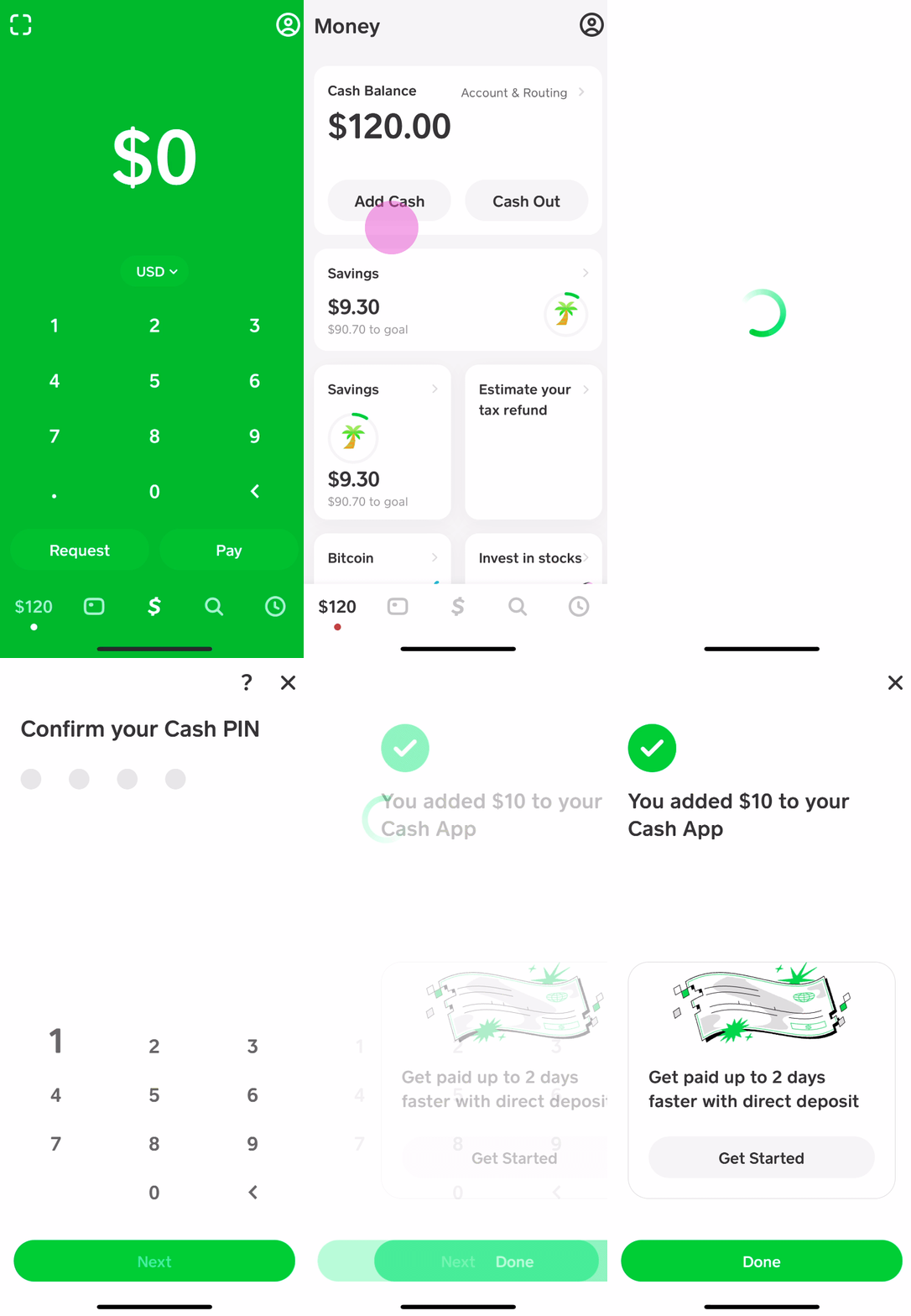
One of the most common and arguably the most foundational ways to load money onto Cash App is by linking your existing bank account. This method provides a direct conduit between your traditional bank and your digital wallet, making transfers straightforward and typically free of charge for standard deposits. The process involves navigating to the “Banking” or “Money” tab within the Cash App, selecting “Add Cash,” and then choosing your linked bank account as the source. You’ll specify the amount you wish to transfer, and after confirming, the funds will usually appear in your Cash App balance within 1-3 business days. While not always instantaneous, this method is favored for larger transfers and for users who regularly move funds between their primary bank and Cash App. It offers a secure and reliable way to manage your digital funds, integrating seamlessly with your broader financial ecosystem. Ensure your bank account details are accurately linked to avoid any delays or complications during the transfer process.
Utilizing Debit Cards for Instant Transfers
For those who prioritize speed, linking a debit card to your Cash App account offers an instant way to add funds. Unlike bank transfers that can take a few business days, debit card transfers often process immediately, making the funds available for use almost at once. This method is particularly useful when you need to send money urgently, make a quick purchase with your Cash Card, or capitalize on a sudden investment opportunity within the app. To add funds via a debit card, you again go to the “Banking” tab, select “Add Cash,” and then choose your linked debit card. Input the desired amount, confirm the transaction, and the money should be available instantly. It’s important to note that while most standard debit card transfers are free, Cash App may charge a small fee (typically 0.5% to 1.75%) for “instant deposit” into your bank account from Cash App. However, adding money to Cash App from a linked debit card is generally free for the standard transfer. Always double-check any potential fees displayed before confirming a transaction to ensure you’re aware of any associated costs.
In-Store Cash Deposits: Bridging Digital and Physical Funds
For individuals who primarily deal in physical cash or prefer not to link their bank accounts or debit cards, Cash App offers a convenient solution: in-store cash deposits. This method allows you to convert physical cash into a digital balance at participating retail locations. Major retailers like Walmart, Walgreens, CVS, 7-Eleven, and Dollar General often support Cash App cash deposits, making this option widely accessible across the country.
The process is simple:
- Open your Cash App and tap the “Banking” or “Money” tab.
- Select “Paper Money” or “Deposit Cash.”
- The app will prompt you to find a nearby location or generate a unique barcode.
- Take your cash and the generated barcode (or simply state you want to deposit to Cash App if the retailer’s system is integrated) to the cashier at a participating store.
- The cashier will scan the barcode, and you hand over the cash.
- The funds are usually available in your Cash App balance within minutes, though some locations might take slightly longer.
It’s crucial to be aware that in-store cash deposits often come with a transaction fee, which can vary by retailer or a flat fee charged by Cash App itself (e.g., typically a dollar or two). There are also daily and weekly limits on how much cash you can deposit this way. This method is particularly valuable for the unbanked or underbanked population, offering a pathway to digital finance without needing a traditional bank account. It effectively bridges the gap between the physical and digital economies, providing flexibility in how users manage their money.
Alternative and Advanced Funding Strategies
Beyond the primary methods, Cash App provides several alternative and more advanced ways to fund your account, catering to different financial situations and regular income streams. These methods further solidify Cash App’s position as a versatile financial tool capable of handling a variety of monetary inflows.
Receiving Money from Other Cash App Users (P2P Transfers)
One of the foundational uses of Cash App is peer-to-peer (P2P) transfers. While often seen as a way to send money, it’s equally a vital method for receiving funds directly into your account. If a friend, family member, or even a customer needs to pay you, they can do so instantly through Cash App. You simply provide them with your Cashtag (your unique username), phone number, or email associated with your account. Once the sender initiates the payment, the funds are typically credited to your Cash App balance instantly and without any fees for standard transfers. This method is incredibly convenient for splitting expenses, receiving reimbursements, or getting paid for small gigs and services. It highlights the social aspect of personal finance, making transactions between individuals effortless and immediate.
Leveraging Direct Deposit for Regular Income
For users looking to integrate Cash App more deeply into their financial life, setting up direct deposit is a significant step. Cash App provides every user with a unique routing and account number, akin to a traditional bank account. This allows you to receive regular income, such as paychecks, government benefits (like Social Security), or tax refunds, directly into your Cash App balance.
To set this up:
- Navigate to the “Banking” or “Money” tab in your Cash App.
- Find the section for “Direct Deposit” or “Account & Routing Numbers.”
- You’ll see your unique routing number and account number.
- Provide these details to your employer’s payroll department or the relevant government agency.
Direct deposit makes Cash App a primary banking alternative for many, offering a seamless way to receive and manage regular income. It eliminates the need for physical checks and speeds up access to funds, as paychecks can often arrive up to two days earlier than traditional bank deposits. This feature significantly enhances Cash App’s utility as a central hub for personal finances, allowing users to consolidate their income and manage expenditures directly within the app.
Exploring Other Integrated Financial Services
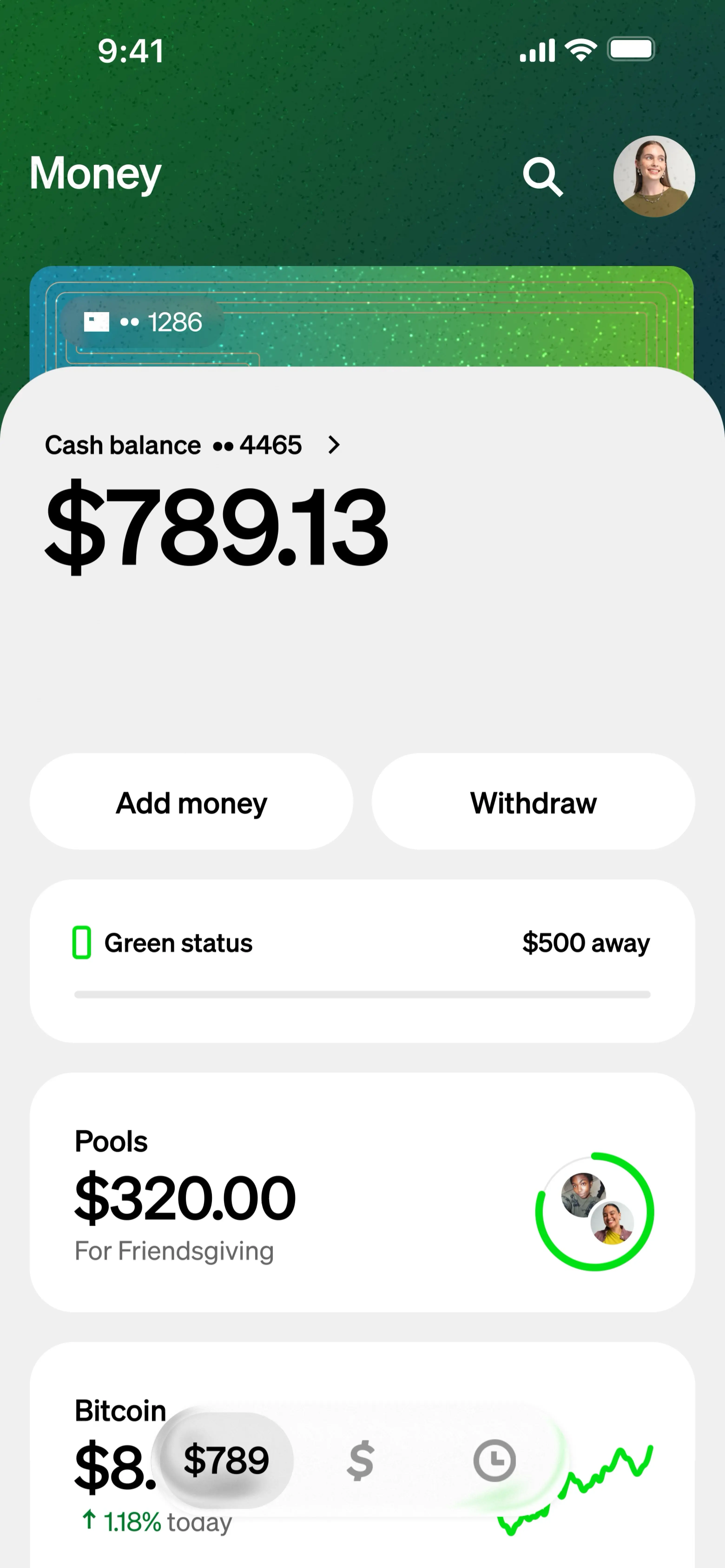
Cash App’s ecosystem is constantly expanding, offering more ways for users to receive funds. While not direct “loading” methods in the traditional sense, these integrated services contribute to your Cash App balance:
- Selling on Integrated Platforms: If you use platforms that allow Cash App as a payout method for selling goods or services, the earnings can be directly deposited into your Cash App balance. This is particularly relevant for freelancers, small business owners, or individuals engaging in the gig economy.
- Cash App Rewards and Boosts: While primarily spending incentives, some Cash App promotions or ‘Boosts’ might occasionally credit money back to your account based on certain spending habits or referrals. Though not a primary funding method, these can incrementally increase your balance over time.
- Refunds: If you make a purchase using your Cash Card and later return the item, the refund will typically be credited back to your Cash App balance, adding funds directly.
These additional avenues demonstrate Cash App’s ambition to be a holistic financial platform, ensuring that various income streams and financial activities can converge within a single, convenient application.
Navigating Limits, Fees, and Security Considerations
While the convenience of loading funds into Cash App is undeniable, it’s imperative for users to be fully aware of the associated limits, potential fees, and, most critically, the security measures required to protect their money. A comprehensive understanding of these aspects ensures a smooth, secure, and cost-effective experience.
Understanding Transaction Limits and Potential Fees
Cash App, like all financial services, implements transaction limits to mitigate fraud and manage risk. These limits can vary based on whether your account is verified, the type of transaction (sending vs. receiving, or cash deposit vs. bank transfer), and your usage history. For instance, there might be a limit on how much cash you can deposit in-store per day or per week, or a cap on how much money you can send or receive over a specific period. Unverified accounts typically have lower limits than verified ones, which require personal information like your full name, date of birth, and the last four digits of your Social Security Number.
Regarding fees, while Cash App prides itself on offering many free services, some transactions may incur charges:
- Instant Deposits to Bank Account: If you transfer money from your Cash App balance to your linked bank account instantly, a fee (usually 0.5% to 1.75%) is applied. Standard transfers (1-3 business days) are free.
- In-Store Cash Deposits: As mentioned, retailers or Cash App itself may charge a small fee for converting physical cash to your digital balance.
- Credit Card Payments: While you can send money using a linked credit card, Cash App charges a 3% fee for this service, similar to other payment platforms, to offset the processing costs.
Always review the transaction details within the app before confirming to see if any fees apply. Being aware of these limits and fees allows you to plan your transfers efficiently and avoid unexpected charges or delays.
Best Practices for Securing Your Cash App Funds
Security should always be a top priority when dealing with digital finance. Cash App employs various security measures, but user vigilance is equally crucial.
- Enable Security Lock: Always enable a PIN or Touch ID/Face ID for every Cash App transaction. This adds a critical layer of protection, preventing unauthorized access even if your phone is lost or stolen.
- Two-Factor Authentication (2FA): Utilize 2FA for your Cash App account. This typically involves a code sent to your phone or email, ensuring that even if someone has your password, they can’t log in without the second factor.
- Beware of Scams: Be highly skeptical of unsolicited requests for money, giveaways that require you to send money first, or individuals claiming to be Cash App support asking for your PIN or login details. Cash App support will never ask for your PIN.
- Regularly Monitor Transactions: Periodically review your Cash App transaction history for any unfamiliar activity. Report suspicious transactions immediately.
- Link Securely: Ensure your linked bank accounts and debit cards are from reputable institutions and that you are accessing Cash App through official channels (the app store, not third-party links).
- Use Strong, Unique Passwords: If you set a password for your account, ensure it’s complex and not used for other services.
Adhering to these best practices significantly reduces the risk of fraud or unauthorized access, safeguarding your funds and personal financial information.
Troubleshooting Common Funding Issues
Occasionally, users may encounter issues when trying to load money onto their Cash App. Common problems include:
- Failed Transfers: This can happen due to insufficient funds in the linked bank account/debit card, incorrect card details, a bank’s fraud detection system flagging the transaction, or exceeding transaction limits.
- Deposit Delays: While most methods are instant or quick, bank transfers can take 1-3 business days. Holidays or weekends can extend these times. If a deposit is delayed beyond the expected timeframe, check your bank’s recent activity and then contact Cash App support.
- Account Verification Issues: Unverified accounts have lower limits, and attempts to exceed these will fail. If you’re consistently hitting limits, consider verifying your account.
- Incorrect Barcode for In-Store Deposits: Ensure the barcode you’re presenting is current and correctly generated by the app for the specific transaction.
- Outdated App Version: Always ensure your Cash App is updated to the latest version, as bugs in older versions can sometimes cause transaction failures.
When facing an issue, first check your internet connection, verify your linked financial instruments, and review Cash App’s daily/weekly limits. If the problem persists, Cash App’s in-app support or their online help center are the next best resources. Timely reporting of issues can help resolve them quickly and prevent further complications.
Maximizing Your Cash App Experience for Personal Finance Management
Beyond simply sending and receiving money, Cash App offers a robust suite of features that, when fully utilized, can significantly enhance your personal finance management. Understanding how to integrate these tools into your daily financial habits can lead to better budgeting, smarter spending, and even foundational investment opportunities.
Budgeting and Tracking Expenditures with Cash App
While Cash App doesn’t have a dedicated budgeting feature like some specialized apps, its straightforward transaction history serves as an excellent foundation for tracking your spending. Every payment sent, received, or spent via your Cash Card is recorded in a clear, chronological feed. By regularly reviewing this history, users can gain valuable insights into their spending patterns. For those who use Cash App as a primary spending account or for specific categories of expenses (e.g., dining out, entertainment), it becomes a de facto mini-budgeting tool. You can see precisely where your money is going, identify areas for potential savings, and ensure you’re staying within your financial goals. Some users even create separate Cash App accounts (if permissible by terms of service for distinct purposes) or use it for specific “buckets” of money, like a dedicated fund for groceries or entertainment, thus simplifying expenditure tracking for those categories. This transparent overview allows for more informed financial decisions, aligning with responsible personal finance principles.
Utilizing Cash Card for Everyday Spending
The Cash Card is a free, customizable debit card linked directly to your Cash App balance. It operates like a traditional debit card but draws funds exclusively from your Cash App, not your linked bank account. This feature transforms Cash App from a mere transfer service into a fully functional spending tool for everyday purchases, both online and in brick-and-mortar stores, wherever Visa is accepted.
The benefits for personal finance are numerous:
- Spending Control: By only having your Cash App balance available on the card, it naturally enforces spending limits, preventing you from overdrawing or dipping into your main bank account for discretionary expenses.
- Budget Adherence: It’s an excellent tool for adhering to a specific budget. You can load a set amount for weekly or monthly expenses onto your Cash App and use the Cash Card exclusively for those purchases, making it easy to see when you’re nearing your limit.
- Exclusive Discounts (Boosts): Cash App offers “Boosts” – instant discounts at popular retailers, coffee shops, and restaurants – which are applied directly when you use your Cash Card. These can lead to significant savings over time on regular expenditures, effectively stretching your budget further.
The Cash Card provides a practical and secure way to spend your digital funds, offering a tangible link between your Cash App balance and your daily financial transactions, all while potentially saving you money through its Boost program.
Exploring Investment Opportunities within Cash App
Perhaps one of Cash App’s most compelling features, distinguishing it from many other payment apps, is its integrated investment platform. For users seeking to grow their wealth or dip their toes into the world of investing, Cash App offers accessible avenues to buy and sell stocks and Bitcoin directly within the app, all starting with as little as $1.
- Stock Investing: Cash App allows users to buy fractional shares of thousands of publicly traded companies. This democratizes investing, enabling individuals with limited capital to own a piece of their favorite companies without needing to buy full shares. It’s a fantastic entry point for beginners to understand market dynamics and the power of compounding. By funding your Cash App balance, you can allocate a portion towards building a diverse portfolio of stocks.
- Bitcoin Investing: As a pioneer in mainstream Bitcoin integration, Cash App facilitates easy buying and selling of the cryptocurrency. For those interested in digital assets, funding your Cash App provides the liquidity to enter and exit the Bitcoin market with minimal fuss.
These investment features align perfectly with the “Money” category, transforming Cash App from a transactional tool into a wealth-building platform. By loading funds into your account, you’re not just preparing for payments; you’re also setting the stage for potential financial growth. However, it’s crucial to remember that investing carries risks, and it’s wise to only invest what you can afford to lose. Cash App makes these opportunities accessible, encouraging users to take a proactive role in managing and potentially growing their personal finances beyond simple spending and saving.
In conclusion, knowing “where you can load Cash App” is the first step towards unlocking a powerful and versatile financial tool. Whether through traditional bank transfers, instant debit card funding, convenient in-store cash deposits, P2P receipts, or direct deposit, Cash App offers a method for virtually every financial situation. By understanding these options, adhering to security best practices, and leveraging the app’s comprehensive features for budgeting and investing, users can transform their Cash App experience into a cornerstone of effective personal finance management.
aViewFromTheCave is a participant in the Amazon Services LLC Associates Program, an affiliate advertising program designed to provide a means for sites to earn advertising fees by advertising and linking to Amazon.com. Amazon, the Amazon logo, AmazonSupply, and the AmazonSupply logo are trademarks of Amazon.com, Inc. or its affiliates. As an Amazon Associate we earn affiliate commissions from qualifying purchases.