
In an increasingly digital financial landscape, peer-to-peer payment applications have revolutionized how individuals manage and transfer money. Among these, Cash App stands out as a prominent financial tool, enabling millions to send, spend, save, and invest with remarkable ease. Understanding how to effectively receive money through this platform is not just about a technical click; it’s about optimizing your personal finance management, ensuring the security of your funds, and leveraging a critical tool for everything from splitting bills to receiving payments for side hustles. This guide delves into the specifics of receiving money via Cash App, framing it within the broader context of modern personal finance and highlighting its strategic utility for diverse financial needs.
Understanding Cash App as a Modern Financial Tool
The evolution of technology has profoundly impacted the financial sector, giving rise to innovative platforms that simplify complex banking processes. Cash App epitomizes this shift, transforming how individuals interact with their money by offering a suite of financial services traditionally associated with banks, but within a sleek, accessible mobile application. For many, it has become an indispensable component of their personal finance toolkit, facilitating everything from routine transactions to more strategic financial endeavors.
The Rise of Peer-to-Peer Payments in Personal Finance
The traditional methods of exchanging money—cash, checks, or wire transfers—often involve delays, fees, or logistical hurdles. Peer-to-peer (P2P) payment apps like Cash App have emerged to dismantle these barriers, offering instant, often free, money transfers between individuals. This immediacy has profoundly impacted personal finance, making it effortless to split restaurant bills, contribute to group gifts, or send emergency funds to family members. For the modern consumer, P2P payments are no longer a novelty but a fundamental expectation, driving efficiency and convenience in everyday financial interactions. Cash App’s intuitive interface and broad user base have positioned it as a leader in this financial revolution, empowering users with greater control and flexibility over their liquid assets. It’s not just about sending money; it’s about fluidly managing your cash flow in real-time, adapting to the demands of a fast-paced economy.
Key Financial Benefits of Using Cash App
Beyond mere convenience, Cash App offers several compelling financial benefits that enhance its value as a personal finance tool. Firstly, its minimal to no transaction fees for standard transfers make it a cost-effective alternative to traditional banking services for routine payments. This can lead to significant savings over time for frequent users. Secondly, the ability to instantly receive funds means immediate access to your money, which can be crucial in urgent financial situations. This real-time liquidity is a powerful advantage for managing unexpected expenses or capitalizing on immediate opportunities. Furthermore, Cash App integrates features like direct deposit, stock and Bitcoin investing, and a customizable debit card (Cash Card). These functionalities transform it from a simple payment app into a comprehensive financial ecosystem, enabling users to manage their income, spend directly from their balance, and even grow their wealth, all from a single platform. This holistic approach makes Cash App a versatile and powerful instrument for navigating the complexities of personal finance in the digital age.
Step-by-Step Guide to Receiving Funds
Receiving money through Cash App is designed to be straightforward, yet understanding the nuances of its various methods is essential for seamless financial management. Whether you’re anticipating a direct payment from a friend or requesting funds for a service, Cash App provides clear pathways to ensure your money arrives safely and is accessible when you need it.
Accepting a Direct Payment
When someone sends you money via Cash App, the process of receiving it is typically automatic and immediate. If the sender uses your unique Cashtag (e.g., $YourCashtag), phone number, or email linked to your account, the funds will usually appear in your Cash App balance instantly. In some cases, especially if you’re a new user or the sender is new to you, Cash App might prompt you to “Accept” the payment. This is a security measure to prevent unwanted or fraudulent transactions. To accept:
- Open Cash App: Launch the application on your mobile device.
- Navigate to the Activity Tab: Tap the clock icon in the bottom right corner of the screen. This tab displays all your transaction history and pending activities.
- Locate the Pending Payment: Look for a transaction marked as “Pending” or “Accept.” It will usually indicate who sent the money and the amount.
- Tap “Accept”: Once you locate the pending payment, tap the green “Accept” button next to it.
- Confirm: Cash App may ask you to confirm your decision. After confirmation, the funds will be moved from pending to your available Cash App balance.
It’s crucial to accept these payments promptly, as some pending transactions may expire if not acted upon within a certain timeframe, returning the funds to the sender.
Initiating a Money Request
Cash App also allows you to proactively request money from other users, a useful feature for collecting dues, splitting costs, or invoicing for services. This method ensures clarity and precision in financial interactions. To request money:
- Open Cash App: Start the application.
- Tap the “$ Request” Button: On the home screen, you’ll see a dollar sign ($) icon. Tap it.
- Enter the Amount: Input the specific amount of money you wish to request.
- Tap “Request”: After entering the amount, tap the “Request” button.
- Select Sender(s): Choose the person or people from whom you want to request the money. You can select them from your contacts, search by Cashtag, phone number, or email.
- Add an Optional Note: It’s good financial practice to add a brief note explaining the reason for the request (e.g., “Lunch,” “Rent,” “Freelance Payment”). This provides context for the sender and helps with your own financial record-keeping.
- Send Request: Tap the final “Request” button to send the notification.
The recipient will receive a notification and can then choose to send the requested funds to your account. This method provides a professional and documented way to manage your receivables, streamlining personal and small-business finance.
Managing Incoming Funds: Cash App Balance vs. Bank Account
Once funds are received and accepted, they reside in your Cash App balance. From here, you have several options for managing these funds, reflecting the app’s integration into broader financial planning.
- Keeping Funds in Cash App: You can leave the money in your Cash App balance to use for future payments, send to others, or invest within the app (e.g., buying stocks or Bitcoin). This can be convenient for immediate spending via the Cash Card.
- Transferring to a Linked Bank Account: For those who prefer to keep their primary funds in a traditional bank, Cash App allows easy transfers.
- Open Cash App.
- Tap the Banking Tab: This is the house-shaped icon on the bottom left.
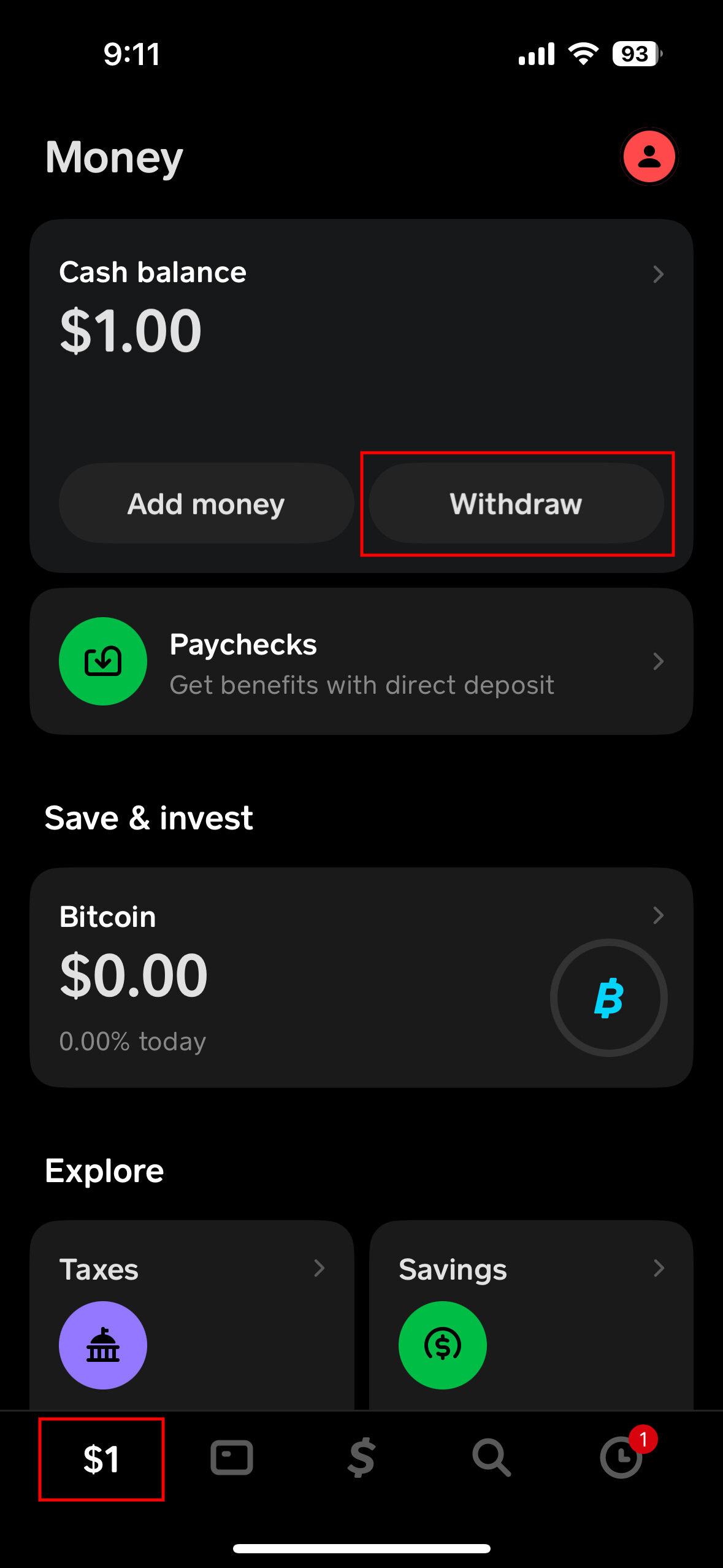
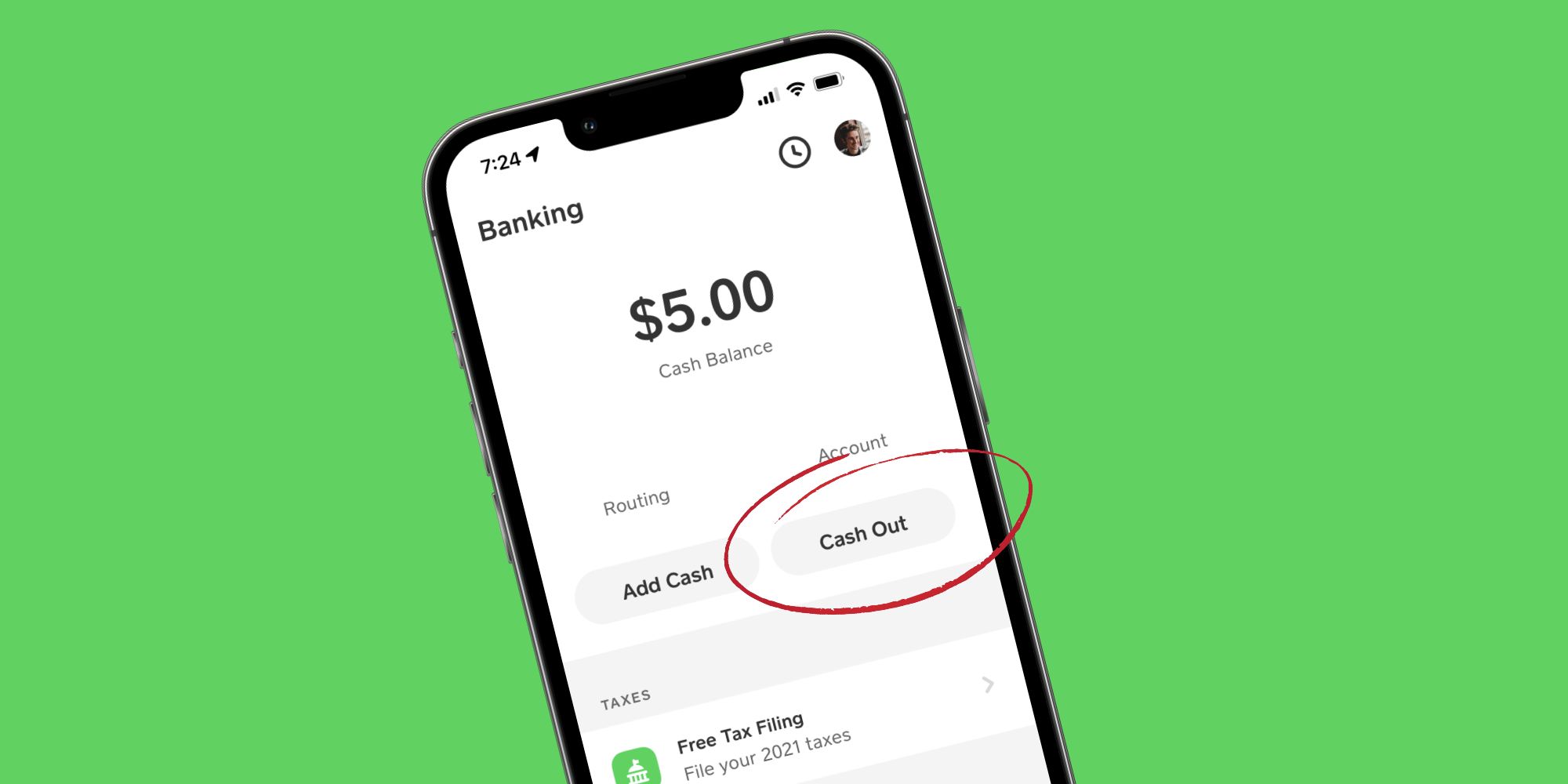
- Tap “Cash Out”: This option will display your current Cash App balance.
- Enter Amount: Input how much you want to transfer to your bank.
- Choose Transfer Speed: You’ll typically have two options:
- Standard Deposit (1-3 business days): This option is usually free.
- Instant Deposit (immediately): This option typically incurs a small fee (e.g., 0.5% – 1.75% of the transfer amount), which is clearly displayed before confirmation.
- Confirm: Review the details and confirm the transfer.
Understanding these options allows you to strategically manage your liquidity, deciding whether funds are better held for immediate digital use or integrated into your traditional banking structure for larger financial planning.
Optimizing Your Financial Experience with Cash App
Beyond simply sending and receiving, Cash App offers an array of features that, when leveraged effectively, can significantly enhance your personal financial management. These tools allow for greater control over your money, from daily spending to long-term income strategies.
Linking Your Bank Account for Seamless Transfers
The cornerstone of an optimized Cash App experience is a securely linked bank account. This connection is vital for both funding your Cash App balance and, more importantly for this guide, cashing out received funds into your traditional banking system.
- Access Settings: From the Cash App home screen, tap your profile icon in the top right.
- Navigate to “Linked Banks”: Under the “Funds” section, select “Linked Banks.”
- Add a Bank: Tap “Link Bank” and follow the prompts to connect your bank account using your bank’s login credentials. This process is secured by encryption and often facilitated by third-party financial aggregators, ensuring the safety of your banking information.
A linked bank account provides the flexibility to move money between your Cash App balance and your primary checking or savings account. This is crucial for managing larger sums, paying bills not supported by Cash App, or simply consolidating your funds in one place for comprehensive financial oversight.
Utilizing the Cash Card for Everyday Spending
The Cash Card is a free, customizable Visa debit card directly linked to your Cash App balance. It’s a powerful tool for spending the money you receive without needing to transfer it to a traditional bank account first. This integrates Cash App more deeply into your daily financial life.
- Ordering the Card: You can order a physical Cash Card from the app’s home screen or through the “Cash Card” tab.
- Using the Card: Once activated, the Cash Card can be used anywhere Visa debit cards are accepted, online or in physical stores. This means money received through Cash App can be spent immediately, offering a seamless transition from digital receipt to real-world utility.
- Boosts: A unique feature of the Cash Card is “Boosts,” which are instant discounts applied to purchases at specific merchants. Users can select and apply a Boost before making a purchase, providing tangible savings and adding value to their spending. Regularly checking and activating relevant Boosts can lead to notable cost reductions on everyday expenses, a smart financial habit.
Setting Up Direct Deposit for Regular Income
For many, Cash App can serve as a primary financial hub, even for receiving regular income. Its direct deposit feature allows employers or government agencies to send funds directly to your Cash App account, just like a traditional bank.
- Access Direct Deposit Info: From the Banking tab (house icon), tap “Direct Deposit.”
- Find Account and Routing Numbers: Cash App provides a unique account and routing number associated with your account.
- Provide to Payer: Share these numbers with your employer’s payroll department, government agency (for benefits), or any other entity that offers direct deposit.
Setting up direct deposit streamlines income reception, making your salary, benefits, or tax refunds immediately available in your Cash App balance. This can simplify your financial ecosystem, allowing you to manage incoming funds, pay bills, spend with your Cash Card, and invest, all within a single application, thereby centralizing aspects of your personal finance management.
Ensuring Financial Security and Troubleshooting Common Issues
While Cash App offers immense convenience, safeguarding your financial assets within the platform is paramount. Understanding best practices for security and knowing how to troubleshoot common issues are critical components of responsible digital finance.
Protecting Your Funds: Best Practices for Secure Transactions
The digital nature of Cash App transactions necessitates vigilance to protect your money from fraud and unauthorized access.
- Enable Security Lock: Always activate a PIN, Touch ID, or Face ID for your Cash App account. This adds an essential layer of security, preventing unauthorized access even if your phone is lost or stolen.
- Use Strong, Unique Passwords: If your Cash App is linked to an email account, ensure that email has a strong, unique password and two-factor authentication.
- Be Wary of Scams: Be extremely cautious of unsolicited requests for money or offers that seem too good to be true. Cash App will never ask you for your PIN or full login details. Legitimate support will communicate through official channels. Verify the identity of anyone requesting money, especially if it’s an unfamiliar contact.
- Verify Recipient Details: Before sending money, double-check the recipient’s Cashtag, phone number, or email. Money sent to the wrong person is often difficult to retrieve.
- Monitor Activity: Regularly review your Cash App activity tab for any suspicious or unauthorized transactions. Report any discrepancies immediately.
Adhering to these security measures is vital for maintaining the integrity of your financial data and protecting your funds within the Cash App ecosystem.
Resolving Common Payment Reception Problems
Occasionally, you might encounter issues when trying to receive money. Understanding the common causes can help you quickly resolve them.
- Pending Payments: As discussed, some payments may require you to manually “Accept” them, especially from new senders. Check your activity feed.
- Sender Error: The most common issue is the sender entering incorrect details (wrong Cashtag, phone number, or email). Always confirm the correct details with the sender. If they sent to the wrong person, they would need to attempt to request the money back, though this is not guaranteed.
- Account Limits: New or unverified Cash App accounts may have lower receiving limits. Verify your identity (by providing your full name, date of birth, and the last 4 digits of your SSN) to increase these limits.
- Bank Issues (for Cash Outs): If you’re having trouble cashing out to your bank, ensure your linked bank account information is correct and that there are no issues with your bank itself. Check for failed transfer notifications in Cash App.
- Technical Glitches: Rarely, Cash App or your device might experience a temporary glitch. Try restarting the app or your device, or check Cash App’s official status page for known outages.
For persistent issues, it’s best to contact Cash App support, providing them with all relevant transaction details.
Understanding Cash App’s Support for Financial Queries
When self-troubleshooting isn’t enough, Cash App’s customer support channels are available to assist with financial queries.
- In-App Support: The most direct way to get help is through the app itself. Tap your profile icon, then scroll down to “Support” and select “Something Else.” You can search for topics or initiate a chat with a support agent.
- Website Support: The Cash App support website provides a comprehensive FAQ section and articles covering a wide range of topics, including security, transactions, and account management.
- Social Media (Caution): While Cash App has official social media accounts, be extremely cautious about sharing personal or financial information on these platforms. They are generally for general queries, not sensitive account-specific issues.
Remember that Cash App support will never ask for your full login, PIN, or Social Security Number over the phone or unsecured channels. Always authenticate through the app for secure communication. Effective utilization of these support channels ensures that you can resolve financial concerns efficiently and maintain confidence in your Cash App experience.
The Broader Financial Impact of Cash App for Users
Integrating Cash App into one’s financial routine extends beyond mere transaction processing; it touches upon critical aspects of personal finance, from budgeting to accessing financial services. Its design fosters financial agility and inclusivity, offering substantial benefits to a diverse user base.
Budgeting and Tracking Transactions within the App
For effective personal finance management, understanding where your money goes is as important as knowing where it comes from. Cash App provides an accessible way to track your spending and receiving history directly within the application. The “Activity” tab serves as a comprehensive ledger, detailing every transaction—incoming and outgoing—along with dates and associated parties. While not a full-fledged budgeting tool like some dedicated financial apps, this feature allows users to quickly review their cash flow, identify spending patterns, and reconcile their balance. For individuals managing side hustles or receiving irregular payments, this transparent transaction history can be invaluable for budgeting purposes, tax preparation, and simply maintaining a clear picture of their liquidity without needing to cross-reference multiple bank statements. It empowers users with immediate financial insights, a key component of responsible money management.
Convenience for Side Hustles and Freelance Payments
The gig economy and the rise of freelance work have created a new demand for simple, efficient payment solutions. Cash App is perfectly positioned to meet this need, making it an ideal financial tool for those engaged in side hustles or freelance activities. Small business owners, freelancers, and independent contractors can easily receive payments from clients or customers using their Cashtag, phone number, or email. The ability to send professional money requests, complete with a payment amount and a descriptive note, simplifies invoicing and ensures timely compensation. This ease of transaction significantly reduces the administrative burden typically associated with independent work, allowing individuals to focus more on their services and less on payment logistics. For many, Cash App acts as a virtual point-of-sale or invoicing system, facilitating a steady and accessible income stream critical for diversifying personal finance strategies.

Democratizing Access to Financial Services
Perhaps one of the most profound impacts of Cash App is its role in democratizing access to a broader range of financial services. For individuals who are unbanked or underbanked, Cash App provides a vital bridge to the digital economy. With features like direct deposit, a debit card, and even micro-investing options (stocks and Bitcoin), it offers a suite of functionalities that traditional financial institutions might be less accessible to. This inclusivity empowers more people to participate fully in the modern financial system, manage their money digitally, and even begin building wealth. By simplifying processes and reducing barriers to entry, Cash App not only makes receiving money easy but also fosters greater financial inclusion, enabling a wider segment of the population to engage with and benefit from sophisticated financial tools, ultimately contributing to better personal finance outcomes for all users.
aViewFromTheCave is a participant in the Amazon Services LLC Associates Program, an affiliate advertising program designed to provide a means for sites to earn advertising fees by advertising and linking to Amazon.com. Amazon, the Amazon logo, AmazonSupply, and the AmazonSupply logo are trademarks of Amazon.com, Inc. or its affiliates. As an Amazon Associate we earn affiliate commissions from qualifying purchases.