
In an increasingly digital world, managing personal finances has evolved beyond traditional banking. Financial technology (fintech) has introduced innovative tools that simplify transactions, budgeting, and even investing. Among these, Cash App stands out as a versatile and widely adopted platform. More than just a simple peer-to-peer payment service, Cash App has grown into a comprehensive financial tool designed to empower individuals with greater control over their money. Understanding its full range of capabilities is key to leveraging it effectively for your personal finance strategy.
This guide will walk you through the various facets of Cash App, transforming a basic question into an insightful exploration of its utility. From setting up your account to advanced features like investing, we’ll cover how this app integrates into and enhances your financial landscape.
Getting Started with Cash App: Your Gateway to Digital Finance
Embarking on your Cash App journey is straightforward, designed to be accessible even for those new to digital financial tools. The initial setup lays the groundwork for all subsequent financial activities, emphasizing security and compliance. This foundational stage is crucial for ensuring a smooth and secure experience.
Account Creation and Verification
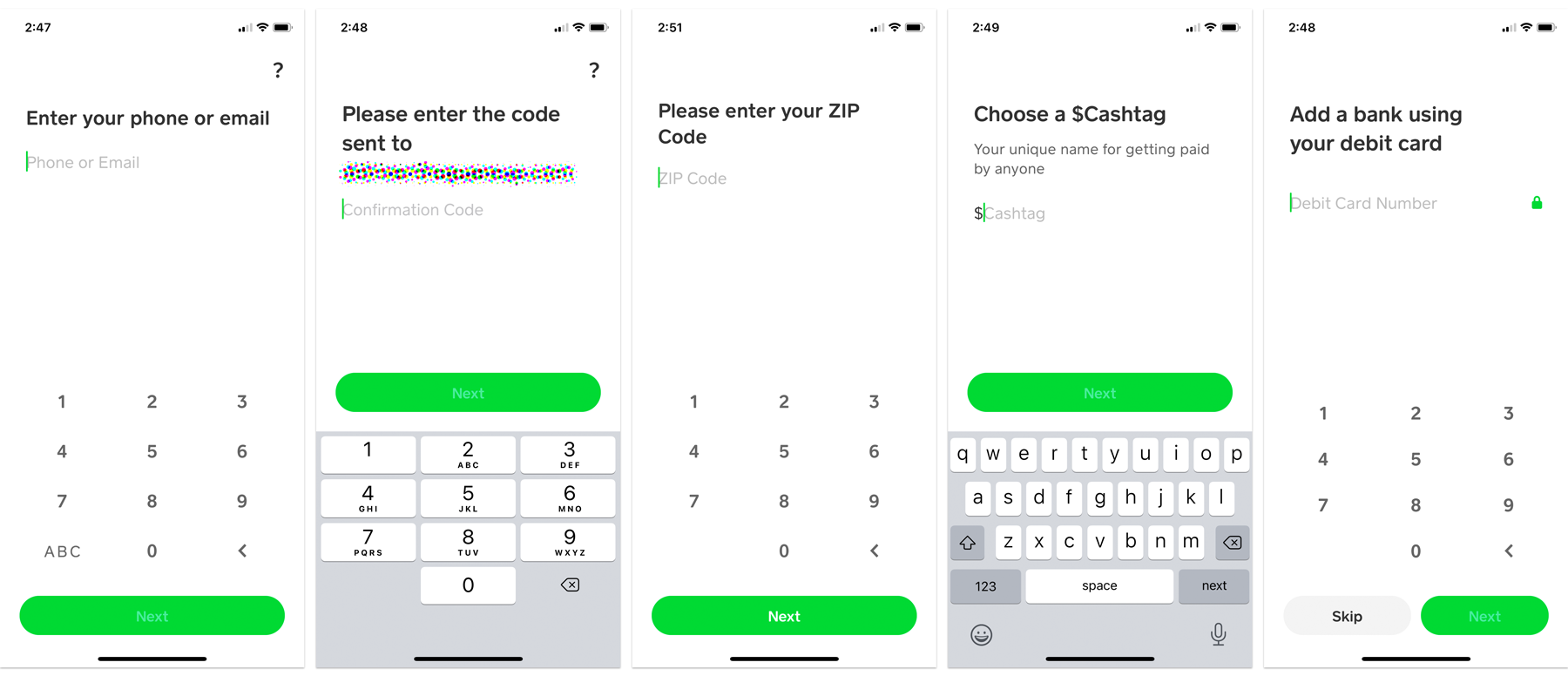
The first step involves downloading the Cash App from your device’s app store (iOS or Android) and signing up. You’ll be prompted to enter a phone number or email address, which will serve as your primary identifier. Following this, you’ll choose a unique “Cashtag” – a personalized username (e.g., $YourName) that makes it easy for others to send you money. This Cashtag is your public handle, simplifying transactions and making you easily discoverable within the Cash App ecosystem.
To unlock the full suite of Cash App features, including higher sending and receiving limits and access to the Cash Card, you’ll need to verify your identity. This typically involves providing your full legal name, date of birth, and the last four digits of your Social Security Number (SSN). This information is a standard requirement for financial institutions to comply with “Know Your Customer” (KYC) regulations, ensuring security and preventing fraud. While some basic functionalities are available without full verification, completing this step is highly recommended to maximize your app’s utility and secure your funds.
Linking Your Bank and Debit Card
Once your account is set up and, ideally, verified, the next critical step is to connect it to your existing financial infrastructure. Cash App integrates seamlessly with your traditional bank accounts and debit cards. This linkage is fundamental as it allows you to move money in and out of your Cash App balance.
To link a debit card, you’ll enter the card number, expiration date, CVV, and billing zip code. This enables instant transfers from your bank account to your Cash App balance, as well as the ability to send money directly from your linked debit card without first funding your Cash App balance. For adding funds to your Cash App balance or cashing out money from Cash App to your bank, you’ll typically link your bank account directly using your bank’s login credentials or by manually entering account and routing numbers. This flexibility ensures that Cash App acts as an extension of your primary financial accounts, providing a convenient bridge between traditional banking and digital transactions.
Core Functionalities: Sending, Receiving, and Spending Money
At its heart, Cash App revolutionized peer-to-peer payments, making it incredibly simple to transfer money between individuals. However, its capabilities extend far beyond this, integrating spending options that rival traditional banking services. These core functionalities make Cash App a formidable tool for daily financial management.
Instant Peer-to-Peer Transfers
The ability to send and receive money instantly is arguably Cash App’s most celebrated feature. Whether you’re splitting a restaurant bill with friends, paying a roommate for rent, or reimbursing a family member, Cash App facilitates these transactions with remarkable speed and ease. To send money, you simply enter the recipient’s Cashtag, phone number, or email, specify the amount, and tap “Pay.” Recipients receive funds almost immediately, which can then be kept in their Cash App balance or instantly transferred to their linked bank account.
Receiving money is equally effortless. Once someone sends you funds, they appear in your Cash App balance. You can opt for standard deposits to your bank account, which are typically free but take 1-3 business days, or instant deposits for a small fee, getting your money into your bank within minutes. This immediate access to funds is a significant advantage, especially for urgent financial needs or for those who rely on quick transfers for their small businesses or side hustles.
Managing Your Cash Card for Everyday Spending
Further expanding its utility, Cash App offers a free, customizable debit card known as the Cash Card. This Visa debit card is directly linked to your Cash App balance, allowing you to spend the funds in your app balance wherever Visa is accepted—online, in stores, and at ATMs. The Cash Card provides a tangible way to access and utilize your digital funds, bridging the gap between your Cash App balance and everyday purchasing needs.
A standout feature of the Cash Card is “Boosts.” Boosts are instant discounts applied directly at the point of sale when you use your Cash Card at specific merchants. These can range from a percentage off at coffee shops to specific dollar amounts off at grocery stores or online retailers. Users can select and change their Boosts directly within the app, offering a dynamic way to save money on regular expenditures. Managing your Cash Card also includes setting spending limits, monitoring transactions in real-time, and easily freezing/unfreezing the card for security directly from the app.
Direct Deposits and Bill Payments
Beyond person-to-person transfers and card spending, Cash App also functions as a viable alternative for receiving direct deposits and facilitating bill payments. Users can set up direct deposit for their paychecks, tax refunds, or government benefits directly into their Cash App account. This feature assigns a unique account and routing number to your Cash App, allowing employers or agencies to send funds directly, much like a traditional bank account. This can be particularly beneficial for freelancers or individuals who prefer to manage their finances primarily through the app.
While Cash App doesn’t currently offer a built-in bill pay system like some traditional banks, its direct deposit functionality, combined with the Cash Card, allows users to effectively manage bill payments. By directing paychecks to Cash App, users can then use their Cash Card for online payments or withdraw cash for specific bills. Some online billers also accept payments via debit card, making the Cash Card a convenient option for managing recurring expenses directly from your Cash App balance.
Expanding Your Financial Horizon: Investing and Beyond
Cash App has evolved beyond a mere payment platform, venturing into the realm of personal investing. This expansion provides users, particularly those new to investing, with an accessible entry point to grow their wealth directly from the same app they use for daily transactions.
Investing in Stocks and Bitcoin
One of Cash App’s most compelling features for financial growth is its integrated investing platform. Users can buy and sell fractional shares of stocks with as little as $1. This “fractional investing” democratizes access to the stock market, allowing individuals to invest in high-priced companies without needing to purchase an entire share. The interface is remarkably user-friendly, presenting clear price charts and company information, making it easy for beginners to understand and engage with the market.
In addition to stocks, Cash App also offers the ability to buy and sell Bitcoin. Recognizing the growing interest in cryptocurrencies, Cash App provides a straightforward way for users to acquire and hold Bitcoin within their app balance. This feature allows for easy entry into the crypto market, providing real-time pricing and simple transaction processes. For those interested in diversifying their financial portfolio or simply exploring new asset classes, Cash App’s investing features offer a convenient, low-barrier entry point. It’s important for users to understand the risks associated with stock and cryptocurrency investing and to only invest what they can afford to lose.
Exploring Tax Features and Reporting
As users engage in financial activities like receiving income via direct deposit or trading stocks and Bitcoin, tax implications naturally arise. Cash App, while not a tax preparation service, does provide essential tools to help users navigate their tax obligations. For transactions that meet IRS reporting thresholds, Cash App will issue relevant tax documents, such as Form 1099-B for investment gains or losses, and Form 1099-K for certain business transactions.
Users can access their transaction history and statements directly within the app, which serves as a valuable resource for tax filing. These reports detail all inflows and outflows, including income received, payments made, and investment activities. Understanding how to access and utilize these reports is crucial for accurate financial record-keeping and tax compliance. Cash App’s transparency in providing these financial records simplifies the process of aggregating data for annual tax filings, making it a more comprehensive financial management tool.
Maximizing Utility: Security and Support
With any financial tool, security is paramount, and knowing how to access support when needed is crucial. Cash App incorporates various security measures and provides avenues for customer assistance, ensuring users can manage their money with confidence.
Safeguarding Your Funds: Security Best Practices
Cash App employs robust security features to protect user accounts and financial information. These include encryption, fraud detection technology, and customizable security settings. However, users also play a critical role in maintaining the security of their funds. Best practices include enabling a PIN lock or fingerprint/Face ID for app access, which adds an extra layer of protection against unauthorized use.
It’s also vital to be vigilant against scams and phishing attempts. Cash App will never ask for your sign-in code, PIN, or full debit card number via phone, email, or social media. Users should only communicate with official Cash App support channels and verify the legitimacy of any communication. Regularly reviewing transaction history for unfamiliar activity and immediately reporting any suspicious transactions are also key security habits. Understanding and implementing these practices ensures that your financial interactions within Cash App remain secure.
Accessing Customer Support and Resources
Despite its user-friendly interface, questions or issues may arise. Cash App offers several channels for customer support to assist users. The primary method for assistance is through the app itself, by navigating to the profile icon and selecting “Support.” This provides access to a comprehensive FAQ section, troubleshooting guides, and the option to contact the support team directly via email or chat.
For urgent matters, or if you suspect unauthorized activity, Cash App also provides phone support, though in-app support is generally encouraged for most inquiries. Additionally, their website hosts extensive resources, including articles and step-by-step guides on various features. Knowing how to efficiently access these support channels ensures that you can resolve any financial concerns promptly and continue to use Cash App effectively and securely.
Strategic Applications of Cash App in Personal Finance
Beyond its core functionalities, Cash App can be strategically integrated into a broader personal finance framework, aiding in budgeting, expense tracking, and even facilitating income streams. Its flexibility makes it a valuable asset for various financial scenarios.
Budgeting and Tracking Spending
While Cash App doesn’t offer sophisticated budgeting tools like dedicated financial planning apps, its transaction history serves as an excellent resource for tracking spending. Every transaction, whether sending money, making a purchase with the Cash Card, or receiving direct deposits, is meticulously recorded within the app. Users can review their monthly or annual activity to gain insights into their spending habits.
By regularly reviewing your transaction log, you can identify spending patterns, categorize expenses manually (if you export the data), and ensure you’re adhering to your financial goals. For those who direct a significant portion of their funds through Cash App, this digital ledger becomes a powerful component of their budgeting strategy, allowing for a granular view of where money is going and helping to identify areas for potential savings.
Facilitating Side Hustles and Small Business Payments
For entrepreneurs, freelancers, or anyone engaged in a side hustle, Cash App offers a simple yet effective solution for sending and receiving payments. Its ease of use and instant transfer capabilities make it ideal for small businesses or individuals who need to accept payments quickly and without complex setups. Clients can pay directly using your Cashtag, eliminating the need for invoices or complex payment gateways for smaller transactions.
This functionality extends to paying contractors, buying supplies, or even collecting payments for casual services. The ability to manage these financial flows within the same app used for personal transactions streamlines financial management for those juggling multiple income streams. Furthermore, the availability of tax documents for certain transaction volumes (e.g., Form 1099-K) means that Cash App can support the compliance needs of small business owners, making it a practical tool for both personal and entrepreneurial financial management.
Conclusion
Cash App has transformed from a simple peer-to-peer payment application into a multifaceted financial tool that caters to a wide array of personal finance needs. From the fundamental acts of sending and receiving money to more advanced capabilities like investing in stocks and Bitcoin, and facilitating direct deposits, it offers a robust platform for managing your money digitally. By understanding and utilizing its comprehensive features—including the Cash Card with its valuable Boosts, robust security measures, and accessible customer support—users can integrate Cash App strategically into their financial lives.
Whether you’re looking for a convenient way to split expenses, a straightforward entry point into investing, or a flexible tool to manage your side hustle income, Cash App provides an intuitive and engaging solution. Embracing its full potential means not just using an app, but actively taking control of your financial transactions and striving towards greater financial autonomy in the digital age.
aViewFromTheCave is a participant in the Amazon Services LLC Associates Program, an affiliate advertising program designed to provide a means for sites to earn advertising fees by advertising and linking to Amazon.com. Amazon, the Amazon logo, AmazonSupply, and the AmazonSupply logo are trademarks of Amazon.com, Inc. or its affiliates. As an Amazon Associate we earn affiliate commissions from qualifying purchases.